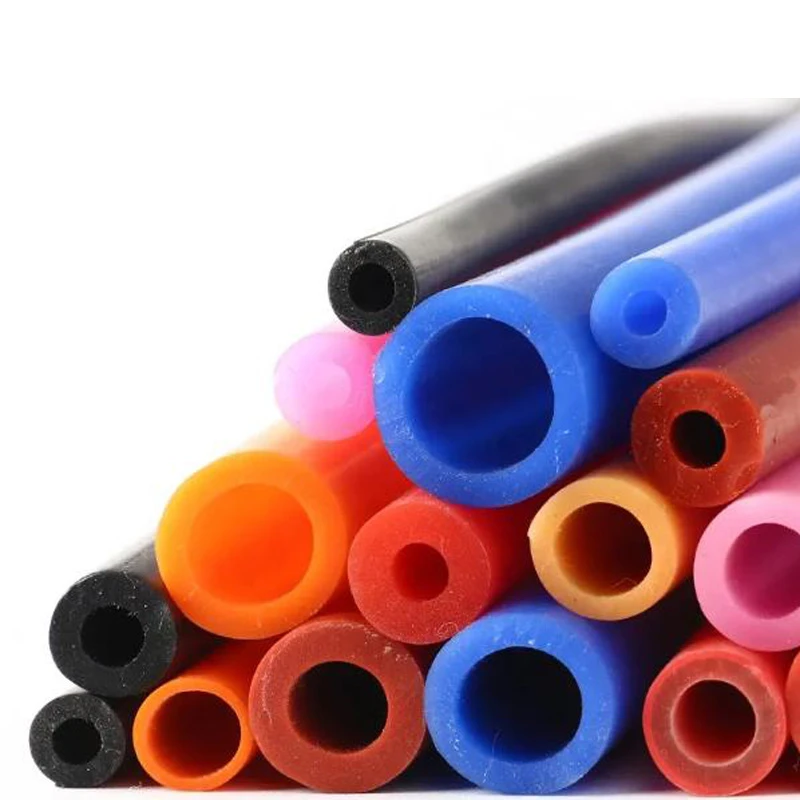
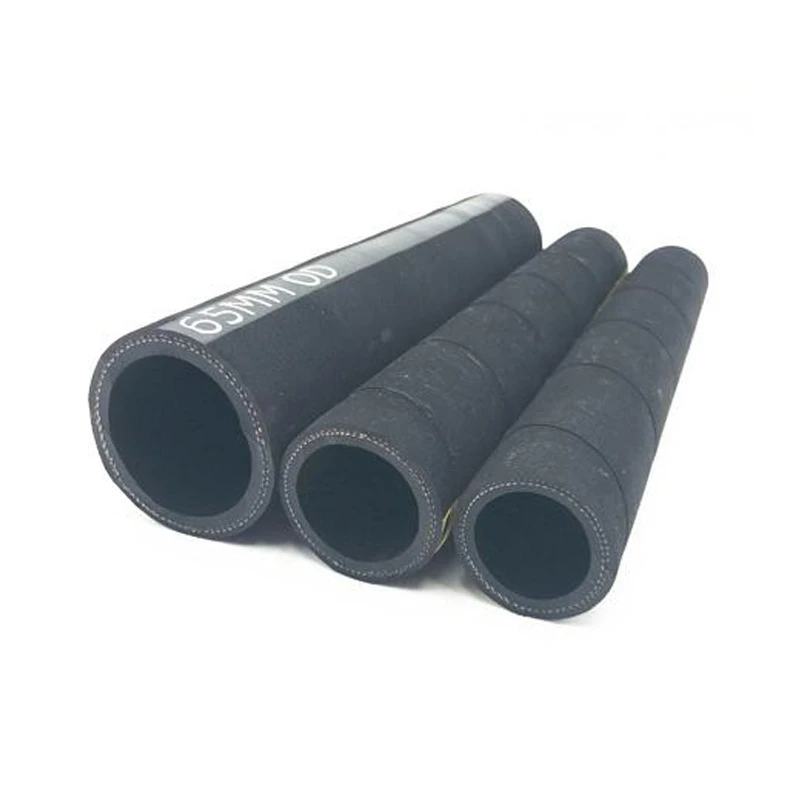
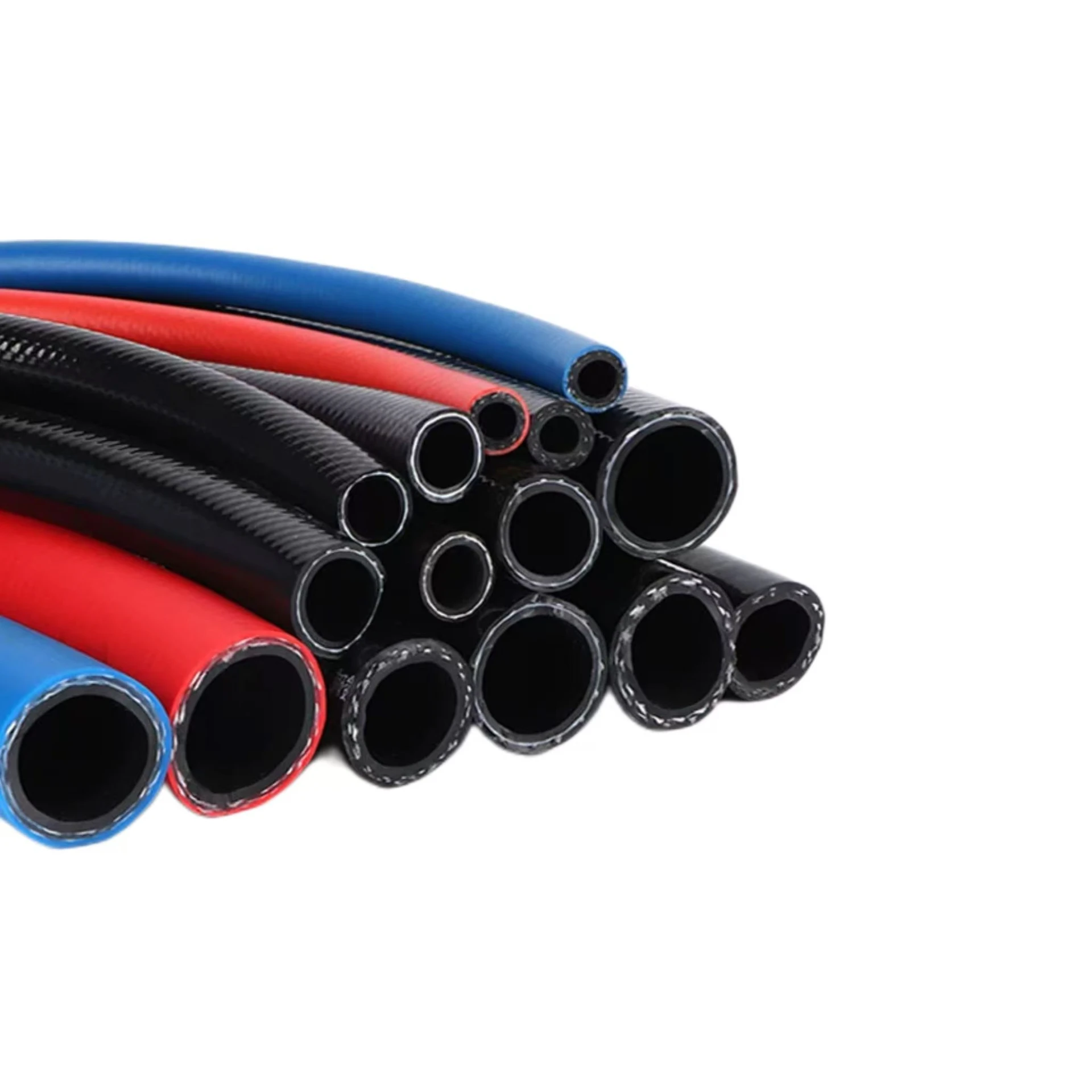
Kazakhstan's industrial landscape is characterized by vast distances and extreme weather, where temperatures can swing from -40°C in winter to +40°C in summer. This thermal stress places immense pressure on any rubber hose, requiring materials that maintain flexibility without cracking in freezing steppes.
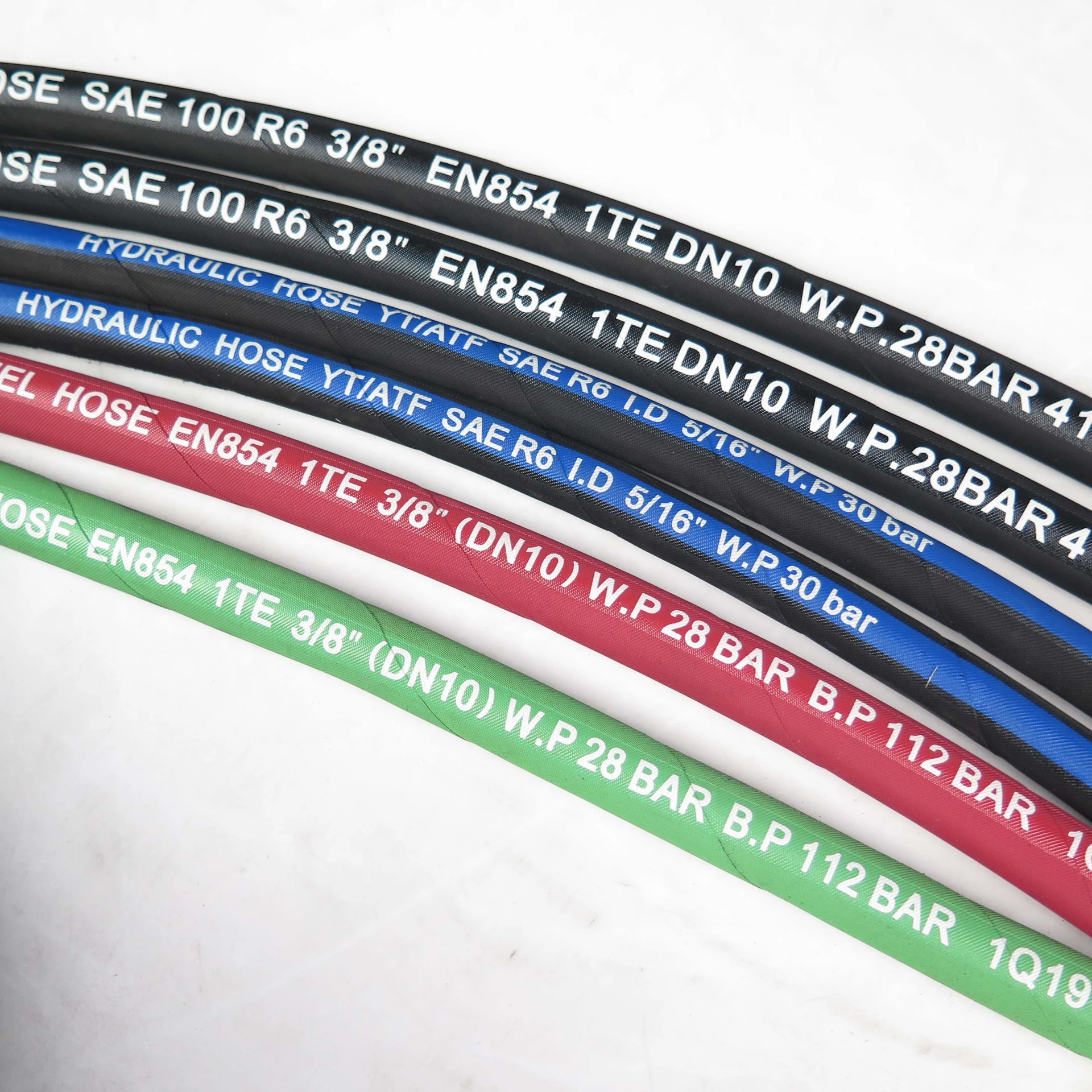
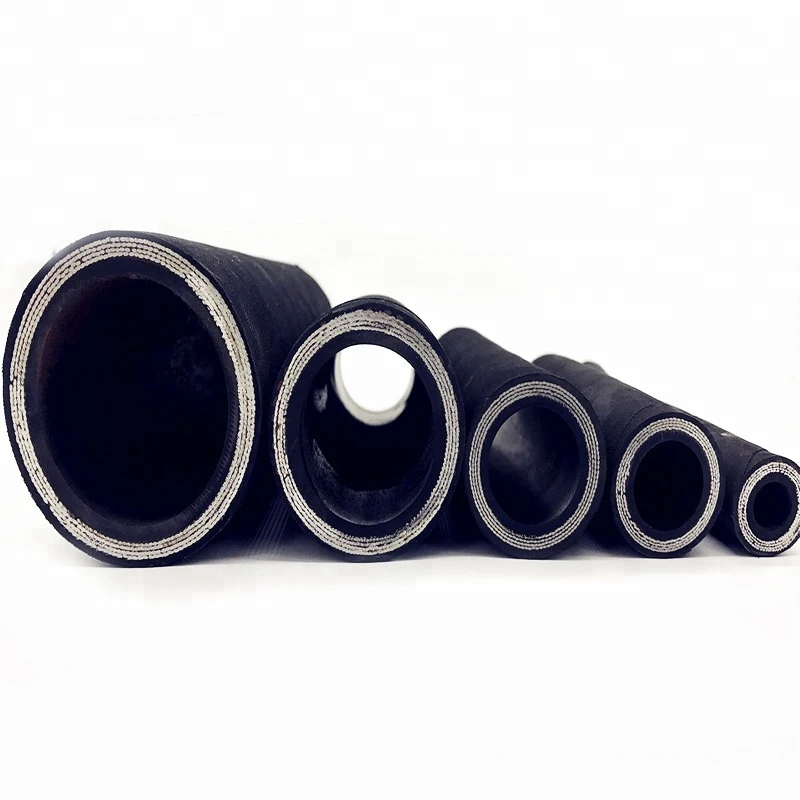
The dominance of the extractive industries in regions like Karaganda and Mangystau has led to a massive demand for high-pressure hydraulic hose systems. Traditional rubber compounds often fail under the combined stress of heavy mineral loads and corrosive soil conditions found in the Kazakh soil.
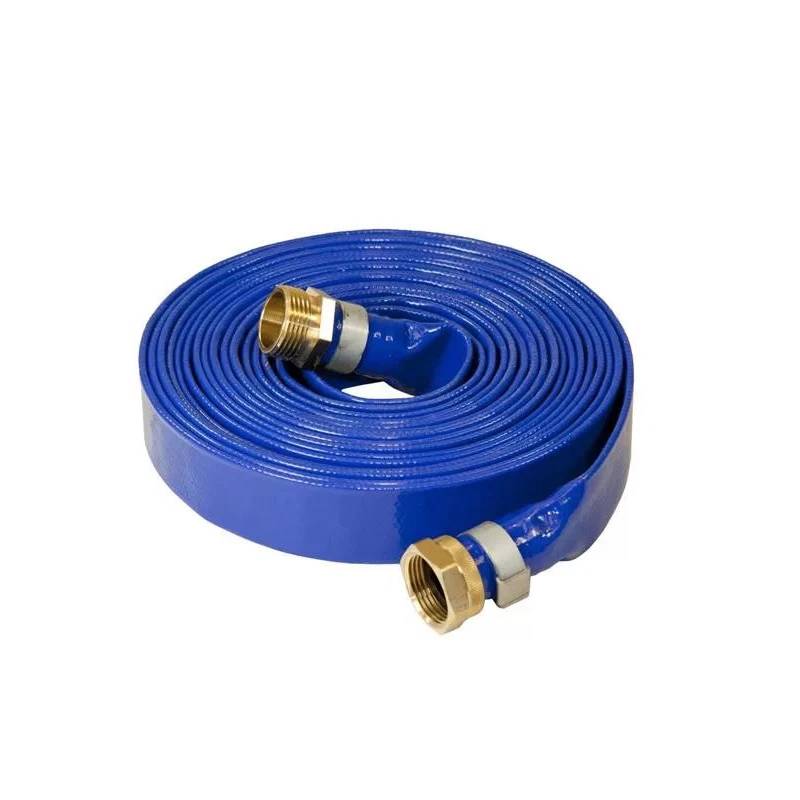
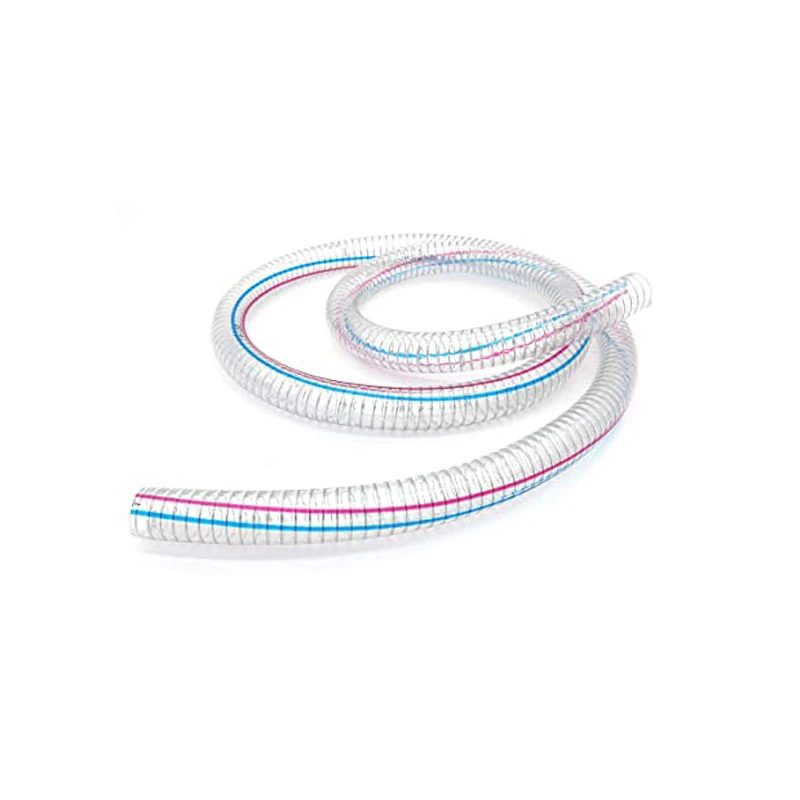
Furthermore, the agricultural shift towards modernized irrigation in the southern regions has increased the reliance on high-volume water hose deployments, necessitating a transition from low-grade plastics to UV-stabilized, reinforced rubber components.