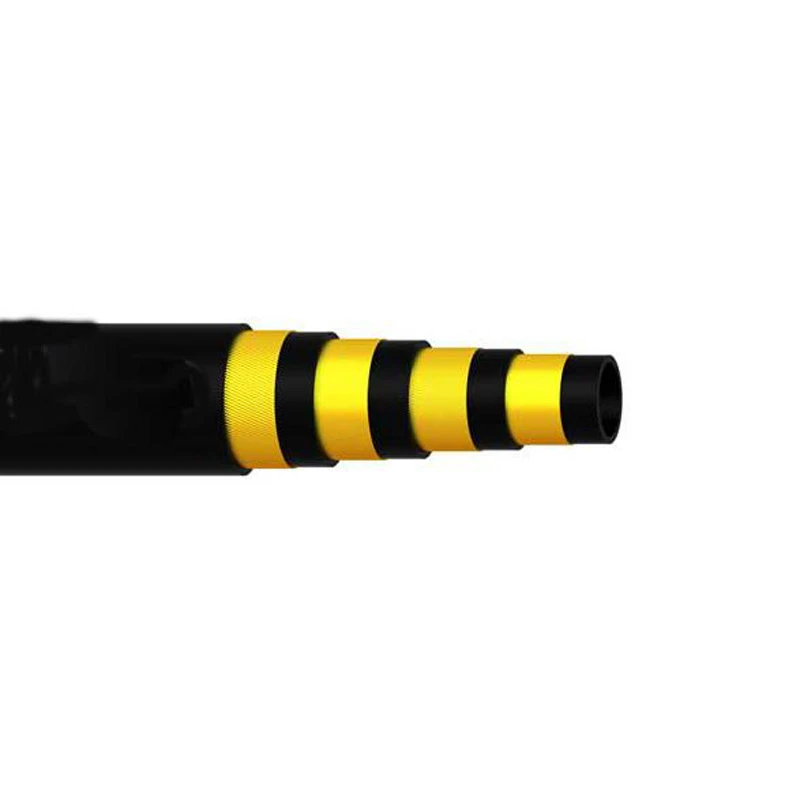
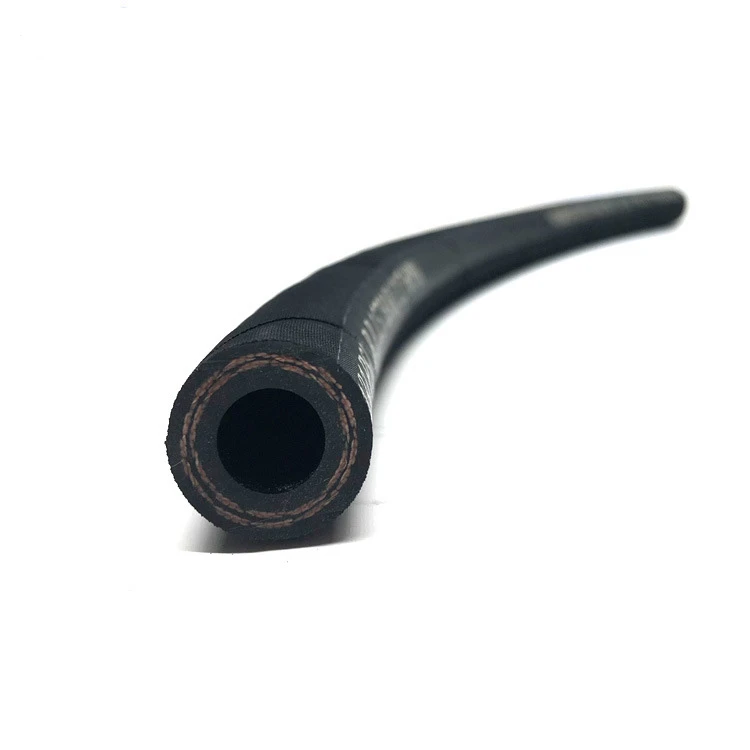
Industrial hydraulic hose Solutions for Venezuela's Energy Sector

Engineered for high-pressure resilience and extreme tropical climates to power Venezuela's heavy machinery and infrastructure.

Industrial hydraulic hose Solutions for Venezuela's Energy Sector

Providing high-performance rubber piping and fluid transfer systems specifically designed to meet the rigorous demands of the Venezuelan industrial landscape.

Rubber Manufacturing Realities in Venezuela

Analyzing the intersection of extreme humidity and industrial demand.

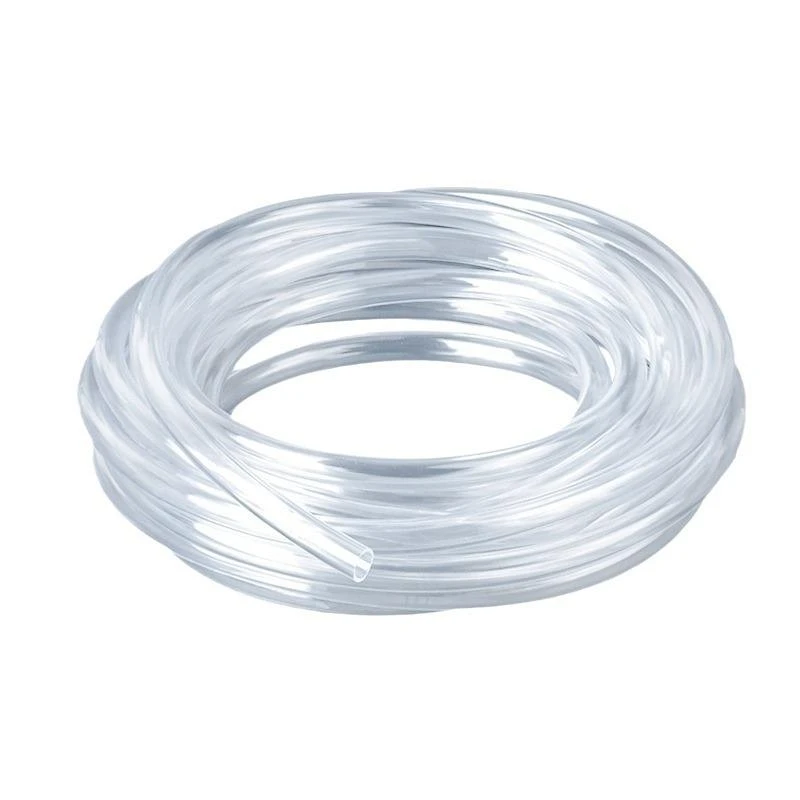
In Venezuela, the rubber products industry faces a unique challenge: the combination of intense UV radiation and high humidity levels in coastal regions. This environment accelerates the degradation of standard rubber hose materials, leading to premature cracking and leakage in critical infrastructure.

The local market is heavily dominated by the oil and gas sector, particularly in the Orinoco Belt, where the demand for specialized high-pressure conduits is constant. However, supply chain instabilities often force local operators to seek highly durable, long-lifecycle imports that can withstand fluctuating economic conditions.

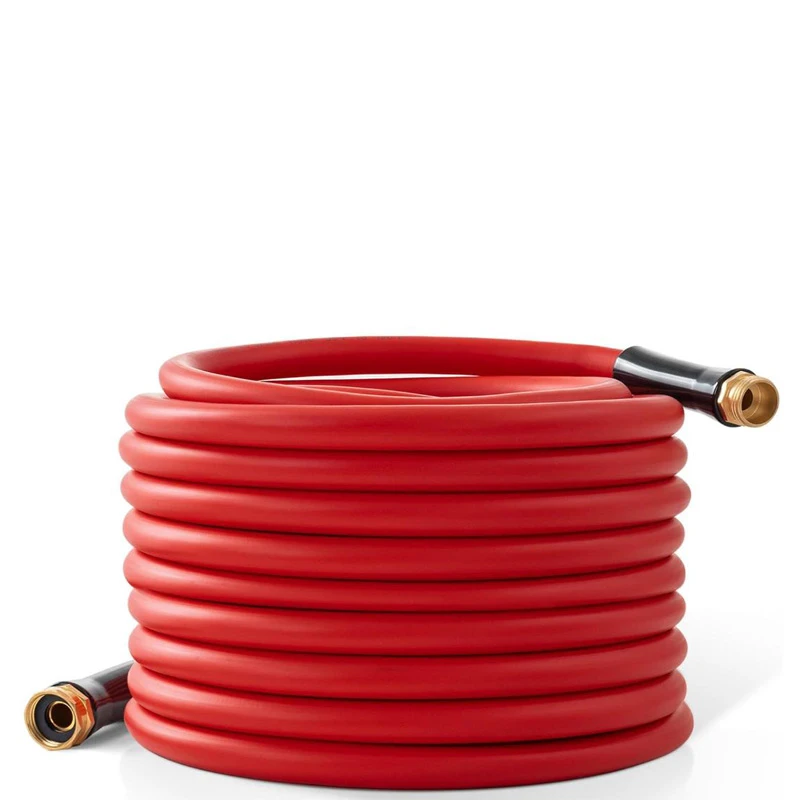
Furthermore, the agricultural sector in the central plains relies heavily on efficient irrigation. The need for a reliable water hose that resists algae growth and thermal expansion is critical for maintaining crop yields under the tropical sun.
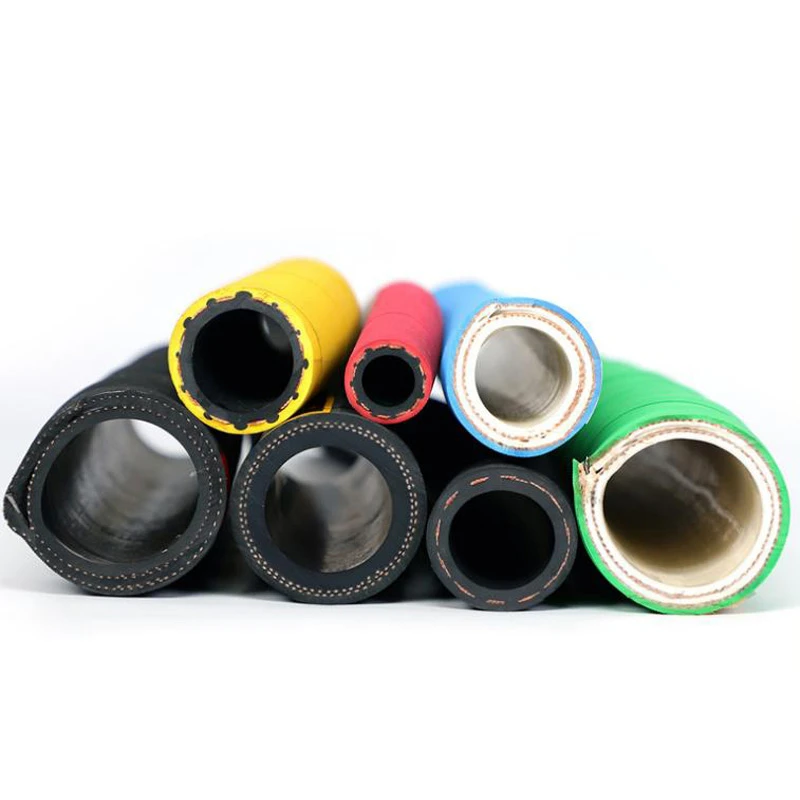
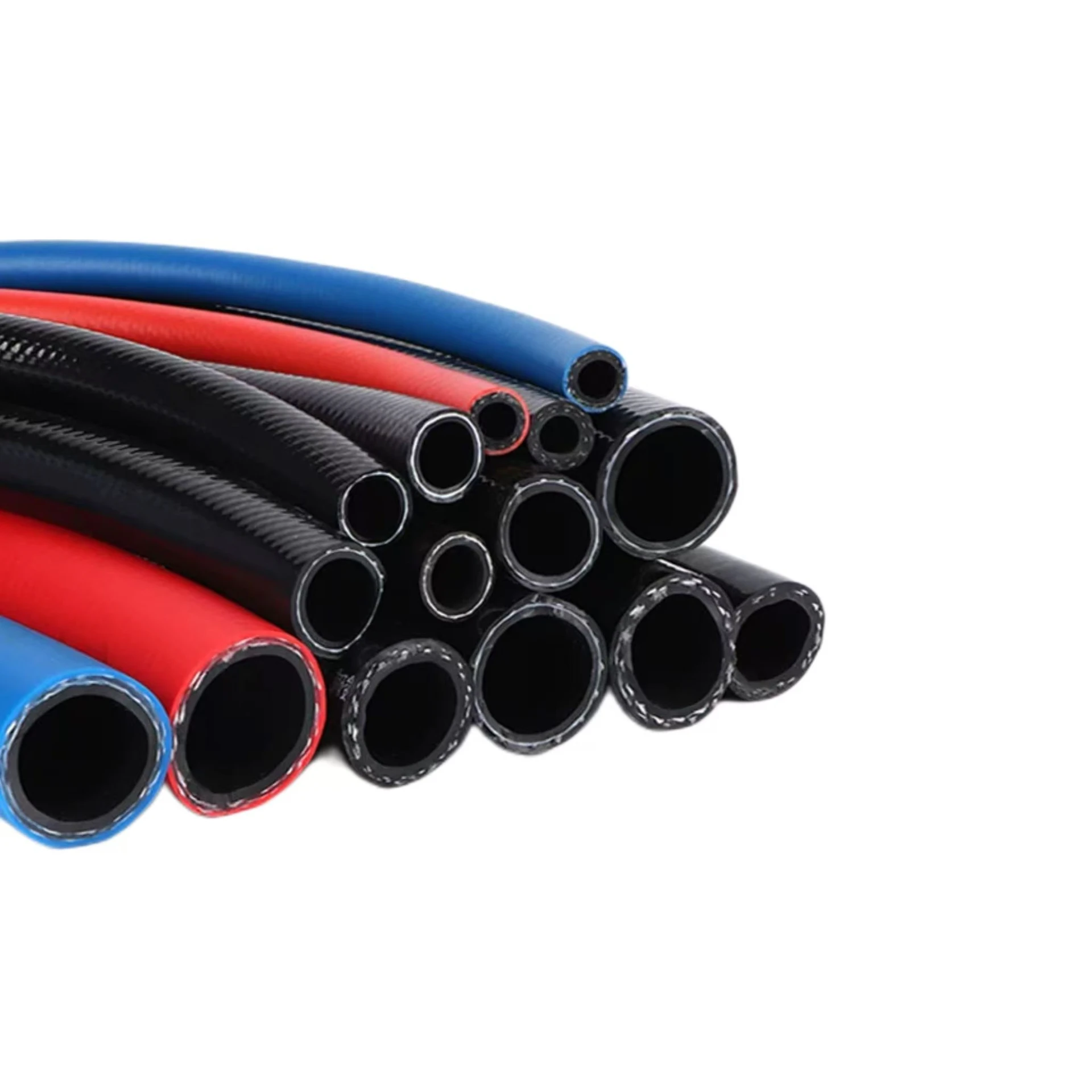
Evolution of Hose Technology in Venezuela

From basic polymer tubes to advanced reinforced composite systems.

Market Development History

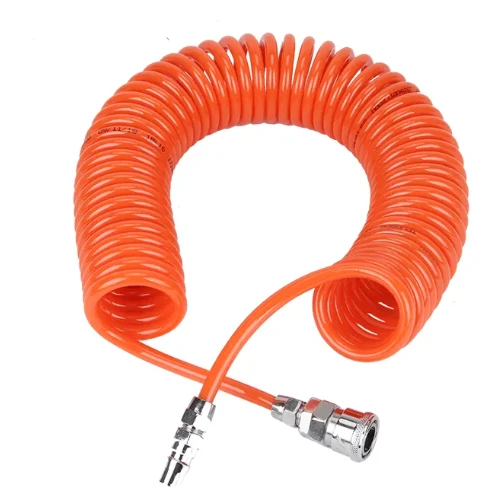
During the 1980s and 90s, the Venezuelan market relied primarily on basic natural rubber products. These early iterations of air hose systems were prone to ozone cracking and lacked the pressure ratings required for expanding heavy industry.

By the mid-2000s, a shift toward synthetic elastomers like Nitrile (NBR) and EPDM occurred. This transition allowed hoses to resist petroleum-based fluids, a necessity for the expanding refineries in the region, marking the birth of modern reinforced piping.

In the last decade, the focus has shifted toward "Total Lifecycle Cost." Venezuelan engineers now prioritize high-tensile steel wire reinforcement and thermoplastic linings to reduce downtime in remote mining and drilling locations.

Future Development Trends

Nano-Composite Material Integration

Integration of carbon nanotubes into rubber matrices to increase abrasion resistance for hoses operating in sandy or dusty environments.

Bio-Based Sustainable Polymers

A move toward biodegradable yet durable materials for the garden hose segment to align with emerging global environmental standards.

Smart Leak Detection Systems

Embedding sensor-capable layers within the hose wall to provide real-time pressure alerts, reducing catastrophic failures in high-risk industrial zones.

Strategic Industry Outlook and Future Trends

Mapping the trajectory of fluid transfer technology in South America.

UV-Resistant Polymerization
Advanced chemical bonding to prevent solar degradation in Venezuela's equatorial climate.
High-Pressure Optimization
Developing multi-spiral steel wire reinforcements for deeper drilling operations.
Chemical Inertness
Enhanced PTFE linings to handle aggressive corrosive agents in petrochemical plants.
Hybrid Polymerization
Combining the flexibility of rubber with the strength of thermoplastics.

Industry Outlook

Over the next 3-5 years, we anticipate a surge in demand for specialized fluid transfer systems as Venezuela seeks to modernize its refinery infrastructure. Search trends indicate an increasing focus on "durability" and "high-pressure resistance," signaling a move away from low-cost, short-term replacements toward long-term engineering assets.

The shift toward sustainable manufacturing will also play a role, with a projected 15% increase in the adoption of recyclable elastomer compounds. This evolution will be driven by international partnerships and the need to align with global ISO standards for rubber manufacturing.

Localized Application Scenarios in Venezuela

Real-world deployments across various Venezuelan sectors.

1. Oil Sands Extraction in Orinoco

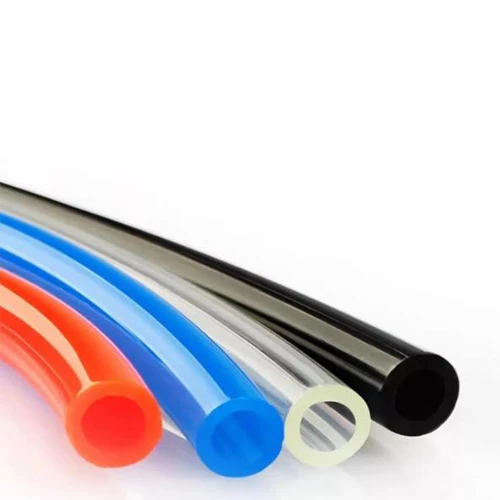
Deployment of reinforced high-pressure hoses to transport heavy crude and drilling muds under extreme thermal conditions.

2. Agricultural Irrigation in Los Llanos

Utilizing wide-diameter water hose networks for large-scale maize and soy farming, designed to resist UV degradation.

3. Industrial Pneumatics in Caracas Manufacturing

Implementation of high-flow air hose systems for automated assembly lines in the capital's industrial zones.

4. Mining Logistics in Bolívar State

Using heavy-duty suction and discharge hoses for gold and iron ore processing, where abrasion resistance is the primary requirement.

5. Residential Landscaping in Urban Areas

Providing kink-resistant and weather-proof garden hose products for residential use in humid tropical climates.

Brand Story

Global Development Journey of Hebei Zhoucong Import and Export Trade Co., Ltd.

Foundational Excellence

Established with a vision to bridge the gap between advanced rubber engineering and emerging markets worldwide.

Technical Breakthroughs

Developing proprietary reinforcement techniques that allow our hoses to withstand 20% more pressure than industry averages.

Global Market Expansion

Successfully penetrating the South American market by adapting our product chemistry to tropical climates.

Quality Certification

Achieving international ISO and SAE certifications to ensure every meter of hose meets rigorous safety standards.

Future-Ready Innovation

Investing in R&D for smart-rubber technology to eliminate leakage-related downtime for our global clients.

Comprehensive Fluid Transfer Portfolio for Venezuela

A full suite of rubber solutions tailored for heavy industry and agriculture.

Common Industrial Hose Questions in Venezuela

Expert answers to technical challenges faced by local engineers.

How to prevent rubber hose cracking in Venezuela's high UV environment?

We recommend using EPDM-based compounds with added UV stabilizers and an outer protective coating to prevent ozone degradation and solar heat cracking.

What is the best hydraulic hose for heavy crude oil transport?

For heavy crude, a Nitrile (NBR) inner tube with high-tensile steel braiding is essential to resist chemical permeation and handle high pressure pulses.

Can standard water hose withstand Venezuelan tropical humidity?

Standard hoses may mold; however, our antimicrobial-lined options are specifically engineered to prevent biofilm buildup in humid conditions.

What pressure ratings are recommended for industrial air hose systems?

Depending on the application, we suggest a working pressure of 150-300 PSI with a 4:1 safety factor to ensure operational safety in factory settings.

How do I choose the right diameter for agricultural irrigation hoses?

Selection should be based on the flow rate (GPM) required for your crop area and the pump's head pressure to minimize friction loss.

Are your rubber products compliant with international safety standards?

Yes, all our products undergo rigorous testing and comply with ISO 9001 and SAE standards for industrial fluid transfer.

Request a Technical Consultation

Contact our engineering team today for customized rubber piping solutions tailored to the specific industrial requirements of Venezuela.

Contact Us Now
tel number
email
phone
back to top

If you are interested in our products, you can choose to leave your information here, and we will be in touch with you shortly.


If you are interested in our products, you can choose to leave your information here, and we will be in touch with you shortly.