Silicone hose price is a critical factor across numerous industries, influencing operational efficiency, safety, and long-term cost-effectiveness. Understanding the nuances of silicone hose pricing requires consideration of material quality, manufacturing processes, customization options, and global market dynamics. These factors directly impact the durability, performance, and overall value proposition of these essential components. Investing in quality silicone hoses, even with a slightly higher initial silicone hose price, often translates into significant savings through reduced downtime, maintenance, and replacement costs.
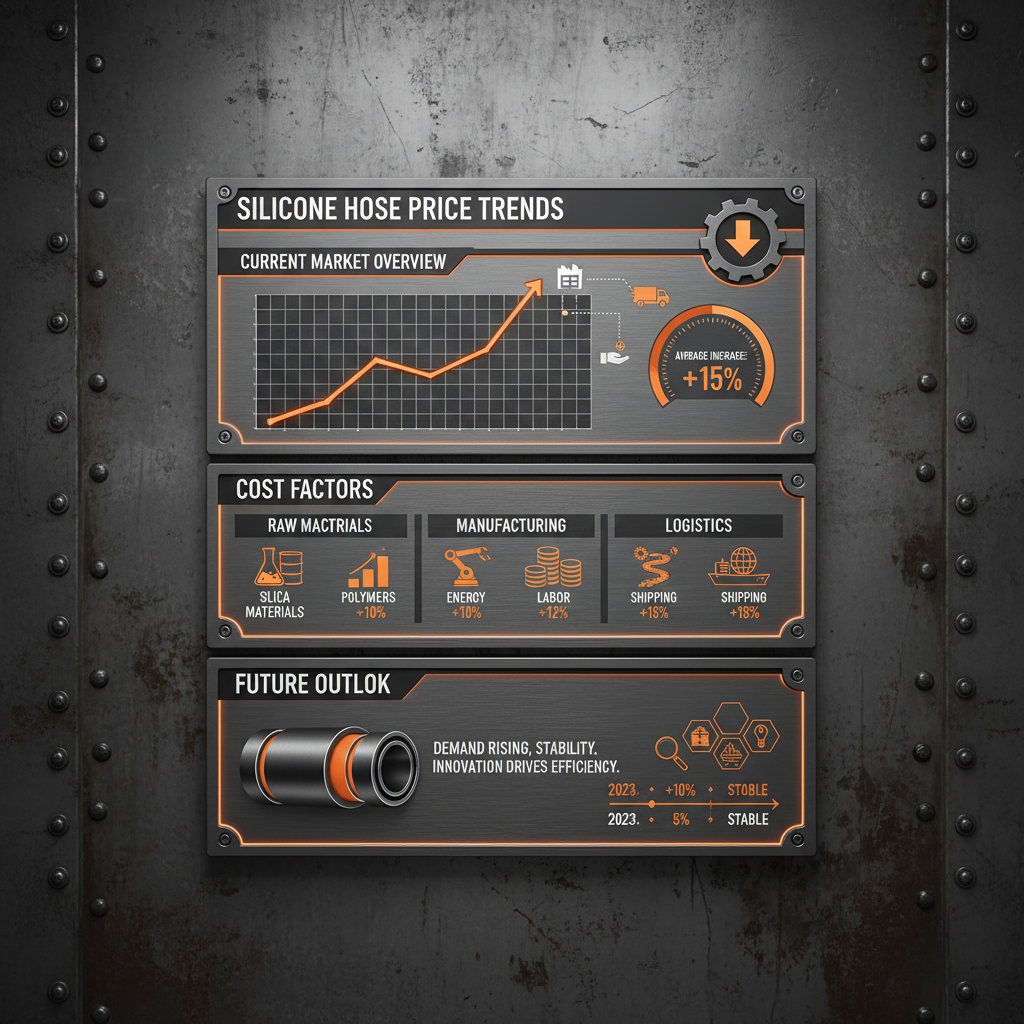
The global demand for silicone hoses is consistently rising, driven by the expansion of automotive, pharmaceutical, food and beverage, and industrial sectors. Fluctuations in raw material costs, particularly silicone rubber, can significantly impact silicone hose price. Geopolitical events, supply chain disruptions, and advancements in manufacturing technology also play a crucial role. Consequently, businesses must stay informed about market trends to secure competitive pricing and ensure a reliable supply of these vital components.
Therefore, a thorough assessment of silicone hose price isn't simply about finding the cheapest option, but about evaluating the total cost of ownership and selecting a solution that aligns with specific application requirements and long-term business objectives.
Introduction to Silicone Hose Price
The pricing of silicone hoses is far more complex than a simple per-foot cost. It’s a dynamic interplay of several factors, including the grade of silicone rubber used, the complexity of the hose’s construction (layers, reinforcement), diameter, length, and any required certifications. Different industries demand different levels of performance and compliance, directly influencing the silicone hose price.
Understanding these variables is crucial for businesses seeking to optimize their supply chains and secure the best possible value. Failing to account for these elements can lead to unexpected costs, compromised performance, and potential safety risks.
Defining Silicone Hose Price
Silicone hose price refers to the monetary value assigned to a flexible tube constructed from silicone elastomers. This price is determined not solely by the material itself, but by the entire production process – from raw material sourcing and compounding to extrusion, curing, and finishing. It encompasses the cost of labor, energy, quality control, and packaging.
Importantly, "price" isn't just the initial purchase cost. It should be considered in the context of the hose’s lifespan, durability, and the cost of potential replacements. A seemingly cheaper silicone hose might quickly become more expensive if it requires frequent replacement due to premature failure.
This concept is integral to modern industry because silicone hoses are vital components in systems where temperature extremes, corrosive fluids, or strict hygiene standards are present, demanding reliability and longevity.
Core Components Affecting Silicone Hose Price
Several core components drive the fluctuations in silicone hose price. Firstly, the type of silicone rubber significantly impacts cost. VMQ (Vinyl Methyl Silicone) is generally more affordable than PVMQ (Phenyl Vinyl Methyl Silicone), which offers superior temperature resistance and compression set performance. Secondly, reinforcement materials like stainless steel wire or fabric plies add strength and pressure capabilities, increasing the price.
Customization also plays a key role. Non-standard sizes, colors, or the addition of fittings and connectors inevitably increase the silicone hose price. Finally, regulatory compliance and certifications (e.g., FDA, USP Class VI) require rigorous testing and documentation, which adds to the overall cost.
The manufacturing process itself also influences pricing. Extrusion, curing, and finishing all require specialized equipment and skilled labor. Higher precision and tighter tolerances demand more sophisticated processes and, consequently, higher prices.
Applications and Industries Impacting Silicone Hose Price
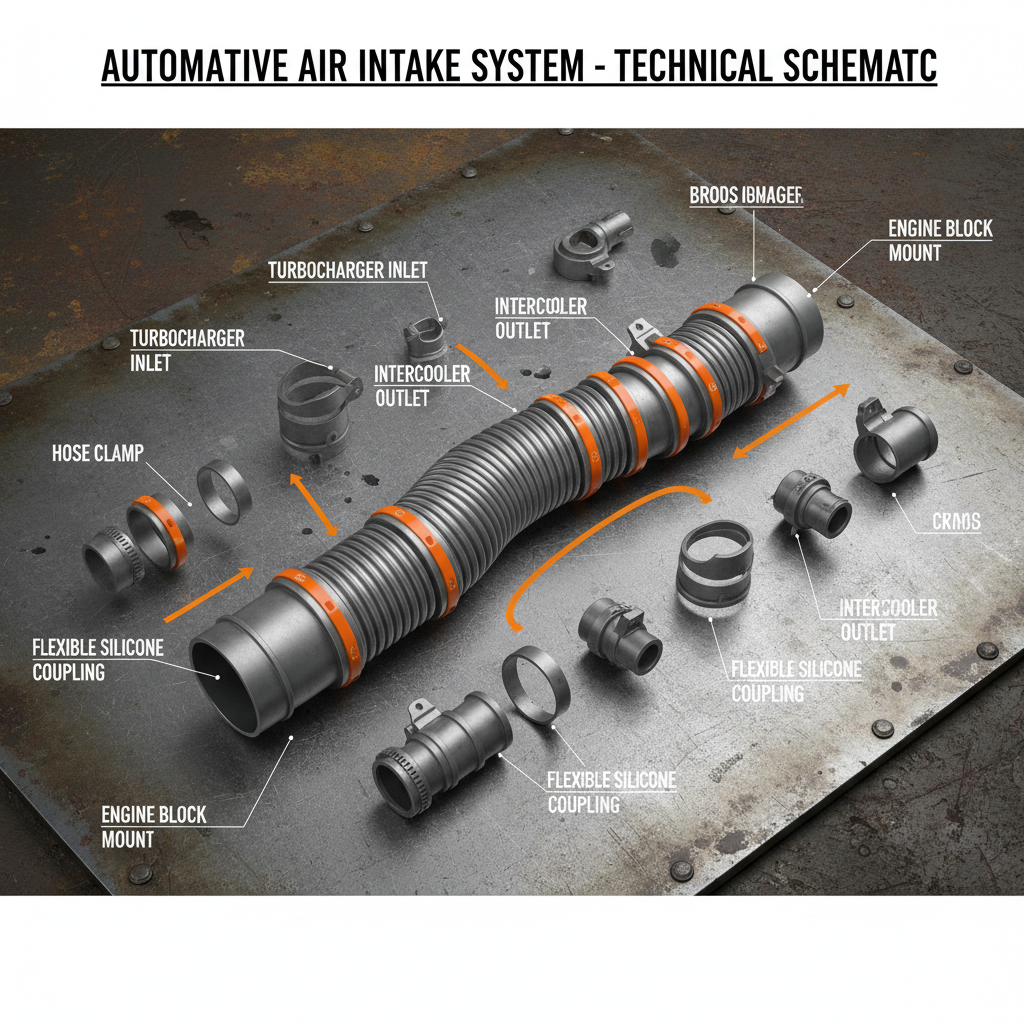
The demand from various applications and industries significantly shapes silicone hose price. The automotive industry, requiring hoses for coolant systems, turbocharger connections, and air intake systems, constitutes a large market, driving demand and influencing volume-based pricing.
The pharmaceutical and food & beverage industries, with their stringent hygiene and regulatory requirements, often necessitate hoses made from specialized, FDA-compliant silicone, commanding a premium price. Similarly, industries like aerospace and defense demand high-performance silicone hoses capable of withstanding extreme conditions, further increasing the silicone hose price.
Silicone Hose Price Variation by Application
Advantages and Value Proposition of Silicone Hoses
Despite potentially higher initial silicone hose price compared to rubber or plastic alternatives, the long-term advantages often outweigh the upfront cost. Silicone hoses exhibit exceptional temperature resistance, maintaining flexibility and performance across a wide range – typically from -60°C to +260°C. This extends their lifespan and reduces the need for frequent replacements.
Furthermore, silicone is inherently resistant to many chemicals and solvents, preventing degradation and ensuring the integrity of the fluid being transported. This reliability is crucial in critical applications where leaks or failures could have severe consequences.
Future Trends in Silicone Hose Price
The future of silicone hose price is likely to be influenced by advancements in materials science and manufacturing technology. Research into bio-based silicone alternatives and recycled silicone materials could lead to more sustainable and cost-effective options. Increased automation in production processes could also help reduce labor costs and improve efficiency.
Furthermore, the growing demand for electric vehicles (EVs) and their associated cooling systems will likely drive innovation and potentially lower the silicone hose price for specialized EV applications.
Challenges and Considerations Regarding Silicone Hose Price
One of the primary challenges concerning silicone hose price is the volatility of raw material costs. Fluctuations in the price of silicone monomer, the key ingredient, can significantly impact the overall cost. Supply chain disruptions, geopolitical instability, and increasing demand all contribute to this volatility.
Another challenge is the lack of standardization in performance criteria. This can make it difficult to compare prices accurately and ensure that a lower-priced hose meets specific application requirements. Establishing clear industry standards and promoting transparency in pricing are crucial steps to address these challenges.
To mitigate these issues, businesses should consider building strong relationships with reputable suppliers, exploring long-term contracts, and diversifying their sourcing strategies.
Analysis of Factors Influencing Silicone Hose Price
| Material Grade |
Reinforcement Type |
Customization Level |
Supplier Location/Logistics |
| VMQ |
No Reinforcement |
Standard Size/Color |
Domestic Supplier |
| PVMQ |
Single Stainless Steel Wire |
Custom Length/Fittings |
Overseas Supplier (Long Lead Time) |
| VMQ (FDA Compliant) |
Fabric Braid |
Specific Color Matching |
Regional Distributor |
| PVMQ (USP Class VI) |
Double Stainless Steel Wire |
Complex Connector Integration |
Direct from Manufacturer |
| Fluorosilicone |
High-Pressure Spiral Reinforcement |
Custom Compound Formulation |
Expedited Shipping |
| VMQ (High Temp) |
No Reinforcement |
Standard Dimensions |
Local Supplier with Quick Delivery |
FAQS
The silicone hose price is primarily influenced by the type of silicone rubber used (VMQ, PVMQ, fluorosilicone, etc.), the reinforcement materials incorporated for pressure resistance, and any specialized certifications or regulatory compliance requirements (like FDA or USP Class VI). Customization, such as specific sizes, colors, or fittings, also adds to the cost. Finally, raw material costs and manufacturing complexities play a role.
Not necessarily. It depends on your application. If you need extreme temperature resistance, chemical compatibility, or stringent purity levels, a higher-grade hose is essential. However, for simpler applications, a standard VMQ hose might suffice. Consider the total cost of ownership—a cheaper hose requiring frequent replacement might ultimately be more expensive.
Consider standard sizes and colors to avoid customization charges. Negotiate long-term contracts with suppliers to secure volume discounts. Evaluate whether reinforcement is truly necessary for your application. And research different suppliers to compare pricing and lead times. A thorough assessment of your needs can help you optimize your budget.
Silicone hoses generally have a longer lifespan than rubber or plastic hoses, often lasting 5-10 years or more depending on the application and operating conditions. This longevity contributes to a lower total cost of ownership, even if the initial silicone hose price is higher. Premium-grade silicone and proper installation/maintenance further extend lifespan.
Alternatives include EPDM rubber hoses and fluoropolymer (PTFE) hoses. However, these materials typically have limitations in temperature resistance, chemical compatibility, or purity compared to silicone. The best choice depends on your specific requirements and priorities. Directly comparing the total cost of ownership is critical.
Supply chain disruptions, such as raw material shortages or transportation bottlenecks, significantly drive up silicone hose price. Limited availability of silicone monomer, a key ingredient, can lead to increased costs. Geopolitical factors and global events also contribute to this instability. Diversifying suppliers and maintaining adequate inventory levels can help mitigate these risks.
Conclusion
In conclusion, understanding the complexities surrounding silicone hose price is paramount for informed decision-making. It's not merely about identifying the cheapest option, but about evaluating the total cost of ownership, considering performance requirements, and anticipating future needs. Factors ranging from material grade and reinforcement to customization and supply chain dynamics all contribute to the final price point.
Looking ahead, continued innovation in materials science and manufacturing techniques will likely lead to more sustainable and cost-effective silicone hose solutions. Businesses should proactively monitor market trends, build strong supplier relationships, and prioritize long-term value over short-term savings. For competitive silicone hose price and reliable solutions, visit our website today.