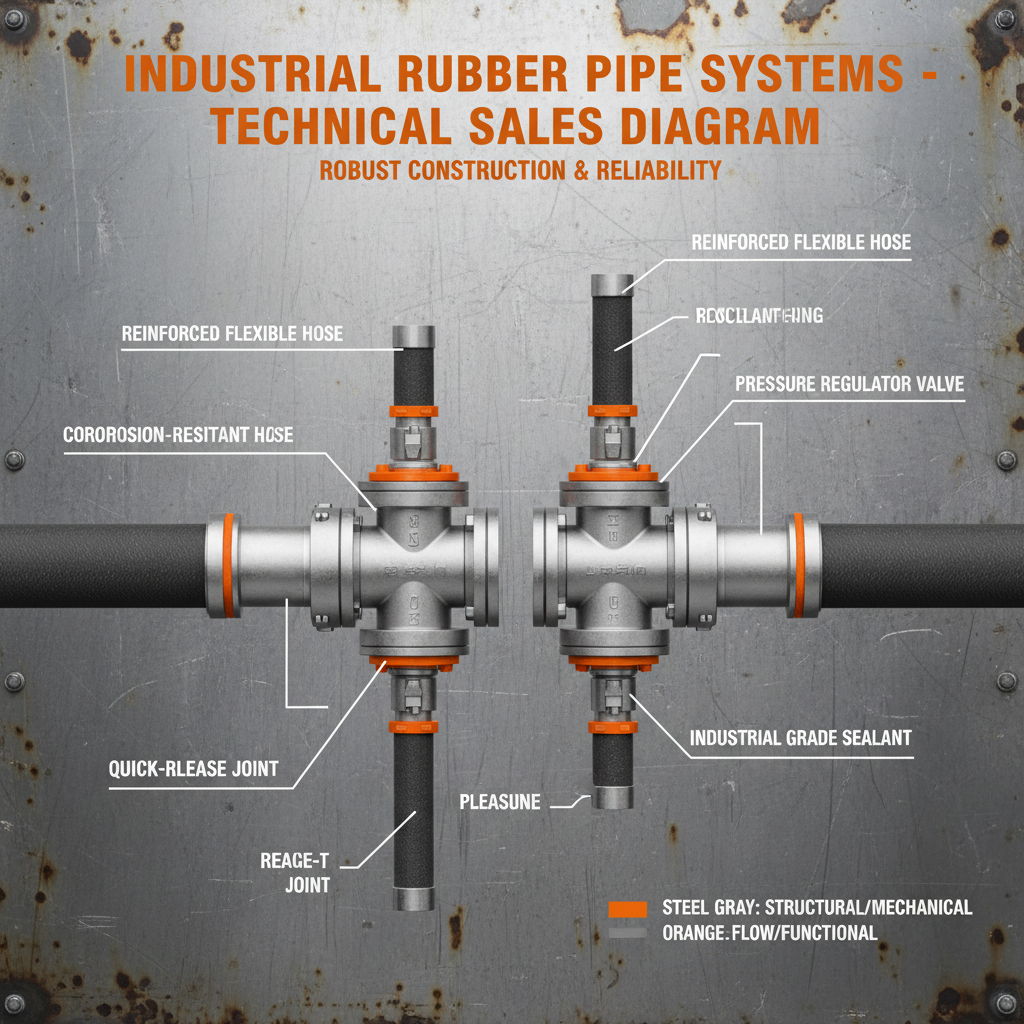
Silicone hose manufacturing process is a critical component in a vast array of industries, from automotive and aerospace to medical and food processing. The demand for reliable, high-performance hoses capable of withstanding extreme temperatures, pressures, and corrosive environments has fueled significant innovation in materials science and manufacturing techniques. Understanding this process is no longer just for engineers; it's crucial for anyone involved in product design, supply chain management, and quality control across numerous sectors.
Globally, the market for silicone hoses is experiencing substantial growth, driven by increased industrialization, stricter safety regulations, and a growing preference for materials that offer long-term durability and minimal maintenance. According to recent reports, the silicone elastomer market is projected to reach $16.8 billion by 2028, with a significant portion attributed to hose applications. This growth underscores the increasing reliance on silicone hoses as essential components in modern infrastructure and manufacturing.
The significance of mastering the silicone hose manufacturing process lies in its ability to provide solutions to challenges related to fluid transfer, environmental protection, and overall system performance. Optimizing this process translates to improved product reliability, reduced operational costs, and enhanced safety across a diverse range of applications.
Introduction to Silicone Hose Manufacturing Process
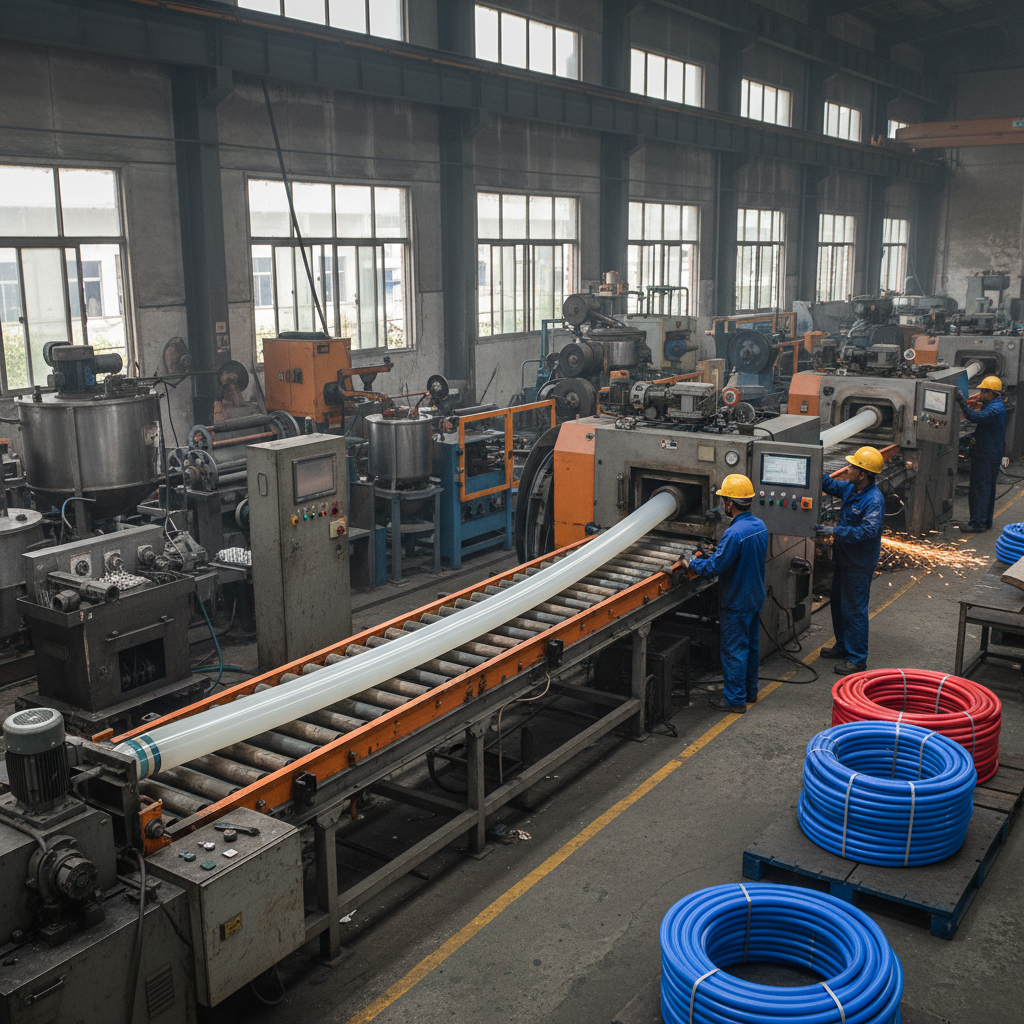
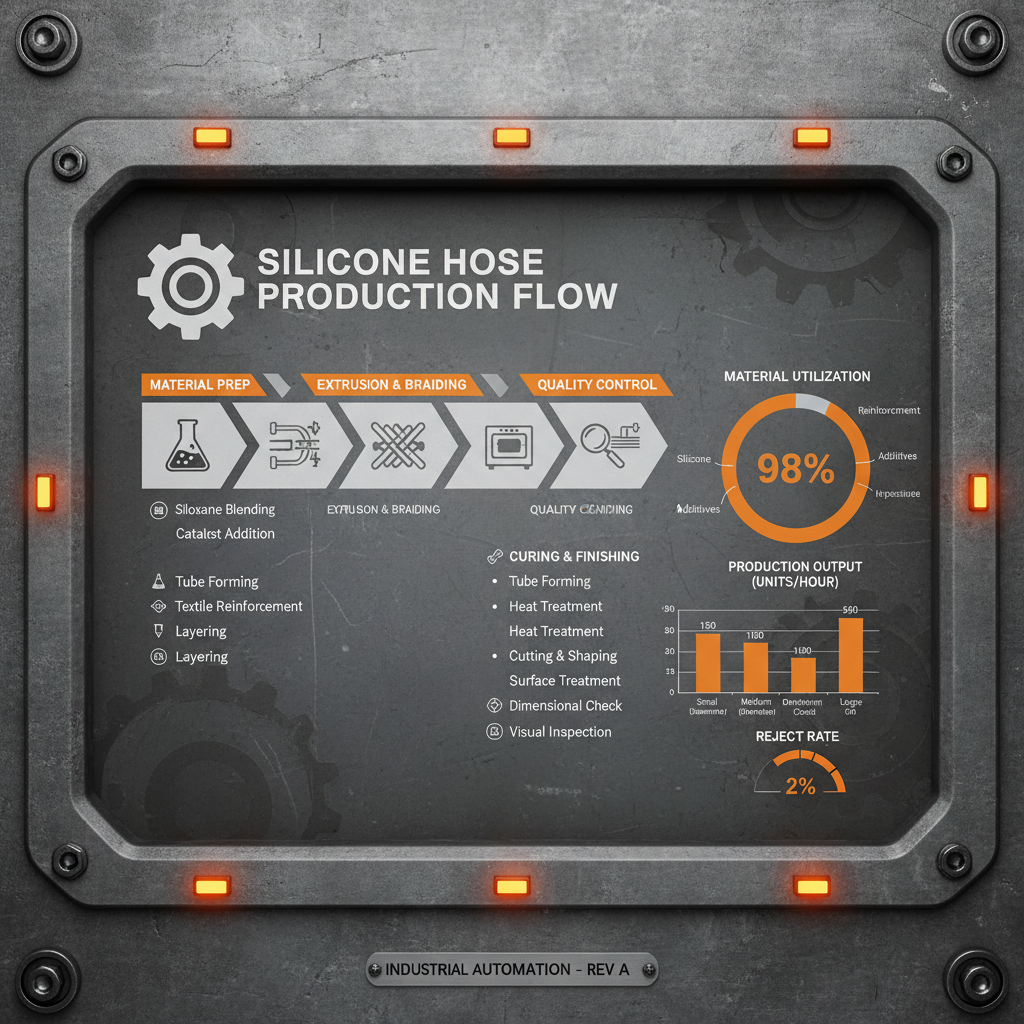
The silicone hose manufacturing process isn’t a single step, but a carefully orchestrated series of operations designed to create hoses with specific properties. It involves compounding silicone rubber, extruding or molding the hose shape, curing to achieve elasticity and strength, and finally, finishing and quality control. Each stage requires precise control and specialized equipment.
Understanding each component of the silicone hose manufacturing process is vital for ensuring product consistency and performance. Factors such as silicone grade, reinforcement materials, and curing methods directly impact the final product’s resistance to temperature, pressure, and chemicals. It’s a process continually refined through technological advancements and material science breakthroughs.
Defining the Silicone Hose Manufacturing Process
The silicone hose manufacturing process is the industrial creation of flexible conduits made from silicone elastomer materials. These hoses are designed to transport fluids, gases, or solids in a safe and efficient manner across a wide range of applications. Unlike rubber hoses, silicone hoses excel in extreme environments due to their superior temperature resistance, chemical inertness, and flexibility.
This process transforms raw silicone polymers into a finished product through techniques like extrusion, molding, and layering with reinforcing materials like fiberglass or stainless steel. The resulting hoses are then subjected to rigorous testing to ensure they meet industry standards and specific customer requirements.
The connection to modern industry is undeniable, particularly in sectors demanding high reliability and safety. From automotive cooling systems and pharmaceutical transfer lines to food and beverage processing, silicone hoses play a critical role in maintaining operational efficiency and product integrity.
Core Components of Silicone Hose Production
A foundational element of any silicone hose manufacturing process is the precise formulation of the silicone compound. This includes selecting the appropriate silicone polymer, fillers, and additives to achieve the desired physical and chemical properties. Different silicone grades offer varying levels of heat resistance, flexibility, and chemical compatibility.
Extrusion and molding are the primary shaping techniques used in silicone hose production. Extrusion is ideal for creating continuous hoses with consistent dimensions, while molding is better suited for complex shapes and tight tolerances. Reinforcement materials, such as braided textiles or spiral wire, are often integrated during these processes to enhance the hose's pressure resistance and structural integrity. You can find more information on this at silicone hose manufacturing process.
Finally, curing – typically achieved through heat and/or chemical catalysts – transforms the pliable silicone compound into a durable, elastic hose. The curing process is carefully controlled to ensure complete cross-linking of the silicone molecules, resulting in the desired mechanical properties. Post-curing processes like trimming, surface finishing, and quality inspection complete the manufacturing cycle.
Key Factors Influencing Manufacturing Quality
Maintaining consistent material quality is paramount in the silicone hose manufacturing process. Variations in silicone grade, filler content, or additive ratios can significantly impact the final product’s performance. Strict quality control measures are essential throughout the compounding phase to ensure adherence to specifications.
Precise control of process parameters during extrusion and molding is equally important. Factors like temperature, pressure, and speed must be carefully monitored and adjusted to achieve consistent dimensions, smooth surfaces, and proper reinforcement integration.
Silicone Hose Manufacturing Process Quality Metrics
Global Applications of Silicone Hoses
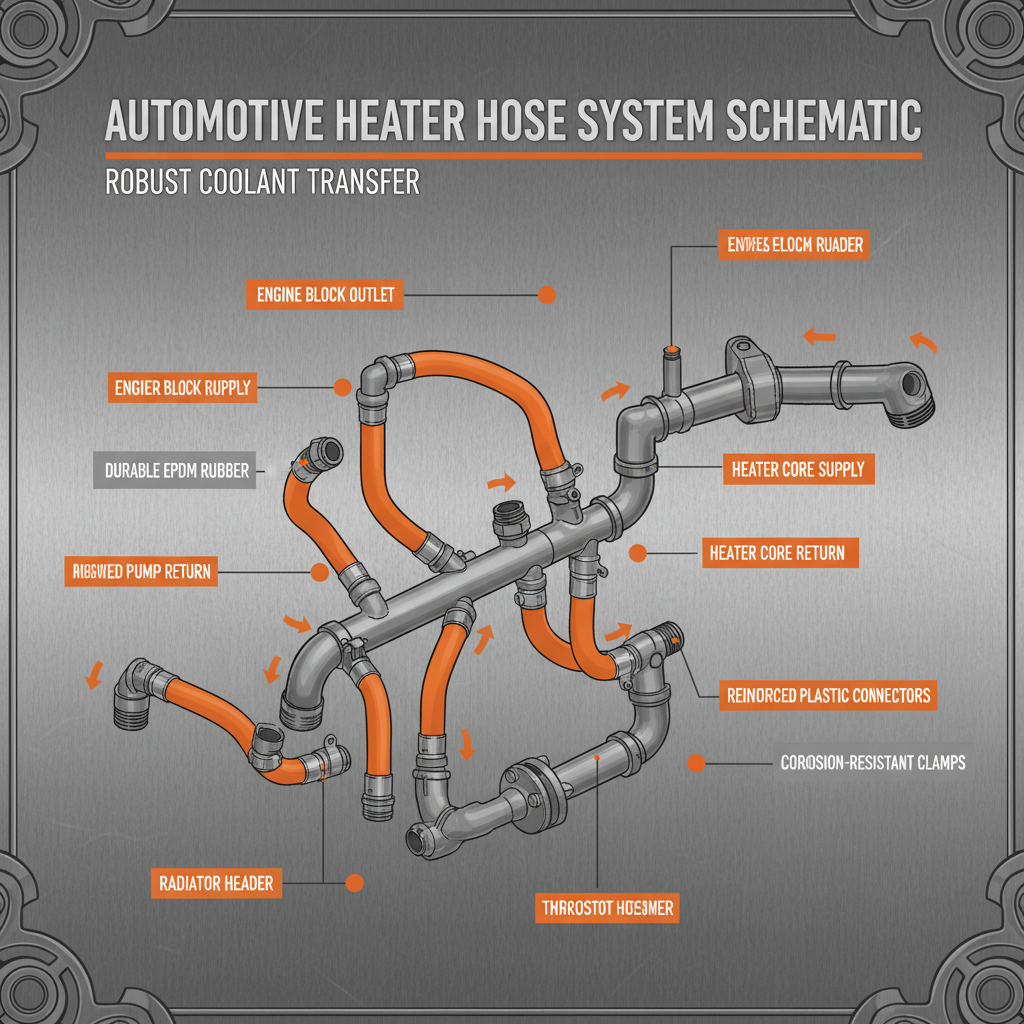
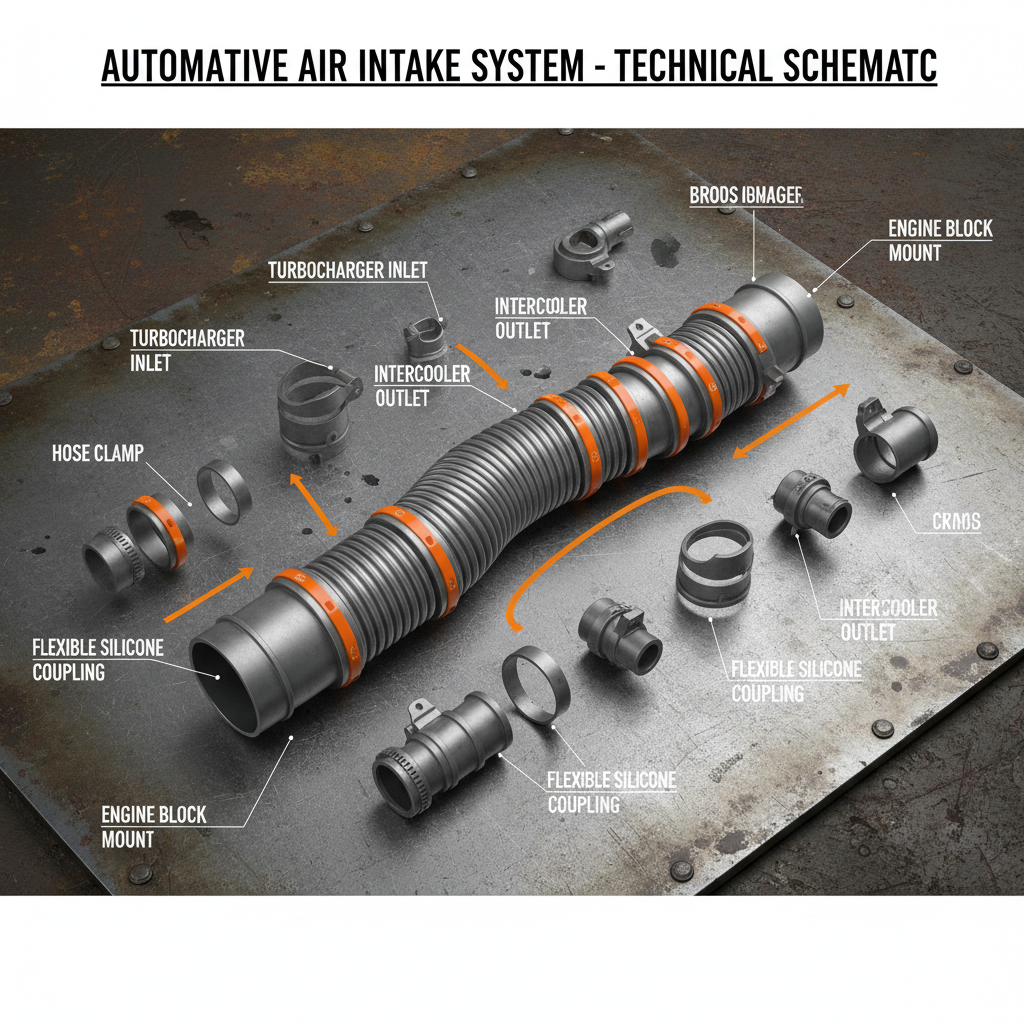
Silicone hoses are ubiquitous in the automotive industry, serving as coolant hoses, turbocharger hoses, and heater hoses due to their ability to withstand high temperatures and resist degradation from engine fluids. In the aerospace sector, they’re used in critical applications like fuel lines and hydraulic systems, where reliability is paramount.
The pharmaceutical and food processing industries rely heavily on silicone hoses for transferring sterile fluids and sensitive ingredients. Their inertness prevents contamination and ensures product purity. In post-disaster relief operations, flexible silicone hoses are used for portable water delivery and sanitation systems.
Advantages and Long-Term Value
The primary advantage of silicone hoses lies in their exceptional durability. They exhibit a significantly longer lifespan compared to traditional rubber hoses, reducing replacement costs and minimizing downtime. Their resistance to temperature extremes and chemical degradation contributes to long-term operational reliability.
The inherent safety features of silicone hoses – their non-toxicity, resistance to cracking, and ability to maintain flexibility over time – enhance workplace safety and reduce the risk of leaks or failures. Furthermore, their relatively low maintenance requirements contribute to overall cost savings and improved sustainability.
Future Trends and Innovations
Ongoing research and development efforts are focused on enhancing the properties of silicone elastomers, including improved tear strength, abrasion resistance, and chemical compatibility. The integration of smart sensors into silicone hoses is emerging, enabling real-time monitoring of pressure, temperature, and flow rate.
Sustainable manufacturing practices are gaining prominence, with a growing emphasis on using bio-based silicone precursors and reducing waste during the manufacturing process. Automation and advanced process control systems are also being implemented to improve efficiency and consistency in silicone hose production.
Digital transformation is reshaping the industry, with companies leveraging data analytics and machine learning to optimize production processes and predict potential failures, contributing to increased efficiency and product quality in the silicone hose manufacturing process.
FAQS
Silicone hoses offer superior heat resistance, chemical inertness, and flexibility compared to rubber hoses. They also have a longer lifespan and require less maintenance. This makes them ideal for demanding applications where reliability and safety are critical. Silicone doesn't degrade like rubber, resisting cracking and maintaining performance over extended periods.
Reinforcement materials, like braided textiles or spiral wire, significantly enhance a silicone hose's ability to withstand pressure and prevent collapse. The type and density of the reinforcement dictate the hose's maximum operating pressure and burst strength. Proper reinforcement selection is essential for applications involving high pressures or vacuum conditions.
Crucial quality control measures include rigorous material testing, dimensional inspections, pressure testing, and leak detection. Ensuring the silicone compound meets specifications, verifying hose dimensions, and validating performance under simulated operating conditions are essential to guarantee product reliability. Visual inspections for defects are also vital.
Silicone hoses generally exhibit excellent chemical resistance, but the specific compatibility depends on the chemical in question. It’s crucial to consult a chemical compatibility chart to ensure the silicone compound is suitable for the intended application. Some aggressive chemicals may cause swelling or degradation over time, compromising hose integrity.
A well-maintained silicone hose can last for several years, often exceeding the lifespan of rubber hoses. The actual lifespan depends on the application, operating conditions, and exposure to environmental factors. Regular inspections for wear and tear are essential to identify potential issues before they lead to failure.
Complex shapes and custom designs are typically achieved through molding processes, such as compression molding or injection molding. These processes allow for precise control over the hose's geometry and the incorporation of intricate features. Computer-aided design (CAD) and computer-aided manufacturing (CAM) technologies are often used to create custom molds.
Conclusion
In conclusion, the silicone hose manufacturing process is a complex yet vital operation underpinning numerous industries. From its emphasis on precise material compounding and shaping techniques to rigorous quality control measures, the process ensures the delivery of reliable, high-performance hoses capable of withstanding challenging environments. Understanding the nuances of this process is key to optimizing performance, reducing costs, and ensuring safety.
Looking ahead, continued innovation in materials science, automation, and sustainable manufacturing practices will further enhance the capabilities and value of silicone hoses. By embracing these advancements, manufacturers can deliver solutions that meet the evolving needs of industries worldwide. For more information about advanced manufacturing techniques, visit our website at silicone hose manufacturing process.