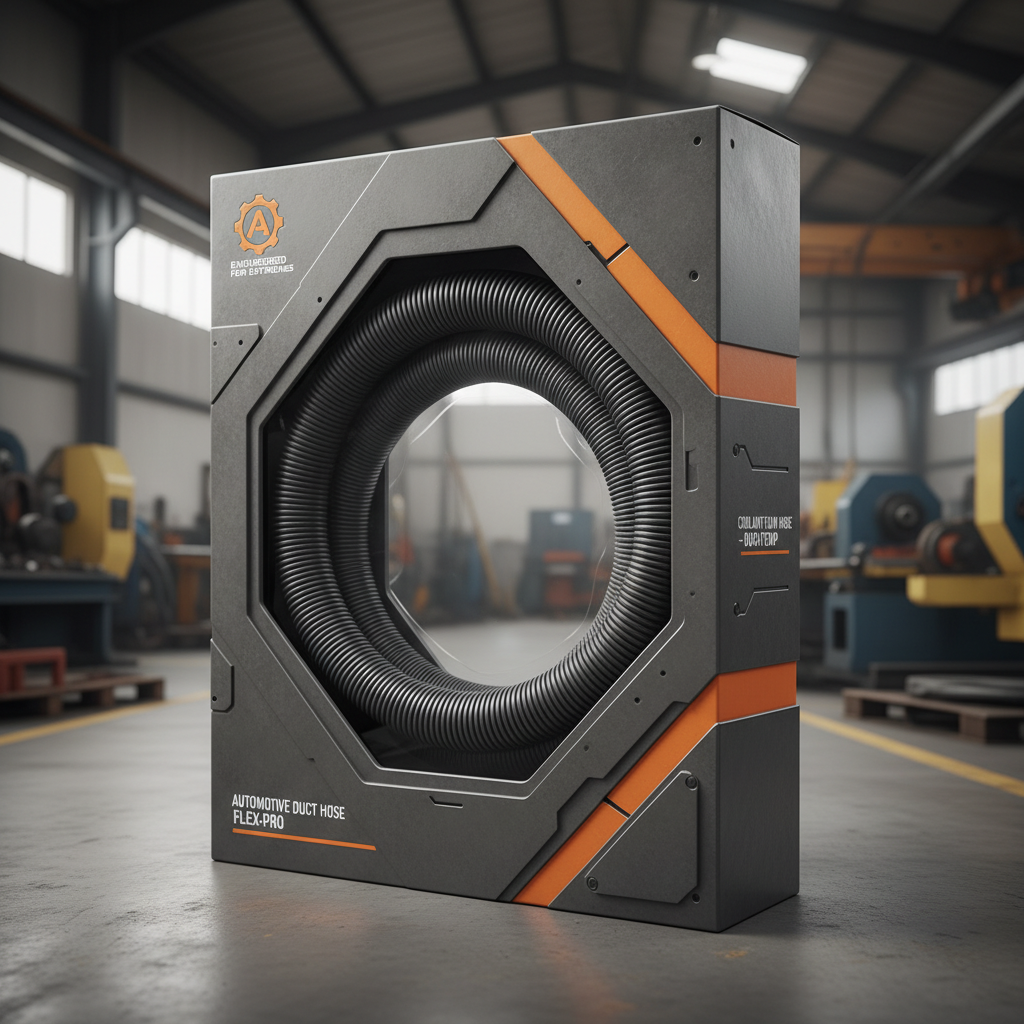
Automotive duct hose plays a crucial role in modern vehicle functionality, providing a flexible and reliable pathway for air intake, exhaust, and ventilation systems. Its importance extends beyond passenger comfort, impacting engine performance, emissions control, and overall vehicle safety. Understanding the characteristics and applications of automotive duct hose is paramount for automotive engineers, manufacturers, and aftermarket service providers alike. The demand for high-quality, durable, and specialized automotive duct hose is continuously growing, driven by increasingly stringent emission regulations and advancements in engine technology.
Globally, the automotive industry is a significant economic driver, and the demand for components like automotive duct hose directly correlates with vehicle production and sales. The United Nations reports over 77 million vehicles were produced in 2023, highlighting the massive scale of the industry and subsequent need for supporting components. Increasing vehicle ownership in emerging markets, coupled with the shift towards electric and hybrid vehicles requiring specialized thermal management systems, are key trends influencing the demand for advanced duct hose solutions.
A pressing challenge facing the automotive industry is the need for materials that can withstand extreme temperatures, corrosive fluids, and constant vibration. Traditional rubber hoses often degrade under these conditions, leading to leaks, reduced performance, and costly repairs. Innovative duct hose materials and designs are therefore essential to ensure long-term reliability and minimize environmental impact.
The Significance of Automotive Duct Hose
The automotive industry relies heavily on the precise and efficient transfer of air and fluids, a task expertly handled by automotive duct hose. These components aren’t merely conduits; they are integral to the operational integrity of various vehicle systems. Without robust and reliable duct hose, engine performance would be compromised, emissions would increase, and safety would be jeopardized.
The ongoing pursuit of fuel efficiency and reduced emissions has driven a demand for increasingly sophisticated duct hose materials and designs. These advancements aim to minimize pressure drop, resist chemical degradation, and withstand extreme temperatures, ultimately contributing to a cleaner and more sustainable automotive future. Specialized applications such as turbocharger intake and intercooler hoses require particularly high-performance materials to manage elevated temperatures and pressures.
Defining Automotive Duct Hose
Automotive duct hose is a flexible, typically reinforced, tubing used to convey air or fluids within a vehicle. Unlike rigid piping, duct hose is designed to withstand the vibrations, movements, and temperature fluctuations inherent in the automotive environment. It’s commonly used for intake systems, cooling systems, turbocharger connections, ventilation, and exhaust gas recirculation (EGR).
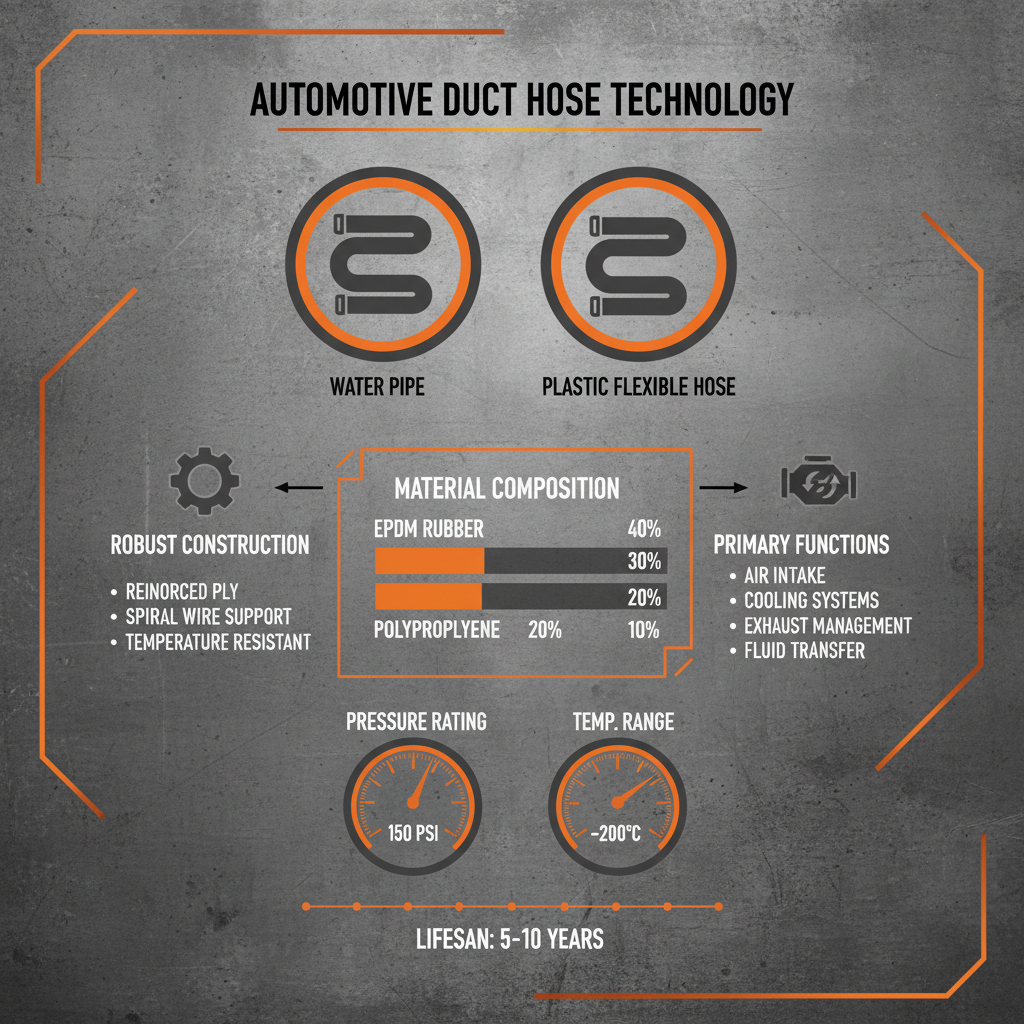
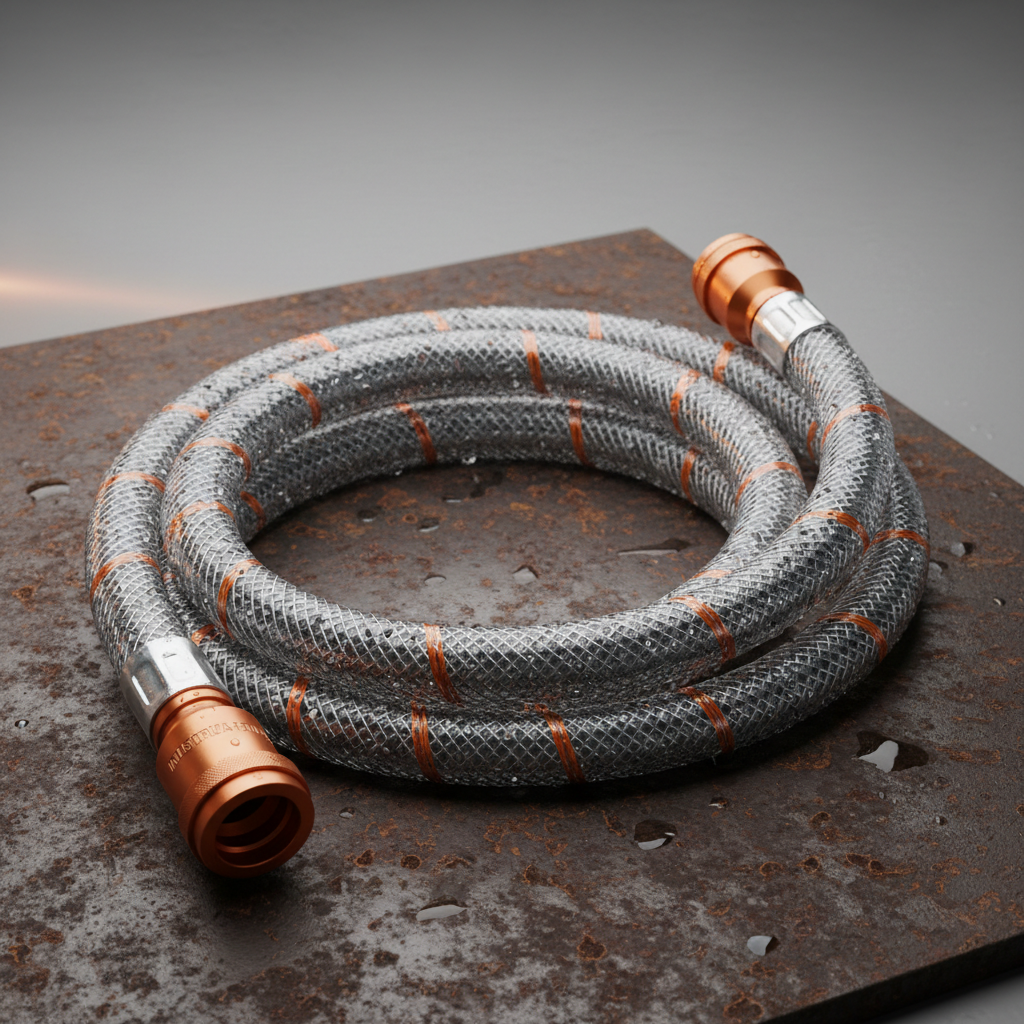
The composition of automotive duct hose varies widely depending on the application. Materials range from reinforced rubber (EPDM, Neoprene) to engineered plastics like silicone and fluoropolymers. The reinforcement layer, often consisting of textile or wire braiding, provides strength and prevents collapse under vacuum or pressure. Modern duct hose designs often incorporate multiple layers to optimize performance and durability.
Its connection to modern industry isn’t solely functional; it represents a critical component in achieving emissions standards and fuel economy goals. Innovations in duct hose materials directly contribute to the development of more efficient and environmentally friendly vehicles, playing a role in the global effort to reduce greenhouse gas emissions.
Core Components of Automotive Duct Hose
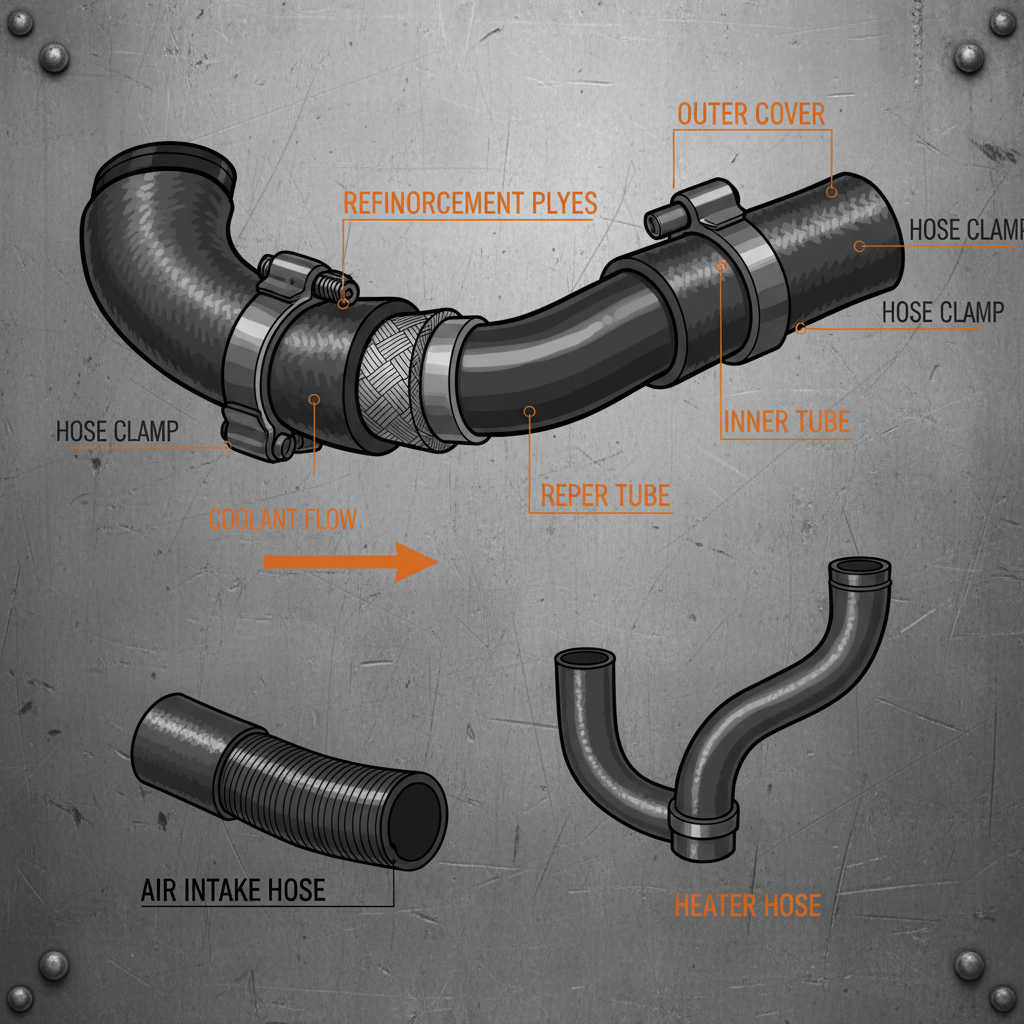
Automotive duct hose is built from several key components working in harmony to ensure reliable performance. The inner liner, typically made of EPDM rubber or silicone, provides resistance to fluids and chemicals. The reinforcement layer, often a braided polyester or nylon mesh, imparts strength and prevents hose collapse.
The outer cover protects the reinforcement layer from abrasion, UV exposure, and oil contamination. This cover material is often formulated to withstand harsh under-hood environments. Finally, the fittings – typically clamps or molded connections – ensure a secure and leak-proof connection to other vehicle components. Selecting the correct material combination for each component is crucial to optimize performance for the specific application.
Beyond these core components, specialized duct hose designs may incorporate additional features such as embedded sensors for monitoring pressure or temperature, or anti-static coatings to prevent static electricity buildup. These features enhance functionality and contribute to improved vehicle safety and performance. The increasing demand for lightweight materials is also driving innovation in reinforcement technologies, with carbon fiber and aramid fibers gaining traction.
Key Performance Characteristics
Several key characteristics define the quality and suitability of automotive duct hose for specific applications. Temperature resistance is paramount, as hoses are often exposed to extreme heat from the engine or exhaust system. Pressure resistance is also critical, particularly in turbocharger and intercooler applications.
Chemical resistance is another crucial factor, as hoses must withstand exposure to fuels, oils, coolants, and other automotive fluids. Flexibility is important for ease of installation and to accommodate engine movements. Durability, encompassing resistance to abrasion, ozone cracking, and weathering, ensures a long service life.
Performance Ratings of Different Automotive Duct Hose Types
Global Applications and Industries Served
Automotive duct hose finds widespread application across all segments of the automotive industry, from passenger vehicles and commercial trucks to motorcycles and off-road equipment. Specific applications include air intake systems, turbocharger connections, intercooler hoses, radiator hoses, heater hoses, and exhaust gas recirculation (EGR) systems.
Beyond the automotive sector, duct hose technology is also utilized in related industries such as aerospace, marine, and industrial manufacturing. These industries often require similar levels of performance, durability, and resistance to harsh environments. The automotive industry’s innovations in duct hose materials and designs often benefit these other sectors as well.
Advantages and Long-Term Value Proposition
Utilizing high-quality automotive duct hose offers numerous advantages, including improved engine performance, reduced emissions, enhanced fuel efficiency, and increased vehicle reliability. Durable duct hose minimizes the risk of leaks and failures, reducing the need for costly repairs and downtime.
The long-term value proposition extends beyond immediate cost savings. Investing in premium duct hose contributes to a more sustainable automotive future by reducing environmental impact and extending vehicle lifespan. It also enhances driver safety and peace of mind, fostering trust in the vehicle's performance and reliability.
From a manufacturer’s perspective, adopting advanced duct hose solutions streamlines production processes, reduces warranty claims, and enhances brand reputation. The ability to meet increasingly stringent emissions standards and fuel economy regulations is a significant competitive advantage.
Future Trends and Innovations in Duct Hose Technology
The future of automotive duct hose is being shaped by several key trends, including the rise of electric vehicles (EVs), the growing demand for lightweight materials, and the increasing focus on sustainability. EVs require specialized thermal management systems to regulate battery temperature, creating a demand for high-performance duct hose capable of handling coolants and refrigerants.
Research and development efforts are focused on developing new materials with enhanced temperature resistance, chemical compatibility, and durability. Nanotechnology is being explored to create duct hose with improved barrier properties and reduced permeability. Furthermore, digital manufacturing techniques, such as 3D printing, are enabling the creation of customized duct hose designs tailored to specific vehicle applications.
The integration of sensors and smart technologies into duct hose is another emerging trend. These sensors can monitor pressure, temperature, and fluid flow, providing valuable data for optimizing vehicle performance and predicting maintenance needs. This data-driven approach enhances reliability and reduces the risk of unexpected failures.
FAQS
EPDM rubber is a cost-effective choice for general-purpose applications, offering good resistance to weathering and ozone. Silicone, on the other hand, provides superior temperature resistance (both high and low), excellent chemical compatibility, and greater flexibility. Silicone is often preferred for critical applications like turbocharger connections where extreme temperatures are present, despite its higher cost.
Regular inspection is key. Inspect hoses annually, or more frequently if operating in harsh conditions. Look for cracks, swelling, brittleness, or leaks. Replace hoses immediately if any damage is detected. Preventative replacement based on mileage or time (e.g., every 5 years) is also a good practice, especially for critical components like radiator and turbocharger hoses.
Temporary repairs using tape or sealant are not recommended, as they are unlikely to withstand the pressures and temperatures involved. For minor damage, a professional hose repair kit might be suitable. However, for significant cracks, swelling, or deterioration, complete hose replacement is always the safest and most reliable solution.
Reinforcement layers (typically braided textile or wire) prevent the hose from collapsing under vacuum or pressure. This ensures consistent airflow or fluid transfer, maintaining optimal engine performance and preventing potential failures. Reinforced hoses also exhibit greater durability and resistance to bursting.
Material choice significantly impacts lifespan. Silicone hoses typically last longer than rubber hoses due to their superior resistance to degradation. Fluoropolymers offer even greater longevity but come at a higher cost. Proper maintenance and operating conditions also play a critical role in maximizing hose lifespan.
Yes, manufacturers are increasingly exploring sustainable materials, including bio-based polymers and recycled rubber. These alternatives aim to reduce the environmental impact of duct hose production and disposal. While performance characteristics may vary, these eco-friendly options are becoming more viable as technology advances.
Conclusion
Automotive duct hose is far more than a simple component; it’s a critical enabler of vehicle performance, safety, and sustainability. Its evolution has been driven by the demands of a constantly changing automotive landscape, with innovations in materials and design consistently pushing the boundaries of what’s possible. Understanding the core characteristics, applications, and future trends of automotive duct hose is essential for professionals throughout the automotive industry.
Investing in high-quality duct hose isn't simply about replacing a worn-out part – it's about ensuring the longevity, reliability, and environmental responsibility of the vehicles we rely on. As the automotive industry continues to innovate, advancements in duct hose technology will undoubtedly play a pivotal role in shaping the future of mobility. For all your automotive duct hose needs, explore our comprehensive range of products and solutions.