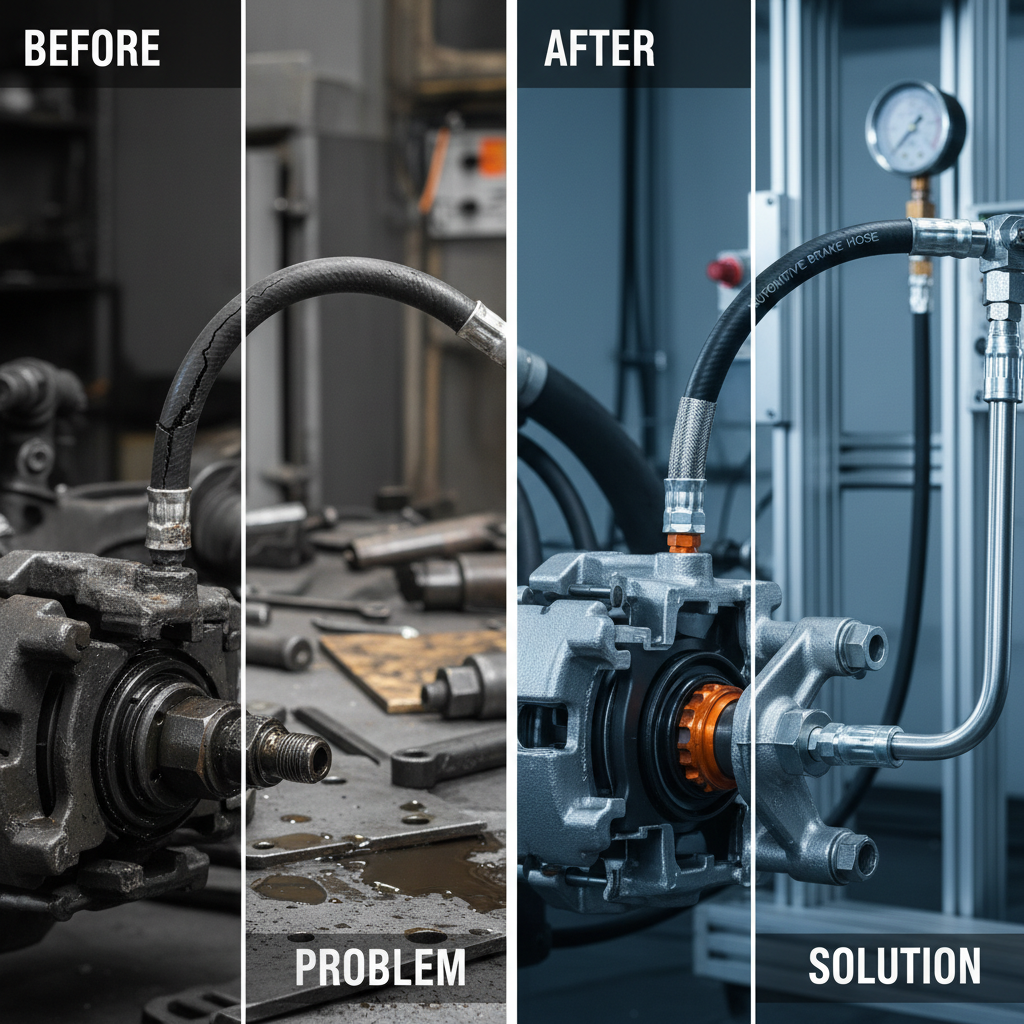
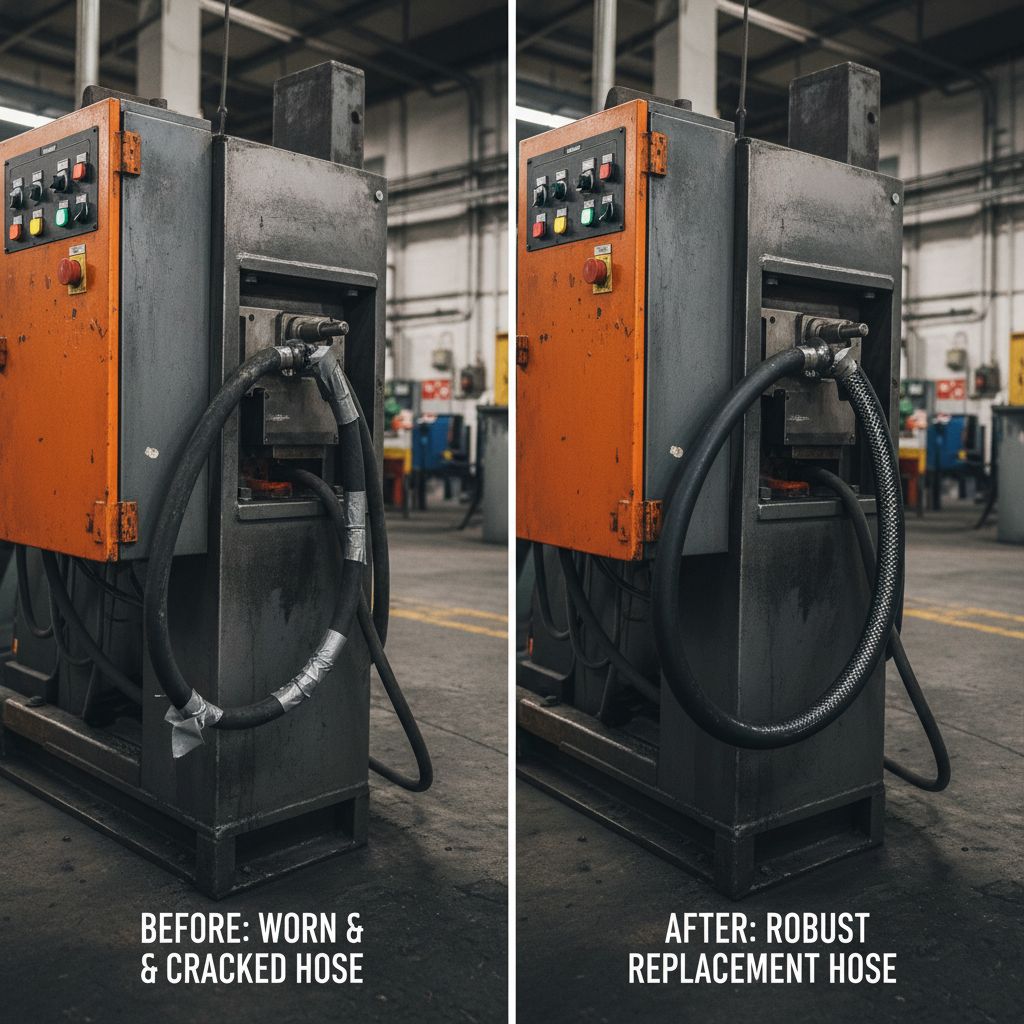
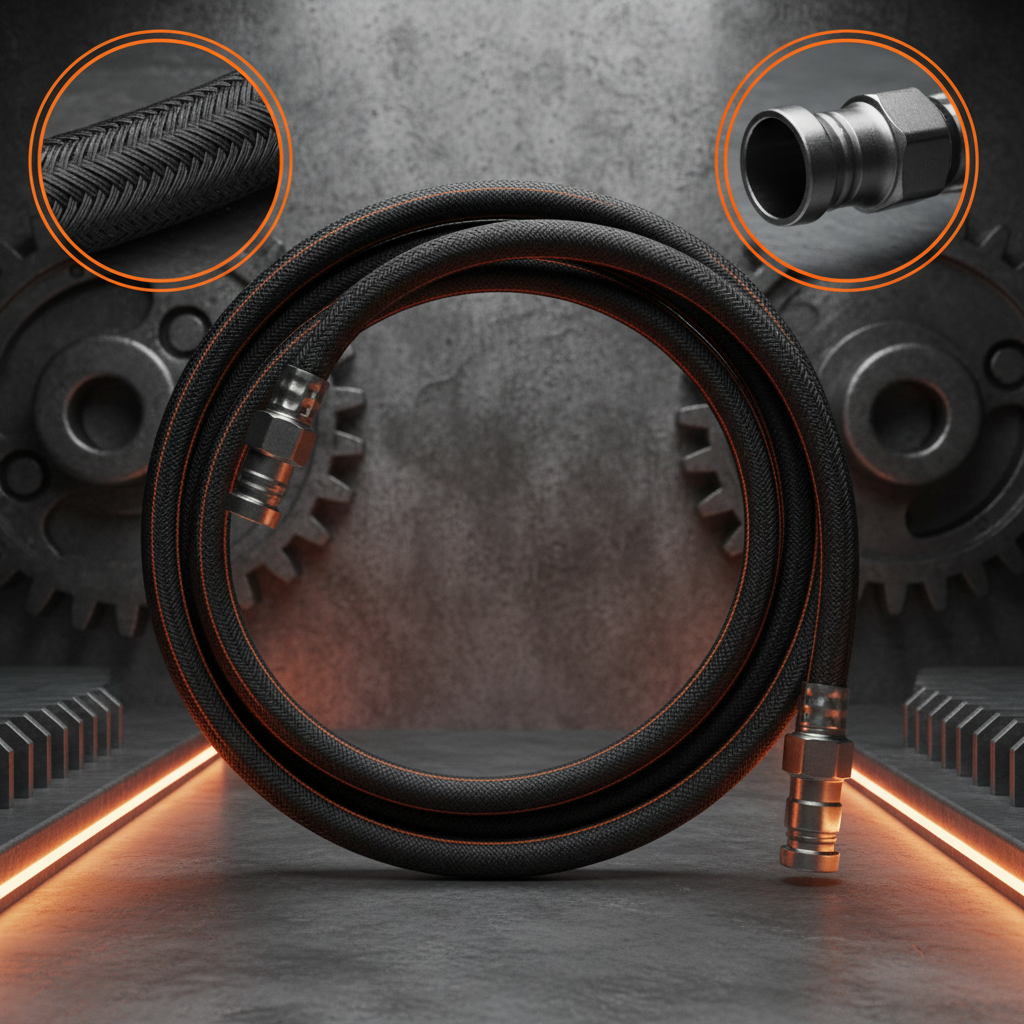
Automotive brake hose are a critical component of vehicle safety systems, responsible for transmitting hydraulic pressure from the master cylinder to the brake calipers or wheel cylinders, enabling drivers to safely decelerate or stop their vehicles. The reliability and performance of these hoses directly impact the ability to control a vehicle, making them a subject of paramount importance to automotive engineers, manufacturers, and consumers alike. Understanding the materials, construction, and testing procedures involved in automotive brake hose production is crucial for ensuring optimal braking performance and passenger safety.
The global automotive industry is a massive and complex network, demanding consistently high standards for all its components. With increasing vehicle production worldwide, particularly in emerging markets like China and India, the demand for high-quality automotive brake hose continues to grow. Regulations like those set by the SAE International (Society of Automotive Engineers) and ISO (International Organization for Standardization) dictate stringent performance and safety criteria, driving innovation and advanced manufacturing processes within the industry.
The increasing focus on vehicle safety, coupled with advancements in braking technology – such as anti-lock braking systems (ABS) and electronic stability control (ESC) – is pushing the boundaries of automotive brake hose design. Materials science is playing a key role, with the development of new compounds that can withstand higher pressures, extreme temperatures, and corrosive environments, ultimately enhancing the reliability and lifespan of these essential components. You can find more information about specialized brake hose options at automotive brake hose.
Introduction to Automotive Brake Hose
Automotive brake hose are the flexible conduits that carry brake fluid, under significant pressure, from the master cylinder to the brake calipers at each wheel. They are vital for ensuring effective braking, as any failure or degradation in the hose can lead to reduced braking performance or even complete brake failure. Maintaining the integrity of these hoses is, therefore, paramount for vehicle safety.
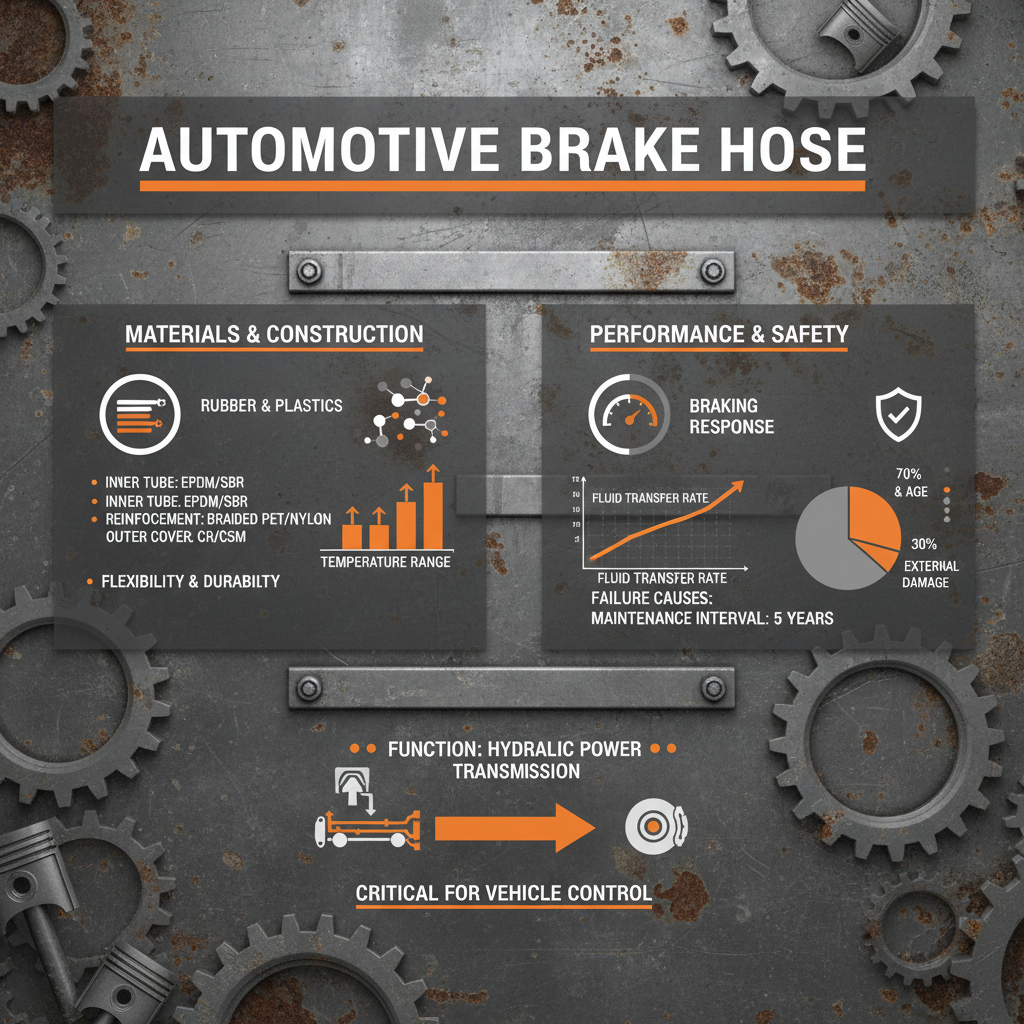
Modern automotive brake hose are typically constructed from a combination of materials designed to provide flexibility, durability, and resistance to corrosion and temperature extremes. The construction commonly includes an inner tube made of synthetic rubber, a reinforcement layer of braided fibers or steel wire, and an outer protective covering. Selecting the correct type of automotive brake hose is crucial for the vehicle’s specific application and operating conditions.
Global Relevance and Industry Context
The automotive industry is a global economic powerhouse, accounting for approximately 4% of global GDP, according to data from the World Bank. This translates into a massive demand for components like automotive brake hose. Vehicle production is heavily concentrated in countries like China, the United States, Japan, Germany, and India, all of which have substantial automotive brake hose manufacturing industries.
A significant challenge facing the industry is ensuring the consistent quality and reliability of automotive brake hose across diverse manufacturing locations. Variations in material sourcing, manufacturing processes, and quality control standards can lead to inconsistencies in product performance. Furthermore, stringent safety regulations, like those set by the UNECE (United Nations Economic Commission for Europe), are continuously evolving, requiring manufacturers to invest in research and development to meet the latest requirements.
The increasing adoption of electric vehicles (EVs) and hybrid vehicles presents both challenges and opportunities for automotive brake hose manufacturers. While EVs often utilize regenerative braking systems, reducing the reliance on traditional friction brakes, they still require hydraulic braking systems for emergency stops and as a backup. This necessitates the development of brake hose specifically designed to withstand the unique demands of EV braking systems, including compatibility with specialized brake fluids.
Defining Automotive Brake Hose
An automotive brake hose is a reinforced rubber or polymer tube designed to safely transmit hydraulic pressure generated by the brake master cylinder to the braking mechanisms at the wheels of a vehicle. It's a critical part of the brake system, enabling drivers to effectively slow down or stop their vehicles. Unlike rigid metal brake lines, brake hoses provide the necessary flexibility to accommodate suspension movement and engine vibrations.
The connection of automotive brake hose to modern industry goes beyond simple vehicle operation. These hoses play a role in the broader supply chain, driving innovation in materials science, manufacturing techniques, and quality control procedures. Furthermore, the standards governing automotive brake hose often serve as benchmarks for other hydraulic systems in various industries.
The importance extends to humanitarian needs too. Ensuring that vehicles used in emergency response situations – ambulances, fire trucks, and aid vehicles – are equipped with reliable automotive brake hose is critical for the safety of first responders and those they are assisting. High-quality brake hoses translate directly to lives saved.
Key Factors in Automotive Brake Hose Design
Several critical factors dictate the performance and reliability of automotive brake hose. One of the most important is Durability. Brake hoses are exposed to harsh conditions – extreme temperatures, road salt, oil, and physical abrasion – and must withstand these elements without cracking, leaking, or degrading. Selecting appropriate materials and reinforcement layers is paramount for ensuring long-term durability.
Another key consideration is Pressure Resistance. Brake systems operate at significant hydraulic pressures, and the hose must be capable of containing these pressures without bursting or deforming. The reinforcement layer plays a vital role in providing the necessary strength to withstand these forces. Advanced materials are constantly being researched to increase pressure resistance.
Automotive Brake Hose Performance Metrics
Global Applications and Use Cases
Automotive brake hose are universally applied in all types of vehicles, from passenger cars and light trucks to heavy-duty commercial vehicles and motorcycles. Different vehicle types demand specific brake hose designs to match their weight, performance requirements, and operating conditions. For example, high-performance sports cars often utilize stainless steel braided brake hoses for enhanced braking feel and resistance to brake fade.
In remote industrial zones, such as mining operations or construction sites, where vehicles are subjected to extreme conditions and heavy use, the reliability of automotive brake hose is critical for ensuring the safety of workers and equipment. Regular inspection and replacement of brake hoses are essential maintenance procedures in these environments.
Advantages and Long-Term Value
The use of high-quality automotive brake hose translates into tangible benefits for vehicle owners and operators. Reduced maintenance costs are a significant advantage, as durable hoses require less frequent replacement. Improved safety is perhaps the most crucial benefit, as reliable brake hoses contribute to shorter stopping distances and reduced risk of accidents.
From a sustainability perspective, long-lasting automotive brake hose contribute to reducing waste and minimizing the environmental impact of vehicle maintenance. Investing in quality components like brake hoses fosters trust and confidence in the vehicle's overall performance and safety.
Future Trends and Innovations
Several exciting innovations are shaping the future of automotive brake hose technology. The development of advanced materials, such as thermoplastic hoses, offers potential advantages in terms of weight reduction, corrosion resistance, and improved flexibility. These materials are also easier to recycle, contributing to greater sustainability.
The integration of sensors into automotive brake hose is another emerging trend. These sensors can monitor pressure, temperature, and hose condition, providing valuable data for predictive maintenance and early fault detection. This data can be used to optimize braking performance and prevent potential failures.
Digital twin technology, combined with advanced testing and simulation, is also enabling manufacturers to optimize brake hose designs and accelerate product development cycles. This allows for the creation of more reliable and efficient braking systems.
FAQS
The typical lifespan of an automotive brake hose can vary depending on driving conditions, climate, and maintenance practices. Generally, hoses should be inspected regularly, with replacement recommended every 3-5 years or 30,000-50,000 miles. Factors like exposure to salt, extreme temperatures, and abrasions can shorten this lifespan. Early detection of cracks or leaks is vital for ensuring safety.
Visually inspecting your brake hoses involves looking for cracks, bulges, abrasions, or any signs of leakage. Pay close attention to areas where the hose bends or rubs against other components. Also, check the fittings for corrosion or damage. If you notice any issues, it’s crucial to have the hose inspected and replaced by a qualified mechanic.
Stainless steel braided brake hoses offer significant performance advantages, particularly for performance driving. They minimize expansion under pressure, resulting in a firmer pedal feel and more consistent braking. They are also more resistant to degradation than rubber hoses. While more expensive upfront, they can improve braking performance and longevity.
The compatibility of brake fluid and hose material is critical. Most modern automotive brake hoses are compatible with DOT 3, DOT 4, and DOT 5.1 brake fluids. However, DOT 5 silicone-based brake fluid is generally not recommended for use in vehicles with conventional rubber brake hoses, as it can cause swelling and damage. Always check the hose manufacturer’s specifications for compatibility.
Repairing a leaking automotive brake hose is not recommended and is generally considered unsafe. Brake hoses are critical safety components, and any repair attempt could compromise their structural integrity. It is best to replace the entire hose with a new one. Always consult a qualified mechanic for brake system repairs.
The manufacture and testing of automotive brake hose are governed by several international standards, including those set by the SAE International (J1064), FMVSS 105 (Federal Motor Vehicle Safety Standards), and the UNECE (United Nations Economic Commission for Europe). These standards specify requirements for material properties, pressure testing, burst strength, and durability. Compliance with these regulations is essential for ensuring brake hose safety and performance.
Conclusion
In conclusion, automotive brake hose are essential components that underpin vehicle safety and reliable operation. Their design, materials, and manufacturing processes are continually evolving to meet the demands of modern vehicles and increasingly stringent safety regulations. Understanding the key factors influencing brake hose performance – durability, pressure resistance, and compatibility – is critical for both manufacturers and consumers alike.
Investing in high-quality automotive brake hose and adhering to regular inspection and maintenance schedules are vital for ensuring optimal braking performance and preventing potentially dangerous failures. As automotive technology advances, particularly with the rise of electric vehicles, innovation in brake hose materials and design will continue to play a crucial role in shaping the future of vehicle safety. For a wide range of reliable automotive brake hose solutions, visit our website: www.pvcrubberhose.com.