Choosing the Right Air Hose Automotive for Your Needs
Selecting the appropriate air hose automotive is critical for efficiency and safety in automotive repair and maintenance. A high-quality hose ensures consistent air pressure, durability, and resistance to wear and tear. This article provides a comprehensive guide to understanding the different types of automotive air hoses, their applications, and key factors to consider when making a purchase. We'll explore the materials, specifications, and benefits of choosing the right hose for your workshop.
Understanding Automotive Air Hose Types
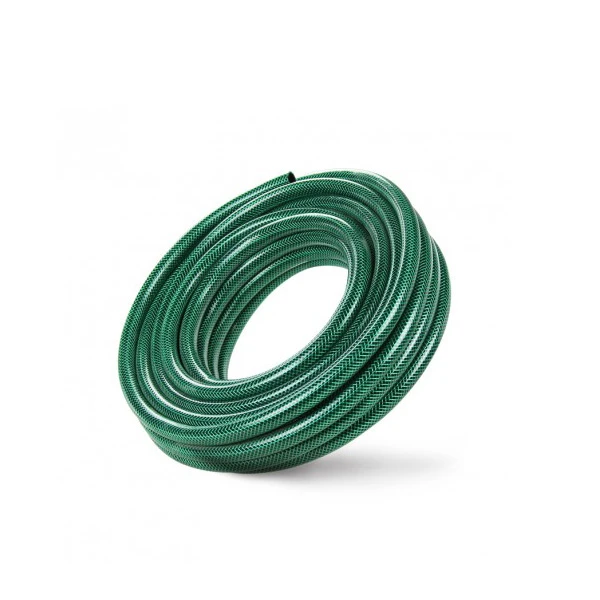
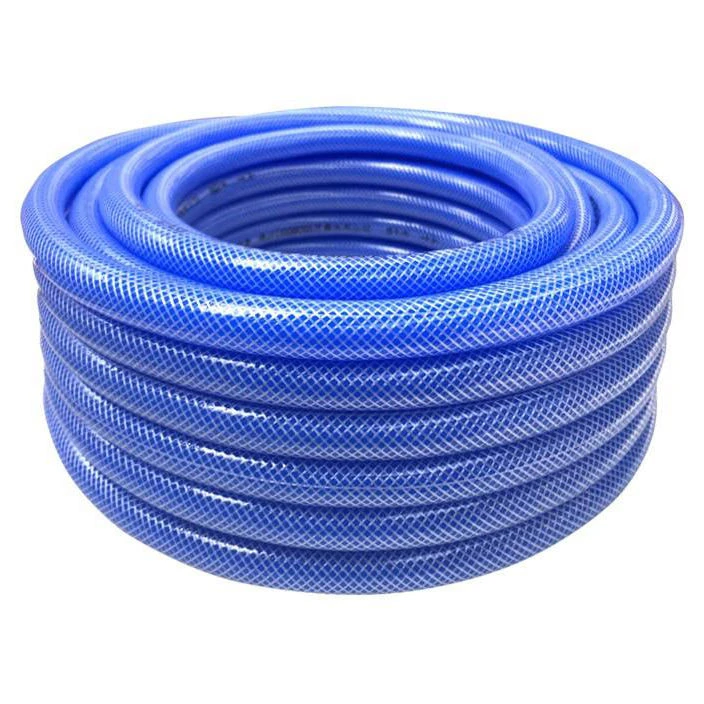
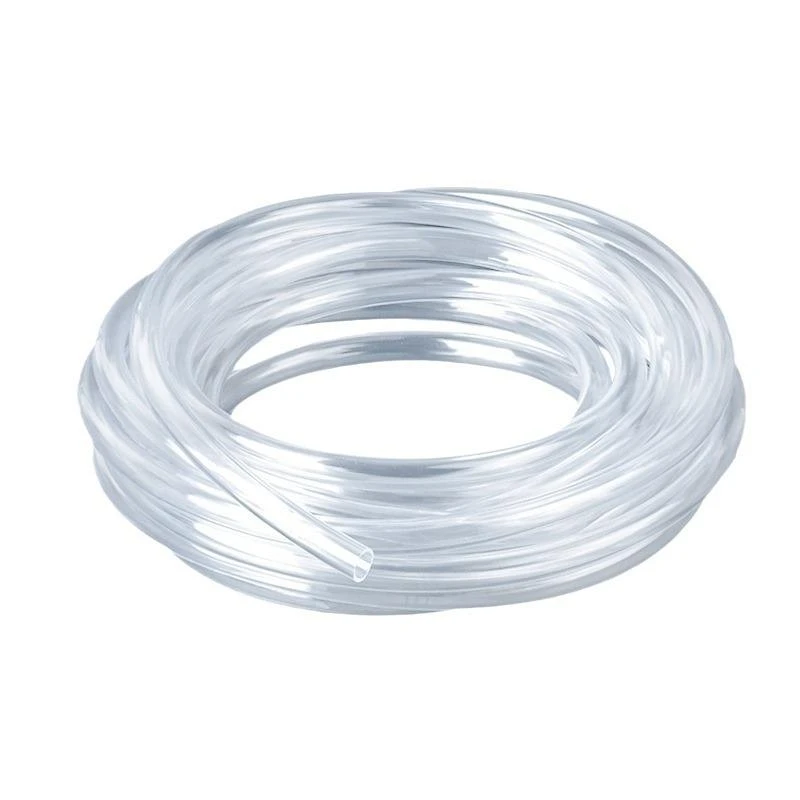
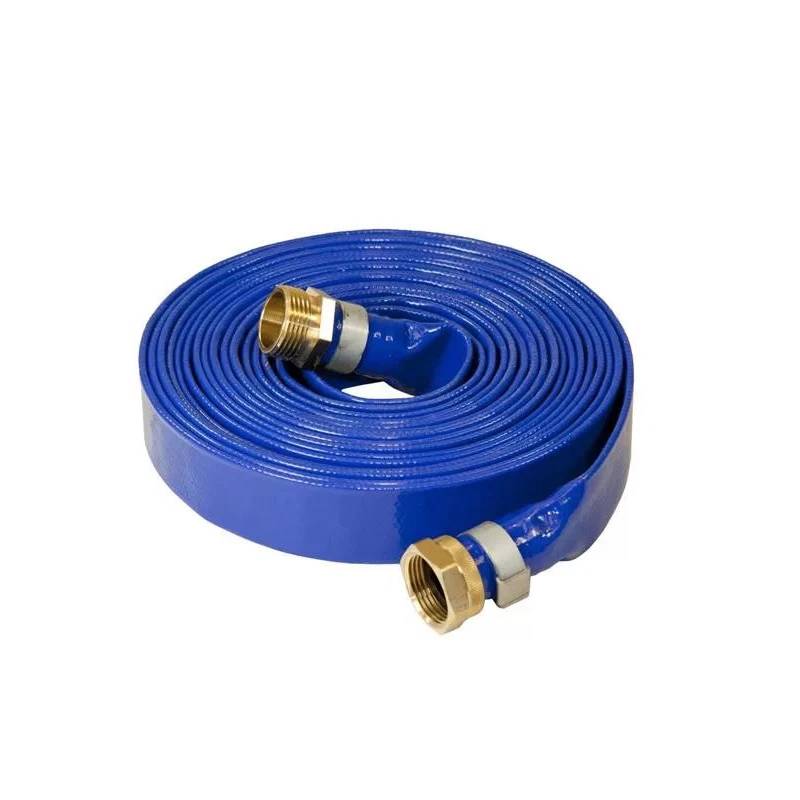
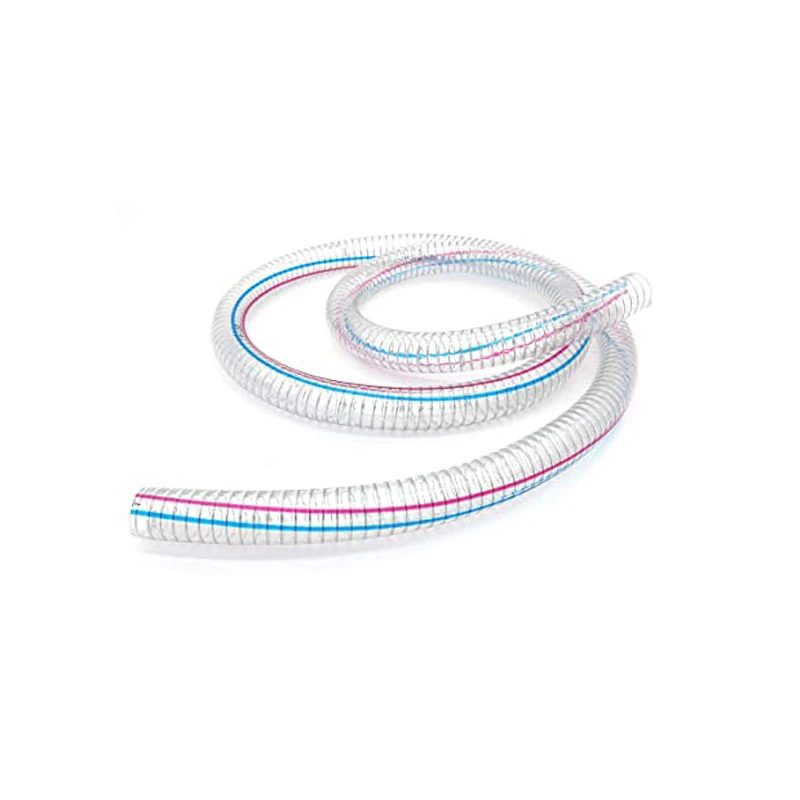
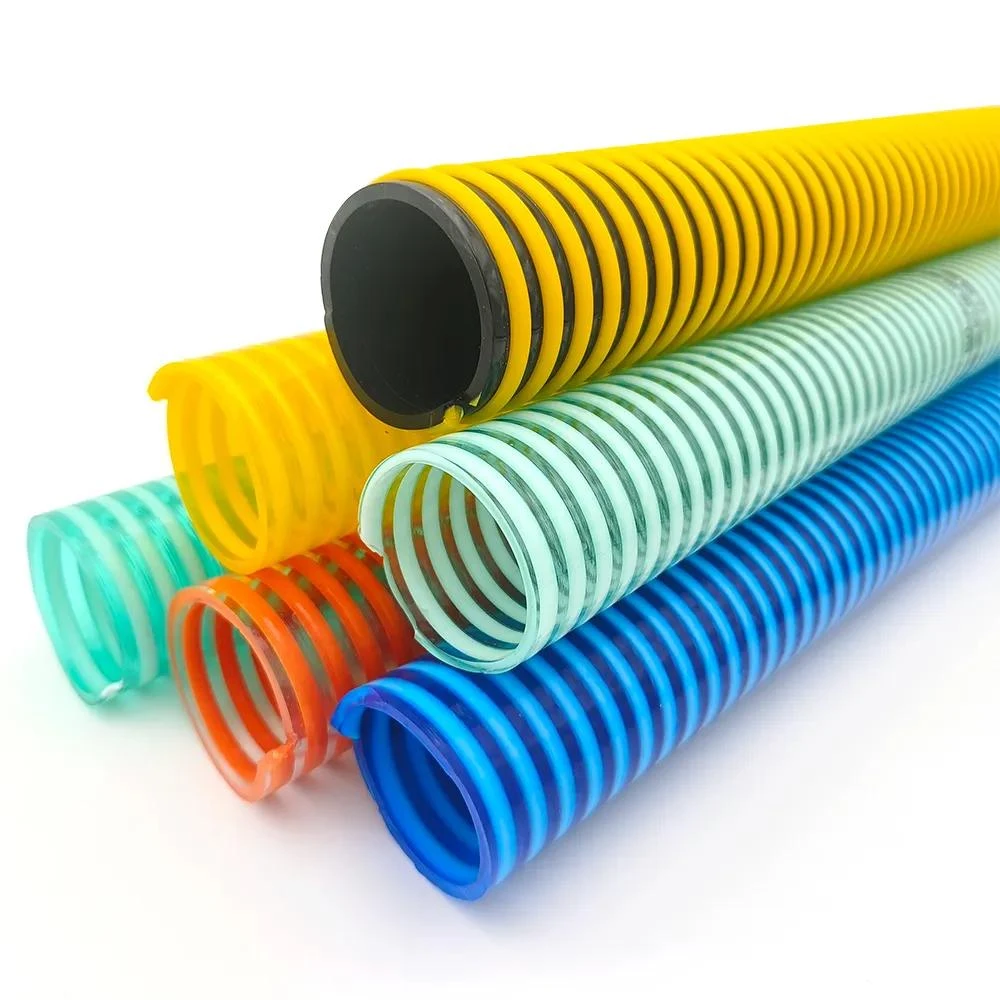
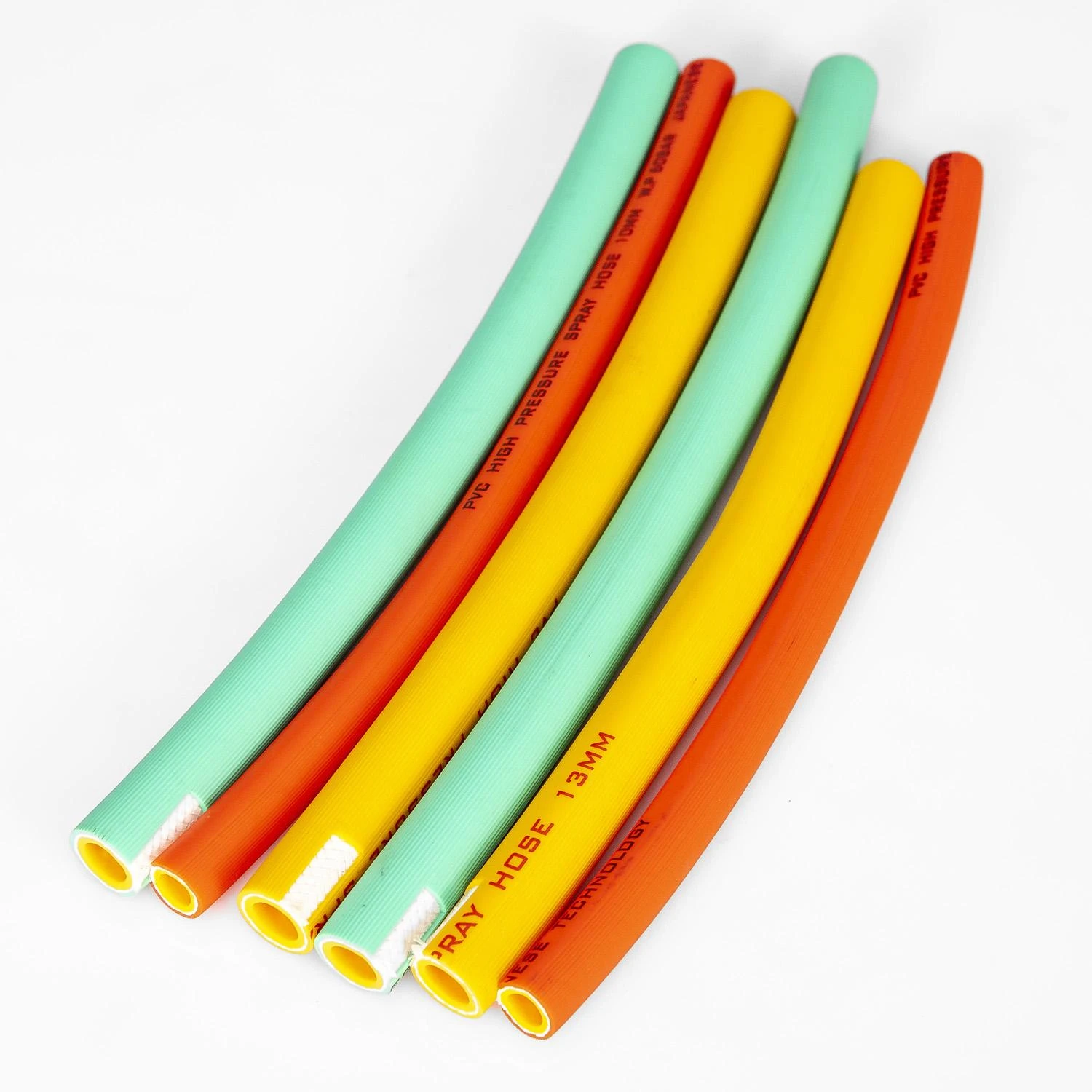
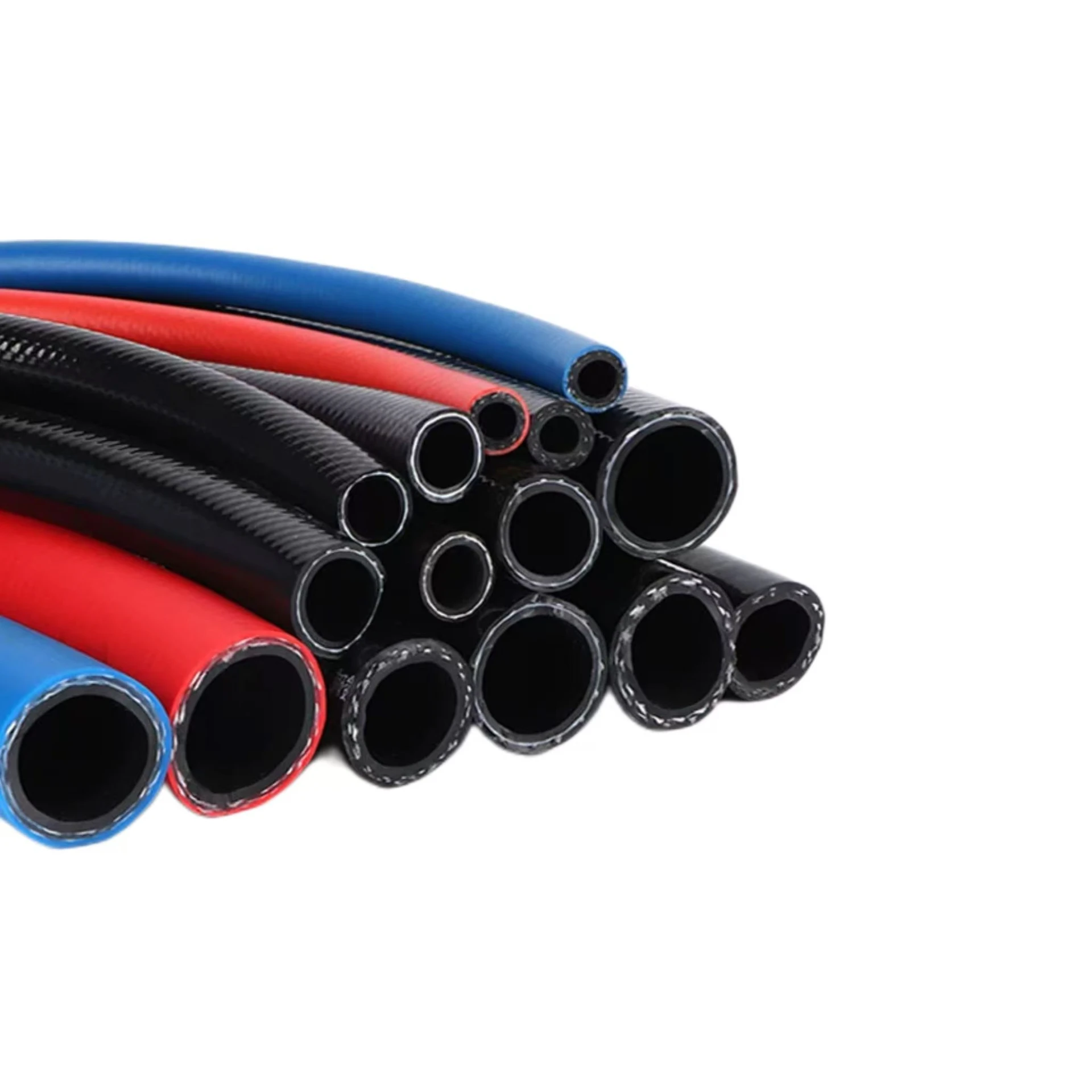
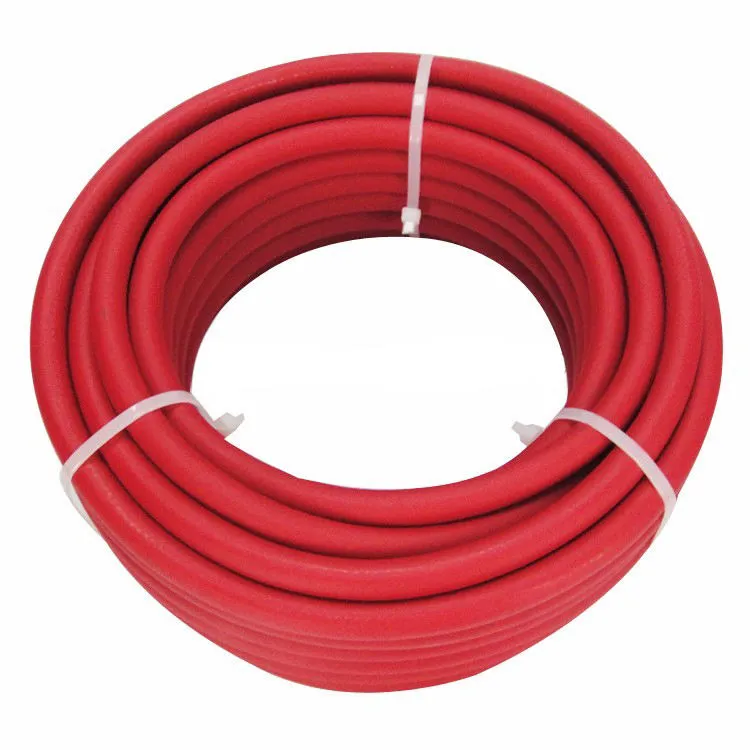
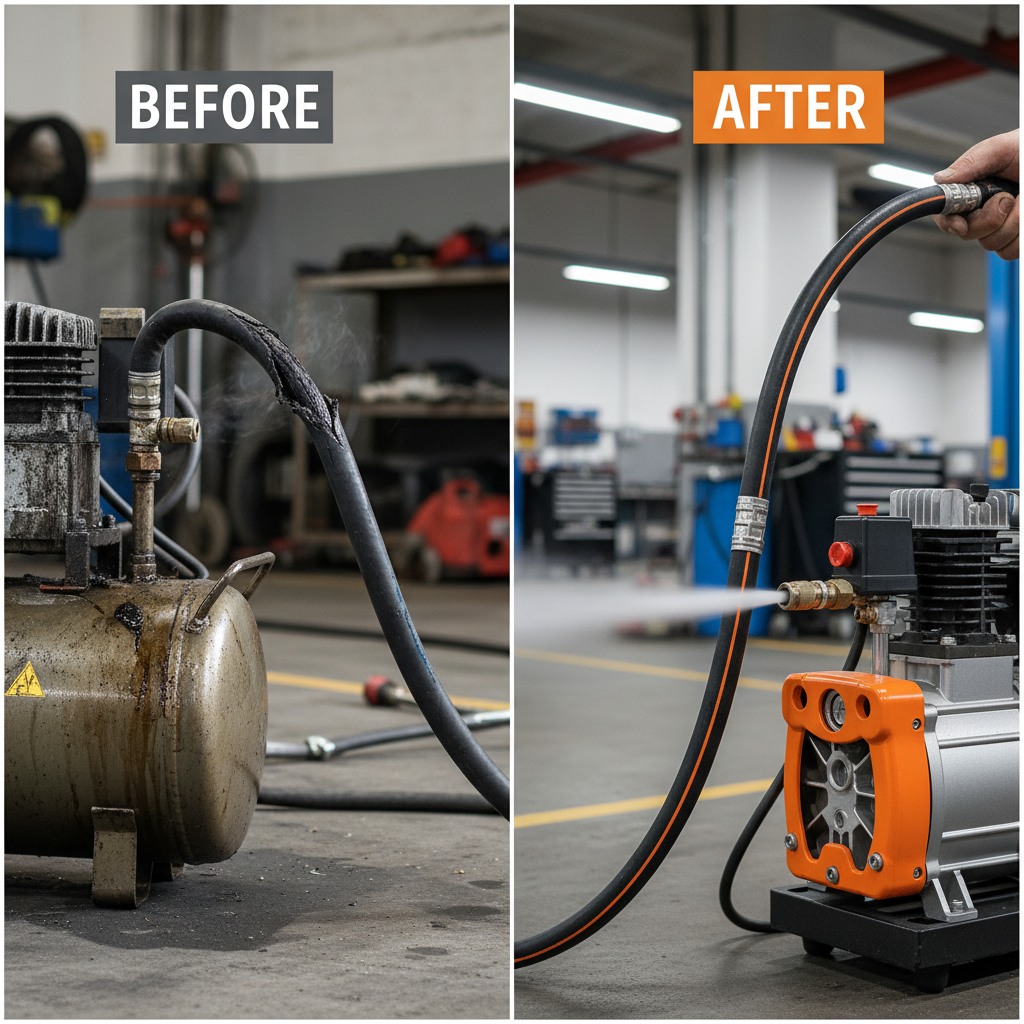
Automotive air hoses come in various types, each suited for specific applications. Rubber air hoses are known for their flexibility and durability, making them ideal for general-purpose use. PVC air hoses offer excellent resistance to chemicals and abrasion, while polyurethane hoses are lightweight and provide superior kink resistance. Reinforced hoses, often featuring a braided construction, deliver higher pressure capabilities and increased longevity. Understanding the differences between these types will help you select the best option for your automotive needs. Choosing the right hose can significantly impact the efficiency and effectiveness of your air tools.
Key Considerations: Flexibility, Durability, Chemical Resistance, Pressure Capacity, Kink Resistance.
Material Comparison: Rubber vs. PVC vs. Polyurethane
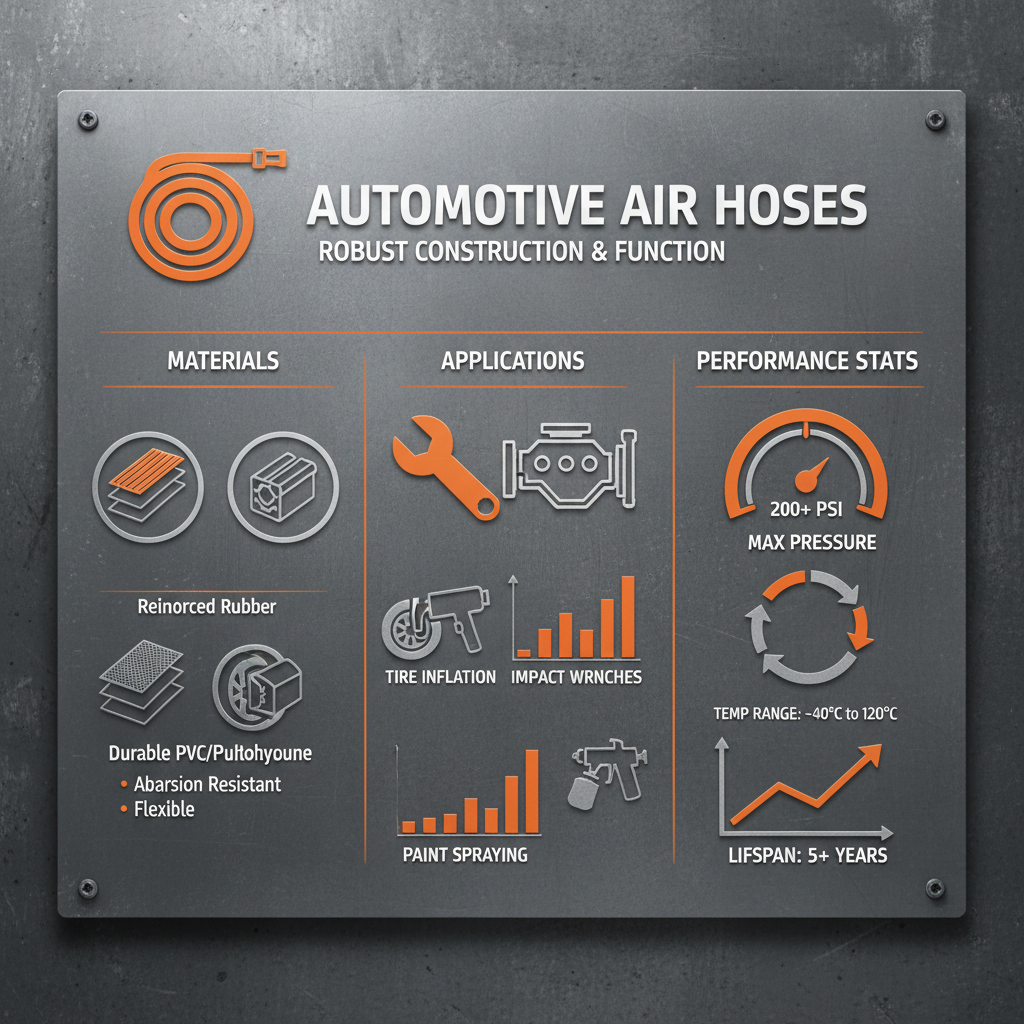
The material of an air hose automotive significantly impacts its performance and lifespan. Rubber hoses offer excellent flexibility and resistance to abrasion, making them suitable for general automotive work. However, they can degrade over time with exposure to oil and certain chemicals. PVC hoses provide superior chemical resistance but may be less flexible in colder temperatures. Polyurethane hoses are lightweight, highly kink-resistant, and offer good abrasion resistance. The best material depends on the specific applications and environmental conditions of your workshop.
Material Benefits:
• Rubber: Excellent Flexibility & Abrasion Resistance
• PVC: Superior Chemical Resistance
• Polyurethane: Lightweight & Kink Resistant
Key Features to Look for in an Air Hose Automotive
When selecting an air hose, several key features should be considered. Burst pressure is a crucial factor, indicating the hose’s ability to withstand high air pressure without rupturing. Kink resistance prevents airflow obstruction and ensures consistent performance. Couplings should be durable and leak-proof to maintain efficient air delivery. A braided construction enhances the hose’s strength and longevity. Consider also the hose's length and diameter to ensure it meets your workshop's requirements.
Choosing the Right Length and Diameter
The length and diameter of your air hose automotive are critical factors. A hose that's too short will restrict your movement and workspace, while one that's too long can be cumbersome and prone to tangling. The diameter affects airflow – a larger diameter provides greater airflow, ideal for power tools, while a smaller diameter is sufficient for smaller tasks. Consider the tools you'll be using and the layout of your workshop when determining the optimal length and diameter.
Maintaining Your Air Hose for Longevity
Proper maintenance can significantly extend the life of your air hose automotive. After each use, drain any remaining air and water to prevent internal corrosion. Regularly inspect the hose for cracks, leaks, or signs of wear. Store the hose in a cool, dry place, away from direct sunlight and extreme temperatures. Avoid dragging the hose across abrasive surfaces, and use a hose reel to prevent kinks and tangles. Following these simple maintenance steps will ensure reliable performance and maximize the lifespan of your investment.
Conclusion: Invest in Quality and Reliability
Choosing the right air hose automotive is a crucial investment for any automotive professional. By considering the material, features, length, and diameter, you can select a hose that delivers optimal performance and durability. Proper maintenance will further ensure its longevity and reliability. Explore the diverse selection of high-quality air hoses available at PVC Rubber Hose to find the perfect solution for your workshop.
Frequently Asked Questions (FAQs)
What is the best air hose material for automotive use?
The "best" material depends on your specific needs. For general automotive work, rubber hoses offer excellent flexibility and durability. If you frequently work with harsh chemicals, a PVC hose is a better choice due to its superior chemical resistance. Polyurethane hoses are ideal if you prioritize lightweight and kink-resistant performance. Ultimately, consider your working environment and the types of tools you'll be using to determine the most suitable material.
How often should I replace my air hose?
The lifespan of an air hose depends on usage and maintenance. As a general guideline, inspect your hose regularly for cracks, leaks, or signs of wear. If you notice any damage, replace the hose immediately. Even without visible damage, it's recommended to replace the hose every 2-3 years, or sooner if it's subjected to heavy use or harsh conditions. Proper storage and maintenance can extend the hose's lifespan.
What does “burst pressure” mean and why is it important?
Burst pressure refers to the maximum air pressure an air hose can withstand before failing. It’s a critical safety specification because exceeding the burst pressure can cause the hose to rupture, potentially causing injury. Always choose a hose with a burst pressure rating that exceeds the maximum pressure output of your air compressor and air tools. A higher burst pressure provides a greater margin of safety.
How can I prevent kinks in my air hose?
Kinks can restrict airflow and damage the hose. To prevent kinks, choose a hose with good kink resistance, such as a polyurethane hose. Use a hose reel to store the hose neatly and prevent tangling. Avoid sharp bends and pulling the hose taut. If a kink does occur, gently untangle it – avoid forceful bending or twisting.
Z-Smartflex delivers superior-quality industrial hoses and fittings with global reliability, offering you durable solutions and exceptional service for all your fluid transfer needs.