
Understanding Automotive Exhaust Vent Hoses
Automotive exhaust systems are complex, and effective ventilation is crucial for both vehicle performance and passenger safety. The automotive exhaust vent hose plays a vital role in directing harmful gases away from the vehicle's cabin. This article will provide a comprehensive overview of these hoses, their applications, materials, and key considerations when choosing the right hose for your needs. We will explore their importance in maintaining a safe and functional exhaust system.
What is an Automotive Exhaust Vent Hose?
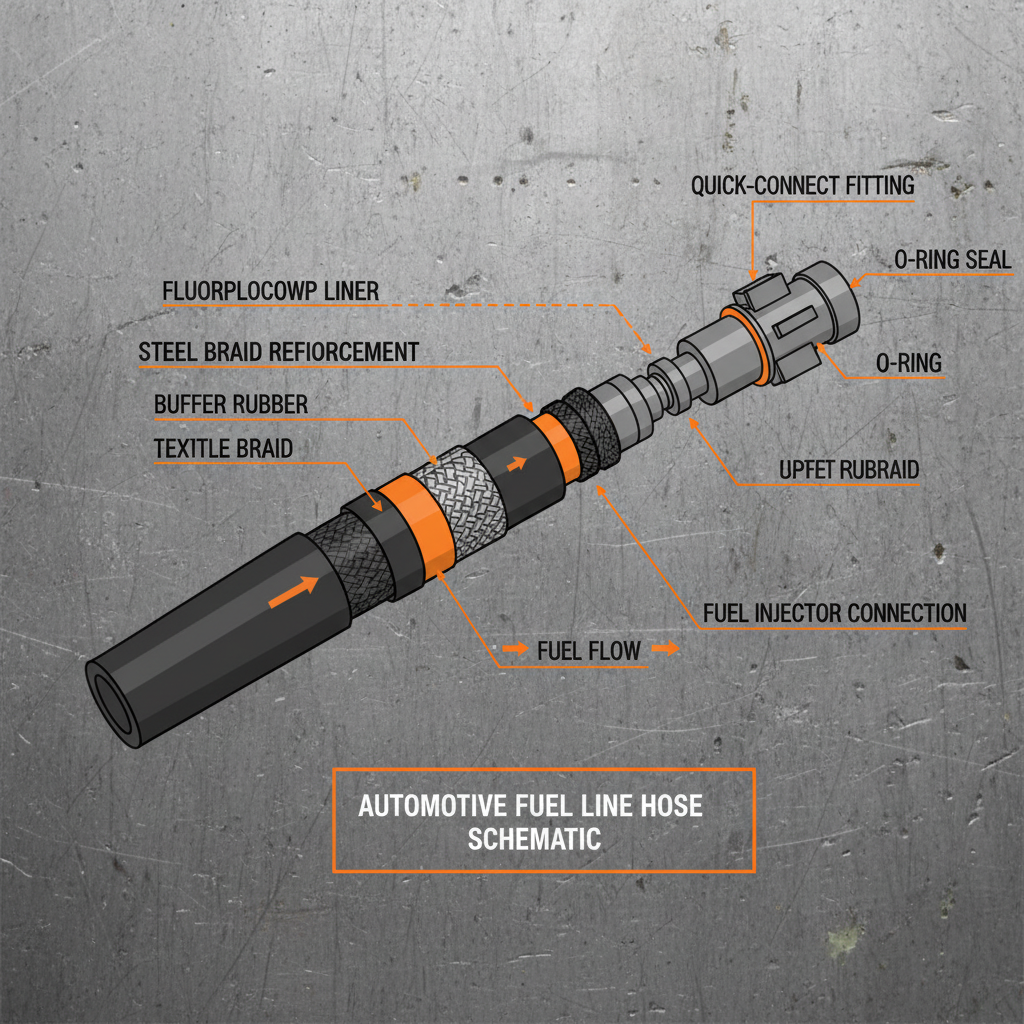
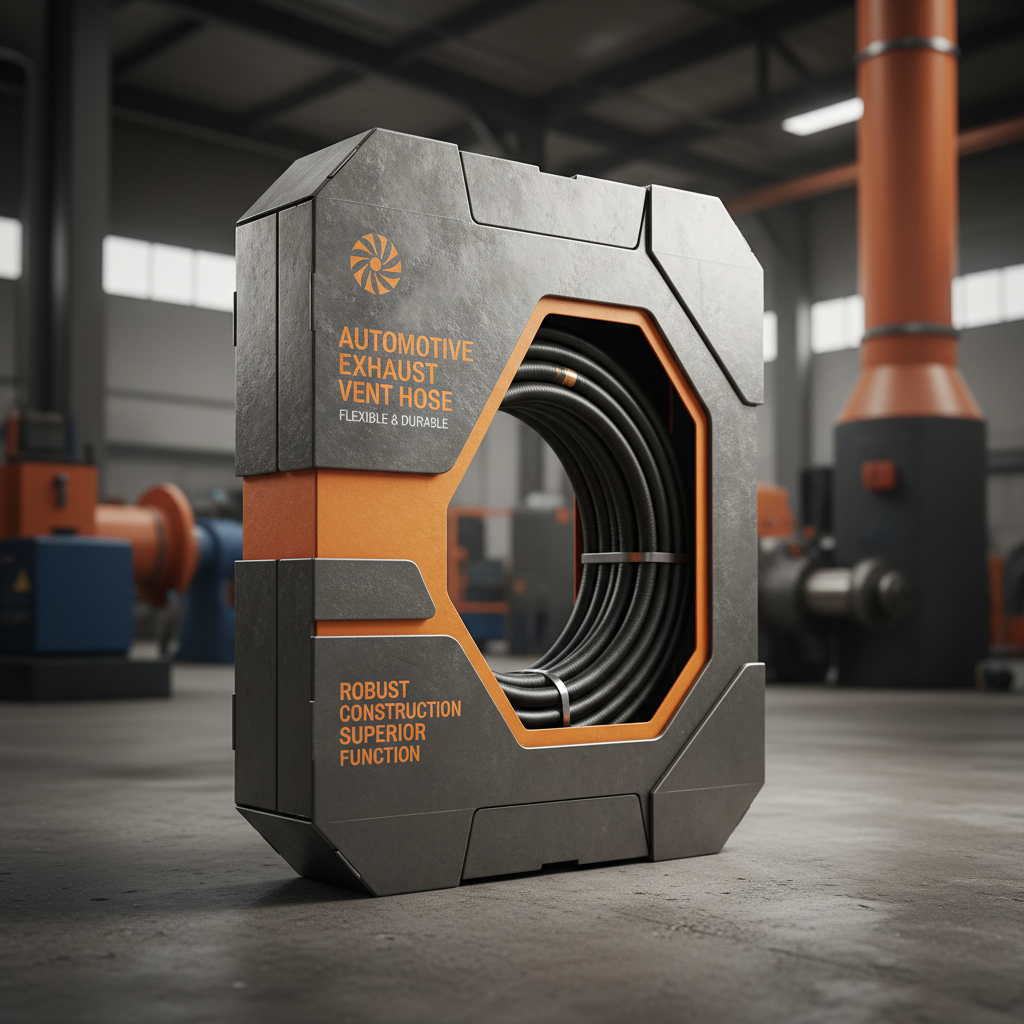
An automotive exhaust vent hose is a flexible conduit designed to safely channel exhaust gases, vapors, and fumes away from the engine compartment and passenger cabin. These hoses connect various components of the exhaust system, including the catalytic converter, muffler, and tailpipe. They're essential for preventing the build-up of dangerous carbon monoxide and other pollutants within the vehicle. Different vehicle types and applications will require specific hose configurations and materials. Choosing the right hose is vital for optimal exhaust system efficiency and passenger wellbeing.
Key Function: Safely directs exhaust gases away from the vehicle's occupants and the environment, contributing to both safety and emission control.
Materials Used in Automotive Exhaust Vent Hoses
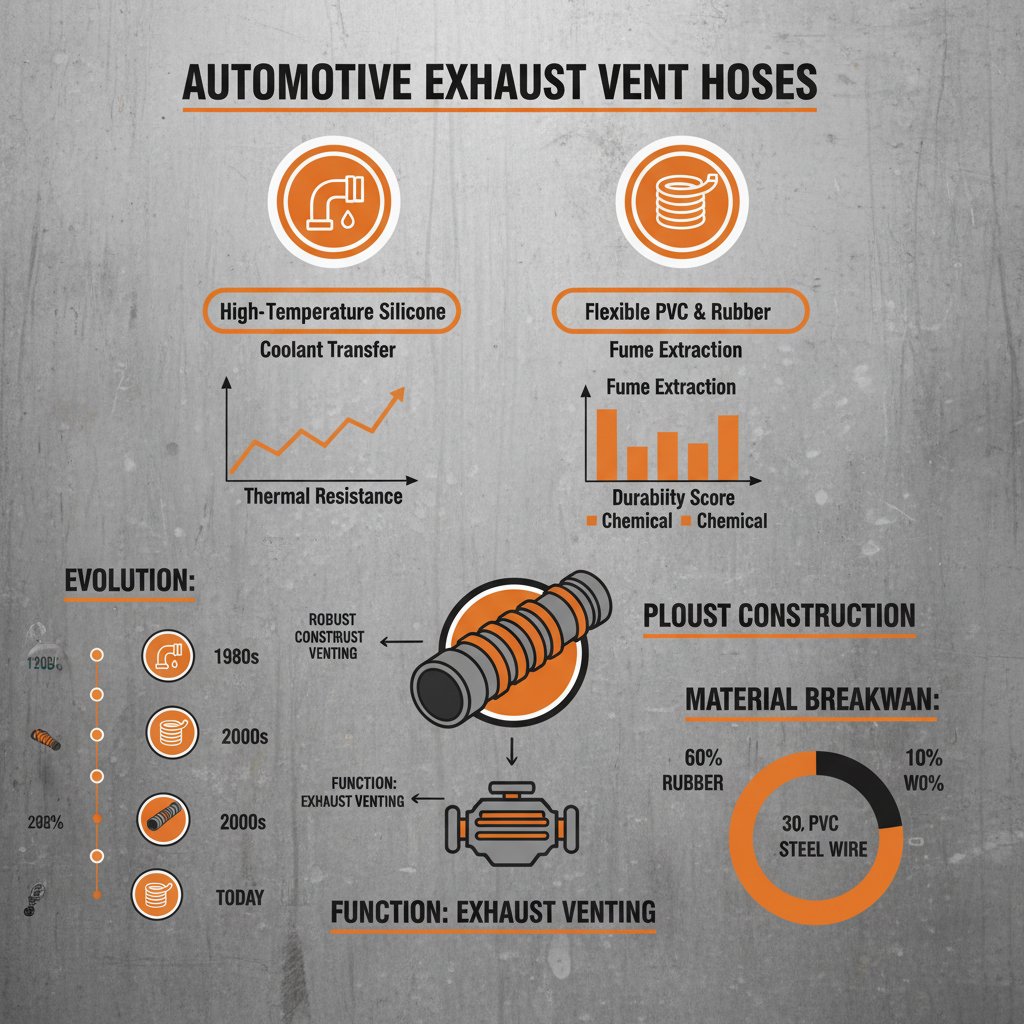
The materials used in manufacturing automotive exhaust vent hoses are crucial for their durability and performance. Common materials include:
- EPDM Rubber: Excellent resistance to heat, ozone, and weathering. A popular choice for general exhaust applications.
- Silicone Rubber: Offers superior heat resistance and flexibility, ideal for high-performance vehicles.
- PVC (Polyvinyl Chloride): Cost-effective option for lower-temperature applications and venting systems.
- Chloroprene Rubber (Neoprene): Good resistance to oil, chemicals, and abrasion.
The selection of material depends on factors like operating temperature, exposure to chemicals, and the vehicle’s specific requirements.
Material Considerations:
• Heat Resistance: Essential for handling high exhaust temperatures.
• Chemical Resistance: Protects against corrosion from exhaust gases and fluids.
• Flexibility: Allows for easy installation and accommodates engine movement.
• Durability: Ensures a long service life and minimizes the need for replacement.
Automotive Exhaust Vent Hose vs. Other Exhaust Components
While the exhaust vent hose is a critical component, it’s important to differentiate it from other parts of the exhaust system. The muffler reduces noise, the catalytic converter minimizes harmful emissions, and the exhaust manifold collects gases from the engine. The exhaust vent hose acts as the connection between these parts, ensuring a sealed and efficient pathway for gases to travel. It differs from rigid exhaust pipes in its flexibility, allowing for movement and vibration absorption.
Selecting the Right Automotive Exhaust Vent Hose
Choosing the correct automotive exhaust vent hose involves several considerations. The vehicle’s make and model, engine type, and operating conditions all play a role. Ensure the hose has the appropriate diameter and length for a secure fit. Check for compatibility with the exhaust gases and temperatures generated by your engine. Investing in a high-quality hose from a reputable supplier like PVC Rubber Hose ensures reliable performance and longevity.
Maintenance and Replacement
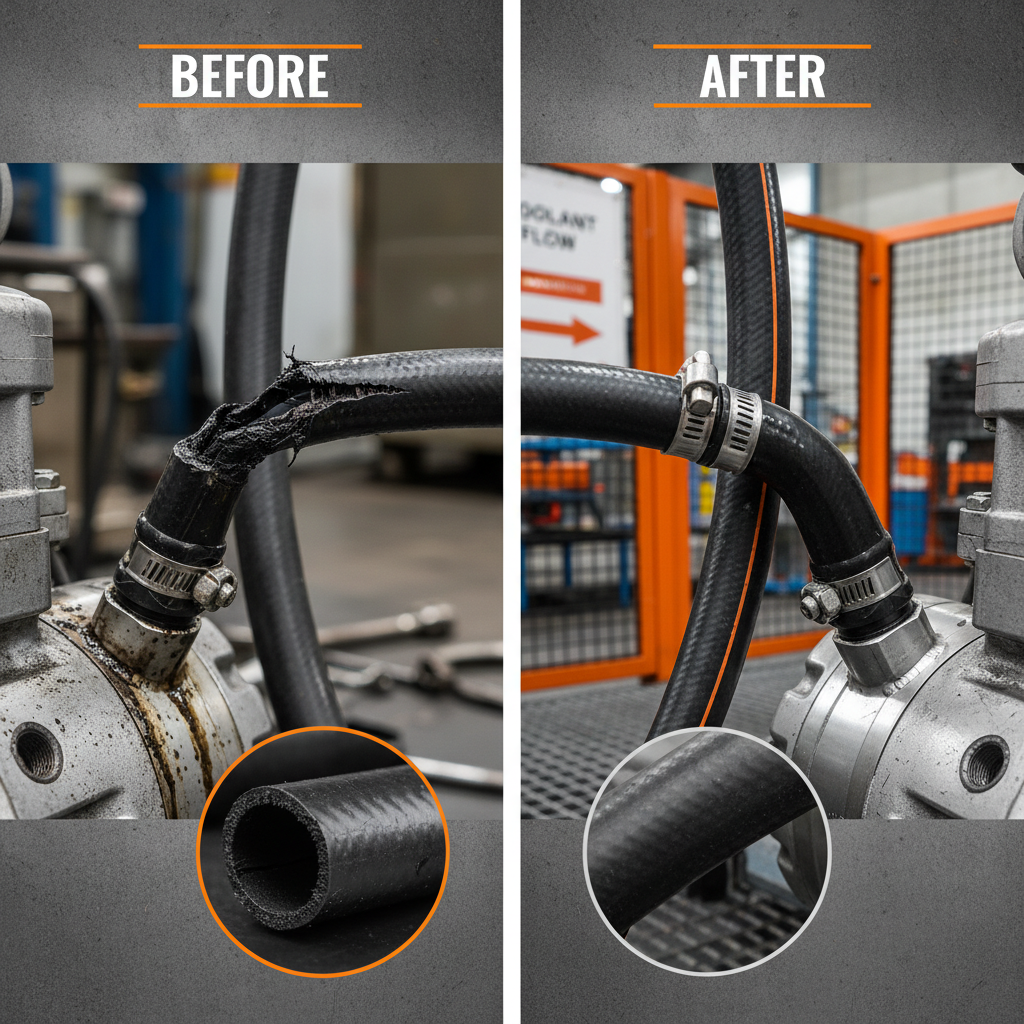
Regular inspection of your exhaust vent hoses is essential for maintaining a safe and efficient exhaust system. Look for cracks, leaks, or signs of deterioration. Replace hoses promptly if any damage is detected. Proper maintenance can prevent exhaust leaks, which can be dangerous to both the vehicle occupants and the environment. Consider replacing hoses as part of routine maintenance checks.
Conclusion: Ensuring a Safe and Efficient Exhaust System
The automotive exhaust vent hose is a seemingly small component with a significant impact on vehicle safety and performance. By understanding its function, materials, and maintenance requirements, you can ensure a reliable and efficient exhaust system. Choosing high-quality hoses from a trusted supplier like PVC Rubber Hose is a wise investment in your vehicle's long-term health.
Frequently Asked Questions (FAQs)
What is the typical lifespan of an automotive exhaust vent hose?
The lifespan of an automotive exhaust vent hose can vary depending on the material, environmental conditions, and vehicle usage. Generally, hoses made from EPDM rubber can last between 3 to 5 years, while silicone hoses may last longer, up to 7 years or more. Regular inspection is crucial, and replacement should occur if cracks, bulges, or leaks are detected. Factors such as extreme temperatures, exposure to corrosive chemicals, and frequent flexing can shorten the hose’s lifespan.
How do I know if my exhaust vent hose needs replacing?
Several signs indicate that your exhaust vent hose needs replacing. These include visible cracks or tears in the hose material, leaks that can be detected by a hissing sound or exhaust fumes, and a noticeable reduction in engine performance. Bulges or soft spots in the hose are also indicators of deterioration. If you suspect a leak, it's important to have the system inspected by a qualified mechanic as exhaust fumes are dangerous.
Can I repair a damaged exhaust vent hose?
While minor damage might seem repairable, it is generally not recommended to repair an automotive exhaust vent hose. Exhaust hoses are designed to withstand high temperatures and pressures, and any repair, such as patching or taping, is unlikely to provide a long-term, reliable seal. A compromised hose can lead to exhaust leaks, which are hazardous and can damage other components of the exhaust system. Replacing the hose entirely is the safest and most effective solution.
Z-Smartflex delivers superior-quality industrial hoses and fittings with global reliability, offering you durable solutions and exceptional service for all your fluid transfer needs.