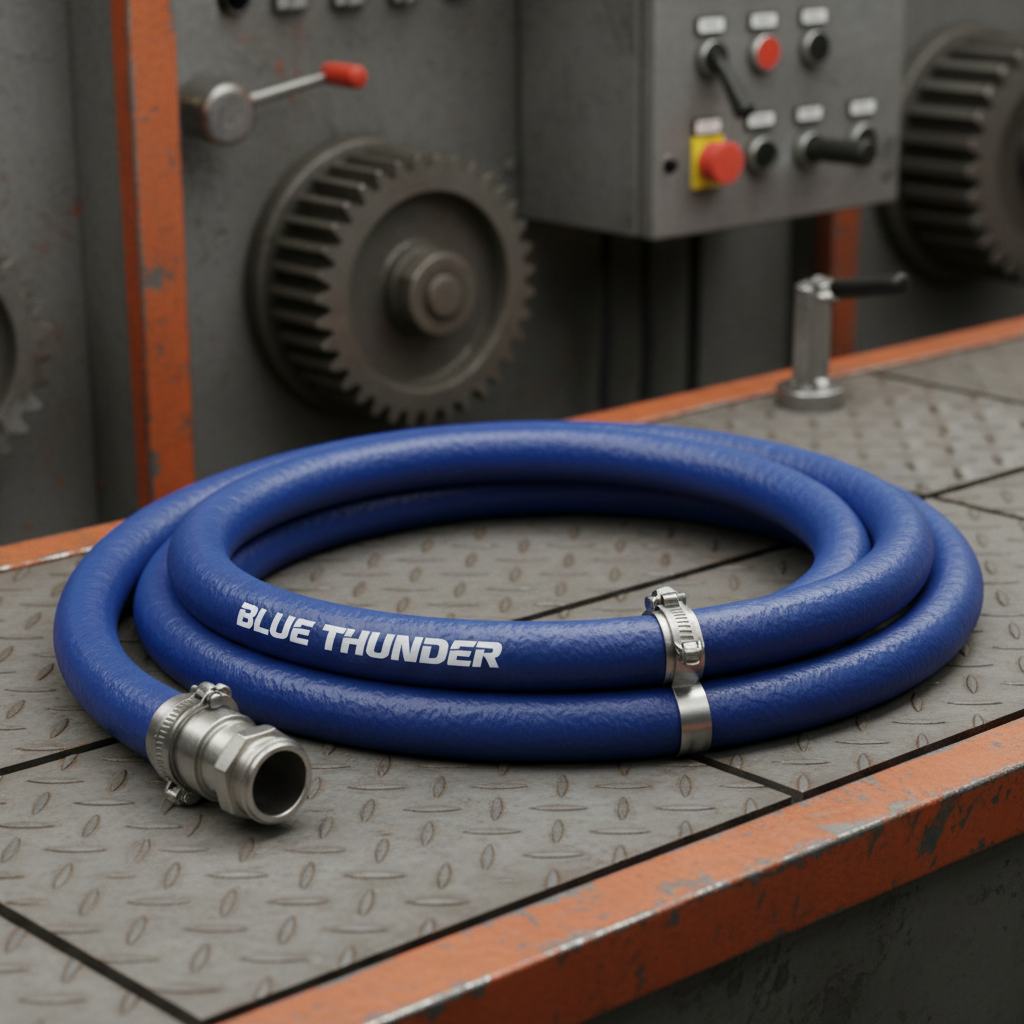
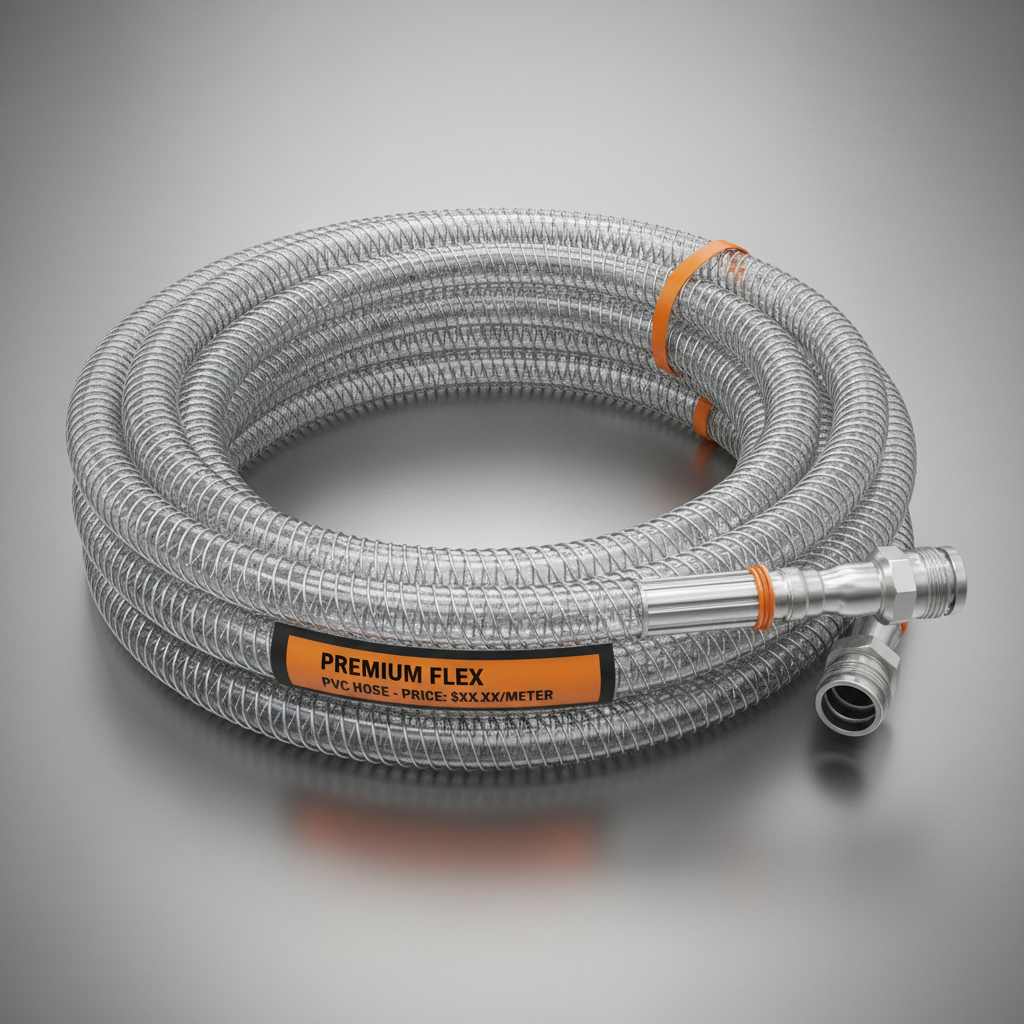
The demand for reliable and chemically resistant fluid transfer solutions is globally significant, particularly in industries handling corrosive substances. blue chemical hose stands as a critical component, ensuring safe and efficient transport of various chemicals across diverse applications. This specialized hose type is vital not only for industrial processes but also for emergency response, environmental protection, and laboratory settings worldwide.
The increasing stringency of environmental regulations and safety standards drives a constant need for improved hose materials and construction techniques. blue chemical hose specifically addresses these concerns by providing a durable, leak-proof barrier against hazardous chemicals. Its performance directly impacts operational efficiency, worker safety, and environmental compliance for businesses globally.
Understanding the nuances of blue chemical hose – from its material composition to its specific application parameters – is crucial for engineers, procurement specialists, and safety managers seeking optimal solutions for fluid handling challenges. Selecting the right hose translates to reduced downtime, minimized risk of chemical spills, and long-term cost savings.
Understanding the Composition of blue chemical hose
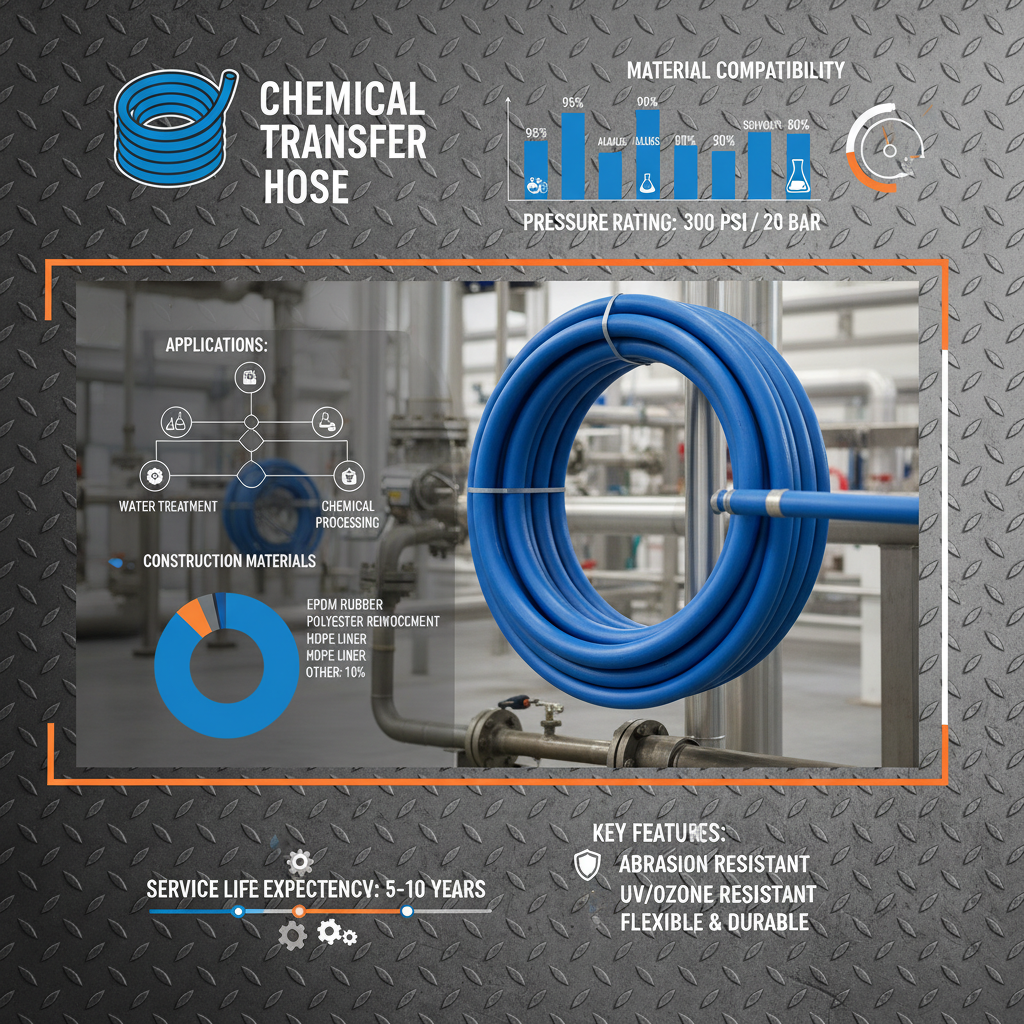
blue chemical hose isn't a single, monolithic product. It’s engineered using a combination of materials carefully selected for their chemical compatibility and physical properties. Typically, the core tube is constructed from specialized polymers like PTFE (Teflon), UHMWPE, or specific grades of polypropylene, providing the primary barrier against chemical permeation.
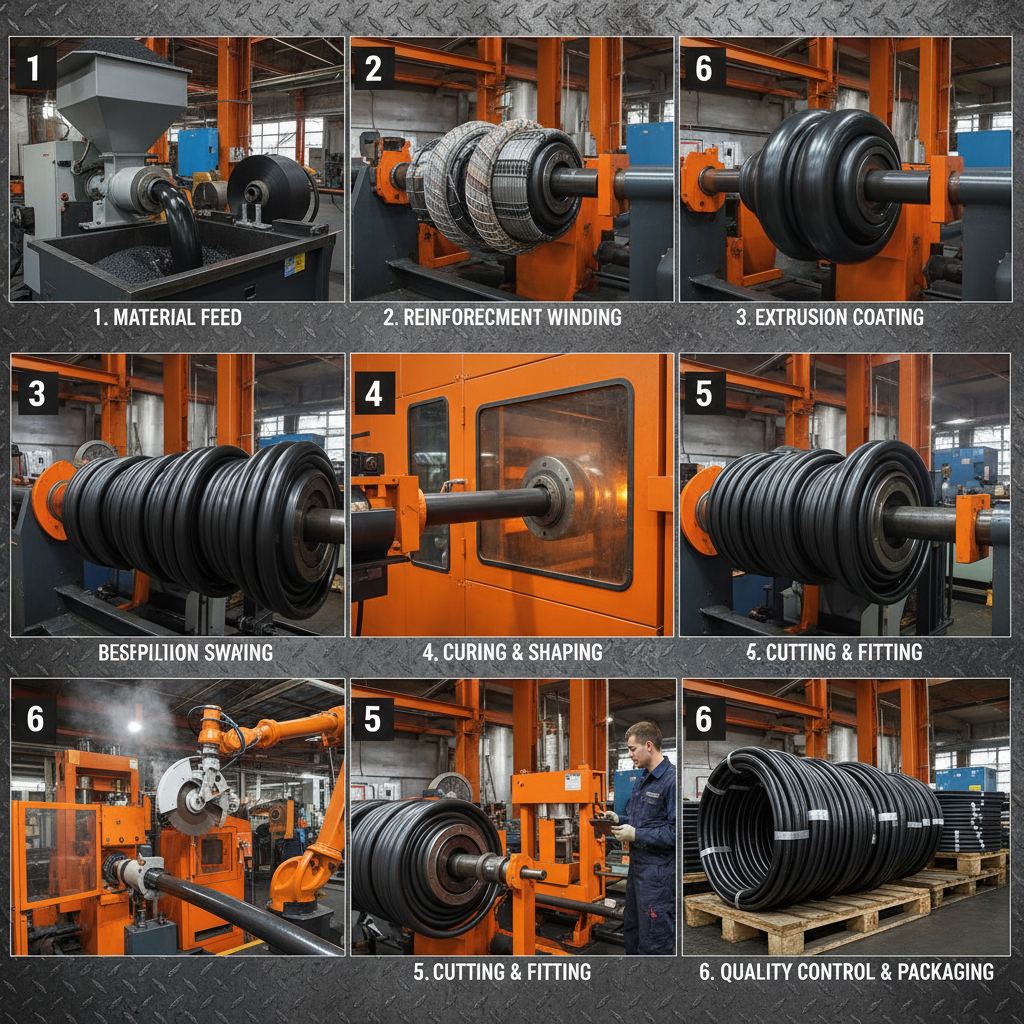
Reinforcement layers, often incorporating braided or spiraled synthetic fibers (such as polyester or aramid), add strength and pressure resistance. The outer cover is also crucial, generally made from materials like EPDM rubber or PVC, offering abrasion resistance, weather protection, and additional chemical defense. The specific combination of these materials determines the hose’s performance characteristics and suitability for different chemical applications.
The Critical Role of Chemical Resistance
Chemical resistance is paramount when selecting a hose for handling aggressive fluids. Different chemicals react differently with various materials; therefore, understanding the composition of both the hose and the chemical being transferred is vital. blue chemical hose is designed to withstand prolonged exposure to a wide range of acids, bases, solvents, and other corrosive substances.
This resistance prevents degradation of the hose material, minimizing the risk of leaks, ruptures, and contamination. Proper chemical compatibility ensures the integrity of the fluid being transported, safeguarding product quality and preventing environmental hazards. Always refer to chemical compatibility charts and manufacturer specifications to verify suitability for specific applications.
Failure to account for chemical compatibility can lead to catastrophic failures, costly downtime, and potential safety incidents. Choosing a blue chemical hose with verified resistance to the intended chemical is a fundamental aspect of safe and efficient fluid handling.
Key Performance Characteristics of blue chemical hose
Beyond chemical resistance, several other performance characteristics define the quality of blue chemical hose. Pressure rating is a crucial factor, determining the maximum working pressure the hose can safely withstand. Temperature range specifies the operating temperature limits, ensuring the hose remains flexible and maintains its integrity in varying conditions.
Flexibility is also important, impacting ease of handling and installation. Abrasion resistance protects the hose from damage caused by friction and external factors. Finally, the hose’s ability to resist permeation – the leakage of chemicals through the hose wall – is a critical safety consideration. These characteristics collectively contribute to the hose's overall reliability and longevity.
Evaluating these performance characteristics in relation to the specific application requirements is essential. Selecting a hose that exceeds the necessary specifications ensures optimal performance and minimizes the risk of failure.
Diverse Applications Across Industries
blue chemical hose finds application in a remarkably diverse range of industries. In the chemical processing industry, it's used for transferring raw materials, intermediates, and finished products. The pharmaceutical sector relies on it for transferring sterile fluids and sensitive chemicals.
The oil and gas industry utilizes these hoses for transferring various fluids, including drilling muds and completion fluids. Water treatment facilities employ them for handling corrosive chemicals used in purification processes. Emergency response teams rely on blue chemical hose for rapid deployment in hazardous material incidents.
blue chemical hose Application Breakdown
Benefits of Implementing blue chemical hose
Implementing blue chemical hose offers substantial benefits, extending beyond simply transferring chemicals. Enhanced safety is a primary advantage, reducing the risk of leaks, spills, and worker exposure to hazardous substances. Improved operational efficiency results from minimizing downtime associated with hose failures and maintenance.
Long-term cost savings are realized through the hose’s durability and resistance to degradation, reducing the frequency of replacements. Furthermore, utilizing a chemically compatible hose ensures product integrity and prevents contamination, safeguarding product quality.
Future Trends in blue chemical hose Technology
The future of blue chemical hose technology is focused on sustainability and performance enhancement. Research and development are geared toward creating hoses made from bio-based materials, reducing reliance on fossil fuels. Smart hoses, incorporating sensors for pressure, temperature, and leak detection, are emerging as a significant trend.
Nanomaterials are being explored to enhance chemical resistance, strength, and permeability, pushing the boundaries of hose performance. Furthermore, advancements in manufacturing processes, such as 3D printing, are enabling the creation of customized hose solutions tailored to specific application requirements.
Addressing Challenges and Ensuring Longevity
Despite their inherent benefits, blue chemical hose can encounter challenges such as abrasion, UV degradation, and improper handling. Regular inspections are crucial to identify signs of wear and tear, preventing premature failures.
Proper storage is essential; hoses should be stored in a cool, dry, and dark environment to prevent material degradation. Adhering to recommended operating pressure and temperature limits is vital for maximizing hose lifespan. Implementing a preventive maintenance program, including regular cleaning and hose rotation, further extends hose longevity.
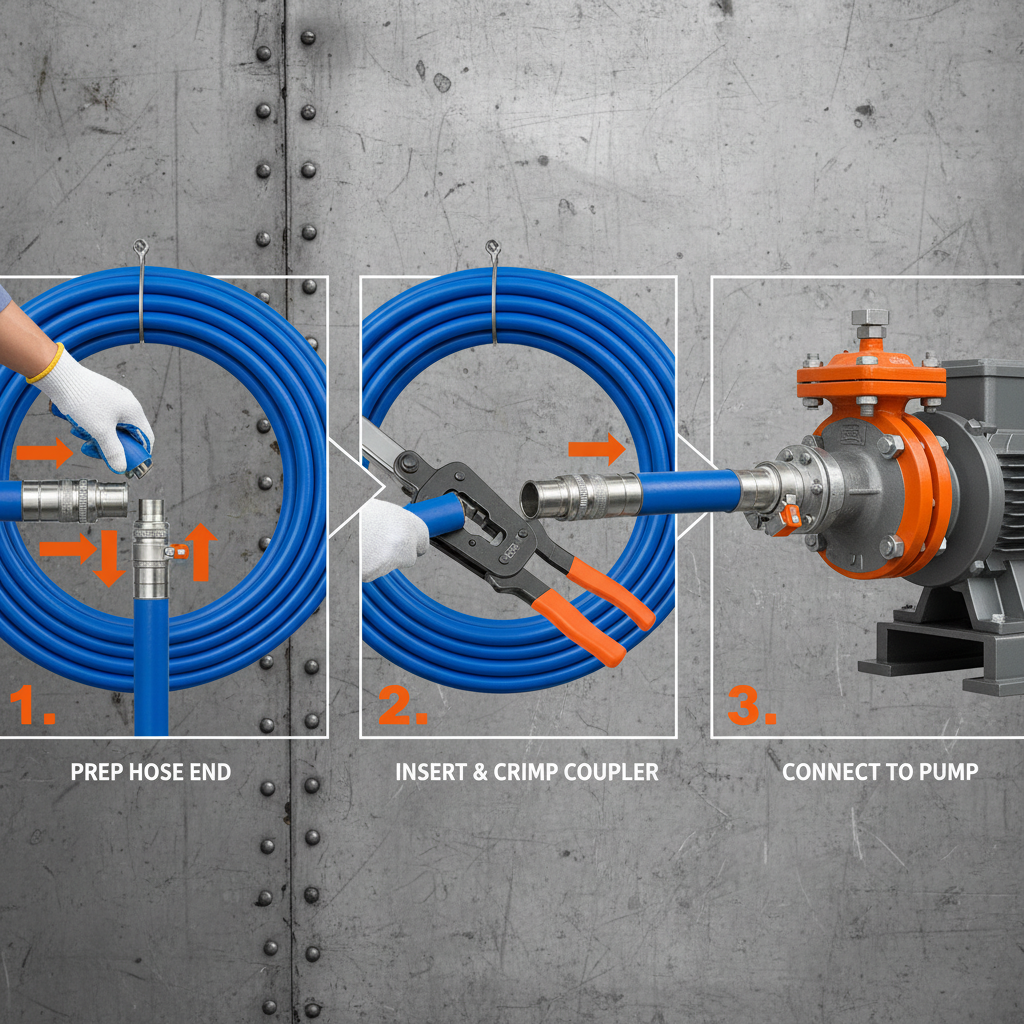
Proper installation techniques and using appropriate fittings are also critical. Using damaged or mismatched fittings can compromise the hose’s integrity and lead to leaks.
Summary of Best Practices for blue chemical hose Maintenance
| Inspection Frequency |
Common Failure Points |
Preventive Measures |
Expected Lifespan (Months) |
| Daily Visual Check |
Abrasion, Cuts, Blisters |
Protective Sleeves, Regular Cleaning |
12-24 |
| Weekly Pressure Test |
Leakage, Pressure Drop |
Tighten Fittings, Replace Seals |
18-36 |
| Monthly Bend Radius Check |
Kinking, Creasing |
Adjust Hose Routing, Use Flexible Connectors |
24-48 |
| Quarterly Chemical Compatibility Review |
Material Degradation, Swelling |
Verify Compatibility Charts, Replace Hose |
36-60 |
| Annual Hose Replacement |
Overall Wear, Reduced Flexibility |
Proactive Replacement Schedule |
60+ |
| Record Keeping |
Documentation Loss, Incomplete Records |
Digital Tracking System, Regular Audits |
N/A |
FAQS
The lifespan of a blue chemical hose varies depending on usage, chemical exposure, and maintenance. However, with proper care and adherence to manufacturer specifications, a typical lifespan ranges from 1 to 5 years. Regular inspections are crucial to identifying potential issues and extending its service life. Factors like abrasion, UV exposure, and exceeding pressure limits can significantly shorten its lifespan.
Selecting the right blue chemical hose requires careful consideration of several factors. Identify the specific chemical being transferred, its concentration, and temperature. Determine the required pressure rating and operating temperature range. Also, assess the hose's flexibility requirements and any potential abrasion risks. Refer to chemical compatibility charts and consult with hose specialists to ensure optimal selection.
Using an incompatible hose with a chemical can have severe consequences. The chemical may degrade the hose material, leading to leaks, ruptures, and potential spills. This can result in worker exposure to hazardous substances, environmental contamination, and costly downtime. Incompatibility can also compromise the purity of the chemical being transported, affecting product quality.
Regular inspections are vital for ensuring the safe and reliable operation of blue chemical hose. A visual inspection should be performed daily, looking for signs of abrasion, cuts, blisters, or leaks. Weekly pressure tests and monthly bend radius checks are also recommended. Quarterly chemical compatibility reviews should be conducted to verify the hose remains suitable for the application.
Proper storage is crucial for maximizing the lifespan of your blue chemical hose. Store it in a cool, dry, and dark environment, away from direct sunlight and extreme temperatures. Avoid bending or kinking the hose during storage. Coiling the hose loosely is preferable to tight wrapping. Ensure the hose is clean and free of any residual chemicals before storage.
Always wear appropriate personal protective equipment (PPE) when handling blue chemical hose, including gloves, safety glasses, and a face shield. Ensure the hose is properly grounded to prevent static electricity buildup. Never exceed the hose's maximum working pressure. Always relieve pressure before disconnecting the hose. Follow all safety guidelines provided by the hose manufacturer.
Conclusion
In conclusion, blue chemical hose is a vital component in numerous industries, providing a safe, reliable, and efficient solution for transferring aggressive fluids. Understanding its composition, key performance characteristics, and proper maintenance practices is crucial for maximizing its lifespan and ensuring operational safety. By prioritizing chemical compatibility and adhering to recommended guidelines, businesses can minimize risks and optimize their fluid handling processes.
Looking ahead, the future of blue chemical hose technology will be driven by innovation in materials science and smart hose technologies. Embracing sustainable materials and incorporating sensor-based monitoring systems will further enhance safety, efficiency, and environmental responsibility. Investing in quality hoses and implementing robust maintenance programs are essential steps towards a more secure and sustainable future.