Look, I’ve spent the last twenty years crawling around construction sites, getting my hands dirty with the materials that actually build things. And when it comes to fluid transfer, especially in demanding applications, you quickly learn what works and what doesn’t. That’s why I’m telling you, a quality black steel braided hose isn't just a component, it's a foundational piece of reliability. You can skimp on fittings, maybe on some minor connections, but don't compromise on the hose. It's the lifeline of your hydraulic systems, your fuel lines, whatever you’re pushing through it. It’s about preventing downtime, keeping projects on schedule, and, frankly, keeping people safe.
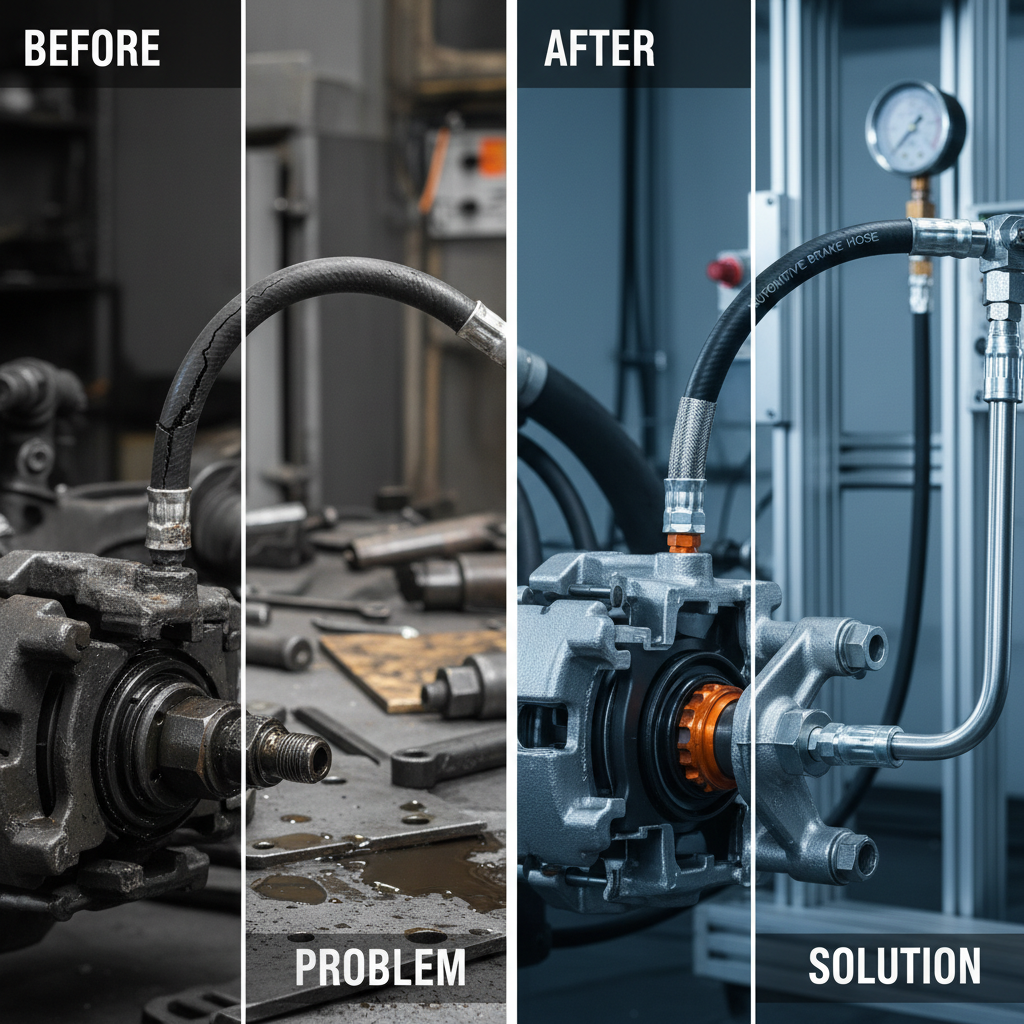
We’ve seen it all out there – hoses bursting under pressure, cracking from environmental exposure, failing prematurely and causing costly delays. The headache and expense of replacing a failed hose are nothing compared to the potential damage and injury a complete system failure can cause. That’s why understanding the nuances of black steel braided hose construction, the materials used, and the appropriate applications is critical. We aren't just talking about moving liquids; we're talking about maintaining operational integrity.
For too long, guys have been thinking of hoses as a commodity. They’re not. It’s a performance product, and the right one – the right black steel braided hose – will pay for itself in reduced maintenance, increased uptime, and peace of mind. We’re talking about serious investment protection here, and understanding the specifics is the first step toward making a smart decision.
The Critical Role of black steel braided hose
Let’s be clear: a black steel braided hose isn’t glamorous. It’s a workhorse. But it’s a workhorse that’s absolutely vital in any operation dealing with fluid transfer under pressure. From hydraulic systems in heavy machinery to fuel lines in construction equipment, and even specialized applications in manufacturing, these hoses are the unseen heroes. They’re the components you only notice when they fail – and a failure can bring everything to a screeching halt.
The real value isn’t just in the initial cost, but in preventing catastrophic failures. I've seen projects delayed for weeks because of a simple hose blowout, costing companies tens of thousands in lost productivity. Investing in quality, properly rated black steel braided hose is an investment in project stability and long-term cost savings. It’s about proactive maintenance, not reactive fire-fighting.
Global Demand and Industry Context
The demand for black steel braided hose is directly tied to the health of major industries globally – construction, mining, agriculture, oil & gas, and manufacturing, to name a few. With the continued expansion of infrastructure projects in developing nations, particularly in Asia and Africa (the World Bank estimates over $1 trillion in infrastructure investment needed annually), the need for reliable fluid transfer solutions is surging. We’re seeing a significant uptick in demand for hoses capable of withstanding extreme temperatures and corrosive environments.
Globally, ISO standards dictate rigorous testing and performance criteria for hydraulic hoses, and black steel braided hose consistently needs to meet or exceed those expectations. A failure to meet these standards can result in legal liabilities and, more importantly, safety concerns. The industry is moving towards higher pressure ratings and more durable materials, and manufacturers are constantly innovating to meet these evolving demands.
The biggest challenge right now? Supply chain disruptions. We've seen lead times stretch out, and material costs fluctuate wildly. That’s why building relationships with reliable suppliers is more critical than ever. It’s not just about finding the cheapest hose; it’s about securing a consistent supply of a quality product.
Defining black steel braided hose: Construction and Function
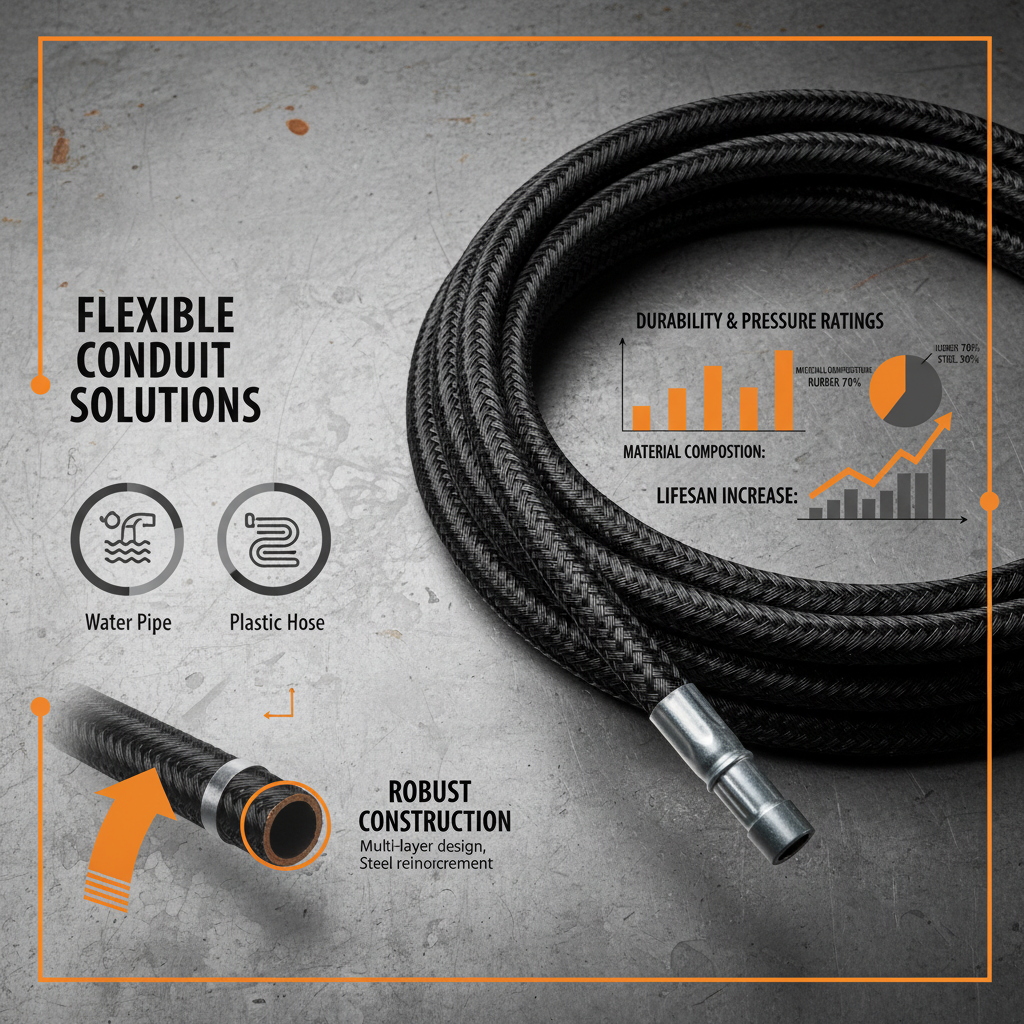
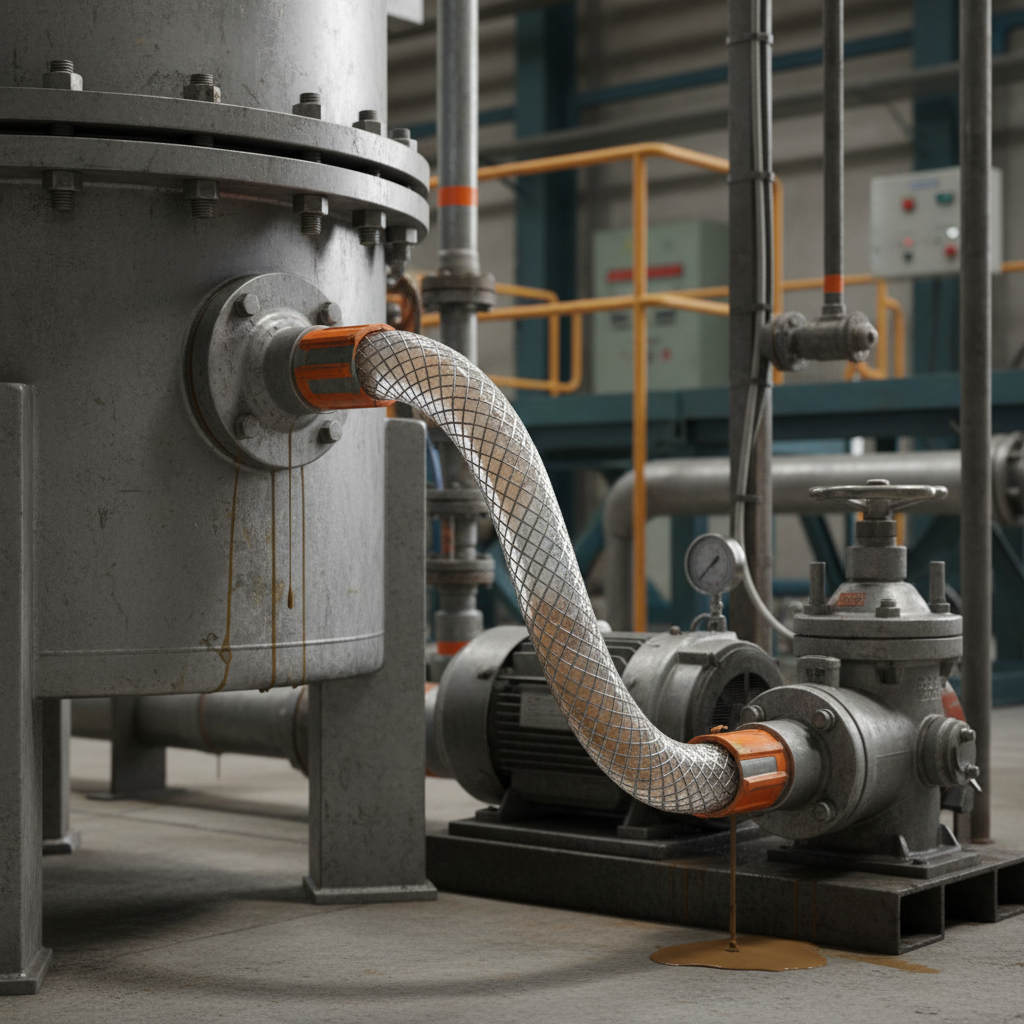
A black steel braided hose, at its core, is a composite construction designed to convey fluids under high pressure. It typically consists of a flexible inner tube (often made of synthetic rubber), multiple layers of high-tensile steel wire braid for reinforcement, and an outer cover that provides abrasion and weather resistance. The steel braid is what gives the hose its strength and prevents it from bursting under pressure.
The "black" refers to the protective outer coating, which is often a blend of polymers designed to resist oil, chemicals, and UV degradation. This is crucial, because exposure to the elements is a major contributor to hose failure. Different applications require different rubber compounds for the inner tube to ensure compatibility with the fluid being conveyed – hydraulic fluid, fuel, oil, chemicals, etc. Getting that wrong can lead to rapid deterioration of the hose.
The function is straightforward: to safely and efficiently transfer fluids from one point to another, even under extreme conditions. But the design details – the number of braid layers, the material composition, the hose diameter – are all critical to ensuring it performs reliably in its intended application.
Core Components and Performance Factors
Let's break down what makes a good black steel braided hose stand out. First, you've got the Inner Tube Material. This needs to be compatible with the fluid you’re using – think synthetic rubbers like nitrile, neoprene, or PTFE for different chemical resistances. Second, the Steel Braid Construction – more braids mean higher pressure capacity. Also, the type of steel matters, with stainless steel being used for corrosive environments.
Then there’s the Outer Cover, which protects against abrasion, weather, and oil. Polyurethane covers are tough and durable, but can be more expensive. Lastly, the Fitting Compatibility is often overlooked. Make sure your fittings are correctly sized and crimped for a secure, leak-proof connection. A mismatched fitting can compromise the entire system.
black steel braided hose Performance Comparison
Applications in Diverse Industries
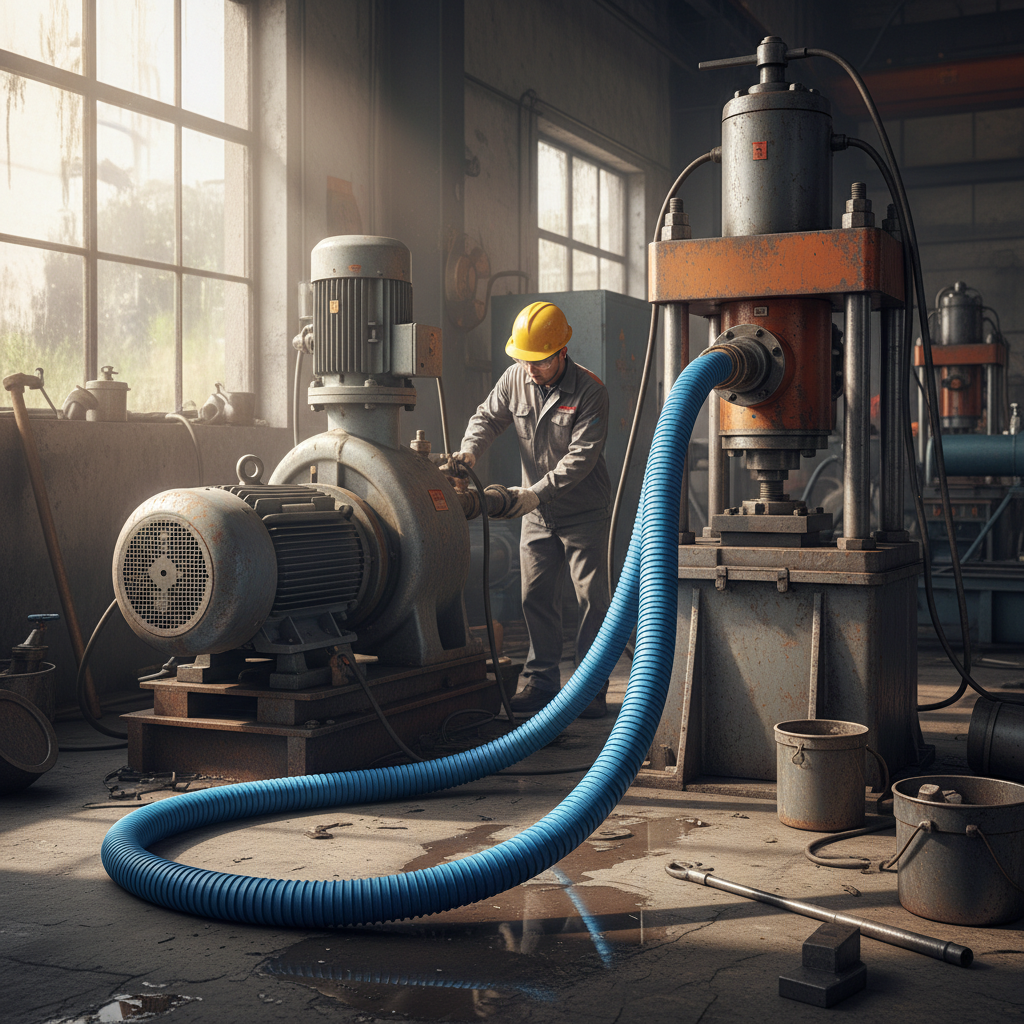
You see these hoses everywhere. In construction, they power hydraulic excavators, loaders, and cranes. In agriculture, they’re used in irrigation systems and heavy farm machinery. Oil and gas relies on them for drilling operations and fluid transfer. Manufacturing utilizes them in hydraulic presses and automated systems. It’s a truly ubiquitous component.
I've worked on projects in remote locations – think mining operations in the Australian Outback, or infrastructure builds in the Middle East – where getting a replacement hose can take weeks. That’s when you truly appreciate the value of a durable, reliable black steel braided hose that can withstand harsh conditions and prolonged use.
Long-Term Value and Economic Benefits
The initial cost of a quality black steel braided hose might be higher, but it's a short-sighted view to focus solely on price. Consider the total cost of ownership – the cost of replacements, downtime, lost productivity, and potential safety hazards. A hose that lasts twice as long, even at twice the price, is often the more economical choice.
Investing in reliable hoses is also an investment in your reputation. Delivering projects on time and within budget builds trust with clients and partners. That’s priceless.
Beyond the purely economic benefits, there's a significant safety aspect. A burst hose can be a serious hazard, potentially causing injury to workers and damage to equipment. Prioritizing safety through quality components is simply the right thing to do.
Future Trends and Technological Advancements
We’re seeing a move towards smart hoses – hoses with embedded sensors that can monitor pressure, temperature, and even detect early signs of wear and tear. This predictive maintenance capability will be a game-changer, allowing operators to identify potential failures before they occur.
There’s also a lot of research going into new materials – lightweight composites that offer comparable strength to steel but with reduced weight and improved corrosion resistance. These advancements will further enhance the performance and longevity of black steel braided hose.
Sustainability is also becoming a key focus. Manufacturers are exploring more eco-friendly materials and production processes to reduce the environmental impact of hose manufacturing.
Summary of Key Factors Impacting black steel braided hose Performance
| Material Composition |
Braid Density |
Environmental Resistance |
Application Specificity |
| Synthetic Rubber (Nitrile, EPDM) |
4:1 to 6:1 Braid Ratio |
UV, Oil, Chemical Resistance (Rating 1-10: 8) |
Hydraulic Systems (Rating 1-10: 9) |
| PTFE for Corrosive Fluids |
Increased Braid Layers for High Pressure |
Temperature Range (-40°C to +100°C) |
Fuel Transfer Lines (Rating 1-10: 7) |
| Stainless Steel Braid for Saltwater |
Spiral Wire Reinforcement |
Abrasion Resistance (Rating 1-10: 9) |
Mining Operations (Rating 1-10: 8) |
| High-Temperature Rubber Compounds |
Optimized Braid Angle |
Flexibility (Rating 1-10: 7) |
Construction Equipment (Rating 1-10: 9) |
| Bio-Based Rubber Alternatives |
Variable Braid Configurations |
Ozone Resistance (Rating 1-10: 6) |
Agricultural Applications (Rating 1-10: 7) |
| Reinforced Polymer Inner Tube |
Lightweight Braid Materials |
Chemical Inertness (Rating 1-10: 8) |
Manufacturing Processes (Rating 1-10: 8) |
FAQS
Hands down, it’s undersizing the hose for the application. They focus on initial cost savings and don't factor in the pressure requirements and fluid compatibility. A hose that’s too small will fail prematurely, creating a much bigger problem – and potentially a dangerous one. You have to check the burst pressure rating and ensure it significantly exceeds the operating pressure. Also, don’t skimp on the fittings!
Regular inspection is crucial. I recommend a visual check before each use, looking for cracks, abrasions, kinks, or leaks. At least monthly, a more thorough inspection should be performed, checking the fittings for tightness and the hose for any signs of deterioration. Keep a log of these inspections, too. Documenting issues can help identify recurring problems.
Burst pressure is the maximum pressure a hose can withstand before it ruptures. It's a critical safety rating. However, you should never operate a hose at its maximum burst pressure. A common safety factor is to operate at no more than 50-75% of the burst pressure. The burst pressure is a benchmark, not a target.
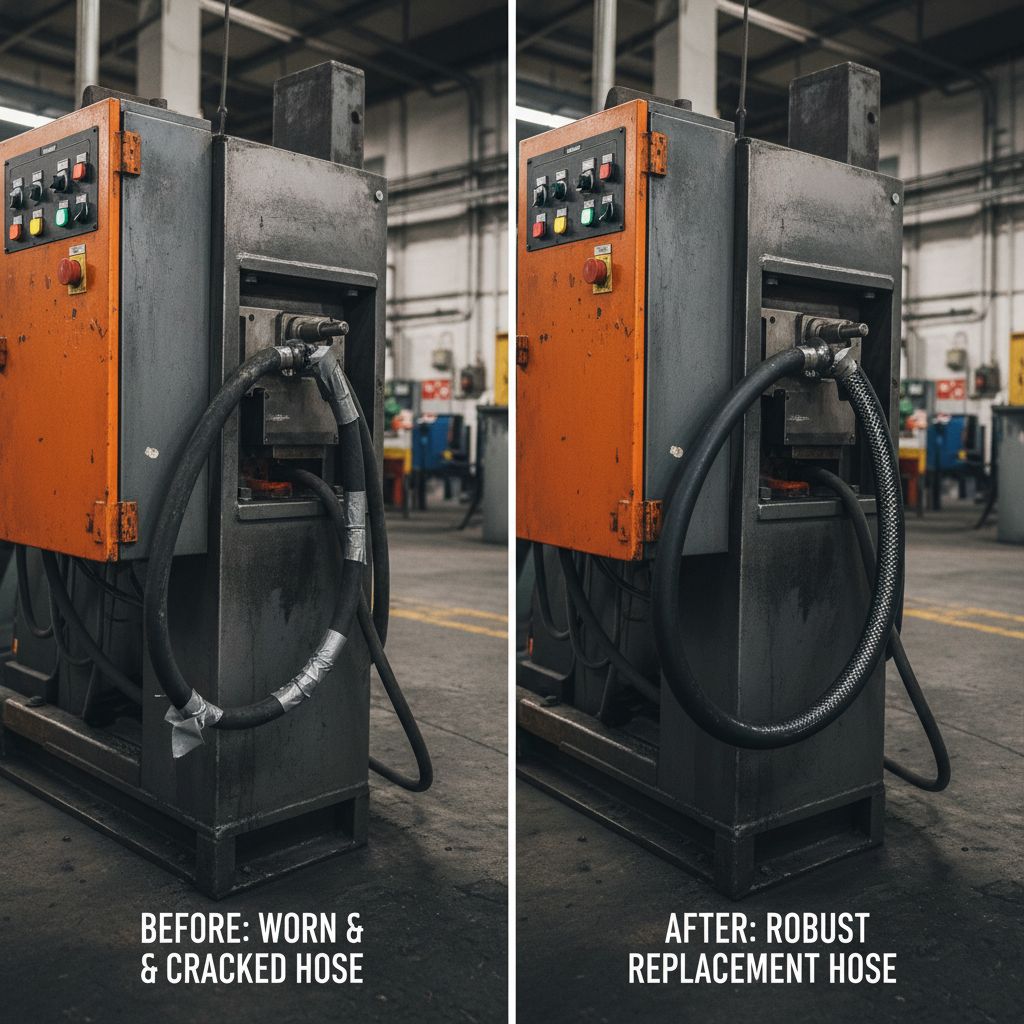
Generally, you should replace a damaged black steel braided hose. Repairs are often temporary and can compromise the hose’s integrity. While temporary repairs might seem cost-effective, they significantly increase the risk of failure. It's simply not worth the risk, especially in high-pressure applications.
Absolutely not. Hydraulic hose is designed for high-pressure hydraulic fluid, while fuel hose is designed for lower pressure fuels. The rubber compounds are different, and using the wrong hose can lead to leaks, deterioration, and even fire hazards. They are not interchangeable, period. Always use the hose specifically designed for the fluid you're transferring.
Temperature extremes are a hose’s enemy. Excessive heat can cause the rubber to degrade and become brittle, while freezing temperatures can make it stiff and prone to cracking. Always choose a hose rated for the expected temperature range of your application. Protecting the hose from direct sunlight and extreme weather can also extend its lifespan.
Conclusion
Let’s recap: A black steel braided hose is a critical component, not a commodity. Understanding its construction, performance factors, and proper application is paramount to ensuring safety, reliability, and cost-effectiveness. Investing in quality hoses and implementing a regular inspection and maintenance program are essential for preventing downtime and protecting your investment. It’s about doing the job right, the first time, and avoiding costly headaches down the road.
Looking ahead, the industry is poised for innovation, with smart hoses and advanced materials offering even greater performance and predictive maintenance capabilities. Staying informed about these advancements and prioritizing safety will be crucial for success. Remember, choosing the right hose isn’t just about meeting a technical specification; it’s about building a resilient and reliable operation. For top-quality black steel braided hose, visit our website: www.pvcrubberhose.com