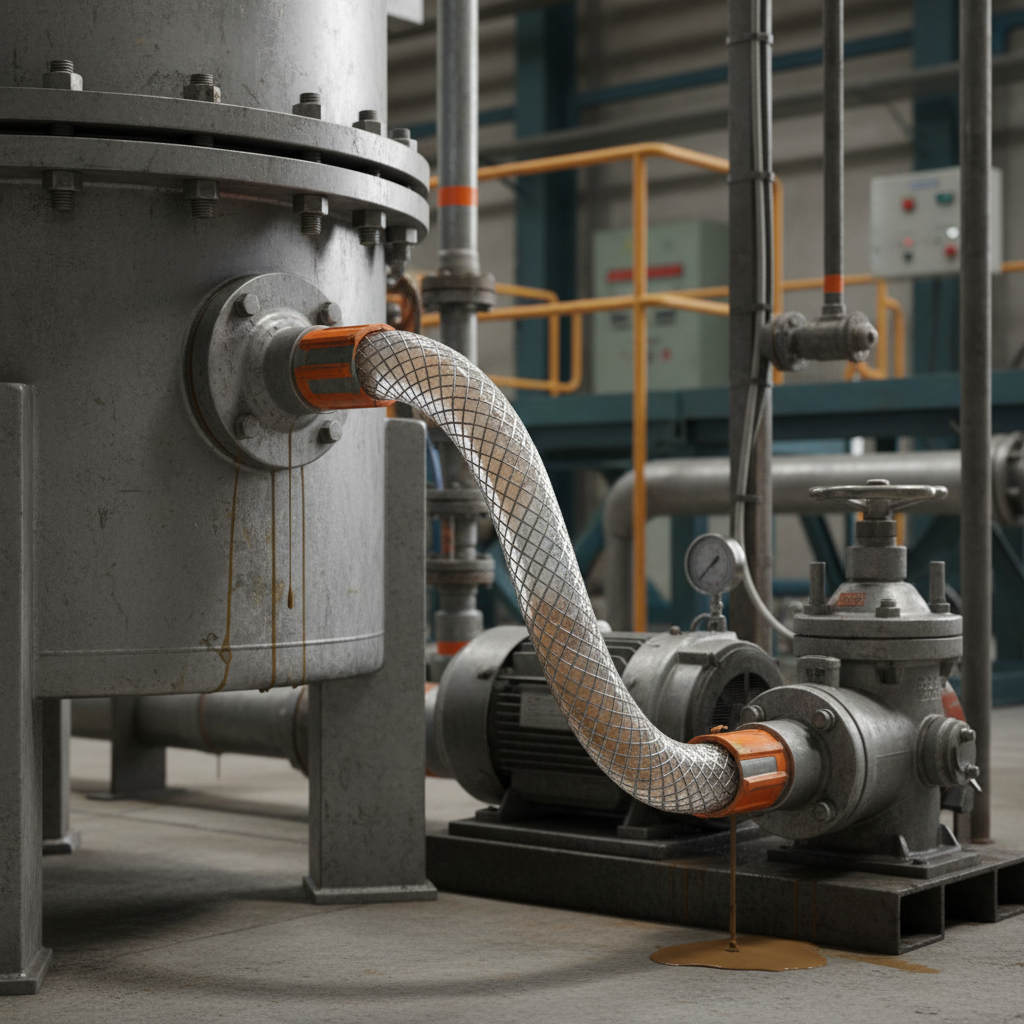
In the demanding world of industrial fluid transfer, the braided chemical hose stands as a critical component for maintaining operational safety and efficiency. These specialized conduits are engineered to transport aggressive chemicals, acids, and solvents that would degrade standard rubber tubing, making them indispensable across global manufacturing sectors.
The global reliance on high-performance chemical transport has surged as pharmaceutical and petrochemical industries scale their operations to meet rising demand. Utilizing a braided chemical hose ensures that high-pressure environments are managed with a reinforced structure, reducing the risk of catastrophic bursts and hazardous leaks that could lead to environmental disasters or workplace injuries.
Understanding the nuances of these hoses—from the material composition of the inner liner to the tensile strength of the outer braiding—allows engineers to optimize their systems for longevity. By investing in the right braided chemical hose, companies not only adhere to strict international safety standards but also significantly lower their long-term maintenance costs.
Global Relevance of Braided Chemical Hose
The global industrial landscape is increasingly dependent on the precise movement of volatile substances. According to ISO standards for fluid handling, the failure of a single conduit in a chemical plant can lead to massive downtime and ecological damage. This is where the braided chemical hose becomes a non-negotiable asset, providing the necessary reinforcement to withstand internal pressures while resisting external corrosion.
From the sprawling petrochemical complexes in the Middle East to the precision labs of Europe, these hoses address the critical challenge of "permeation." Standard hoses often allow microscopic amounts of chemicals to seep through the walls, but a properly engineered braided chemical hose utilizes high-density polymers and metallic or textile braids to create an impermeable barrier, ensuring that hazardous materials stay contained.
Defining the Braided Chemical Hose Structure
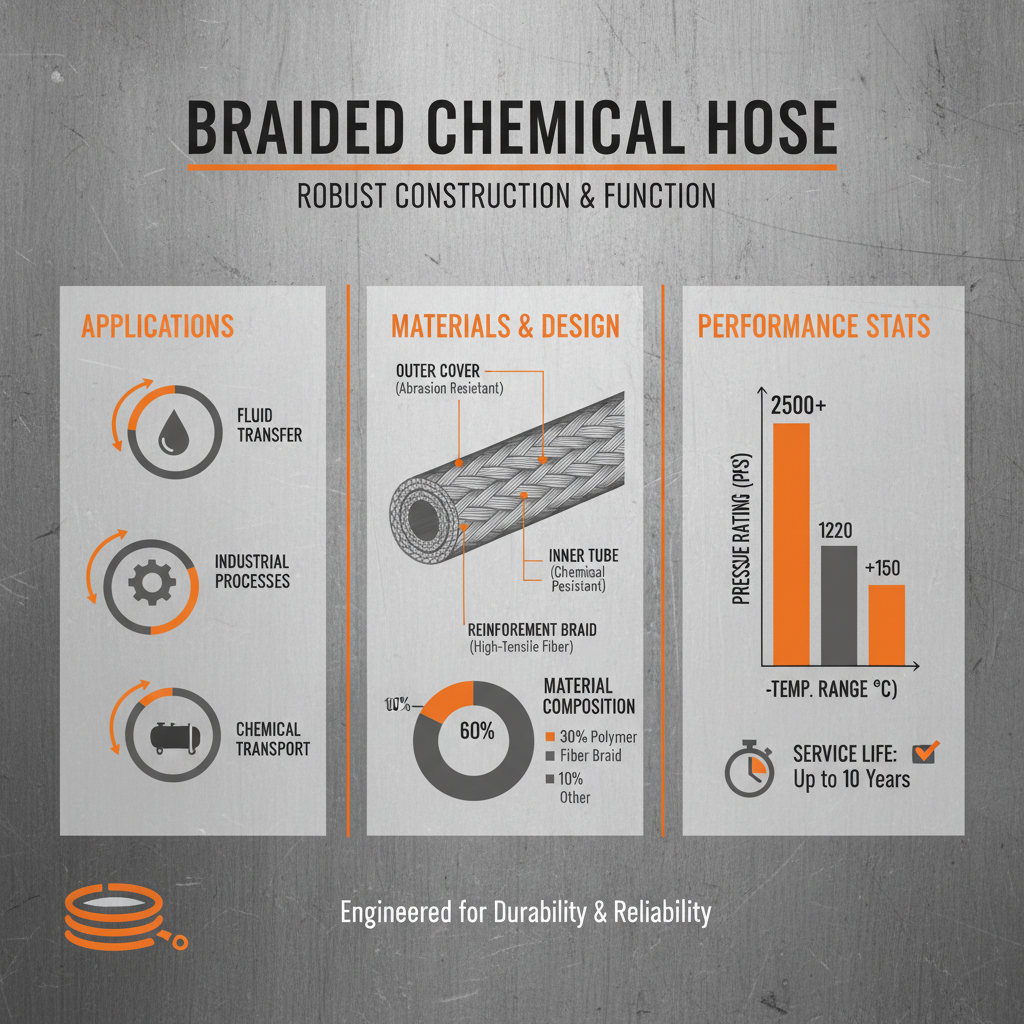
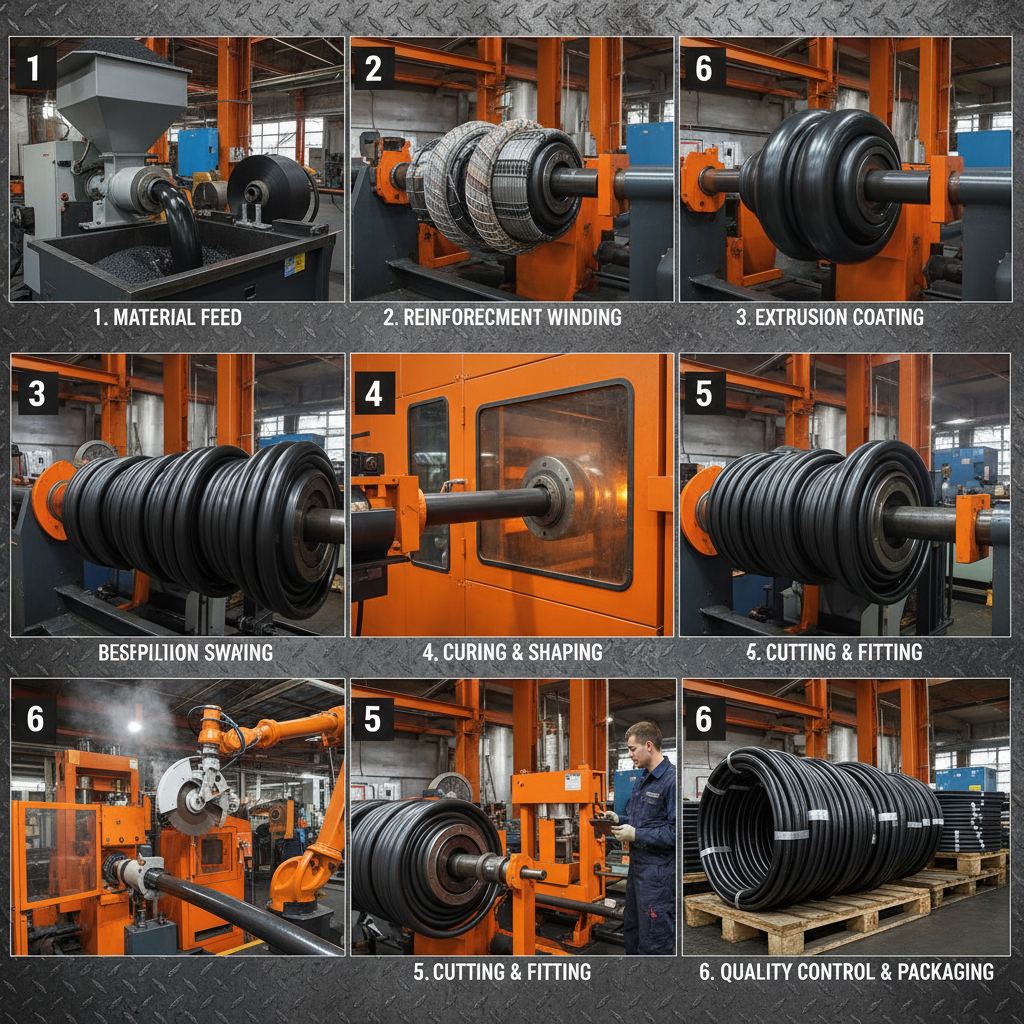
In simple terms, a braided chemical hose is a multi-layered tube designed to carry aggressive fluids. It consists of a chemical-resistant inner core (the liner), a reinforcement layer made of braided yarn or wire, and a protective outer cover. This "sandwich" construction allows the hose to be flexible enough for installation while remaining strong enough to handle high-pressure surges.
This design is directly connected to modern humanitarian and industrial needs. For instance, in the production of essential medicines and vaccines, purity is paramount. A braided chemical hose prevents the leaching of plasticizers into the fluid stream, ensuring that the chemicals being transported remain uncontaminated and potent.
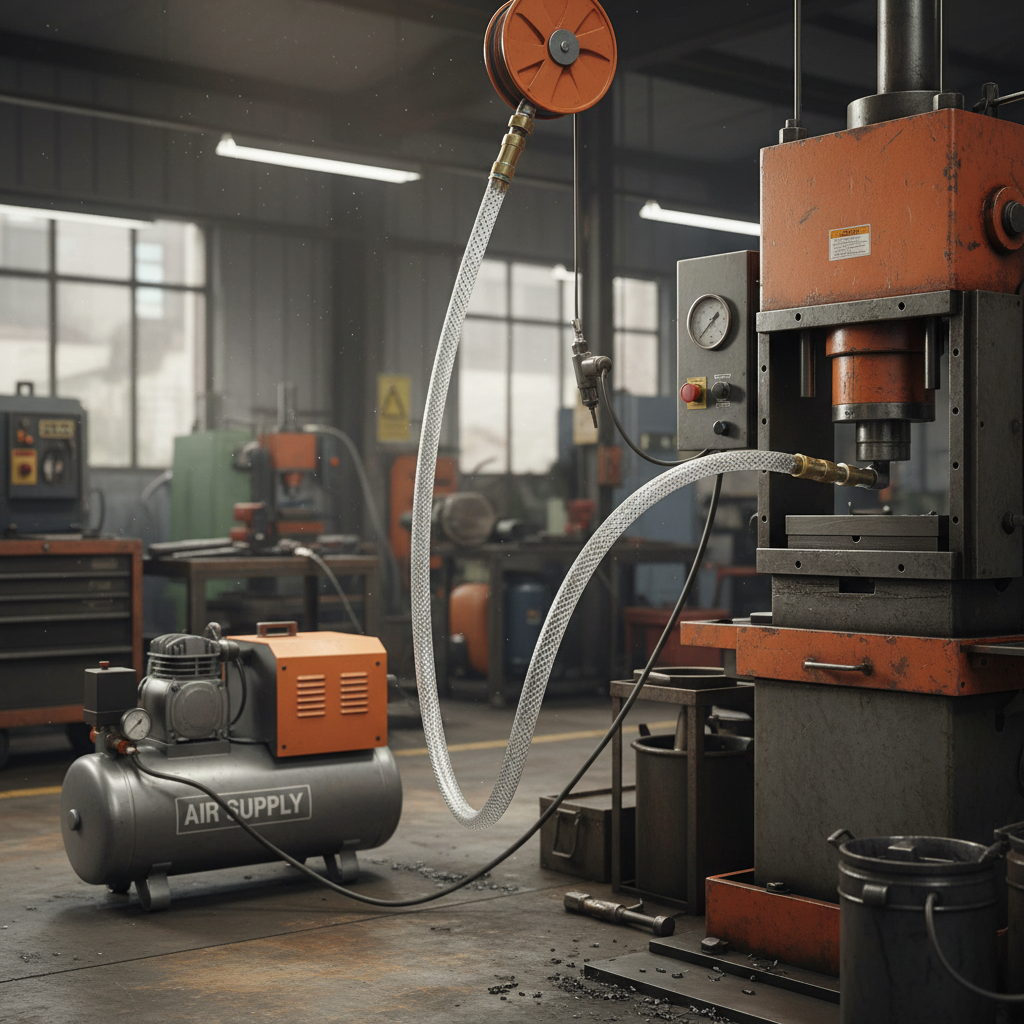
Beyond purity, the "braiding" aspect refers to the interlaced pattern of the reinforcement. Unlike spiral winding, braiding provides superior torsional stability, meaning the hose is less likely to kink or twist during movement. This makes the braided chemical hose the gold standard for mobile transfer applications where the hose must be moved frequently.
Core Components for Maximum Durability
The first pillar of a high-quality braided chemical hose is Material Compatibility. The inner liner must be specifically matched to the chemical being transported—whether it be PTFE for extreme acid resistance or EPDM for alkaline solutions. Using the wrong liner leads to rapid degradation and premature failure.
The second critical factor is Reinforcement Tensile Strength. The braiding layer, typically composed of high-tenacity polyester or stainless steel, prevents the hose from expanding under pressure. This structural integrity allows the braided chemical hose to maintain a consistent internal diameter, ensuring predictable flow rates and pressure drops.
Finally, Environmental Resilience refers to the outer cover's ability to withstand UV radiation, abrasion, and temperature extremes. A robust outer shell protects the braiding from oxidation and mechanical wear, ensuring that the braided chemical hose can operate in harsh outdoor environments without compromising the internal safety layers.
Comparative Performance and Efficiency
When evaluating the efficiency of fluid transfer, the choice of reinforcement significantly impacts the working pressure and service life. A braided chemical hose offers a balanced profile of flexibility and strength, outperforming rigid piping in dynamic settings and surpassing unreinforced hoses in high-pressure scenarios.
To illustrate the performance differences, we examine various braiding methods. While textile braids offer excellent flexibility for low-to-medium pressure, steel braids are essential for high-pressure chemical injection. The following data highlights the performance ratings of different braided chemical hose configurations based on industrial stress tests.
Braided Chemical Hose Performance Analysis
Global Applications and Industrial Use Cases
The versatility of the braided chemical hose makes it a staple in diverse sectors. In the agricultural industry, these hoses are used to transport concentrated fertilizers and pesticides from storage tanks to application machinery, where they must withstand both the caustic nature of the chemicals and the abrasive grit of field environments.
In more specialized contexts, such as remote mining sites or post-disaster relief operations, the braided chemical hose is used for the safe transfer of fuel and cleaning solvents. Its ability to be coiled and transported easily, combined with its high burst pressure, ensures that critical infrastructure can be maintained even in the most inaccessible regions of the world.
Long-Term Value and Safety Advantages
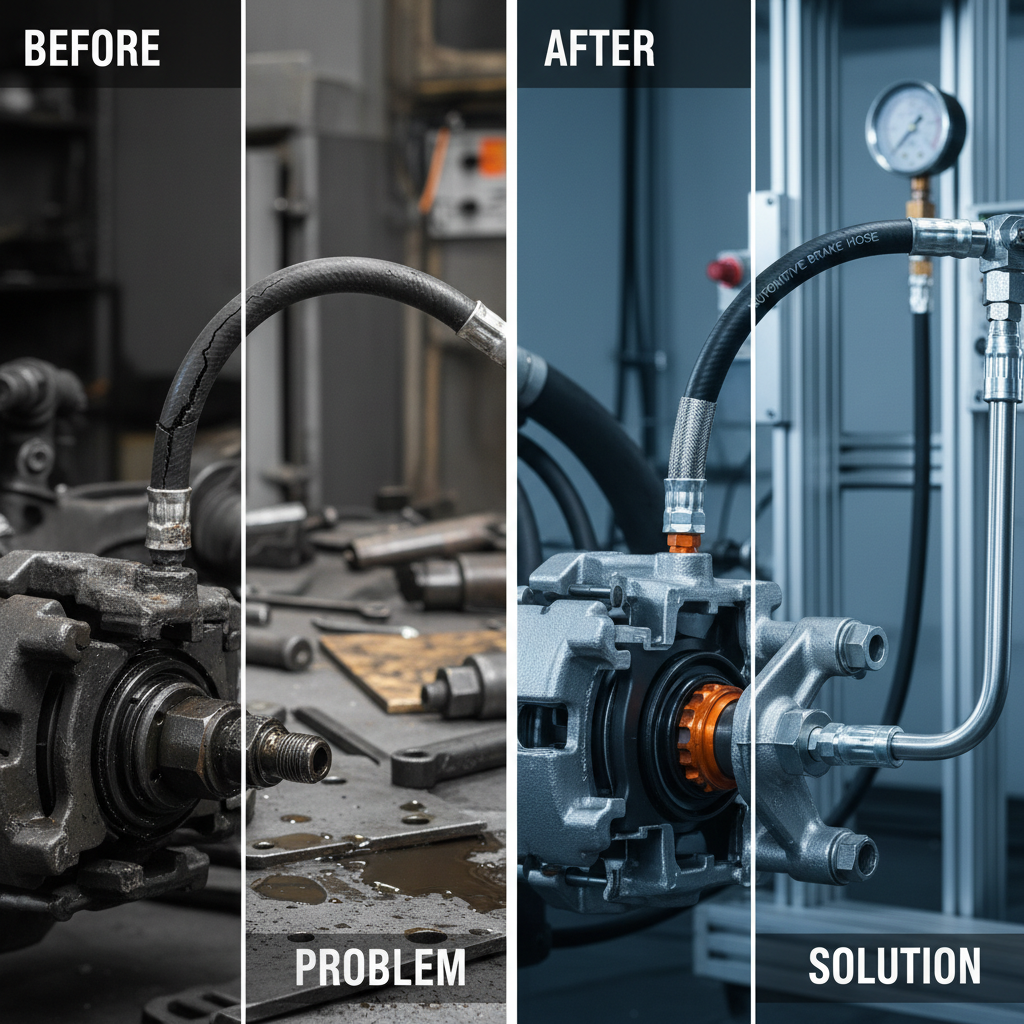
Investing in a premium braided chemical hose provides a tangible return on investment through reduced replacement cycles. While lower-grade hoses may seem cost-effective initially, their tendency to crack or leak under chemical stress leads to expensive emergency shutdowns and potential fines for environmental non-compliance.
Beyond the financial logic, there is an emotional and ethical angle: safety. The reliability of a reinforced braided chemical hose gives plant operators peace of mind. Knowing that the equipment can handle a pressure spike without failing protects the dignity and health of the workers, fostering a culture of trust and innovation within the facility.
Furthermore, sustainability is enhanced when hoses last longer. By reducing the volume of discarded rubber and plastic waste, the use of high-durability braided chemical hose solutions aligns industrial goals with global green initiatives, proving that high-performance engineering and ecological responsibility can coexist.
Future Trends in Chemical Hose Innovation
The future of the braided chemical hose is leaning heavily toward "smart" materials. We are seeing the emergence of hoses with embedded sensors that can detect wall thinning or chemical permeation in real-time. This digital transformation allows for predictive maintenance, where a hose is replaced exactly when it needs to be, rather than on a generic schedule.
Sustainability is also driving the development of bio-based polymers for the inner liners. Researchers are working on materials that offer the same chemical resistance as PTFE but are derived from renewable sources, reducing the carbon footprint of the braided chemical hose manufacturing process.
Additionally, automation in the braiding process is allowing for variable-density reinforcement. Future hoses may feature "zonal braiding," where the reinforcement is stronger at the connection points (where stress is highest) and more flexible in the middle, optimizing the braided chemical hose for specific geometric layouts.
Analysis of Braided Chemical Hose Material Configurations
| Liner Material |
Braid Type |
Pressure Rating |
Chemical Compatibility |
| PTFE (Teflon) |
Stainless Steel |
Very High |
Universal/Aggressive Acids |
| EPDM |
Polyester Yarn |
Medium |
Alkalines & Water-based |
| Nitrile (NBR) |
High-Tensile Nylon |
Medium-High |
Oil & Hydrocarbons |
| Viton (FKM) |
Stainless Steel |
High |
High-Temp Solvents |
| PVC Special |
Reinforced Polyester |
Low-Medium |
Mild Acids/General Purpose |
| Silicone |
Fiberglass Braid |
Low |
Medical/Food Grade Chemicals |
FAQS
The primary advantage is the reinforcement layer. While standard hoses rely solely on the material's wall thickness for strength, a braided chemical hose uses an interlaced mesh of steel or synthetic fiber. This significantly increases the burst pressure rating and prevents the hose from expanding or "ballooning" under high loads, which is critical when handling hazardous chemicals where a leak could be fatal.
Selection depends entirely on the chemical compatibility chart of the fluid you are transporting. For aggressive acids and high temperatures, PTFE is the best choice. For oils and fuels, Nitrile is preferred. For alkaline solutions, EPDM is ideal. We recommend consulting a chemical resistance guide or contacting a specialist to ensure the liner won't degrade or contaminate your product.
Yes, provided the materials are selected correctly. For example, a braided chemical hose with a Viton liner and stainless steel braid can operate in extreme heat and cold without becoming brittle or melting. The braid helps maintain the hose's shape even as the internal liner expands or contracts due to thermal changes.
In high-risk industrial environments, weekly visual inspections are recommended. Look for "snags" in the braiding, discoloration of the outer cover, or any stiffness in the hose. Because the braiding often hides the inner liner's degradation, we also suggest pressure testing the hose every 6-12 months to ensure it still meets the original safety specifications.
Generally, no. For safety reasons, a braided chemical hose that has sustained damage to its reinforcement layer or inner liner should be replaced immediately. Patching a chemical hose can create a weak point that is prone to failure under pressure, which is an unacceptable risk when transporting hazardous materials.
While they are made from synthetic polymers, their longevity makes them more sustainable than low-cost alternatives. A high-quality braided chemical hose reduces the frequency of replacements and prevents environmental contamination by eliminating leaks. Additionally, many manufacturers are now introducing recyclable outer covers to reduce the industrial waste footprint.
Conclusion
The braided chemical hose is far more than a simple tube; it is a precision-engineered safety device that enables the modern chemical and manufacturing industries to function reliably. By combining advanced liner materials with high-tensile braiding, these hoses solve the dual challenge of chemical corrosion and high-pressure stability, ensuring that hazardous substances are moved with maximum security and minimum waste.
Looking ahead, the integration of smart sensors and sustainable materials will only further enhance the reliability of these components. For any facility prioritizing safety, efficiency, and long-term cost reduction, upgrading to high-specification braided solutions is a strategic necessity. Visit our website for more professional solutions: www.pvcrubberhose.com