In the demanding world of industrial pneumatics, the selection of a high-performance braided airline hose is not merely a procurement choice but a critical safety and efficiency decision. These specialized conduits are engineered to handle compressed air with precision, ensuring that power is delivered from the compressor to the tool without significant pressure drops or catastrophic failures. By integrating a reinforcing braid into the hose wall, manufacturers can provide a level of burst protection and structural integrity that standard rubber tubing simply cannot match.
Globally, the shift toward automated manufacturing and heavy-duty infrastructure has increased the reliance on robust air distribution systems. Whether in a high-tech automotive assembly plant in Germany or a remote mining operation in Australia, the stability of the airflow depends heavily on the quality of the hosing used. A failure in a standard line can lead to costly downtime, workplace injuries, and significant energy waste, making the adoption of reinforced braided solutions a global industry standard for risk mitigation.
Understanding the nuances of braided airline hose technology allows facility managers and engineers to optimize their operational uptime. From selecting the right material—be it synthetic rubber or specialized PVC—to understanding the impact of braiding angles on flexibility and pressure ratings, the technical details dictate the longevity of the equipment. This guide explores the engineering, application, and future of these essential components in the modern industrial landscape.
Global Industrial Relevance of Braided Airline Hose
The global industrial landscape is increasingly governed by ISO standards that emphasize safety and energy efficiency. In this context, the braided airline hose serves as a vital link in the "energy chain" of a factory. Statistics from industrial safety boards indicate that a significant percentage of pneumatic failures occur due to hose ruptures, often caused by pressure surges or external abrasion. By employing a braided reinforcement layer, industries can drastically reduce these incidents, ensuring a safer environment for workers.
Moreover, as emerging economies in Southeast Asia and Africa scale their manufacturing capabilities, the demand for standardized, high-pressure air delivery systems has surged. The ability of a braided hose to maintain its diameter under high pressure prevents the "ballooning" effect common in unreinforced hoses, which directly translates to more consistent tool performance and lower compressor energy consumption.
Defining the Engineering of Braided Airline Hose
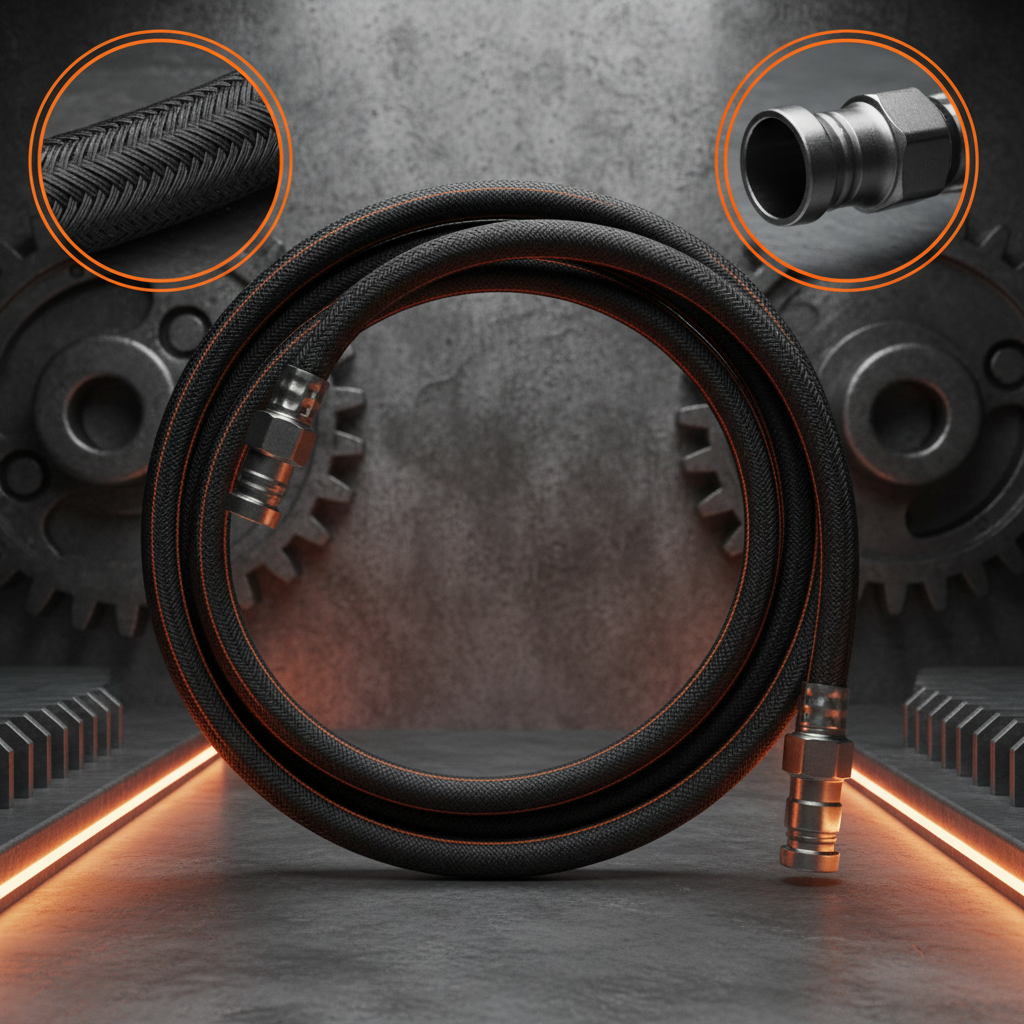
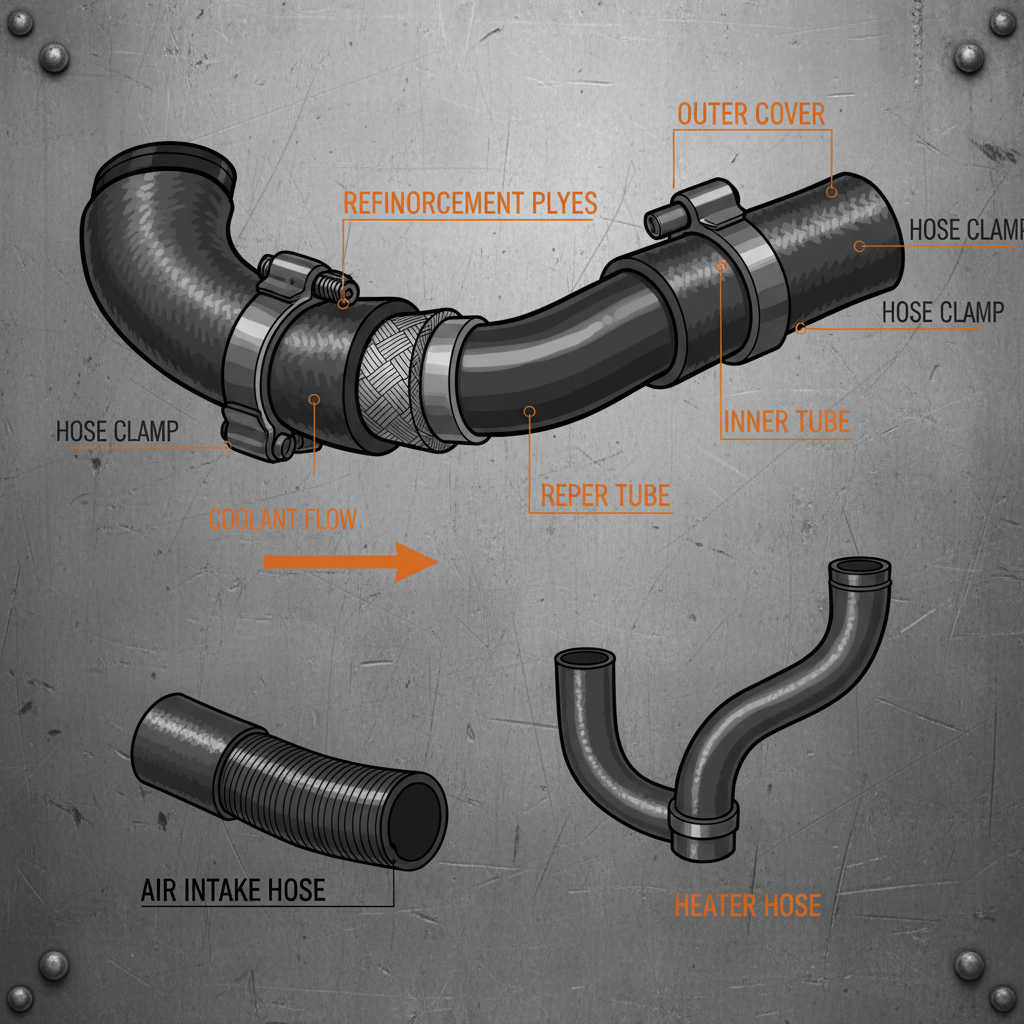
At its core, a braided airline hose is a composite structure designed to balance flexibility with extreme tensile strength. It typically consists of an inner tube made of oil-resistant or air-impermeable rubber, a middle layer of braided textile or synthetic yarn (such as nylon or polyester), and an outer protective cover. This "sandwich" construction allows the hose to withstand internal pressures that would otherwise burst a single-layer tube.
The braiding process is a sophisticated weaving technique where fibers are interlaced in a crisscross pattern. This geometry is crucial because it distributes the radial stress evenly across the hose wall. When the air pressure increases, the braid tightens, effectively "locking" the inner tube and preventing expansion. This mechanical synergy is what makes braided hoses indispensable for high-pressure pneumatic tools and industrial air lines.
Beyond simple strength, the engineering of these hoses addresses the need for humanitarian and critical infrastructure support. In disaster relief, where portable compressors power essential cutting and clearing tools, the reliability of the air line is a matter of life and death. The braided design ensures that the hose can be dragged across rough terrain without compromising its internal structure, providing a dependable energy source in the most challenging environments.
Core Components and Durability Factors
The longevity of a braided airline hose is primarily determined by the quality of its inner liner. High-grade synthetic rubbers are utilized to ensure that the hose does not degrade when exposed to compressor oils or atmospheric moisture. A seamless interior prevents turbulence and reduces the risk of internal erosion, which is critical for maintaining a constant flow rate over thousands of hours of operation.
The braiding material represents the "skeleton" of the hose. While nylon offers superior strength-to-weight ratios, polyester is often preferred for its cost-efficiency and stability. The density of the braid—the number of intersections per inch—directly correlates to the Working Pressure (WP). A tighter braid provides higher burst resistance but may slightly reduce the bend radius, requiring engineers to choose a balance based on the specific layout of the workshop.
Finally, the outer cover acts as the first line of defense against the environment. Whether it is UV-resistant PVC for outdoor use or abrasion-resistant rubber for floor-level deployment, the cover prevents the braid from being frayed. Without a robust outer layer, the structural fibers of the braided airline hose would be exposed to chemicals and friction, leading to rapid degradation and potential failure.
Performance Metrics and Pressure Ratings
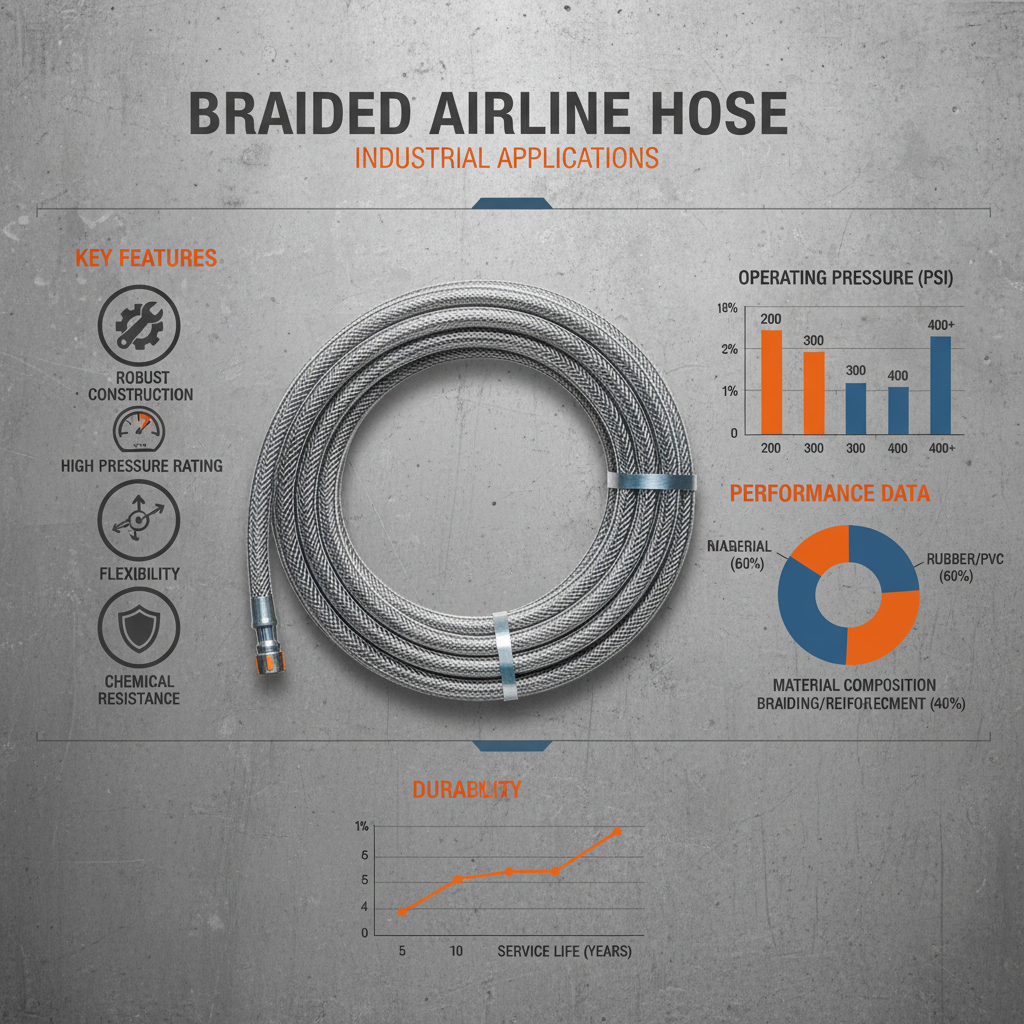
When evaluating a braided airline hose, the most critical metrics are the Working Pressure (WP) and the Burst Pressure (BP). The Working Pressure is the maximum pressure the hose can safely handle during continuous operation, while the Burst Pressure is the point of total failure—usually rated at a 3:1 or 4:1 safety factor. This ensures that even during a sudden pressure spike, the hose remains intact.
Another key performance indicator is the "Kink Resistance." A high-quality braided hose can be bent to a specific minimum radius without collapsing the inner lumen. This is essential in tight industrial spaces where hoses must navigate around machinery. The interplay between the braid angle and the elastomer hardness determines how well the hose recovers its shape after being bent, preventing permanent creases that restrict airflow.
Comparative Performance of Braided Airline Hose Variants
Global Applications and Use Cases
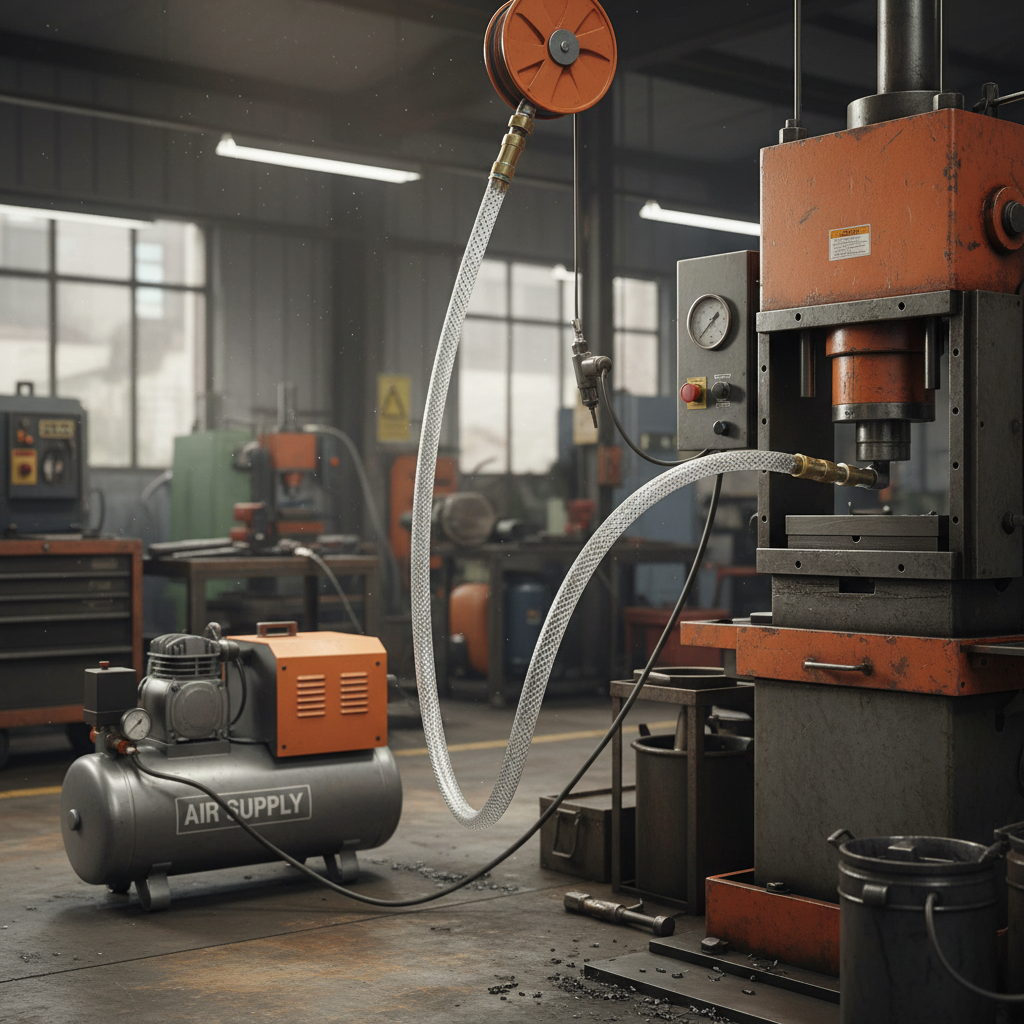
The versatility of the braided airline hose makes it a staple across diverse sectors. In the automotive industry, these hoses are used to power pneumatic wrenches and paint sprayers, where a steady air pressure is non-negotiable for a flawless finish. In the aerospace sector, specialized braided lines are used during the assembly of airframes, ensuring that high-torque tools operate with maximum efficiency without the risk of hose rupture.
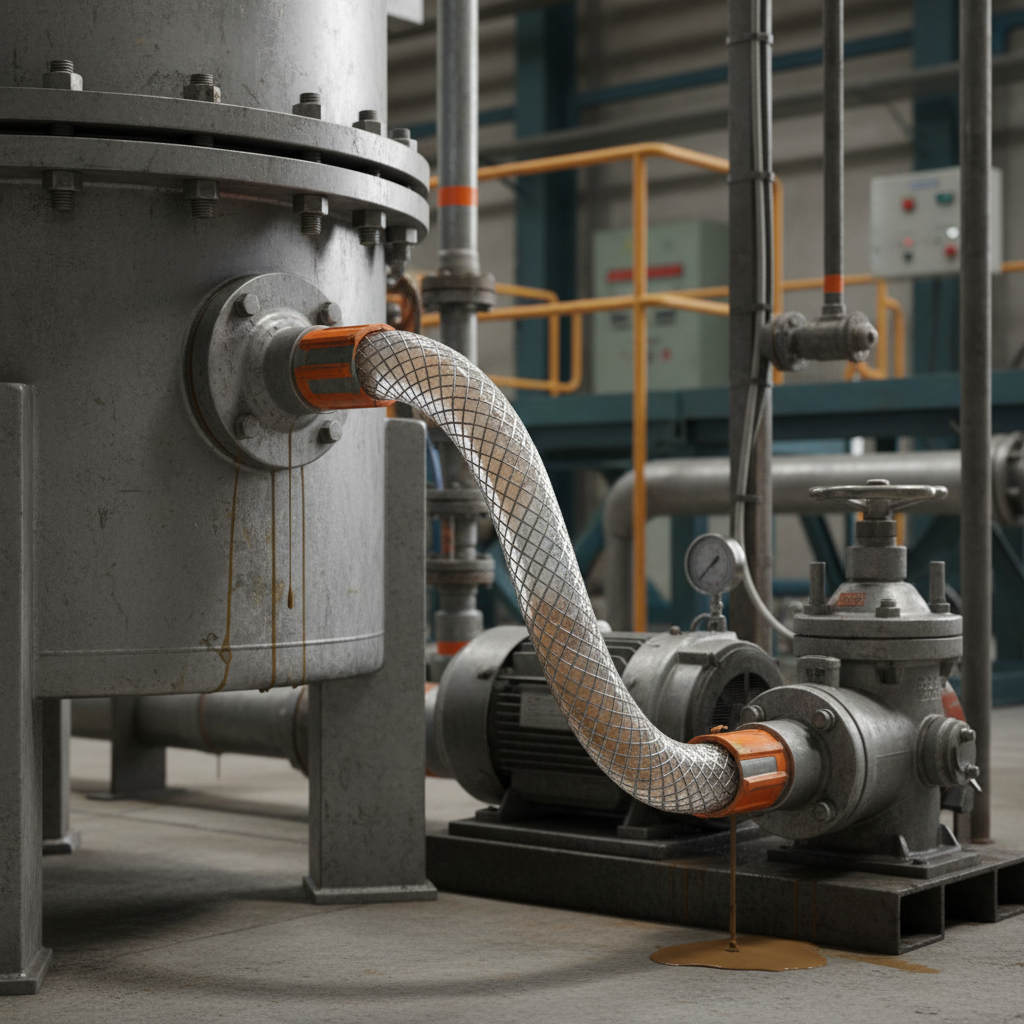
Beyond the factory floor, braided hoses are critical in remote industrial zones, such as oil rigs and mining sites. In these environments, the hose is subjected to extreme temperatures and abrasive dust. The reinforced structure protects the air supply from external crushing and chemical corrosion, ensuring that critical machinery remains operational even in the harshest climates. In post-disaster relief operations, they are used for rapid deployment of portable power tools, where durability is a prerequisite for speed.
Long-Term Value and Sustainability
Investing in a premium braided airline hose provides significant long-term economic value by reducing the frequency of replacements. While a standard rubber hose might fail every six months in a high-traffic workshop, a braided variant can last for years. This reduction in waste not only lowers procurement costs but also aligns with global sustainability goals by reducing the volume of synthetic rubber ending up in landfills.
From a safety perspective, the emotional value of reliability cannot be overstated. Workers feel a sense of trust and dignity when they operate equipment that is safe and efficient. A burst hose is not just a technical failure; it is a traumatic event that can cause injury. By implementing braided solutions, companies demonstrate a commitment to employee welfare and operational excellence, fostering a culture of safety and innovation.
Furthermore, the energy efficiency gained from reducing pressure leaks contributes to a lower carbon footprint. Leaking air is essentially wasted electricity. By ensuring a tight, reinforced seal throughout the pneumatic network, facilities can reduce their compressor run-time, leading to direct energy savings and a meaningful reduction in GHG emissions.
Future Trends in Hose Material Science
The future of the braided airline hose is being shaped by the integration of "smart" materials and green chemistry. We are seeing the emergence of bio-based polymers that offer the same strength as petroleum-based rubbers but with a fraction of the environmental impact. These eco-friendly elastomers are being paired with recycled high-tenacity yarns to create a fully circular product lifecycle.
Digital transformation is also entering the hosing world. Experimental "smart hoses" are being developed with embedded sensors in the braid layer that can detect micro-leaks or wall thinning in real-time. This allows for predictive maintenance, where a hose is replaced based on its actual structural health rather than a predetermined schedule, further reducing downtime and waste.
Automation and 3D weaving are also refining how these hoses are produced. By controlling the braid angle with micron-level precision, manufacturers can create hoses with "variable flexibility"—stiff at the ends for fitting stability and highly flexible in the middle for ease of movement. This level of customization will allow the braided airline hose to adapt to the most complex robotic arm movements in Industry 4.0.
Technical Analysis of Braided Airline Hose Material Variations
| Braid Material |
Pressure Capacity |
Flexibility Index |
Environmental Resistance |
| Nylon 66 |
High |
Excellent |
Moderate |
| Polyester |
Medium |
Very Good |
High (UV) |
| Stainless Steel |
Extreme |
Low |
Extreme |
| Aramid (Kevlar) |
Very High |
Good |
High (Heat) |
| Polypropylene |
Low-Medium |
Excellent |
High (Chemical) |
| Composite Hybrid |
High |
Very Good |
Very High |
FAQS
The primary advantage is the reinforcement layer. While standard hoses rely solely on the elastomer for strength, a braided airline hose utilizes a woven fabric or metal layer that resists radial expansion. This allows for significantly higher working pressures, prevents the hose from bursting under sudden spikes, and provides a level of abrasion resistance that extends the product's lifespan in harsh industrial environments.
You should look at the Working Pressure (WP) rather than the Burst Pressure. Your compressor's maximum output should be well within the WP of the hose. For a safety margin, it is recommended to choose a hose with a WP that is at least 20% higher than your maximum system pressure. Always check the markings printed on the hose jacket for these specific certifications.
It depends on the inner tube material. Most high-quality braided airline hoses are designed with an oil-resistant synthetic rubber liner (like NBR). However, you must verify the material specifications. If the hose is designed only for clean air and is exposed to oil, the inner liner may soften and degrade, potentially causing the braid to separate from the tube and lead to failure.
In heavy-industrial settings, a monthly visual inspection is recommended. Look for "bubbling" on the outer cover, which indicates an internal failure of the braid, or fraying where the hose bends. In critical safety environments, a pressure-drop test every quarter can help identify micro-leaks that are not visible to the naked eye but affect efficiency.
Yes, the material and the braid angle directly impact flexibility. Nylon braids are generally more flexible and lightweight, making them ideal for handheld tools. Steel braids offer maximum pressure resistance but are much stiffer. When choosing, consider your "minimum bend radius"—if the hose needs to navigate tight corners, a textile braid is usually a better choice than a metal one.
While traditionally made from synthetic polymers, the industry is moving toward sustainable options. Braided hoses are inherently more sustainable than non-braided ones because they last significantly longer, reducing the frequency of waste. Additionally, many manufacturers are now introducing hoses made from recycled polyester and bio-based elastomers to lower the total carbon footprint of pneumatic systems.
Conclusion
The braided airline hose is more than just a conduit for air; it is a sophisticated piece of industrial engineering that bridges the gap between power and performance. By combining high-strength braiding with durable elastomers, these hoses ensure that industrial operations remain safe, energy-efficient, and reliable. From the critical safety metrics of burst pressure to the long-term economic benefits of reduced downtime, the value of reinforced hosing is evident across every global manufacturing sector.
Looking forward, the integration of smart sensing and bio-based materials will continue to evolve the role of pneumatic conduits. We encourage facility managers and engineers to move beyond "commodity buying" and instead invest in high-spec braided solutions that prioritize longevity and operator safety. For those seeking the highest standards in industrial hosing, choosing a partner committed to quality and innovation is the first step toward an optimized workspace. Visit our website: www.pvcrubberhose.com