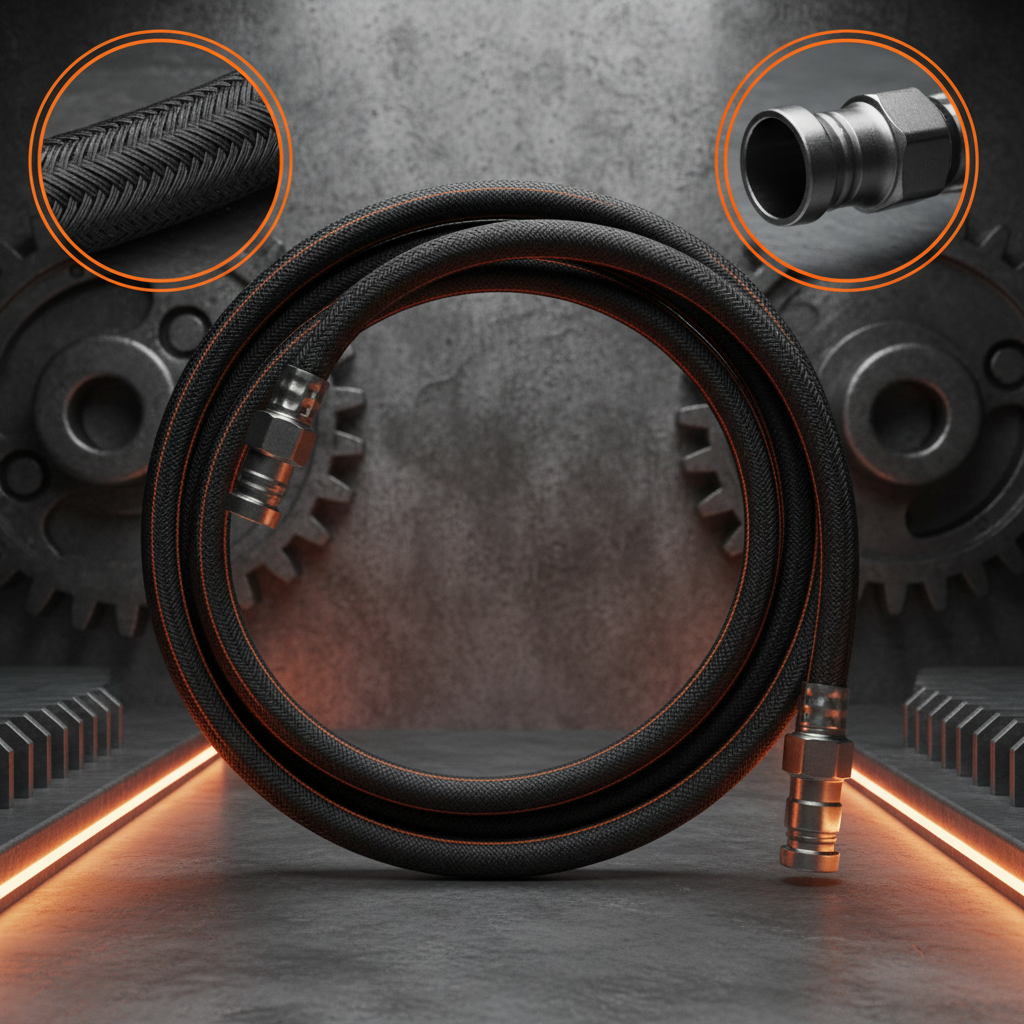
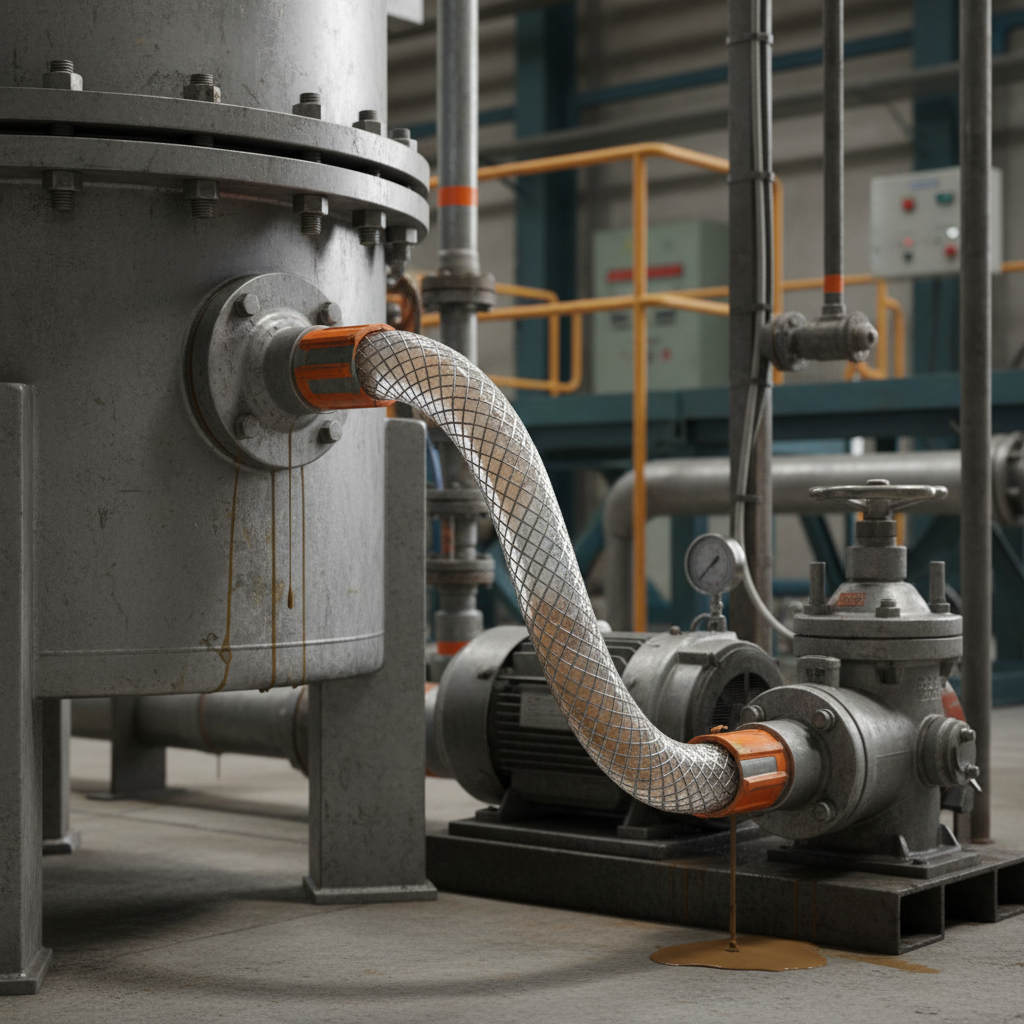
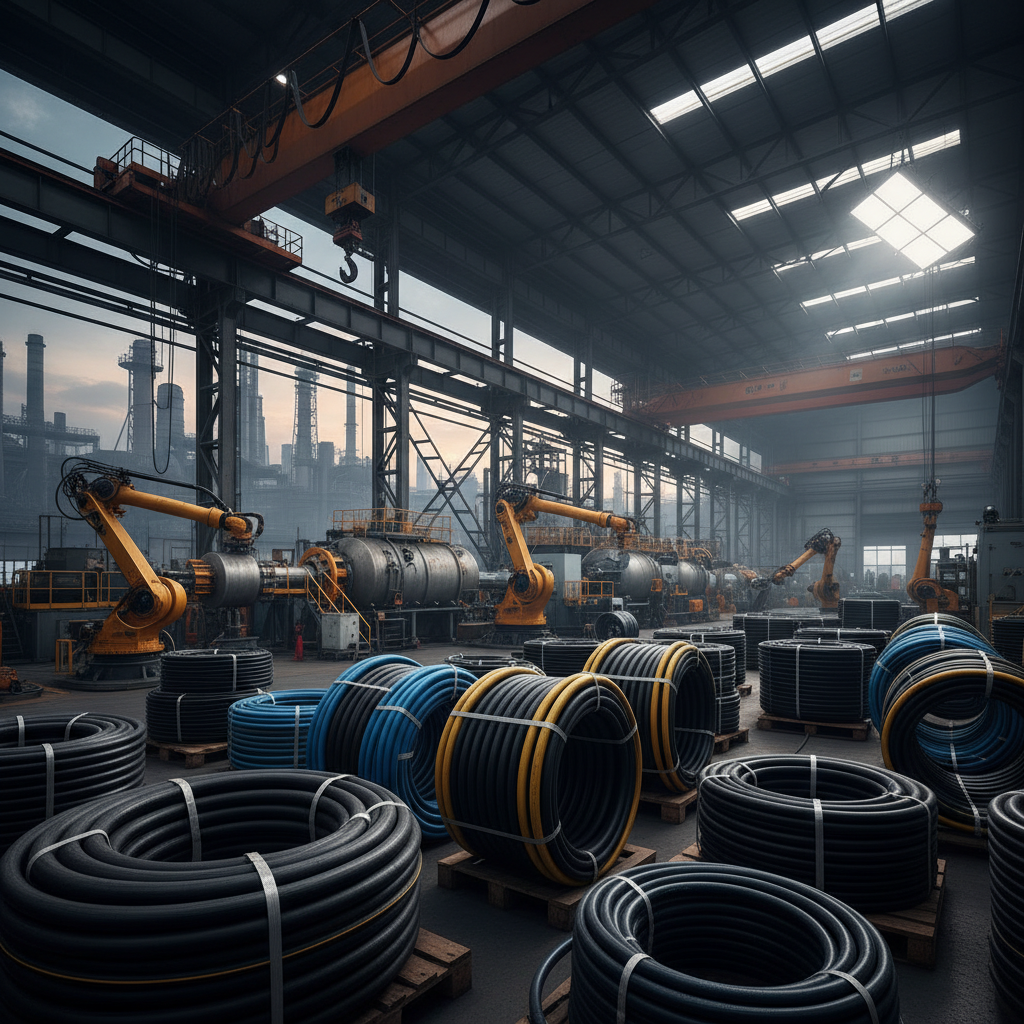
Automotive rubber hose isn’t just about transferring fluids; it’s the lifeblood of modern vehicles, ensuring everything from engine cooling to brake performance operates safely and efficiently. It’s a surprisingly complex field, continually evolving to meet increasingly demanding performance standards and environmental regulations. After years on construction sites, dealing with everything from reinforced concrete to intricate piping, I’ve come to appreciate the silent, critical role robust materials play. The automotive industry demands the same – reliability under pressure, resistance to harsh conditions, and a lifespan that minimizes downtime.
What really struck me early on, spending time with engineers and mechanics, is the sheer number of applications. It's not just the big, obvious coolant lines. It's the fuel injection hoses, the vacuum lines, the power steering connections—a whole network operating under the hood. Understanding the specific demands of each application—temperature, pressure, chemical exposure—is key. It’s similar to selecting the right grade of steel for a bridge; one size certainly doesn’t fit all.
The global automotive industry is a massive undertaking. In 2023, global vehicle production reached nearly 90 million units (OICA). That translates into a huge demand for high-quality automotive rubber hose, and manufacturers are constantly striving for innovation to meet tighter emission standards and improve fuel efficiency. The challenge isn't simply producing hose, it’s ensuring it consistently meets stringent quality control measures while maintaining cost-effectiveness.
The Importance of Automotive Rubber Hose
Automotive rubber hose is far more crucial than many people realize. It’s not merely a connection point; it’s a critical component responsible for maintaining fluid integrity and system pressure. Having spent years observing infrastructure projects, the failure of a seemingly small component can cascade into major problems. The same principle applies here – a compromised hose can lead to engine overheating, brake failure, or fuel leaks, all with potentially catastrophic consequences.
It’s a constantly evolving area driven by the demands of higher engine temperatures, more aggressive fluids, and stricter environmental regulations. What worked five years ago may not cut it today. That’s why continuous material development and rigorous testing are paramount.
Defining Automotive Rubber Hose
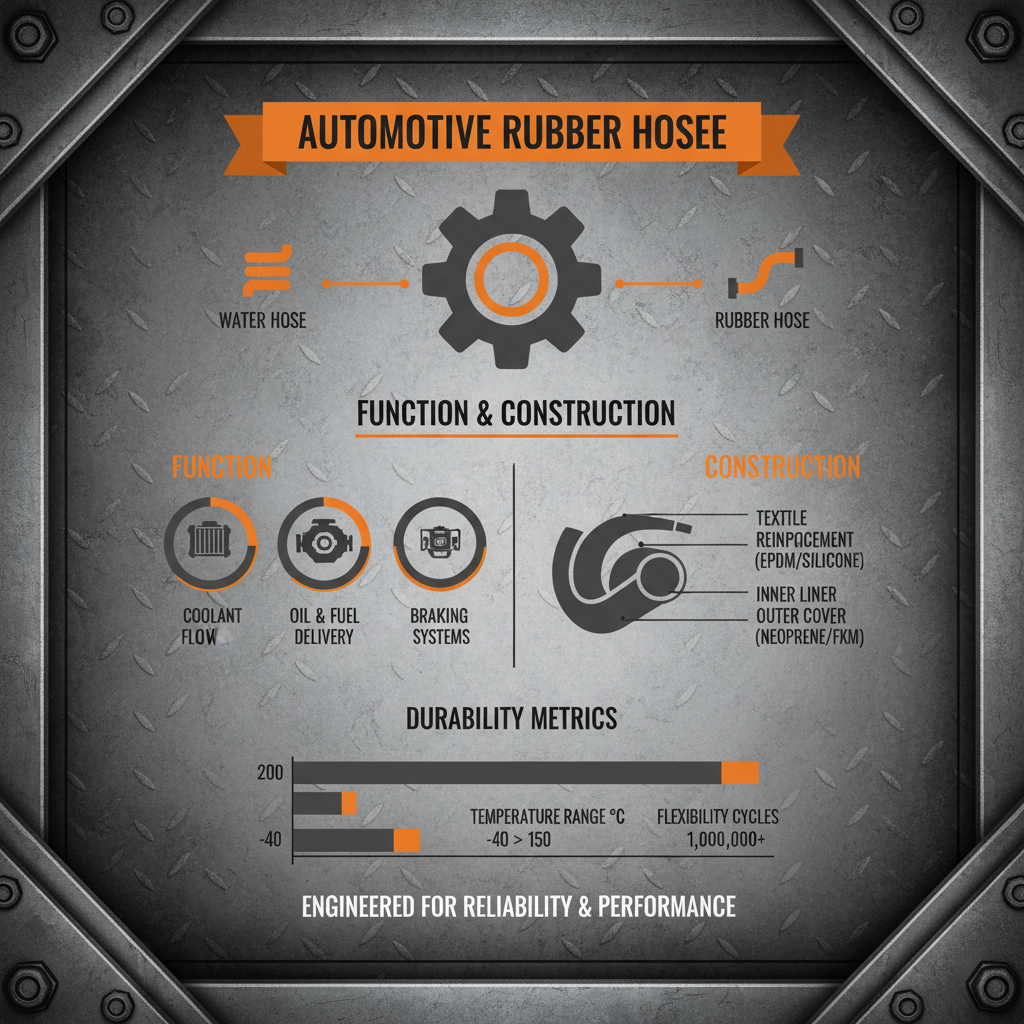
At its core, automotive rubber hose is a flexible conduit designed to safely and efficiently transport fluids within a vehicle. But that's a simplified view. It's not just about the rubber; it’s the combination of the rubber compound, reinforcing layers (often textiles or steel wire), and the internal liner that determine its suitability for a specific application. Think of it like a layered construction, each component contributing to the overall performance.
This technology is deeply interwoven with modern industry. The automotive sector’s relentless pursuit of efficiency and performance necessitates ever-more sophisticated hose designs. It connects directly to humanitarian needs too – reliable transportation is essential for emergency services, disaster relief, and basic infrastructure in many parts of the world.
The selection of materials is a key part of the design. Different rubber compounds – EPDM, nitrile, silicone – each offer unique properties in terms of temperature resistance, chemical compatibility, and flexibility. Choosing the right material for the job is essential.
Key Factors in Automotive Rubber Hose Performance
Durability: This is paramount. Hoses need to withstand constant flexing, vibration, and exposure to extreme temperatures. Having seen structures fail due to material fatigue, I know a robust design and quality materials are crucial. A hose that fails prematurely leads to costly repairs and potential safety hazards.
Chemical Resistance: Modern fuels, coolants, and lubricants are increasingly aggressive. The hose material must be able to resist degradation from these chemicals to maintain its integrity and prevent leaks. We see the same principle at play in chemical processing plants; selecting the right materials to resist corrosion is essential.
Temperature Resistance: Engine temperatures fluctuate wildly, and hoses need to maintain their flexibility and pressure rating across a broad temperature range. The material selection and construction play a vital role.
Pressure Rating: Each application has a specific pressure requirement. The hose must be able to withstand that pressure without bursting or leaking. Reinforcement layers are key to achieving the necessary pressure rating.
Flexibility: Hoses need to be flexible enough to accommodate engine movement and vibration without kinking or cracking. A balance between flexibility and durability is essential.
Global Applications and Automotive Rubber Hose Use Cases
Automotive rubber hose is ubiquitous in vehicle manufacturing worldwide. Major automotive production hubs like China, Germany, Japan, and the United States represent significant demand centers. It’s not limited to passenger cars, though. Heavy-duty trucks, buses, agricultural equipment, and even motorcycles all rely on these components.
We see it integrated into advanced driver-assistance systems (ADAS) for cooling sensors and actuators, and in electric vehicles (EVs) for thermal management of battery packs. The increasing complexity of vehicle systems only increases the demand for specialized hose designs.
In remote industrial zones, where maintaining vehicle fleets is critical for operations, the reliability of automotive rubber hose can directly impact productivity. Likewise, in post-disaster relief operations, ensuring that emergency vehicles remain operational depends on the integrity of these seemingly small, but vitally important components.
Automotive Rubber Hose Application Performance
Advantages and Long-Term Value of Automotive Rubber Hose
The benefits of high-quality automotive rubber hose extend far beyond simply preventing leaks. Cost savings are significant – fewer repairs, reduced downtime, and increased vehicle lifespan all contribute to a lower total cost of ownership. From a sustainability standpoint, durable hoses reduce the need for frequent replacements, minimizing waste.
More importantly, it's a matter of safety. A failing hose can lead to dangerous situations, so investing in reliable components builds trust with consumers and protects brand reputation. There’s a peace of mind that comes with knowing critical systems are functioning correctly, and that’s a value you can’t put a price on.
Future Trends and Innovations in Automotive Rubber Hose
The future of automotive rubber hose is tied to the broader trends in the automotive industry. We’re seeing a shift towards lighter materials, increased fuel efficiency, and the rise of electric vehicles. This demands hoses that can handle new fluids, operate at higher temperatures, and withstand the unique challenges of EV thermal management systems.
Research into new rubber compounds, incorporating nanomaterials for increased strength and durability, is underway. We’re also seeing the development of smart hoses with integrated sensors that can monitor pressure, temperature, and fluid levels, providing valuable diagnostic information.
Challenges and Solutions in Automotive Rubber Hose Manufacturing
One of the biggest challenges is maintaining consistent quality while meeting demanding production volumes. Automated testing and inspection processes are crucial. Another key challenge is reducing the environmental impact of hose manufacturing. Developing more sustainable rubber compounds and reducing waste are priorities.
Digitalization and data analytics are playing an increasingly important role. By collecting and analyzing data from the manufacturing process, we can identify areas for improvement and optimize performance. Collaboration between hose manufacturers, automotive OEMs, and material suppliers is also essential to drive innovation.
Supply chain disruptions, like we’ve seen recently, highlight the need for diversification of sourcing and robust inventory management. Building resilient supply chains is vital to ensure a consistent flow of high-quality materials.
Summary of Key Challenges and Solutions in Automotive Rubber Hose Manufacturing
| Challenge |
Impact on Automotive Rubber Hose |
Proposed Solution |
Implementation Priority (1-5) |
| Maintaining Consistent Quality |
Increased defect rates, reduced reliability |
Implement automated inspection systems |
5 |
| Environmental Impact |
Waste generation, unsustainable materials |
Develop bio-based rubber compounds |
4 |
| Supply Chain Disruptions |
Production delays, increased costs |
Diversify sourcing, build strategic partnerships |
5 |
| Rising Material Costs |
Reduced profit margins, increased product prices |
Optimize material usage, explore alternative materials |
3 |
| Meeting Stringent Regulations |
Increased compliance costs, potential penalties |
Invest in testing and certification |
4 |
| Adapting to New Technologies |
Requires new skills and resources |
Invest in R&D, training, and process automation |
3 |
FAQS
The lifespan of automotive rubber hose varies greatly depending on the application, operating conditions, and quality of the material. Generally, coolant hoses should be inspected every 30,000 miles and replaced every 4-5 years. Fuel and brake hoses may have slightly longer lifespans, but should also be regularly inspected for cracks, leaks, or swelling. Environmental factors like temperature extremes and exposure to harsh chemicals can significantly shorten lifespan. Preventative maintenance is key to avoiding unexpected failures.
Common signs of a failing hose include visible cracks, bulges, or soft spots. You might also notice coolant or fuel leaks around the hose connections. In some cases, you may experience reduced engine performance, overheating, or difficulty braking. A sweet, syrupy smell can indicate a coolant leak, while a strong fuel odor suggests a fuel hose issue. Don't ignore these signs – address them promptly to prevent more serious problems.
The best rubber for automotive hose depends on the specific application. EPDM (ethylene propylene diene monomer) is a common choice for coolant hoses due to its excellent heat and chemical resistance. Nitrile rubber is often used for fuel lines because of its resistance to petroleum-based products. Silicone rubber is ideal for high-temperature applications and offers superior flexibility. Selecting the right rubber compound is crucial for ensuring optimal performance and longevity.
When inspecting hoses, visually check for any cracks, bulges, or signs of wear. Gently squeeze the hose to check for soft spots or collapsing areas. Look for any leaks around the connections. Pay attention to the hose clamps to ensure they are secure and not corroded. It’s also helpful to check the hose for any residue or staining, which could indicate a leak. Always inspect hoses when the engine is cool.
While temporary repairs might be possible with hose clamps and patching materials, it's generally not recommended to repair a damaged hose permanently. Repairs often fail under pressure, leading to leaks or complete hose failure. Replacing the damaged hose is the safest and most reliable solution. It ensures proper function and prevents potential safety hazards.
Modern automotive rubber hoses contribute to fuel efficiency by minimizing fluid leaks and maintaining optimal system pressure. Leaks can reduce engine performance and increase fuel consumption. High-quality hoses with tight seals and precise dimensions ensure efficient fluid transfer, contributing to improved fuel economy. Furthermore, lighter-weight hose materials can slightly reduce overall vehicle weight, further enhancing fuel efficiency.
Conclusion
In conclusion, automotive rubber hose is a deceptively complex but critically important component of modern vehicles. Its performance directly impacts safety, reliability, and efficiency. From material selection to manufacturing processes, continuous innovation is driven by ever-increasing demands from the automotive industry. Understanding the key factors influencing hose performance – durability, chemical resistance, temperature tolerance, and pressure rating – is crucial for both manufacturers and vehicle owners.
Looking ahead, the integration of smart technologies and the development of sustainable materials will shape the future of automotive rubber hose. Investing in research and development, embracing digitalization, and prioritizing quality control are essential for meeting the challenges and capitalizing on the opportunities that lie ahead. For more information on high-quality automotive rubber hose solutions, visit our website: www.pvcrubberhose.com