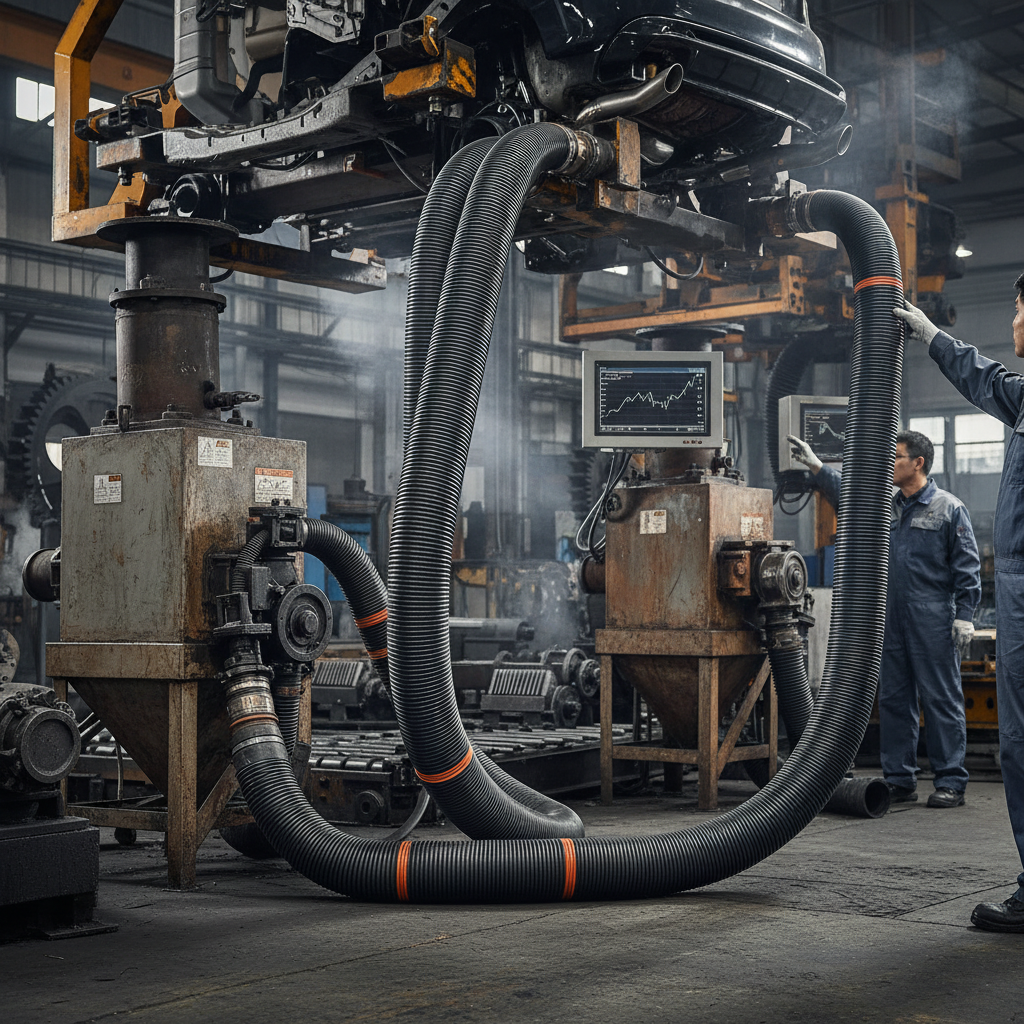
Look, I’ve spent the last twenty years knee-deep in concrete, dust, and dealing with deadlines on construction sites. And if there's one thing a site manager hates, it’s a failure – especially when it’s preventable. That's why understanding your hose, especially a good, reliable black rubber hose, isn't just about specs, it’s about keeping the project moving, keeping people safe, and frankly, keeping your sanity. We’re talking about the lifeblood of a job site: water, air, slurry, you name it. If that flow stops, everything grinds to a halt.
It’s not glamorous work, dealing with hoses. But it’s critical. I’ve seen projects stalled for days because of a burst hose, costing companies thousands. I've seen near misses because someone tried to patch a failing line instead of replacing it. A quality black rubber hose is an investment, not an expense. Think about it - the cost of downtime, the cost of repairs, the potential liability… it all adds up fast.
The biggest misconception? That all hoses are created equal. They are not. You get what you pay for. Cheap hoses crack, kink, and fail. A dependable black rubber hose, built to withstand the rigors of a construction site, can make or break a schedule. It's the small things that make the big difference, and the hose is one of those things.
The Importance of black rubber hose on the Job Site
Let's be clear: a construction site is a demanding environment. Black rubber hose isn't a luxury; it's a necessity. We’re talking about transferring everything from potable water for crews to abrasive slurries in concrete pouring. It needs to hold up to extreme temperatures, constant bending, and the occasional impact from heavy machinery. It’s not just about moving the material; it’s about moving it reliably and safely.
I’ve seen projects held up because a cheap hose couldn't handle the pressure, leading to leaks and downtime. That downtime isn’t just frustrating; it’s expensive. Every minute a crew is waiting, someone is losing money. Investing in a high-quality black rubber hose is a proactive step to minimize those risks and keep the project on schedule.
Defining black rubber hose: More Than Just a Tube
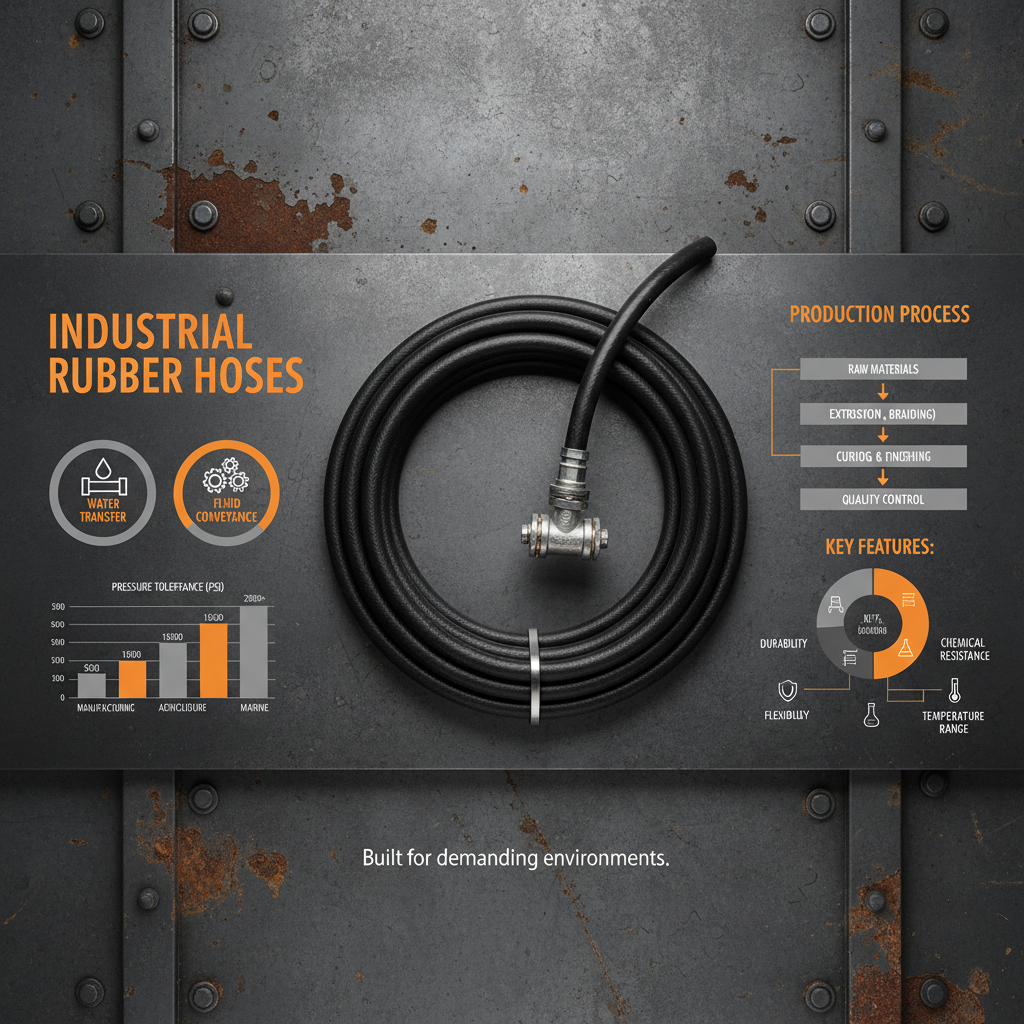
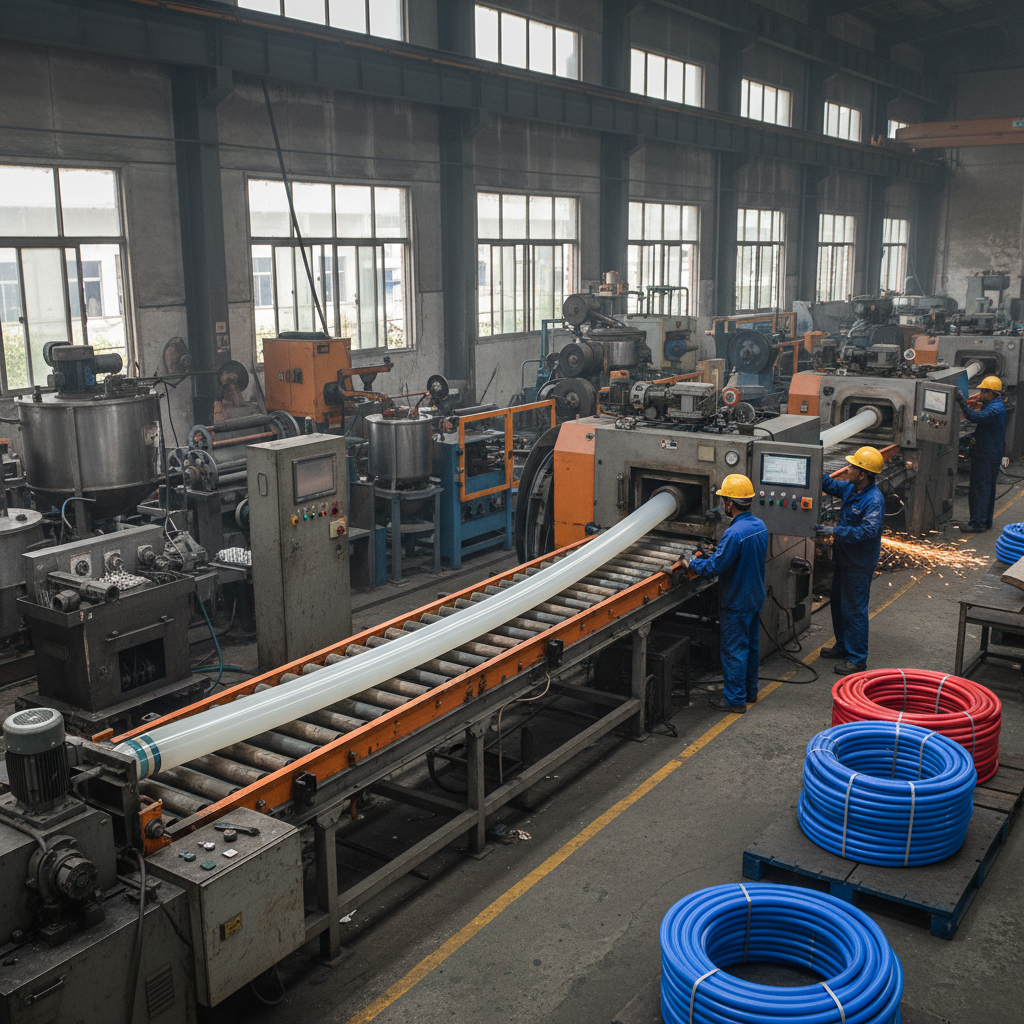
Now, when I say “black rubber hose”, I’m not talking about the garden variety you find at the hardware store. We’re talking about a specifically engineered product designed for industrial and construction applications. Typically, these hoses are constructed with multiple layers – an inner tube for fluid compatibility, reinforcing layers for strength, and an outer cover for abrasion and weather resistance. The 'black' comes from the rubber compound, which often includes synthetic rubbers like EPDM or nitrile for enhanced durability and chemical resistance.
The connection to modern industry is pretty straightforward. Everything from large-scale infrastructure projects to smaller renovations relies on the efficient and safe transfer of fluids and materials. Think about concrete pumping, dust control, water blasting, even supplying potable water to remote sites. A dependable hose is the backbone of these operations.
It directly addresses the challenge of reliably moving materials in harsh environments. Without it, projects stall, safety is compromised, and costs skyrocket. A well-chosen black rubber hose is a fundamental component of a successful operation.
Key Characteristics of Durable black rubber hose
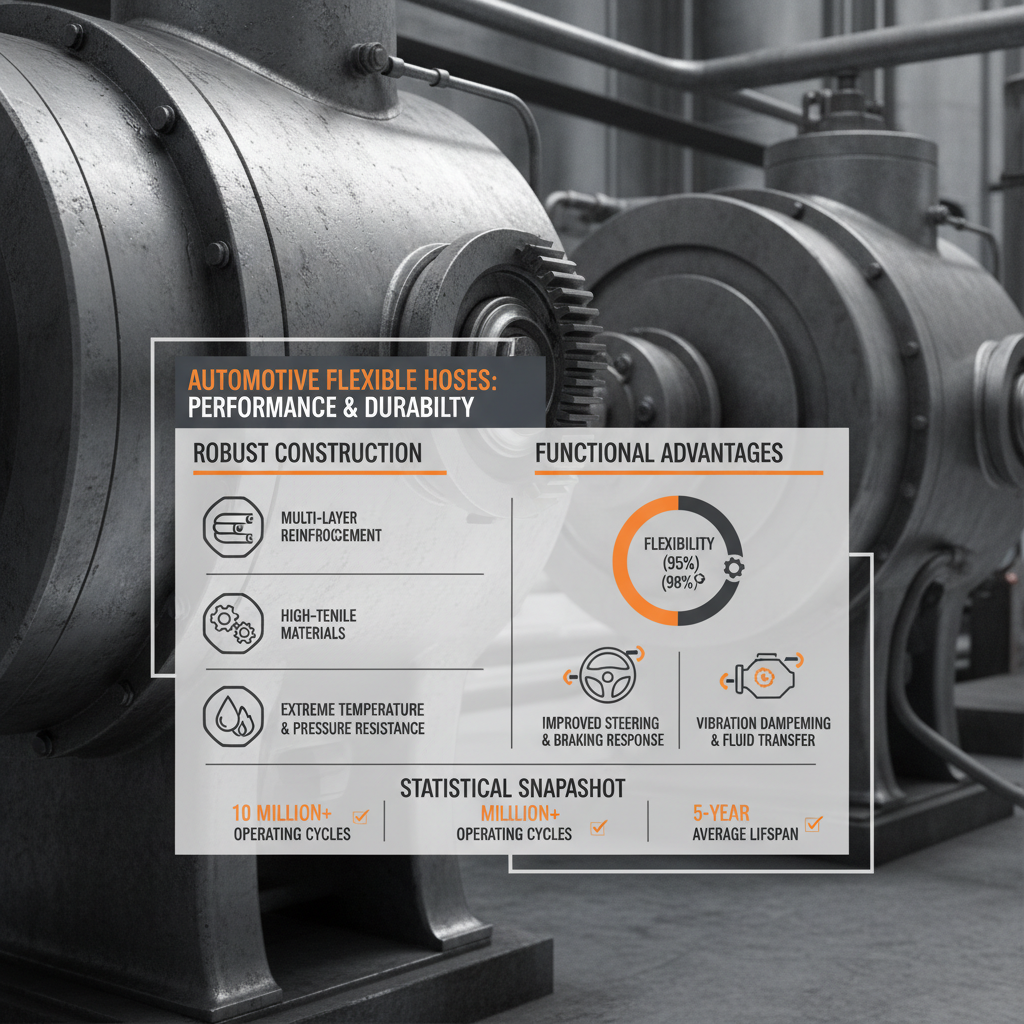
Durability is the name of the game. A good black rubber hose will be constructed with high-quality rubber compounds and reinforcing materials to withstand abrasion, impact, and extreme temperatures. We're talking about resisting cracking, kinking, and bursting under pressure.
Flexibility is crucial, especially on a busy job site. You need a hose that can easily bend and maneuver around obstacles without compromising its integrity. A stiff hose is a nightmare to work with and is more likely to develop cracks or kinks. It's also about ease of handling - lighter weight hoses save time and reduce strain on workers.
Chemical resistance is another big one. Depending on the application, the hose needs to be able to handle exposure to a variety of chemicals without degrading or leaching contaminants into the fluid being transported. EPDM rubber, for example, is excellent for water and offers good resistance to many chemicals.
Real-World Applications of black rubber hose
You see black rubber hose everywhere on a construction site. Concrete pumping, where it’s delivering high-pressure concrete slurry, relies on extremely durable hoses. Dust control systems, used to suppress airborne particles, depend on hoses to deliver water effectively. Water trucks use them to fill tanks and supply water to the crew.
In remote industrial zones, like oil and gas fields or mining operations, black rubber hose is essential for transporting water, fuel, and other vital fluids. They have to withstand harsh conditions and often operate continuously. Similarly, in post-disaster relief operations, hoses are crucial for delivering potable water to affected communities.
Even landscaping companies use specialized black rubber hose for irrigation and drainage projects. The applications are incredibly diverse, but the core requirement remains the same: reliable fluid transfer in demanding conditions.
black rubber hose Performance Comparison
Advantages and Long-Term Value of Using black rubber hose
The tangible benefits are clear: reduced downtime, lower repair costs, and increased safety. A black rubber hose that can withstand the rigors of the job site prevents costly interruptions and keeps your team productive. Plus, it reduces the risk of accidents caused by hose failures.
But there’s a less obvious benefit: peace of mind. Knowing you’re using a reliable product allows you to focus on managing the project, not constantly worrying about hose failures. That contributes to a more positive work environment and a stronger reputation for quality and safety. It's about building trust with your clients and your team.
Future Trends in black rubber hose Technology
We’re seeing a move towards smarter hoses, incorporating sensors to monitor pressure, temperature, and even wear and tear. This data can be used for predictive maintenance, allowing you to replace hoses before they fail, minimizing downtime.
There's also a growing focus on sustainability, with manufacturers exploring the use of recycled materials and bio-based rubber compounds. Digital transformation is leading to better traceability and quality control throughout the manufacturing process.
Expect to see more specialized hoses designed for specific applications, like high-temperature steam transfer or the handling of corrosive chemicals. Innovation is focused on extending hose life, reducing environmental impact, and improving overall performance.
Common Challenges and Solutions with black rubber hose
One of the biggest challenges is abrasion. Construction sites are tough on hoses, and even the most durable materials can wear down over time. The solution? Regularly inspect hoses for signs of wear and tear and replace them proactively.
Kinking is another common problem, especially with longer hoses. Using swivel fittings and avoiding sharp bends can help prevent kinking. Proper storage is also crucial – hoses should be coiled loosely and protected from the elements.
Finally, compatibility issues can arise if the wrong hose is used for a particular application. Always check the hose’s specifications to ensure it’s compatible with the fluid being transported. Consulting with a hose specialist can help you choose the right hose for the job.
Table Summarizing Key black rubber hose Challenges and Solutions
| Challenge |
Severity (1-10) |
Common Causes |
Recommended Solutions |
| Abrasion |
8 |
Rough surfaces, dragging, impact |
Regular inspection, abrasion-resistant hoses |
| Kinking |
7 |
Sharp bends, tight coiling, long lengths |
Swivel fittings, loose coiling, shorter hose lengths |
| Chemical Incompatibility |
9 |
Using the wrong hose for the fluid |
Verify compatibility, use specialized hoses |
| Pressure Loss |
6 |
Leaks, blockages, hose diameter |
Regular inspection, proper cleaning, correct hose size |
| Temperature Extremes |
7 |
Exposure to very hot or cold environments |
Use temperature-rated hoses, provide insulation |
| Connection Failures |
5 |
Improper fitting installation, corrosion |
Proper fitting installation, corrosion-resistant fittings |
FAQS
Proper storage is key. Avoid direct sunlight and extreme temperatures. Coiling the hose loosely, rather than tightly, prevents kinking and cracking. Store it on a reel or rack to keep it off the ground and free from abrasion. A dry, sheltered environment is ideal.
Ideally, before every use. Look for cuts, cracks, abrasions, bulges, or any signs of deterioration. Pay close attention to the fittings – make sure they’re tight and haven’t corroded. A quick visual inspection can save you a lot of headaches down the road.
That depends on your application. Always choose a hose with a pressure rating higher than the maximum pressure it will be subjected to. It’s better to be safe than sorry. Check the hose’s labeling or specification sheet to determine its working pressure and burst pressure.
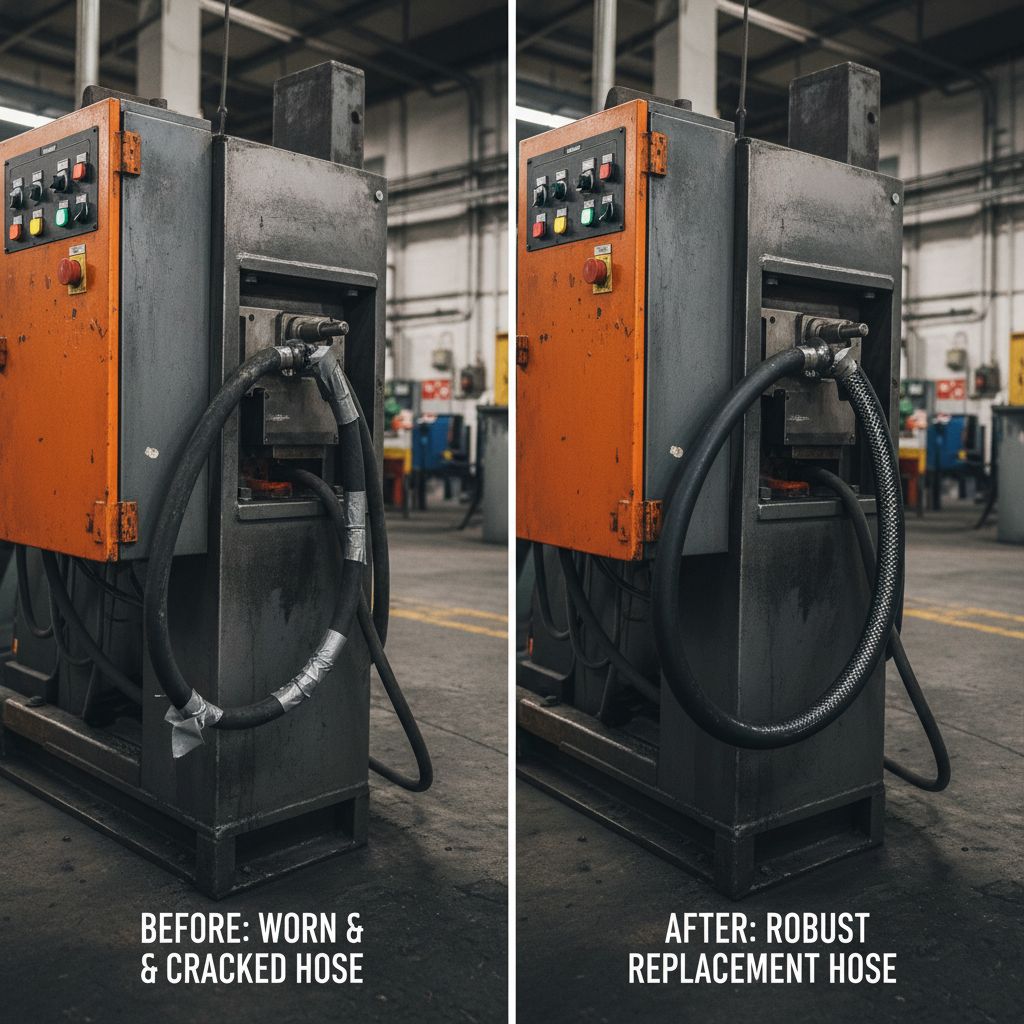
Minor abrasions might be okay with a quality repair tape, but generally, no. A damaged hose should be replaced, especially if the damage affects the reinforcing layers. Attempting to repair a severely damaged hose can create a safety hazard and lead to catastrophic failure.
EPDM is excellent for water-based applications and offers good resistance to weathering and ozone. Nitrile is better suited for handling oils, fuels, and other chemicals. The best choice depends on the fluids you’ll be transporting.
Absolutely. Higher-quality hoses are typically made with more durable materials and construction techniques. They’ll last longer, require less maintenance, and reduce the risk of costly downtime. In the long run, they'll save you money and headaches.
Conclusion
We’ve covered a lot here, but the key takeaway is this: Black rubber hose is a critical component of any construction or industrial operation. Choosing the right hose, properly maintaining it, and understanding its limitations can significantly impact project efficiency, safety, and cost-effectiveness. It’s not just about moving fluids; it’s about reliability and peace of mind.
Don't cut corners when it comes to your hose. Invest in quality, prioritize maintenance, and stay informed about the latest advancements in hose technology. Visit our website at www.pvcrubberhose.com to explore our range of high-performance black rubber hose and find the perfect solution for your needs. We’ve been helping contractors and engineers keep their projects running smoothly for years, and we're here to help you too.