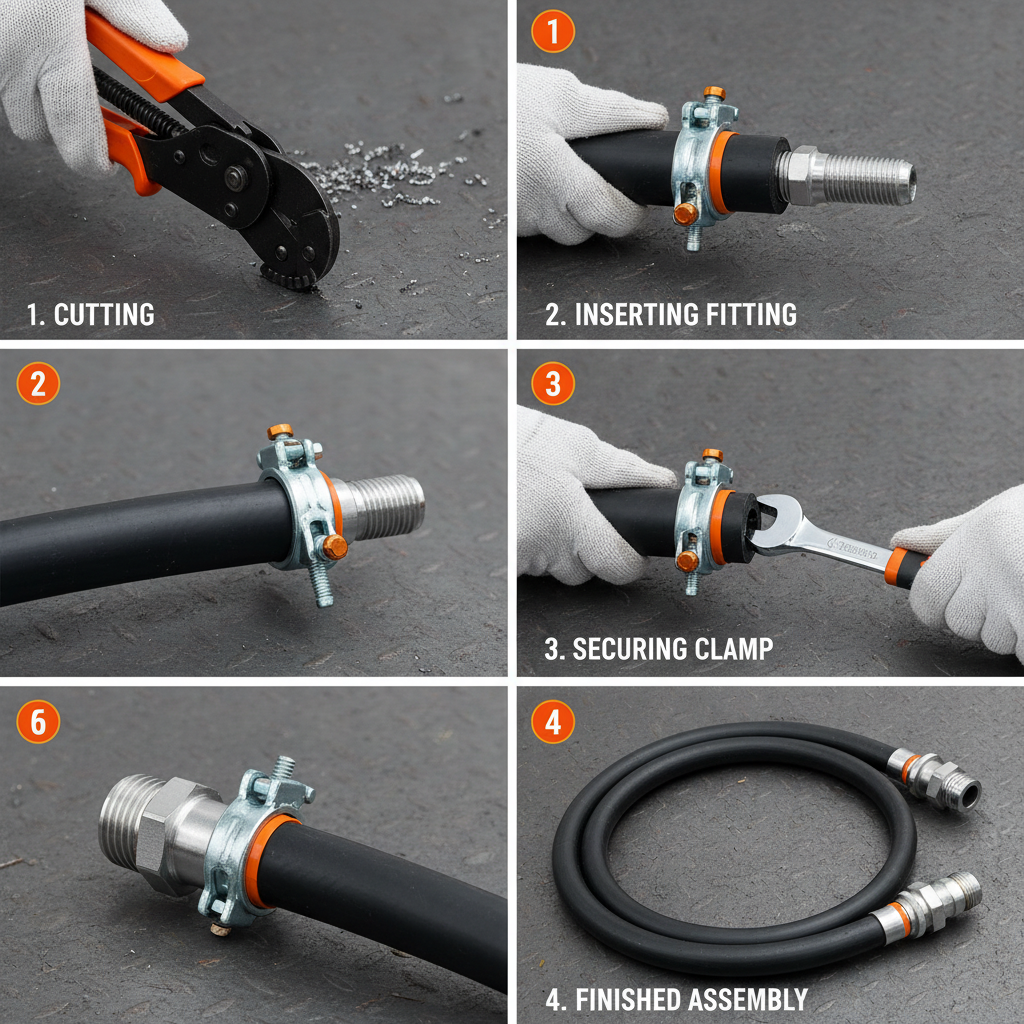
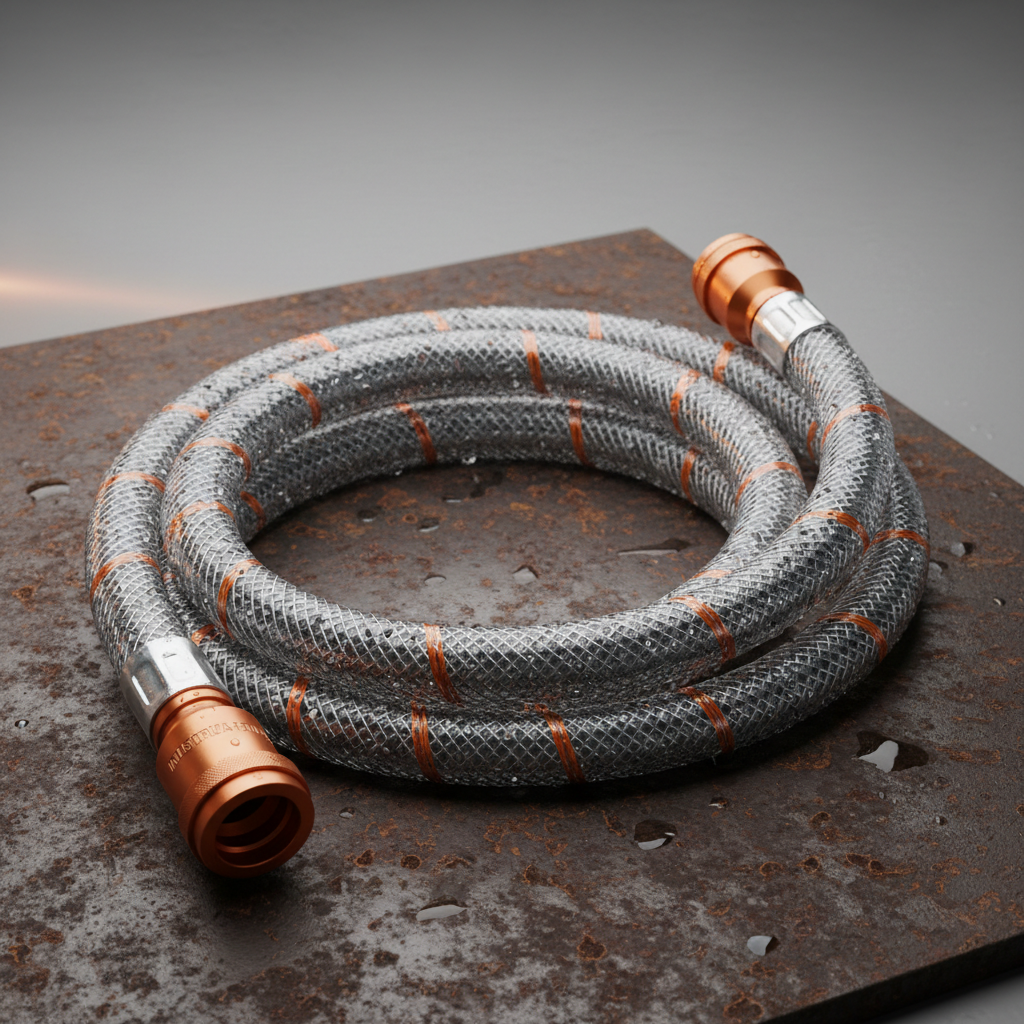
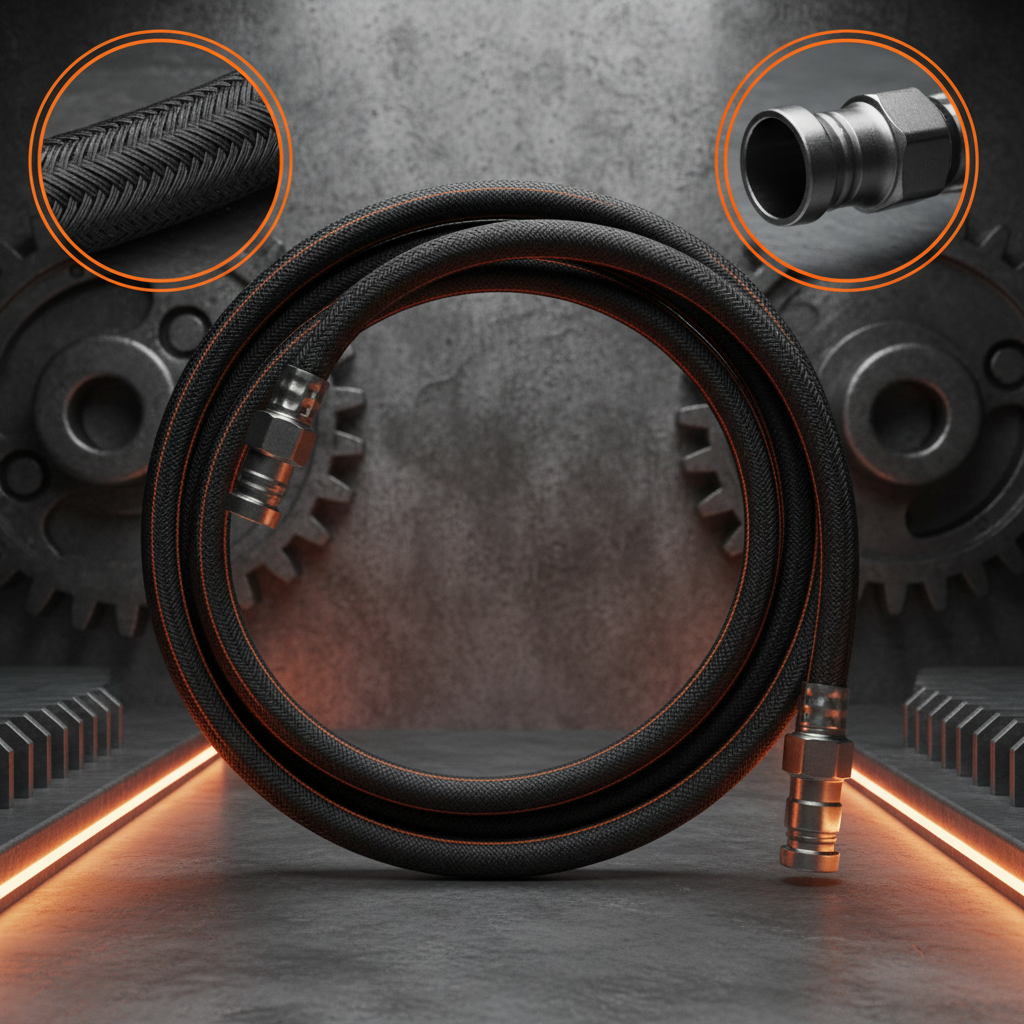
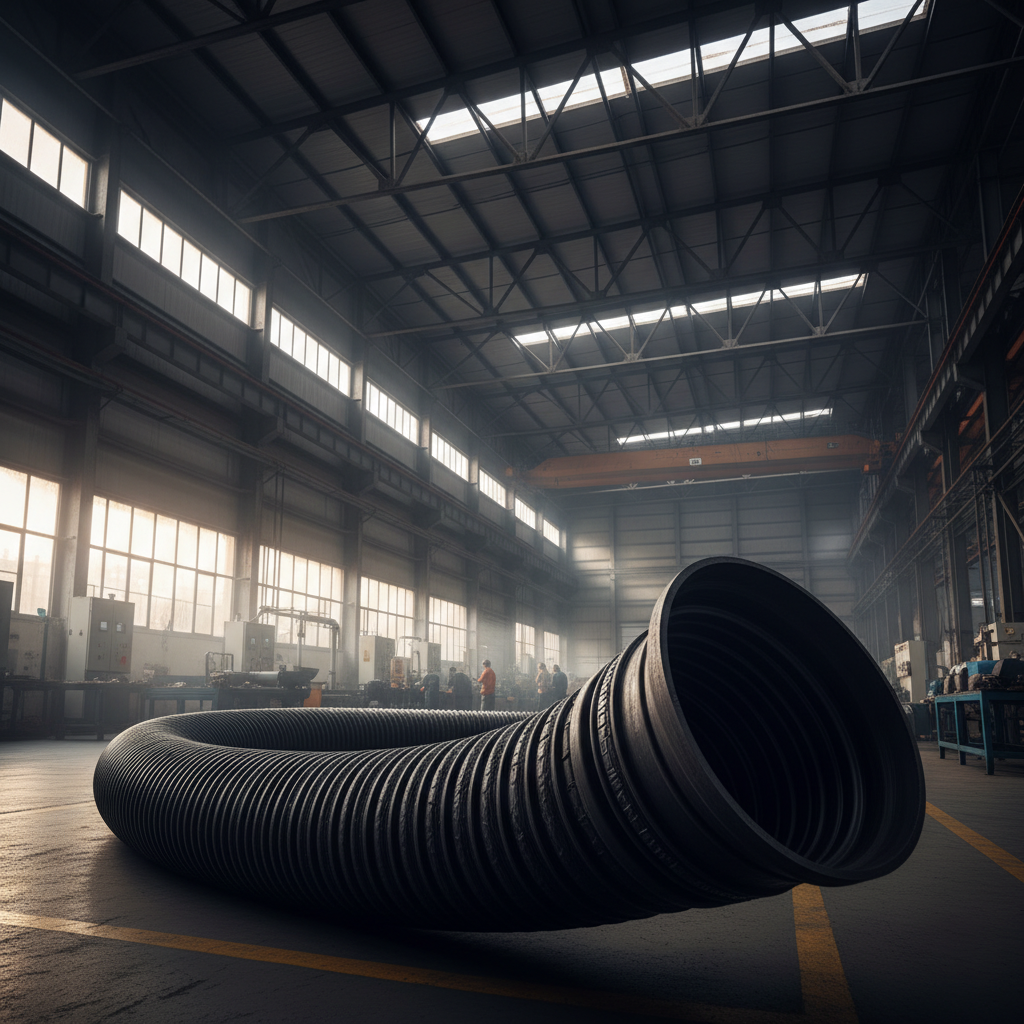
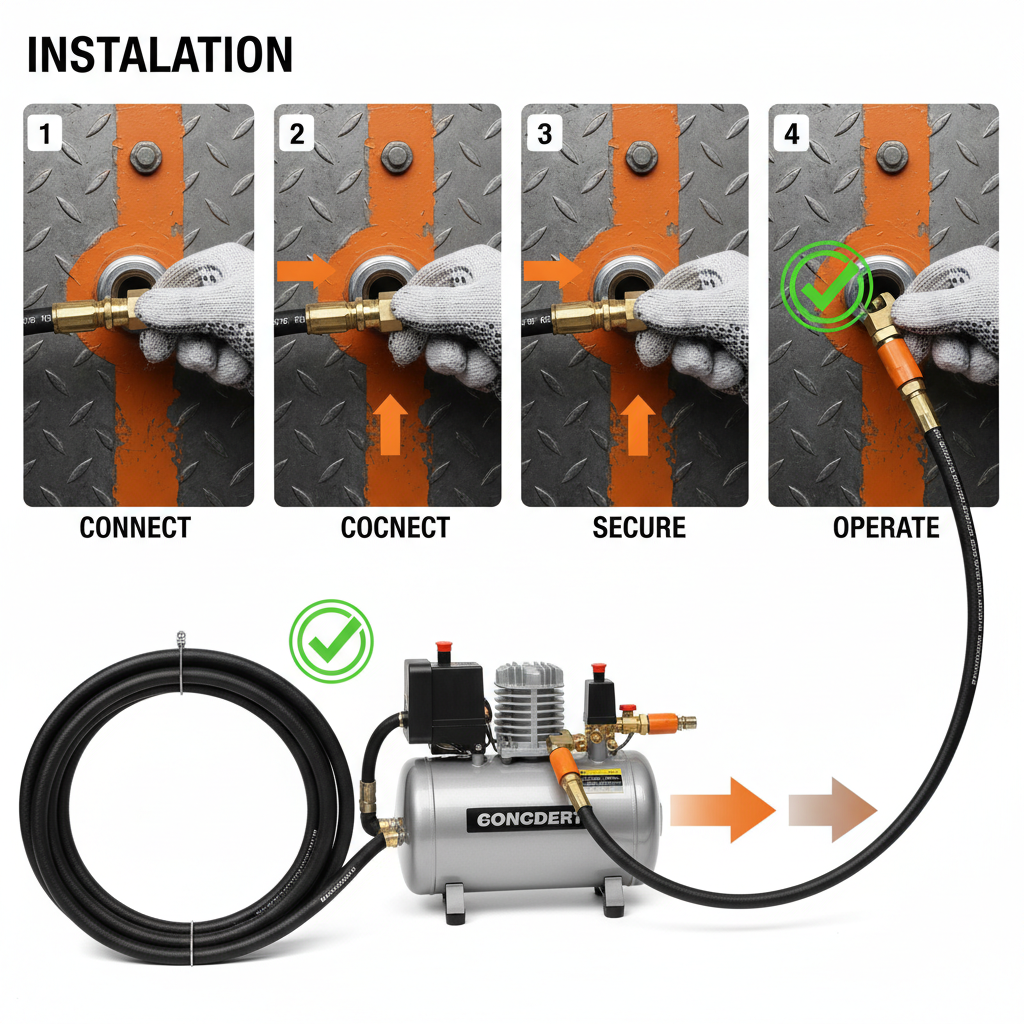
Black rubber hose pipe. It doesn't sound glamorous, does it? But after years spent on construction sites, wrestling with everything from concrete pumps to fuel lines, let me tell you – a good black rubber hose pipe is the unsung hero of nearly every project. It's the workhorse that keeps things flowing, quite literally. We’re talking about more than just moving fluids; it's about reliability, safety, and minimizing downtime. Choosing the right one can save you headaches, money, and even prevent serious accidents. It's a deceptively simple component with surprisingly complex applications, and understanding its nuances is critical for anyone serious about project efficiency.
For years, I've seen projects grind to a halt because of a burst hose, or a hose that kinks under pressure. It’s frustrating, expensive, and frankly, preventable. The market’s flooded with options – cheap imports, reinforced varieties, different diameters and pressure ratings. But navigating that landscape requires knowing what to look for, and understanding how the different specs translate to real-world performance on the job site. It’s not about finding the cheapest option; it’s about finding the best value, the one that delivers consistent performance and longevity. black rubber hose pipe is a critical component often overlooked.
And it's not just construction. From agricultural irrigation to chemical transfer, the applications are incredibly diverse. A failure in any of these scenarios can have significant consequences, impacting productivity, safety, and even the environment. This is why selecting the right black rubber hose pipe – one designed for the specific application – is so vital. It’s about more than just moving a liquid; it's about protecting your investment and ensuring a successful outcome.
The Importance of Black Rubber Hose Pipe
Let's be blunt: quality black rubber hose pipe directly impacts your bottom line. I’ve seen projects delayed for days – costing tens of thousands – simply because a substandard hose failed under pressure. The initial cost savings on a cheaper hose are quickly eaten up by repair costs, downtime, and potential safety hazards. A reliable hose ensures consistent flow, reduces the risk of leaks and bursts, and ultimately contributes to a smoother, more efficient operation. black rubber hose pipe, when chosen wisely, is an investment, not an expense.
Beyond the financial impact, it's a safety issue. A ruptured hose carrying pressurized fluids can cause serious injuries. Investing in hoses that meet or exceed industry standards – and regularly inspecting them – is paramount. It’s not just about complying with regulations; it’s about protecting your team and maintaining a safe work environment. And that, in my book, is always the highest priority.
Defining Black Rubber Hose Pipe
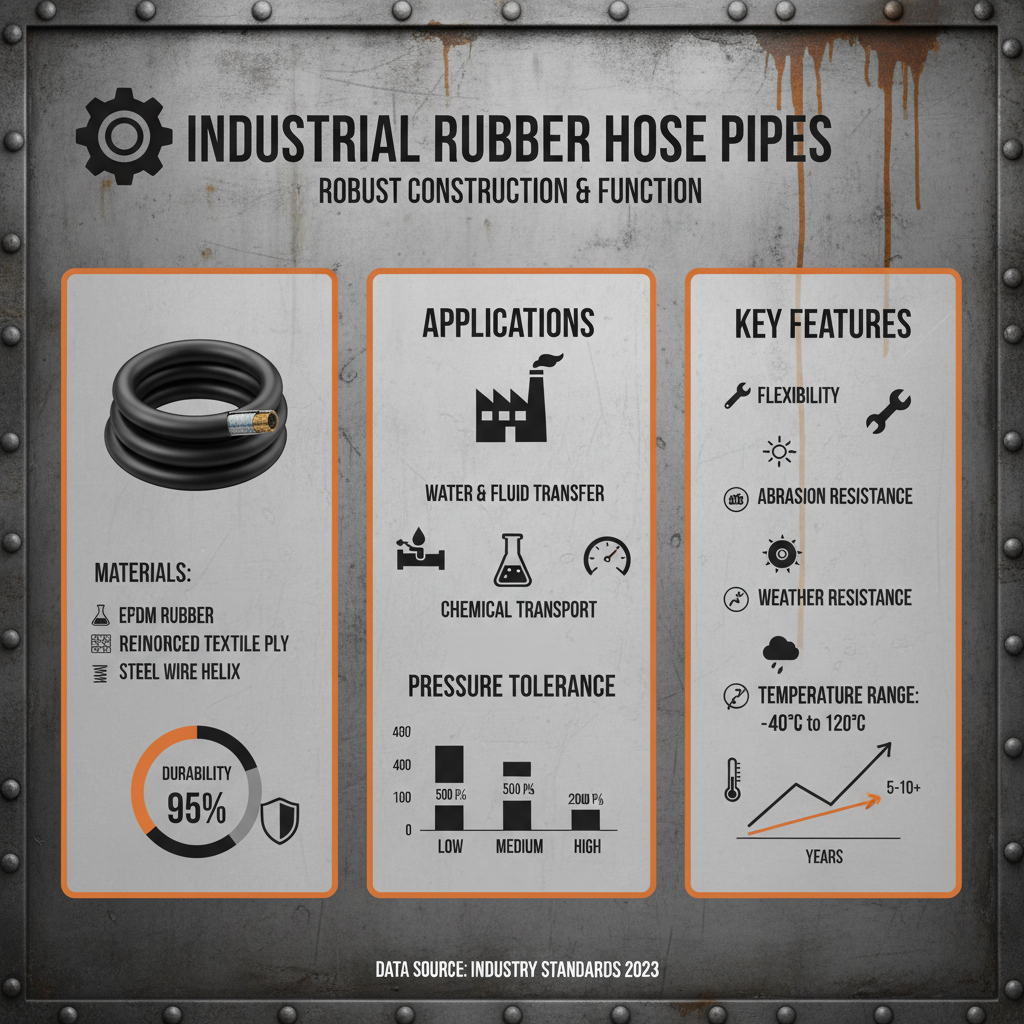
Simply put, black rubber hose pipe is a flexible conduit designed to convey fluids – liquids and gases – under pressure. But the “rubber” part is often a bit more complex than it sounds. It’s typically a blend of synthetic rubbers like EPDM, nitrile, or neoprene, each offering different properties in terms of chemical resistance, temperature tolerance, and flexibility. The "black" coloring usually comes from carbon black added to the compound, which enhances UV resistance and durability.
The construction itself is crucial. You’ve got the inner tube, providing a barrier against the fluid, the reinforcement layers (typically textile or steel wire) providing strength to withstand pressure, and the outer cover, protecting against abrasion and environmental factors. Different applications require different combinations of these components. For example, a hose handling abrasive materials needs a thicker, more resistant outer cover.
This isn’t just a product for modern industry; it's a fundamental component that supports essential services. Think about agricultural irrigation in arid regions – ensuring food security. Or emergency response teams needing reliable water delivery in disaster zones. Black rubber hose pipe plays a critical, often unseen, role in both scenarios.
Key Factors Influencing Performance
Durability is paramount. On a construction site, a hose gets thrown around, dragged over rough surfaces, and exposed to harsh weather. The quality of the rubber compound and the reinforcement layers dictate how well it can withstand this abuse. Look for hoses with abrasion-resistant covers and high burst pressure ratings.
Pressure rating is equally critical. You need a hose that can handle the maximum pressure of the system it's connected to, with a safety margin. Undersizing a hose can lead to catastrophic failure. Always check the working pressure and burst pressure specifications and ensure they align with your application.
Chemical compatibility is often overlooked, but it's a big one. Different fluids react differently with different rubber compounds. Using a hose that's incompatible with the fluid it's carrying can cause it to degrade, swell, or even dissolve. Always consult a chemical resistance chart before selecting a hose.
Global Applications & Real-World Use
You'll find black rubber hose pipe everywhere. In construction, it's used for concrete pumping, water delivery, and air lines. In agriculture, it’s crucial for irrigation systems and fertilizer application. In the oil and gas industry, it handles everything from crude oil to natural gas. Emergency services rely on it for firefighting and water rescue operations.
In remote industrial zones across Australia, these hoses are vital for mining operations, transporting abrasive slurries and essential fluids. In post-disaster relief operations across Southeast Asia, they’re used to deliver clean water to affected communities. The versatility is astounding.
I’ve even seen innovative applications in aquaculture, using specialized hoses for oxygen delivery and waste removal in fish farms. The demand is truly global, driven by the fundamental need to move fluids efficiently and reliably across diverse industries.
Black Rubber Hose Pipe Performance by Method
Advantages and Long-Term Value
The cost savings aren’t just about avoiding downtime. A high-quality black rubber hose pipe will last longer, reducing the frequency of replacements. That translates to lower lifecycle costs and less waste. Plus, a reliable hose minimizes the risk of leaks, which can be environmentally damaging and expensive to clean up.
From a safety standpoint, the peace of mind knowing your team is working with equipment they can trust is invaluable. It fosters a culture of safety and reduces the risk of accidents, protecting your workers and your reputation. That kind of value is hard to quantify, but it’s incredibly important.
Future Trends and Innovations
We're seeing a push towards more sustainable materials. Manufacturers are exploring bio-based rubber compounds and recycled content to reduce the environmental impact. There's also a lot of development in smart hoses, incorporating sensors to monitor pressure, temperature, and even detect leaks in real-time.
The integration of digital technology will play a larger role. We’ll likely see hose management systems that track usage, schedule inspections, and predict potential failures, optimizing maintenance and reducing downtime. This aligns with the broader trend of Industry 4.0 and the increasing adoption of IoT in industrial settings.
Common Challenges and Effective Solutions
One of the biggest challenges is abrasion, especially in harsh environments. Choosing a hose with a robust outer cover and implementing proper handling procedures can mitigate this. Another common issue is kinking, particularly with longer hoses. Using swivel fittings and avoiding sharp bends can help prevent kinking.
Chemical compatibility remains a constant concern. Always verify the hose material is compatible with the fluid it will be carrying. And finally, regular inspection is crucial. A visual inspection can identify signs of wear and tear before they lead to a failure. A preventative maintenance program is a small investment that can save you a lot of headaches down the road.
Investing in training for your team on proper hose handling and inspection procedures is also key. A well-trained team is more likely to identify potential problems early and prevent costly failures.
Key Considerations for Selecting Black Rubber Hose Pipe
| Application Type |
Material Compatibility |
Pressure Rating (PSI) |
Expected Lifespan (Months) |
| Concrete Pumping |
High Abrasion Resistance |
5000 |
6-12 |
| Water Delivery |
Potable Water Approved |
300 |
12-24 |
| Chemical Transfer |
Specific Chemical Resistance |
200 |
3-6 |
| Firefighting |
Heat and Pressure Resistant |
400 |
18-36 |
| Agricultural Irrigation |
UV and Ozone Resistant |
150 |
24-36 |
| Oil & Gas Transfer |
Oil and Gas Resistant |
600 |
6-18 |
FAQS
EPDM is excellent for outdoor applications due to its UV and ozone resistance, and works well with water and steam. Nitrile is better for oil-based fluids like fuel and lubricants. Choosing the right rubber depends on what you're pumping. Ignoring this can lead to rapid degradation and failure.
At least weekly, and definitely before each use. Look for cracks, bulges, abrasions, or any signs of deterioration. Pay close attention to the fittings. A quick visual check can save you from a costly and dangerous failure.
Always choose a hose with a working pressure rating that exceeds the maximum pressure of your system, with a safety margin of at least 2:1. Don't cut corners here; exceeding the pressure rating can lead to a catastrophic burst.
Store hoses in a cool, dry place, away from direct sunlight and heat. Coil them loosely and avoid kinking. Properly stored hoses will last significantly longer.
Temporary repairs are possible, but generally, replacing the hose is the safest option. Patches and clamps are not always reliable, especially under high pressure. A failed repair can be even more dangerous than a burst hose.
Extreme temperatures, both hot and cold, can significantly reduce the lifespan of a rubber hose. High temperatures can cause the rubber to degrade and become brittle, while low temperatures can make it stiff and prone to cracking. Always check the operating temperature range of the hose.
Conclusion
Black rubber hose pipe is a deceptively simple, yet incredibly vital component across a vast array of industries. From ensuring reliable fluid transfer on construction sites to supporting critical agricultural and emergency operations, its performance directly impacts safety, efficiency, and cost-effectiveness. Choosing the right hose, understanding its limitations, and implementing proper maintenance practices are all crucial for maximizing its lifespan and minimizing risk.
Looking ahead, advancements in materials science and digital technology promise even more durable, reliable, and intelligent hose solutions. Embracing these innovations will not only improve operational efficiency but also contribute to a more sustainable and safe future. Don’t underestimate the importance of this seemingly humble component – it’s the lifeblood of many essential processes. For all your black rubber hose pipe needs, visit our website: www.pvcrubberhose.com.