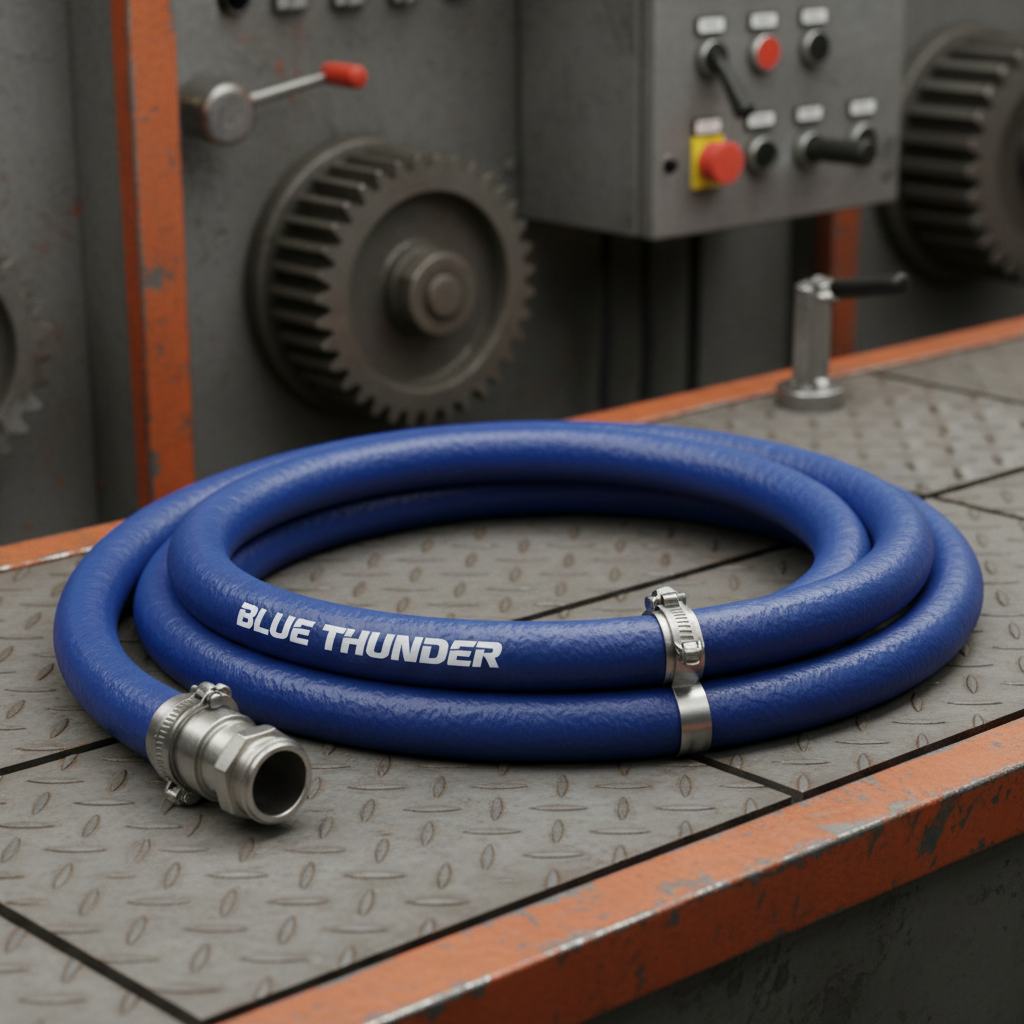
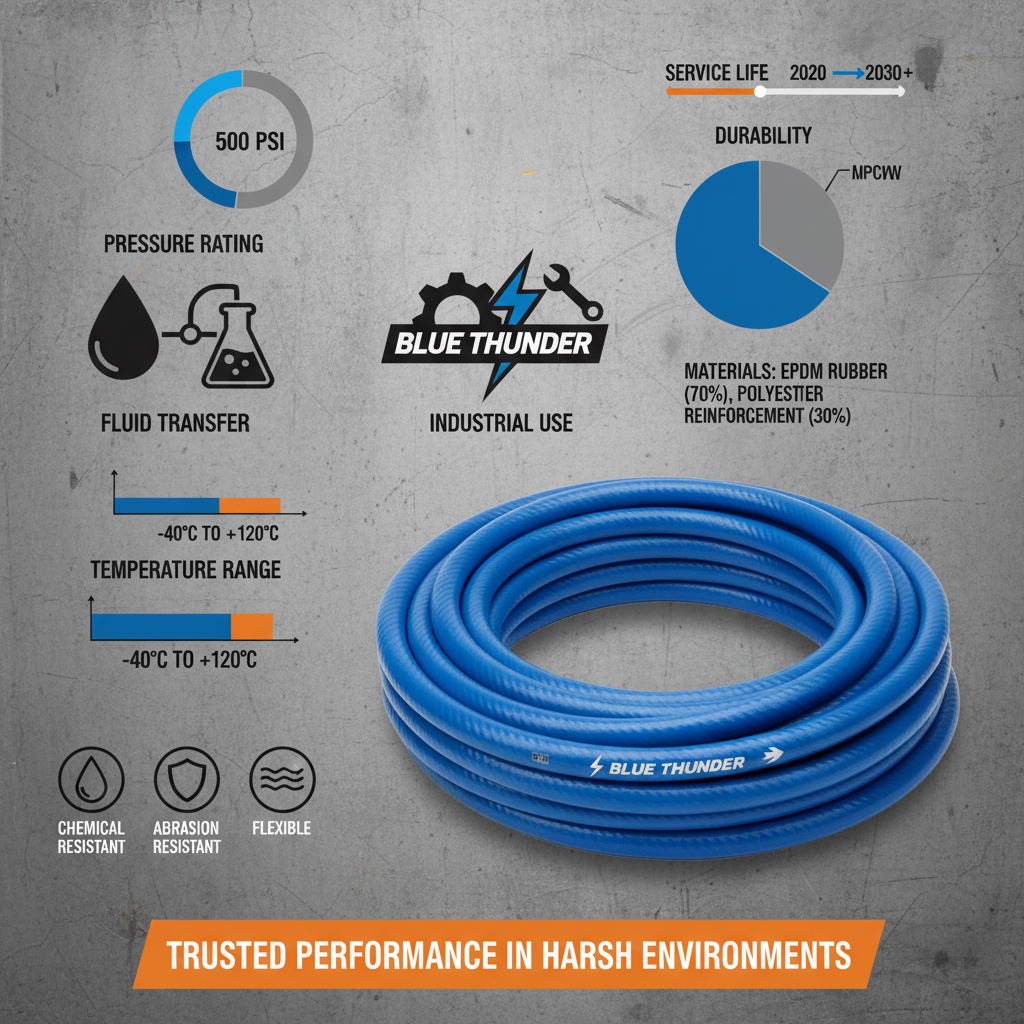
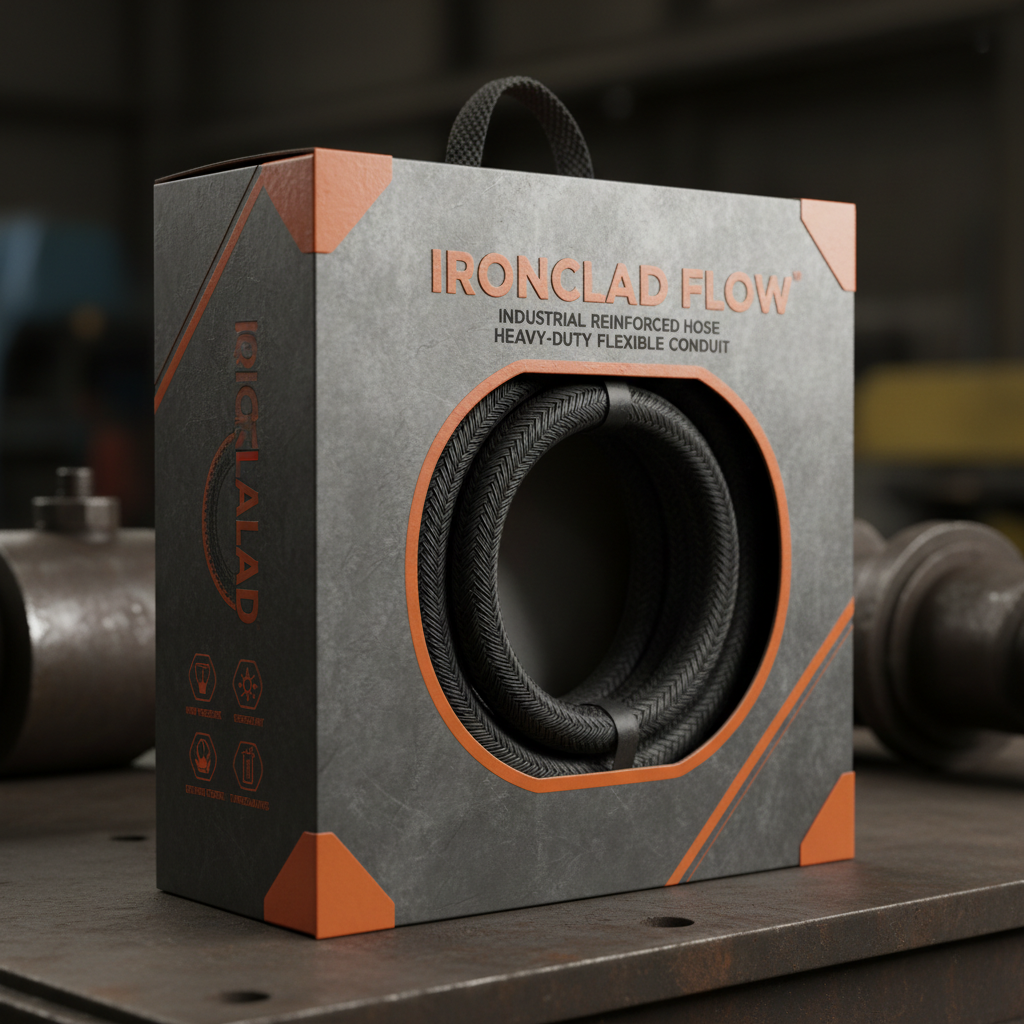
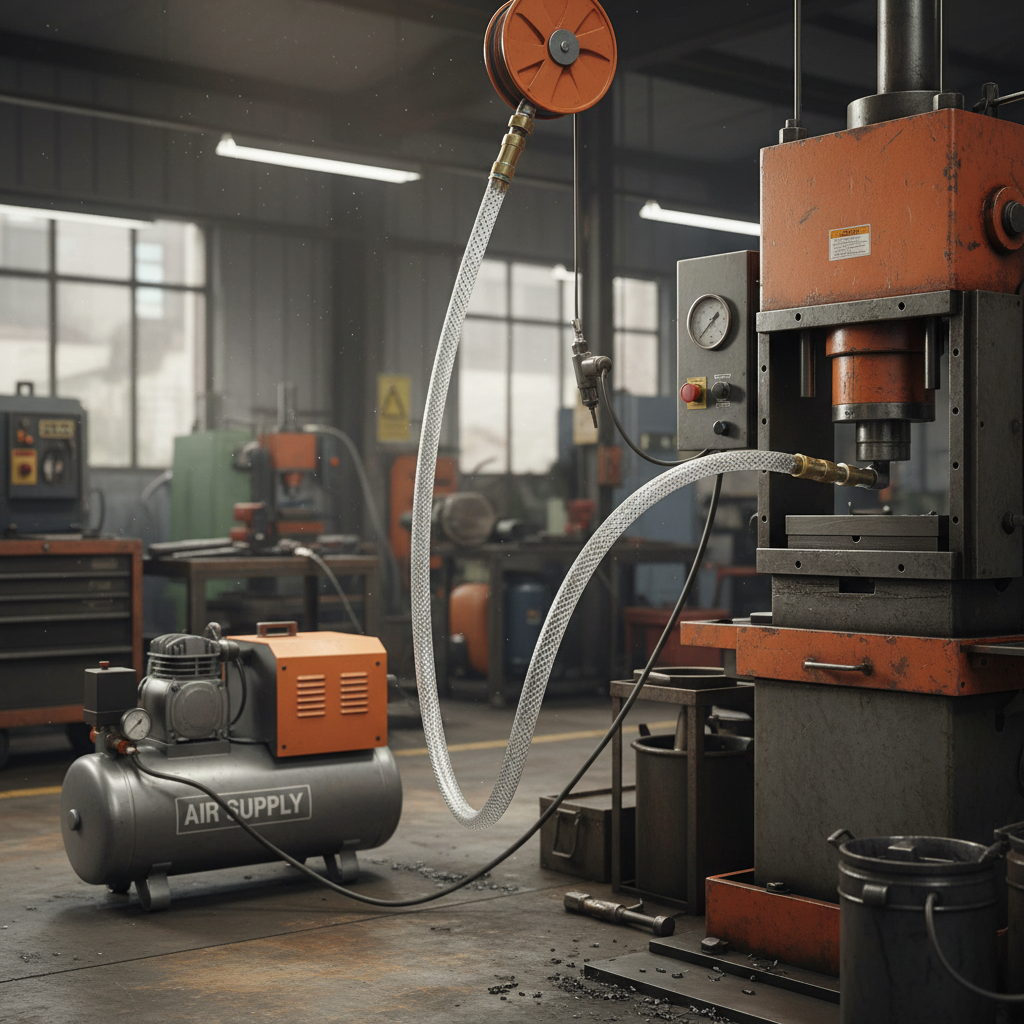
In the demanding landscape of industrial fluid transfer, the selection of a high-performance conduit is not merely a procurement decision but a critical safety imperative. The blue thunder chemical hose represents a pinnacle of engineering in the rubber and plastics industry, specifically designed to handle aggressive chemicals and volatile compounds that would degrade standard piping systems. By integrating advanced polymer science with reinforced structural integrity, this specialized hose ensures that hazardous materials are transported with zero leakage, protecting both personnel and the environment.
Globally, the shift toward more stringent environmental regulations and the rise of sophisticated chemical processing plants have intensified the need for reliable transfer solutions. The blue thunder chemical hose addresses these challenges by offering superior permeability resistance and a wide temperature tolerance range. Whether utilized in petrochemical refineries or pharmaceutical labs, the reliability of such equipment directly impacts operational uptime and the mitigation of catastrophic failure risks.
Understanding the technical nuances of this hose—from its inner liner composition to its external abrasion-resistant cover—allows facility managers to optimize their workflows. By investing in a blue thunder chemical hose, companies are not just buying a product; they are implementing a long-term safety strategy that aligns with ISO standards for chemical handling. This guide explores the depths of its utility, from its core components to its evolving role in the era of green chemistry.
Global Relevance of Blue Thunder Chemical Hose
The global chemical industry is currently undergoing a massive transformation, with an increasing emphasis on the safe transport of corrosive agents. According to recent industrial safety reports, the failure of transfer lines is a leading cause of workplace accidents in the manufacturing sector. The blue thunder chemical hose has emerged as a global standard for mitigating these risks, providing a robust barrier between hazardous fluids and the external environment.
From the massive petrochemical hubs in the Middle East to the precision labs of Europe and North America, the demand for hoses that can withstand extreme pH levels is skyrocketing. By adhering to rigorous international quality benchmarks, the blue thunder chemical hose ensures that global supply chains remain uninterrupted, preventing costly leaks that could lead to environmental disasters or severe regulatory fines.
Defining the Blue Thunder Chemical Hose Standard
At its core, the blue thunder chemical hose is a multi-layered industrial conduit engineered specifically for the conveyance of corrosive, aggressive, and toxic chemicals. Unlike standard rubber hoses, it utilizes a specialized inner liner—often composed of high-grade EPDM, PTFE, or Nitrile—that is chemically inert, ensuring that the hose wall does not react with the medium it carries.
This definition extends beyond simple material composition; it encompasses a set of performance characteristics including high burst pressure resistance, flexibility for tight industrial layouts, and an outer cover that resists ozone, UV radiation, and mechanical abrasion. In modern industry, this hose is the "circulatory system" of a chemical plant, enabling the safe movement of reagents from storage tanks to reaction vessels.
Moreover, the "Blue Thunder" designation often refers to the specific high-visibility coating and the reinforced braiding that allows the hose to maintain its shape under vacuum or high-pressure conditions. This makes it an indispensable tool for humanitarian needs in remote industrial zones where equipment must be durable enough to withstand harsh climates while maintaining absolute containment.
Core Components of High-Performance Chemical Hoses
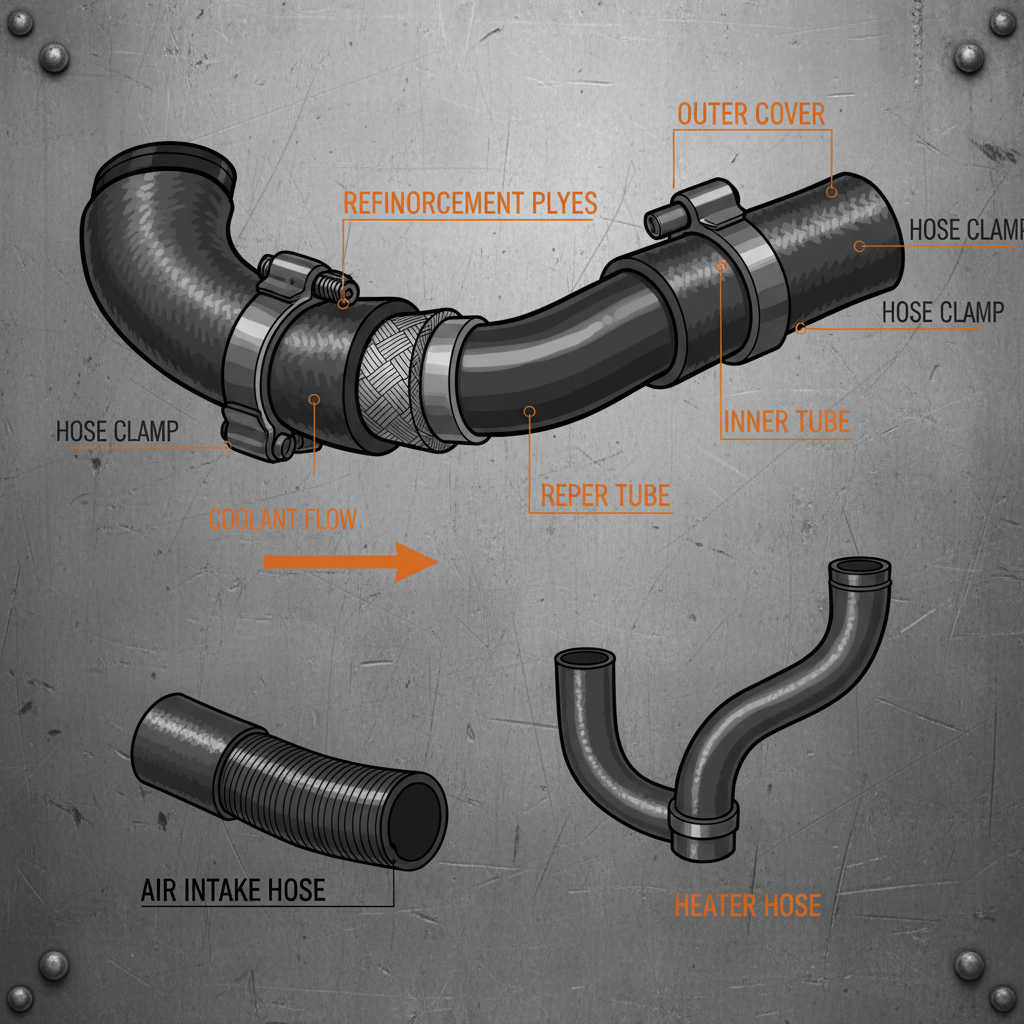
The structural integrity of a blue thunder chemical hose begins with its internal liner. This layer is the primary defense against chemical erosion; it must be carefully selected based on the specific polarity and acidity of the chemicals being transported to prevent swelling or embrittlement over time.
Supporting the liner is the reinforcement layer, typically consisting of high-tensile synthetic fibers or steel wire braiding. For the blue thunder chemical hose, this reinforcement is what provides the necessary hoop strength to prevent rupture during pressure surges, ensuring a safety factor that often exceeds 4:1.
Finally, the outer cover acts as the shield against the external environment. Whether it's dragging across concrete floors or exposed to direct sunlight, the blue thunder chemical hose utilizes an advanced rubber compound that resists abrasion and weather-induced cracking, significantly extending the service life of the product.
Performance Metrics and Durability Analysis
Evaluating the efficacy of a blue thunder chemical hose requires looking at several KPIs, including the permeation rate, the working pressure (WP), and the temperature threshold. High-performance hoses must maintain a low permeation rate to ensure that volatile organic compounds (VOCs) do not seep through the walls of the hose, which is critical for both air quality and safety.
When comparing different variants of chemical transfer solutions, the blue thunder chemical hose consistently outperforms generic alternatives in terms of flexibility-to-strength ratio. This allows for easier installation in congested plant environments without sacrificing the pressure rating required for heavy-duty industrial pumping.
Comparative Efficiency of Blue Thunder Chemical Hose Variants
Global Applications and Industrial Use Cases
The versatility of the blue thunder chemical hose allows it to be deployed across a diverse range of sectors. In the petrochemical industry, it is used for the transfer of aromatics and ketones, where the risk of solvent-induced degradation is extremely high. Similarly, in the agricultural sector, these hoses are essential for the safe distribution of concentrated liquid fertilizers and pesticides.
Beyond heavy industry, the blue thunder chemical hose plays a vital role in specialized logistics. For instance, in post-disaster relief operations where chemical decontamination is required, these hoses provide the necessary reliability to pump neutralizing agents into affected areas without the risk of hose failure, ensuring that emergency responders can work in a safe environment.
Long-Term Value and Operational Safety
From a financial perspective, opting for a blue thunder chemical hose is an exercise in reducing the Total Cost of Ownership (TCO). While the initial investment may be higher than low-grade alternatives, the extended lifespan and reduced frequency of replacements lead to significant long-term savings. Moreover, the prevention of a single major leak can save a company millions in environmental cleanup costs and legal liabilities.
Beyond the balance sheet, there is an emotional and ethical dimension to using high-quality equipment. Operational safety grants employees peace of mind, knowing that the blue thunder chemical hose they are handling is engineered to the highest safety margins. This builds a culture of trust and innovation within the organization, where safety is viewed as a foundational value rather than a regulatory burden.
Reliability also translates to sustainability. By minimizing waste resulting from leaks and reducing the volume of discarded, worn-out hoses through superior durability, the blue thunder chemical hose helps industrial plants meet their ESG (Environmental, Social, and Governance) goals, contributing to a greener industrial future.
Future Trends in Chemical Hose Engineering
The future of the blue thunder chemical hose is being shaped by the integration of smart materials. We are seeing the emergence of "intelligent hoses" equipped with embedded sensors that can detect microscopic leaks or pressure drops in real-time, transmitting this data to a central control system via IoT protocols to allow for predictive maintenance.
Additionally, there is a strong push toward the development of bio-based polymers to replace traditional petroleum-derived rubber. The next generation of blue thunder chemical hose products will likely utilize sustainable elastomers that offer the same—or better—chemical resistance while significantly reducing the carbon footprint of the manufacturing process.
Automation is also playing a role, with 3D-printed reinforcement layers allowing for customized hose geometries that optimize flow dynamics and reduce turbulence. This technological evolution ensures that the blue thunder chemical hose remains at the forefront of industrial fluid handling for decades to come.
Comparative Analysis of Blue Thunder Chemical Hose Material Performance
| Material Variant |
Chemical Resistance |
Max Temp (°C) |
Durability Score |
| PTFE Liner |
Universal/Extreme |
260 |
10/10 |
| EPDM Rubber |
Acids/Alkalis |
150 |
8/10 |
| Nitrile (NBR) |
Oils/Hydrocarbons |
100 |
7/10 |
| PVC Hybrid |
Mild Corrosives |
60 |
6/10 |
| Silicone |
Pharmaceutical Grade |
200 |
9/10 |
| Viton (FKM) |
Specialized Solvents |
200 |
10/10 |
FAQS
The primary difference lies in the material science. While standard hoses are made of general-purpose rubber, the blue thunder chemical hose uses a chemically inert inner liner (like PTFE or EPDM) and a reinforced outer shell. This allows it to transport corrosive agents that would otherwise dissolve or degrade a standard hose, significantly reducing the risk of leaks and ensuring a much longer operational lifespan in harsh environments.
Choosing the right liner depends on the chemical's pH level, temperature, and polarity. For universal resistance to almost all chemicals, PTFE is the gold standard. For strong acids and alkalis, EPDM is often preferred. For oil-based chemicals or hydrocarbons, Nitrile is the best choice. We recommend consulting a compatibility chart or our technical team to ensure the blue thunder chemical hose you select is perfectly matched to your specific fluid.
Yes, one of the key design features of the blue thunder chemical hose is its advanced outer cover. It is engineered with UV-stabilized compounds and ozone-resistant additives, which prevent the rubber from cracking or becoming brittle when exposed to direct sunlight or extreme temperature fluctuations. This makes it ideal for outdoor installations in both tropical and arctic climates.
The lifespan varies based on the aggression of the chemical and the frequency of use, but a blue thunder chemical hose generally lasts 3 to 5 times longer than a standard hose. Regular inspections for abrasion and pressure testing are recommended. When maintained properly and matched to the correct chemical, these hoses provide years of reliable service before needing replacement.
Absolutely. The blue thunder chemical hose is built with high-tensile reinforcement layers (synthetic or steel), allowing it to handle significant working pressures without expanding or bursting. Always check the specific Working Pressure (WP) and Maximum Burst Pressure (MBP) ratings on the hose jacket to ensure it meets your system's requirements.
Importing specialized equipment like the blue thunder chemical hose requires adherence to international shipping standards and customs certifications. We provide all necessary technical data sheets, ISO certifications, and compliance documentation to facilitate smooth customs clearance. Our logistics team is experienced in handling bulk industrial shipments to ensure timely delivery to your facility worldwide.
Conclusion
In summary, the blue thunder chemical hose is far more than a simple piece of industrial hardware; it is a critical component of modern safety and efficiency. By combining superior material compatibility, extreme structural reinforcement, and an environmentally resistant exterior, it solves the most pressing challenges of hazardous fluid transport. From reducing the total cost of ownership to ensuring the highest levels of worker safety, the value proposition of this specialized hose is undeniable.
Looking ahead, the integration of smart sensing and bio-sustainable materials will only further enhance the capabilities of chemical transfer systems. For any organization handling corrosive materials, transitioning to a high-performance solution is not just a recommendation—it is a necessity for sustainable growth. We invite you to upgrade your infrastructure and secure your operations by choosing the industry leader in chemical containment. Visit our website: www.pvcrubberhose.com