The global demand for industrial hoses is a cornerstone of modern infrastructure, supporting diverse sectors from agriculture and construction to chemical processing and oil & gas. Blue rubber hose, specifically, plays a critical role in fluid transfer applications requiring flexibility, durability, and resistance to various chemicals and pressures. Understanding its specifications, applications, and emerging trends is vital for businesses and industries reliant on reliable fluid handling solutions.
The increasing complexity of industrial processes and the emphasis on safety and environmental responsibility are driving innovation in hose technology. Blue rubber hose, with its versatility and cost-effectiveness, remains a popular choice, but advancements in materials and manufacturing techniques are continually expanding its capabilities and performance characteristics. This necessitates staying informed about the latest developments to optimize performance and ensure compliance.
From large-scale agricultural irrigation systems to intricate hydraulic machinery, blue rubber hose is an integral component in countless applications worldwide. Selecting the right hose – considering factors like pressure rating, temperature tolerance, and chemical compatibility – is paramount to operational efficiency, safety, and longevity of equipment.
The Significance of Blue Rubber Hose in Industrial Applications
Blue rubber hose serves as a critical component in numerous industrial processes, facilitating the safe and efficient transfer of fluids and gases. Its ability to withstand varying pressures, temperatures, and chemical exposures makes it a versatile choice for diverse applications. The consistent demand for reliable fluid handling solutions underscores the lasting importance of blue rubber hose in global manufacturing and infrastructure.
Across industries like agriculture, construction, and manufacturing, blue rubber hose delivers essential functionality. Properly selected and maintained hoses enhance operational efficiency, minimize downtime, and contribute to a safer working environment. Investing in high-quality blue rubber hose offers long-term cost savings through reduced maintenance and replacement needs.
Defining Blue Rubber Hose: Characteristics and Composition
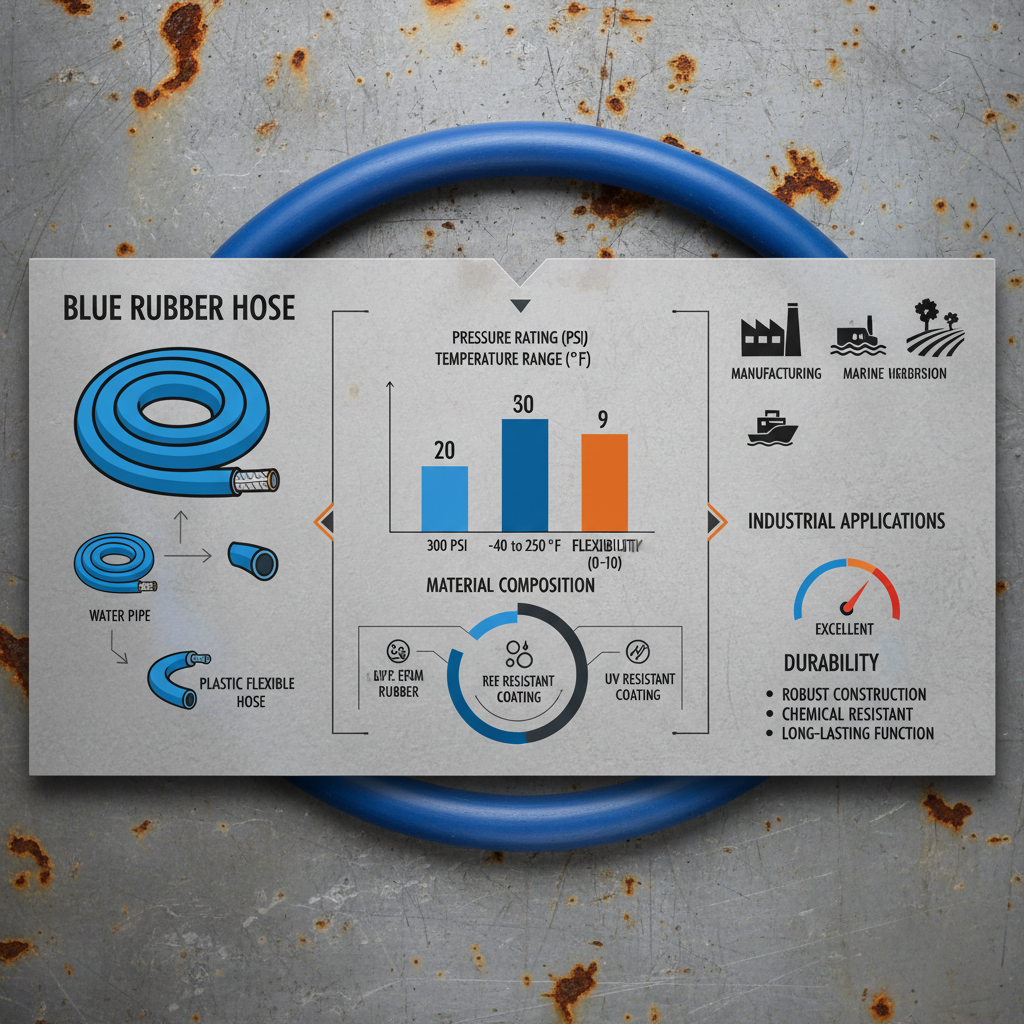
Blue rubber hose typically refers to hoses constructed from synthetic rubber compounds, often SBR (Styrene-Butadiene Rubber) or NBR (Nitrile Butadiene Rubber), and colored blue for identification purposes. This coloration is not merely aesthetic; it often signifies a specific grade of rubber suitable for particular applications, such as water or air transfer. The blue pigment itself doesn't impact the hose’s properties significantly but aids in visual differentiation in complex industrial settings.
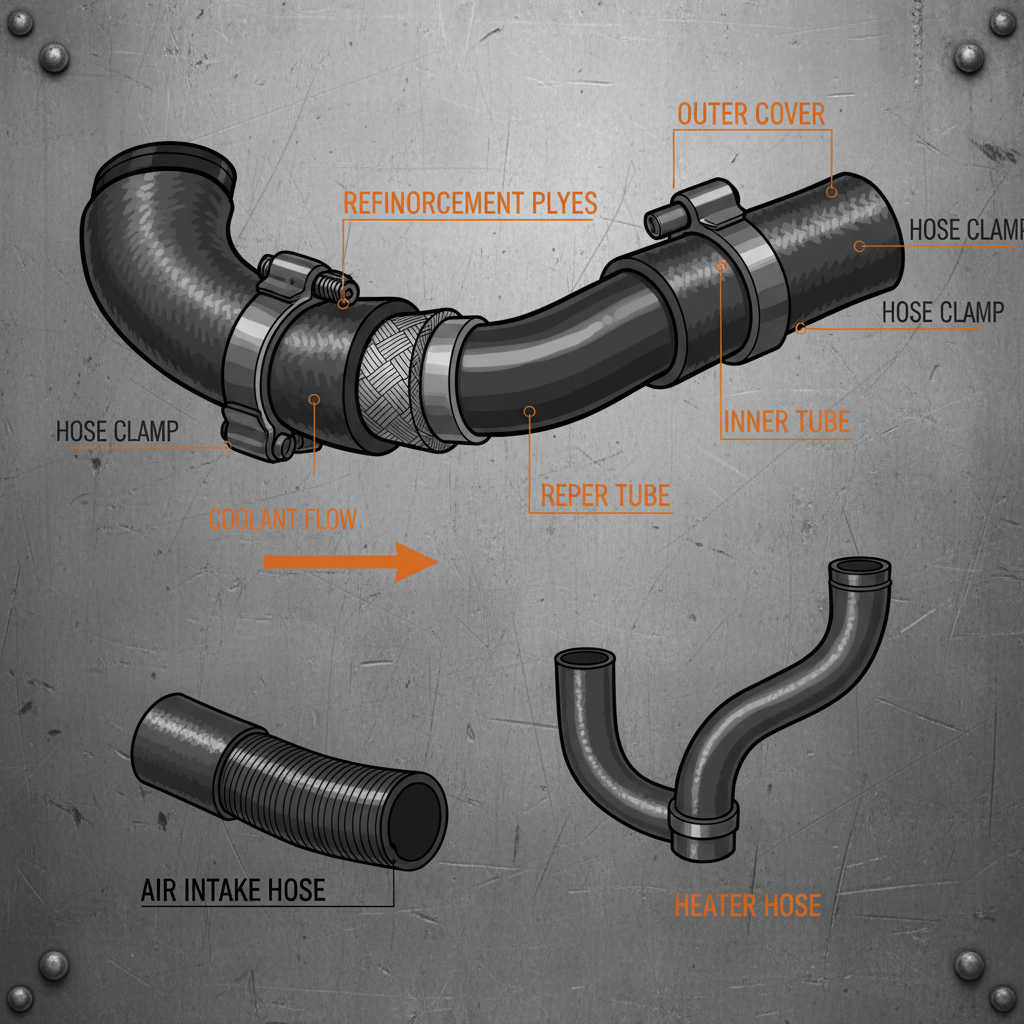
The core composition of blue rubber hose includes the rubber matrix, reinforcing layers (typically textile or steel wire), and a protective outer cover. These layers contribute to the hose’s strength, flexibility, and resistance to abrasion and weathering. The specific blend of materials and the manufacturing process determine the hose's ultimate performance characteristics, including pressure rating, temperature range, and chemical compatibility.
Unlike some specialized hoses, blue rubber hose is frequently chosen for its balance of cost-effectiveness and general-purpose performance. It’s a dependable solution for a wide range of fluid transfer needs where extreme chemical resistance or high-temperature operation aren't primary concerns. Its relative ease of handling and availability contribute to its widespread use.
Core Properties of High-Quality Blue Rubber Hose
Durability is a cornerstone of quality in blue rubber hose. A robust construction, utilizing high-grade rubber compounds and reinforcing layers, ensures the hose can withstand repeated bending, flexing, and exposure to challenging environments. This translates to a longer service life and reduced replacement costs. blue rubber hose quality control also ensure consistent thickness and uniform material distribution.
Flexibility is equally crucial, enabling easy routing and installation in confined spaces. The degree of flexibility is determined by the hose’s construction and the rubber compound used. A highly flexible blue rubber hose simplifies installation, minimizes kinking, and reduces stress on connections.
Chemical resistance, though varying depending on the rubber compound, is a vital characteristic. NBR blue rubber hose offers good resistance to oils, fuels, and hydraulic fluids, while SBR is better suited for water-based applications. Selecting the appropriate compound for the intended fluid is paramount to prevent degradation and leaks.
Diverse Applications of Blue Rubber Hose Across Industries
The agricultural sector extensively uses blue rubber hose for irrigation, spraying, and transferring water to crops. Its flexibility and ability to handle large volumes of water make it ideal for field applications. The relative affordability also makes it a practical solution for farms of all sizes.
In the construction industry, blue rubber hose serves as a vital component in hydraulic machinery, concrete pumps, and water supply lines. Its durability and ability to withstand harsh conditions are critical for construction sites. Often you will see blue rubber hose paired with quick connect fittings.
Blue Rubber Hose Performance Metrics by Application
Advantages and Long-Term Value of Utilizing Blue Rubber Hose
Cost-effectiveness is a major advantage of blue rubber hose. Compared to specialized hoses made from more exotic materials, blue rubber hose offers a competitive price point without sacrificing acceptable performance in many applications. This makes it a practical choice for businesses looking to manage budgets effectively.
The long-term value extends beyond the initial purchase price. Properly maintained blue rubber hose can deliver years of reliable service, reducing the frequency of replacements and minimizing downtime. Choosing a reputable supplier and adhering to recommended operating parameters further enhances longevity.
Future Trends and Innovations in Blue Rubber Hose Technology
The development of more sustainable rubber compounds is a growing trend. Manufacturers are exploring bio-based materials and recycling processes to reduce the environmental impact of hose production. This aligns with increasing global demand for eco-friendly industrial solutions.
Smart hoses, equipped with sensors to monitor pressure, temperature, and flow rate, are also emerging. These intelligent hoses provide real-time data to optimize performance, detect leaks, and prevent failures, contributing to proactive maintenance and enhanced safety.
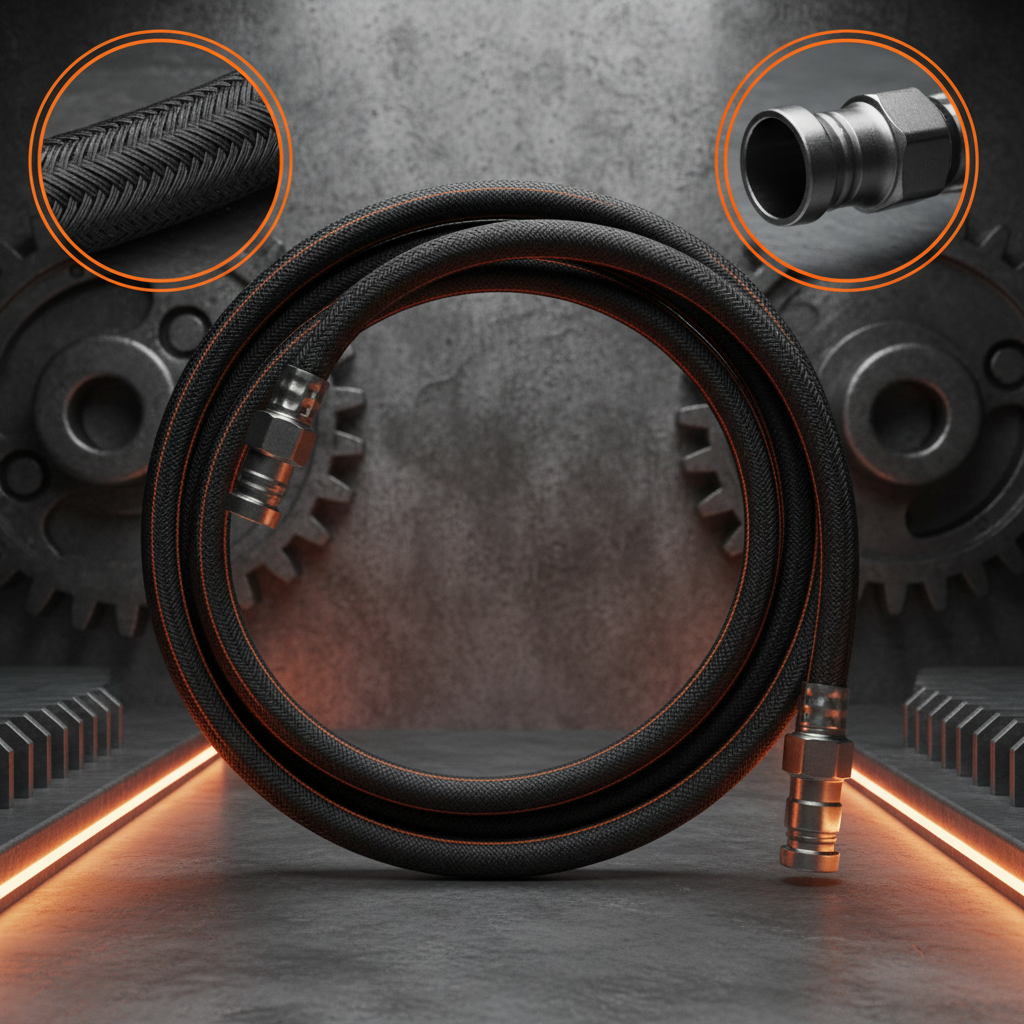
Advancements in braiding techniques are also enhancing the strength and durability of blue rubber hose. High-tensile strength fibers, coupled with innovative weaving patterns, offer improved resistance to bursting and abrasion, extending the hose’s lifespan.
Challenges and Solutions in Blue Rubber Hose Implementation
One common challenge is ensuring compatibility between the hose material and the fluid being transported. Incorrect material selection can lead to premature degradation, leaks, and costly repairs. Thorough chemical compatibility testing and consulting with hose experts are essential to mitigate this risk.
Another challenge is preventing premature failure due to improper installation or maintenance. Over-bending, kinking, and exposure to extreme temperatures can all shorten the hose’s lifespan. Adhering to manufacturer’s guidelines and implementing a regular inspection and maintenance program are crucial.
Addressing these challenges involves a proactive approach – selecting the right hose for the application, implementing proper installation procedures, and establishing a robust maintenance schedule. Investing in quality hoses and prioritizing preventative measures ultimately reduces long-term costs and ensures operational reliability.
Summary of Blue Rubber Hose Implementation Considerations
| Challenge |
Impact on Hose Life |
Mitigation Strategy |
Estimated Cost Impact |
| Chemical Incompatibility |
Reduced flexibility, swelling, cracking |
Compatibility testing, selecting appropriate rubber compound |
Medium - Potential for full hose replacement |
| Over-Bending |
Premature wear, kinking, reduced flow |
Proper routing, using bend restrictors |
Low - Typically requires minor repairs |
| Extreme Temperatures |
Hardening, cracking, loss of elasticity |
Selecting temperature-rated hose, insulation |
Medium to High - May require full replacement |
| Abrasion |
Outer layer damage, potential for inner layer exposure |
Using abrasion-resistant outer covers, protective guards |
Low - Typically manageable with repairs |
| Improper Installation |
Loose connections, leaks, stress on hose |
Following manufacturer's guidelines, using proper fittings |
Low to Medium - Requires retightening or replacement of fittings |
| Lack of Regular Inspection |
Undetected damage, catastrophic failure |
Scheduled inspections, visual checks for wear and tear |
High - Can lead to costly downtime and safety hazards |
FAQS
The lifespan of a blue rubber hose varies based on application, operating conditions, and quality of construction. Generally, with proper maintenance and moderate use, you can expect 3-5 years of reliable service. Factors like exposure to UV radiation, extreme temperatures, and abrasive materials can shorten the lifespan. Regular inspections are key to identifying potential issues and extending the hose’s usability.
Determining the correct pressure rating is critical for safety and performance. First, identify the maximum pressure the hose will experience during operation, including surge pressures. Then, choose a hose with a working pressure rating that exceeds this maximum pressure by a significant margin – typically a 4:1 safety factor is recommended. Consult the hose manufacturer’s specifications for detailed guidance.
Chemical compatibility refers to the hose's ability to resist degradation when exposed to specific fluids. Incompatibility can lead to swelling, softening, cracking, or even complete failure. It's essential to verify that the hose material (e.g., NBR, SBR) is compatible with the fluid being transported. Chemical compatibility charts provided by manufacturers are a valuable resource.
Proper storage extends the lifespan of your blue rubber hose. Store hoses in a cool, dry, and dark location, away from direct sunlight, heat sources, and ozone. Coil the hose loosely, avoiding sharp bends, and store it in a protective cover to prevent abrasion and contamination. Avoid storing hoses in contact with incompatible materials.
Minor cuts or abrasions may be repairable using specialized hose repair kits. However, significant damage, such as punctures, cracks, or delamination, typically requires hose replacement. Repairing a hose compromises its structural integrity and pressure rating, potentially creating a safety hazard. Always follow manufacturer's recommendations regarding repairs.
The environmental impact of blue rubber hose includes the sourcing of raw materials, manufacturing processes, and eventual disposal. Choosing hoses made from sustainable materials and exploring recycling options can minimize environmental footprint. Proper disposal of old hoses, following local regulations, is also crucial to prevent environmental contamination.
Conclusion
Blue rubber hose remains a vital component in countless industrial applications, offering a versatile and cost-effective solution for fluid transfer needs. Its durability, flexibility, and adaptability make it a cornerstone of various sectors, from agriculture to construction. Understanding its core properties, selecting the appropriate grade for specific applications, and implementing proper maintenance practices are crucial for maximizing its lifespan and ensuring safe, reliable operation.
Looking ahead, continued innovation in materials and manufacturing techniques promises to further enhance the performance and sustainability of blue rubber hose. Embracing these advancements and prioritizing proactive maintenance will ensure that this essential industrial component continues to meet the evolving demands of a globalized and increasingly environmentally conscious world. Visit our website at www.pvcrubberhose.com to explore our range of blue rubber hose solutions.