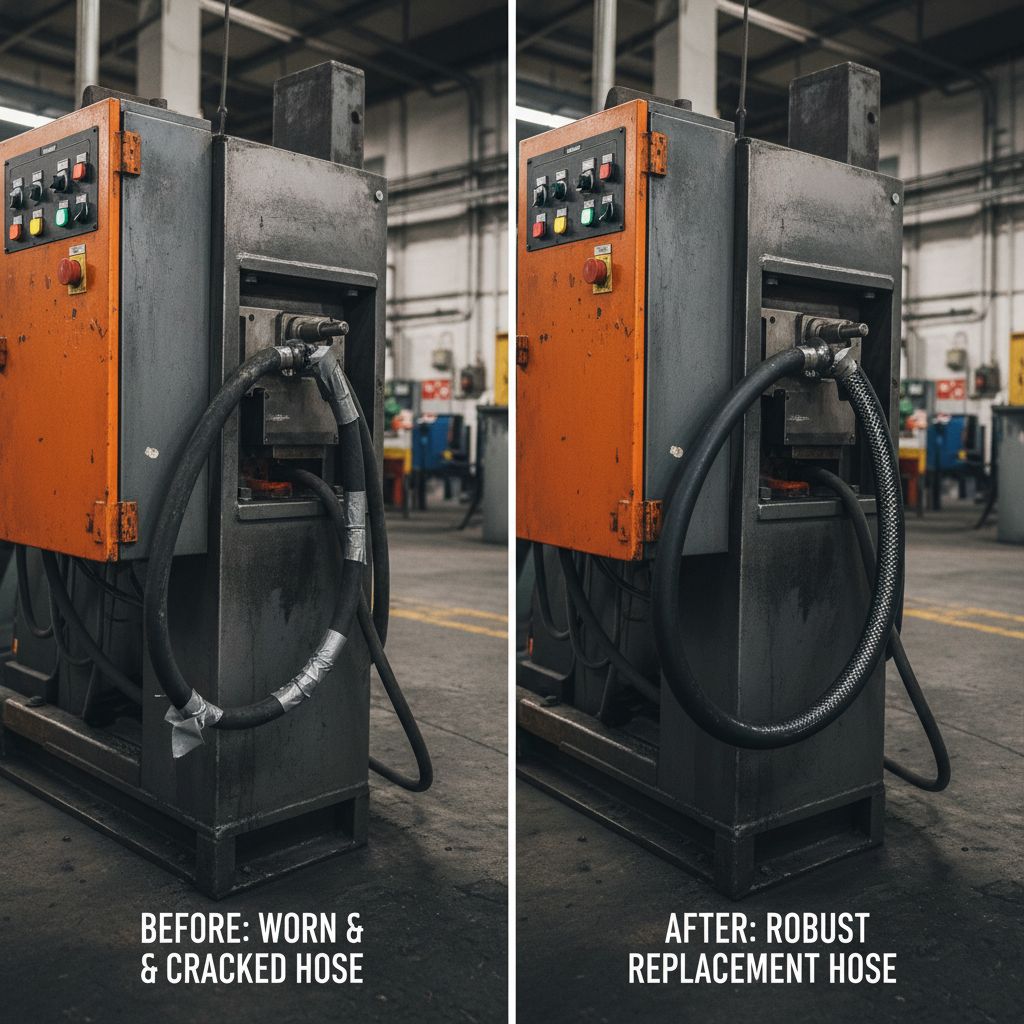
In the high-stakes world of aerospace engineering, the integrity of fluid transport systems is non-negotiable. aviation hoses serve as the critical arteries of an aircraft, transporting everything from hydraulic fluid and fuel to lubricant and oxygen under extreme pressure and temperature fluctuations. Understanding the material science and engineering standards behind these components is essential for maintaining fleet safety and operational efficiency globally.
The global aviation sector operates under stringent safety protocols, where a single component failure can lead to catastrophic results. Because of this, the development of specialized rubber and synthetic polymers for aviation hoses has become a focal point for manufacturers. By integrating high-tensile reinforcement with chemical-resistant liners, these hoses ensure that aircraft can withstand the rigors of rapid altitude changes and extreme thermal cycling.
From commercial airliners to military drones and private jets, the demand for high-performance fluid conveyance is rising. This guide explores the technical specifications, global applications, and future innovations of aviation hoses, providing a comprehensive overview for procurement officers, maintenance engineers, and industry stakeholders looking to optimize their hydraulic and pneumatic systems.
The Engineering Fundamentals of Aviation Hoses
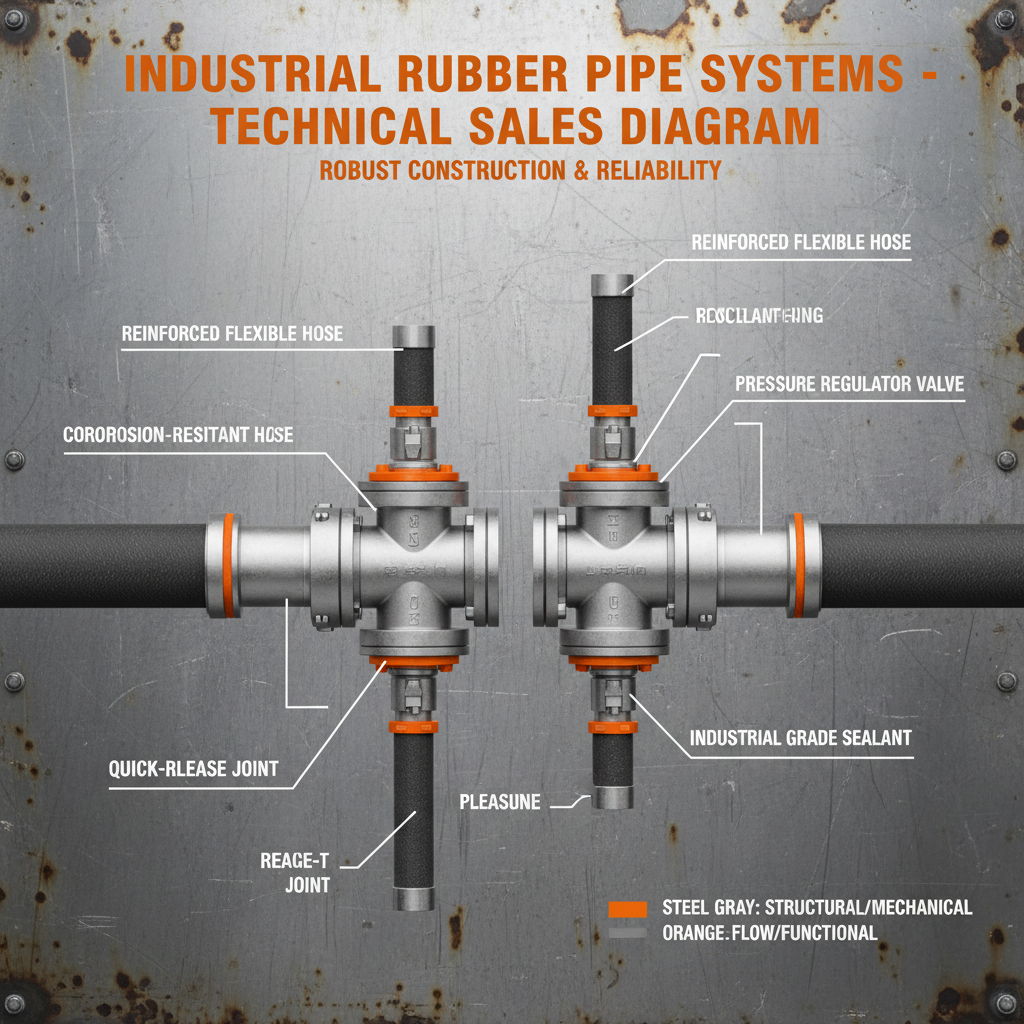
At its core, the engineering of aviation hoses is a balance between flexibility and strength. Unlike standard industrial hoses, aviation-grade components must maintain a constant internal diameter and burst pressure rating while being subjected to vibration and tight routing within the airframe. This is typically achieved through a multi-layer construction consisting of a synthetic rubber inner tube, a high-strength braided reinforcement layer, and a protective outer cover.
The reinforcement layer, often made of stainless steel or high-tenacity synthetic fibers, prevents the hose from expanding under the immense pressure of hydraulic systems. This ensures that fluid delivery remains precise, which is critical for flight control surfaces like ailerons and rudders. By optimizing the weave density of the reinforcement, manufacturers can tailor the hose to specific pressure requirements without adding unnecessary weight to the aircraft.
Global Standards and Regulatory Frameworks
The production and installation of aviation hoses are governed by some of the strictest standards in the world, such as those set by the FAA (Federal Aviation Administration) and EASA (European Union Aviation Safety Agency). These bodies mandate that every hose must be traceable and certified to meet specific SAE (Society of Automotive Engineers) standards, such as AS5444, which dictates the requirements for hydraulic hoses used in aircraft.
Compliance with ISO standards ensures that components are interchangeable and maintain a consistent level of quality regardless of the country of origin. For instance, ISO 9001 certifications in rubber manufacturing plants guarantee that the extrusion process for the inner liner is controlled, preventing microscopic voids that could lead to premature failure under high-pressure cycles. This global synchronization is vital for the international nature of aircraft maintenance and repair.
The challenge for many manufacturers lies in balancing these rigid regulatory requirements with the need for cost-efficiency. However, the industry consensus is that safety takes precedence over cost. Regular pressure testing and destructive sampling are standard practices to ensure that every batch of aviation hoses can handle 2-4 times its rated working pressure before failure, providing a critical safety margin during emergency maneuvers.
Material Composition and Chemical Resistance
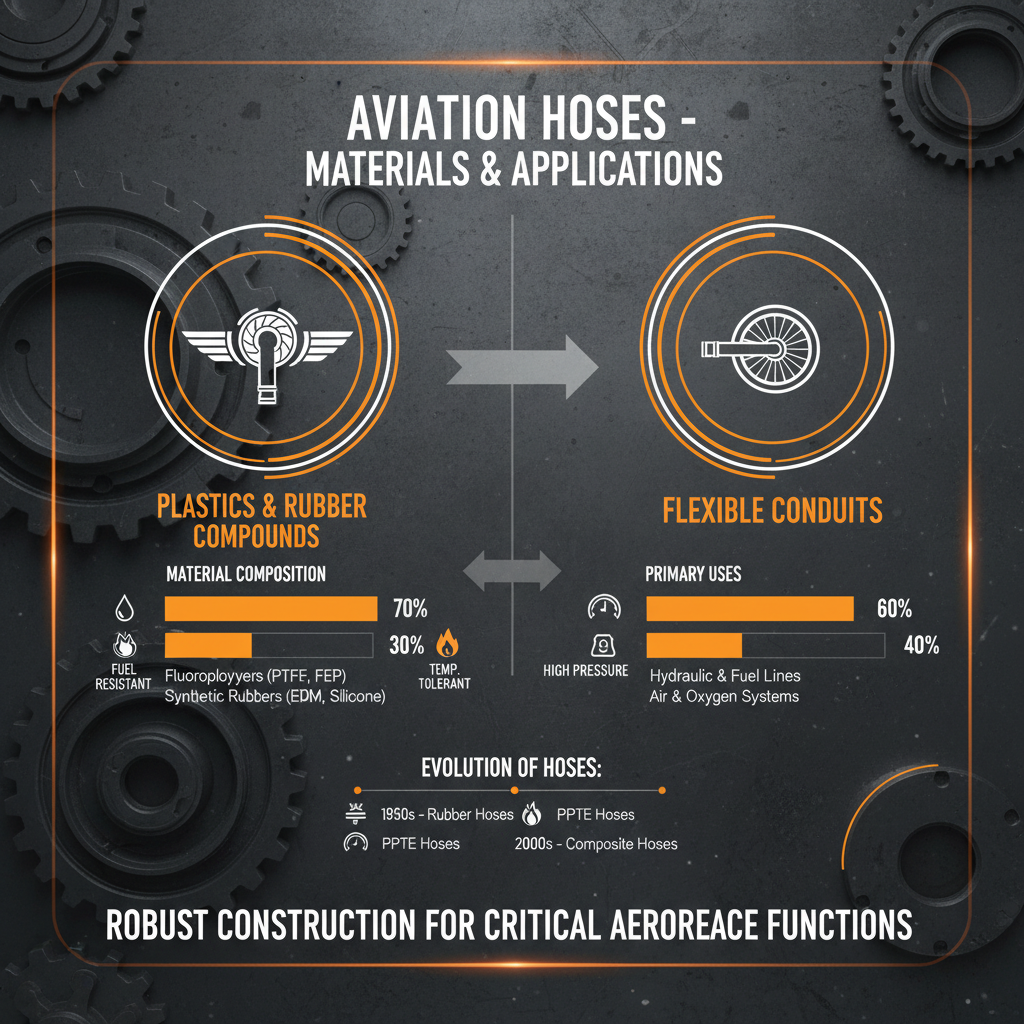
The selection of materials for aviation hoses is driven by the chemistry of the fluids they carry. For fuel lines, Nitrile (NBR) or Fluorocarbon (FKM) rubbers are often utilized due to their exceptional resistance to hydrocarbons. These materials prevent the hose from swelling or degrading when exposed to jet fuel, which would otherwise lead to leaks or blockage in the fuel delivery system.
In hydraulic applications, the compatibility between aviation hoses and phosphate-ester based fluids (like Skydrol) is paramount. Standard rubber would dissolve rapidly when exposed to such aggressive chemicals; therefore, specialized EPDM (Ethylene Propylene Diene Monomer) or modified synthetic blends are employed to ensure the liner remains intact over thousands of flight hours.
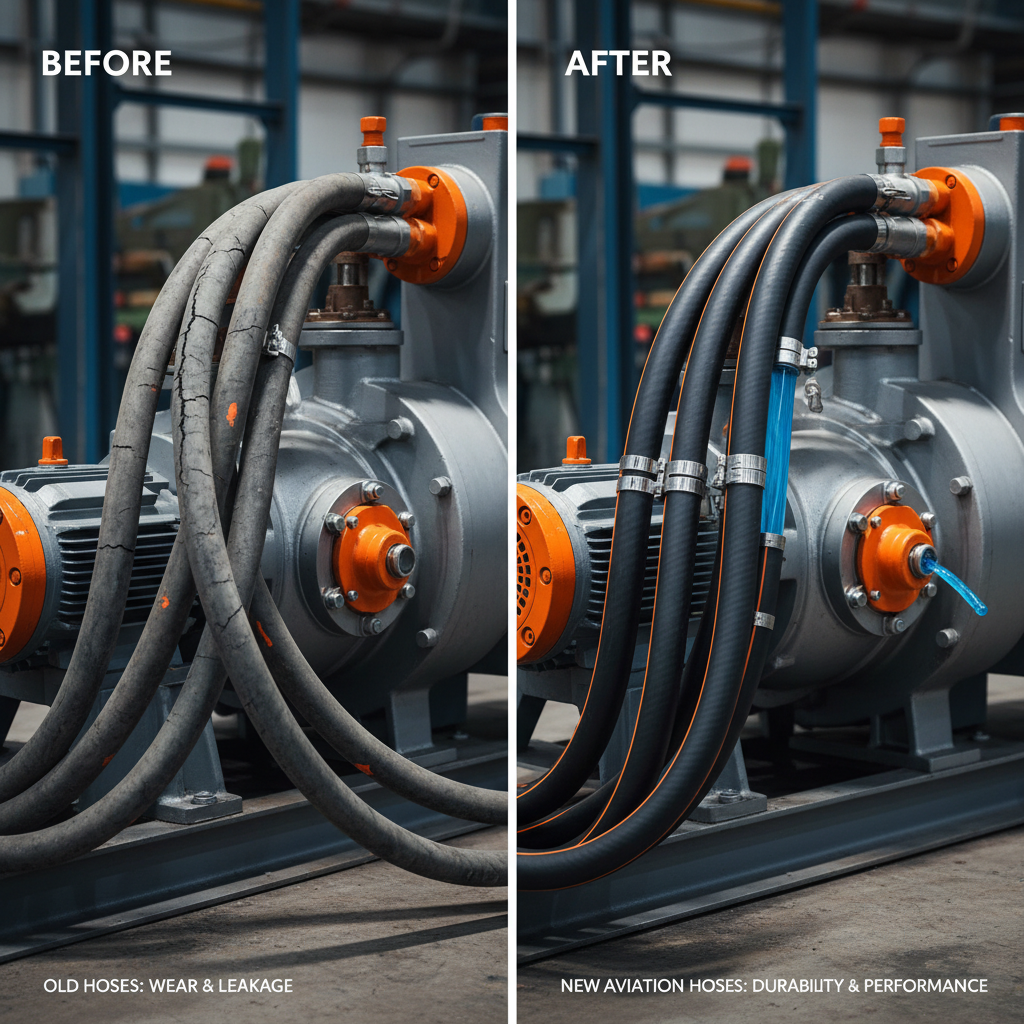
Furthermore, the outer cover must protect the hose from external threats, including ozone exposure, UV radiation, and abrasion against the airframe. Advanced polymer coatings are often applied to provide a "skin" that resists environmental degradation. This holistic approach to material science ensures that the hose remains flexible at -55°C in the stratosphere and stable at high temperatures near the engine exhaust.
Performance Metrics and Durability Analysis
When evaluating the performance of aviation hoses, engineers focus on several key metrics: burst pressure, permeation rate, and fatigue life. Fatigue life is particularly critical, as hoses are subjected to constant vibration from the aircraft engines and airframe. A hose that can withstand millions of vibration cycles without developing stress cracks is far more valuable than one with a higher burst pressure but lower flexibility.
Durability is also measured by the hose's ability to maintain its properties across a wide temperature gradient. From the freezing cold of high-altitude cruising to the searing heat of a tarmac in the Middle East, aviation hoses must not become brittle or overly soft. This stability is what allows aircraft to operate globally without the need for constant component replacement.
Performance Comparison of Aviation Hose Material Types
Strategic Global Applications and Use Cases
The application of aviation hoses extends far beyond commercial passenger jets. In military aviation, these hoses are designed to be fire-resistant and capable of surviving the shockwaves of combat environments. For example, in fighter jets, hydraulic hoses must operate at significantly higher pressures to enable the rapid movement of flight surfaces during high-G maneuvers, requiring reinforced steel braiding that minimizes expansion.
In remote industrial zones or during disaster relief operations, specialized aviation-grade hoses are often used in portable fuel depots and emergency generators. The reliability of these aviation hoses ensures that critical equipment remains operational even in harsh, sandy, or humid environments where standard industrial hoses would fail due to ozone cracking or chemical degradation.
Long-Term Value and Operational Reliability
Investing in premium aviation hoses provides significant long-term value by reducing the Frequency of Unscheduled Maintenance (FUM). While the initial cost of a high-specification hose may be higher, the extension of the replacement interval leads to lower overall lifecycle costs. This reliability translates directly into higher aircraft availability and reduced downtime for airlines.
Beyond the financial aspect, there is an emotional and ethical dimension: safety and trust. When pilots and passengers board an aircraft, they trust that every single component—down to the smallest hose—is functioning perfectly. High-reliability aviation hoses provide the peace of mind that comes from knowing a system is engineered to fail-safe, preventing catastrophic leaks in the middle of a flight.
Sustainability is also becoming a core value. By using materials that last longer and are more resistant to chemicals, the aviation industry reduces the volume of rubber waste generated by frequent replacements. This shift toward durable, high-performance polymers reflects a broader commitment to environmentally responsible aerospace operations.
Future Trends in Aviation Hose Technology
The future of aviation hoses is being shaped by the transition to more sustainable aviation fuels (SAF) and the rise of electric propulsion. SAFs have slightly different chemical properties than traditional kerosene, necessitating the development of new elastomer blends that ensure complete compatibility and prevent any internal lining degradation.
Digital transformation is also making its way into the hose industry through "Smart Hoses." By integrating thin-film sensors into the hose wall, engineers can now monitor pressure drops and temperature spikes in real-time. This transition from scheduled maintenance to predictive maintenance allows operators to replace aviation hoses based on actual wear rather than estimated hours, further increasing safety and efficiency.
Additionally, the push for lightweighting is leading to the use of carbon-fiber reinforcements and advanced thermoplastic composites. These materials offer the strength of steel with a fraction of the weight, allowing aircraft to carry more fuel or passengers while maintaining the extreme pressure ratings required for modern hydraulic systems.
Analysis of Material Trends for Future Aviation Hoses
| Material Type |
Weight Reduction |
Chemical Resistance |
Estimated Life Span |
| Traditional Rubber |
Baseline |
Moderate |
5,000 Hours |
| Fluoropolymers (PTFE) |
-10% |
Excellent |
12,000 Hours |
| Carbon-Reinforced |
-30% |
High |
10,000 Hours |
| Smart-Sensor Hoses |
+2% |
High |
Condition-Based |
| Bio-based Elastomers |
-5% |
Moderate |
7,000 Hours |
| Advanced Thermoplastics |
-20% |
Excellent |
15,000 Hours |
FAQS
Aviation hoses are engineered to withstand extreme pressure and temperature cycles that industrial hoses never encounter. They use aerospace-grade materials like PTFE or specialized EPDM to resist aggressive fluids like Skydrol and must comply with strict FAA/EASA certifications. Additionally, they are designed for significantly higher vibration resistance to prevent failure during flight.
The choice depends primarily on the fluid being transported. For fuel and lubricants, Nitrile or FKM is recommended. For hydraulic fluids like phosphate esters, EPDM is the industry standard. Always refer to the SAE AS5444 standard and check the compatibility chart provided by the manufacturer to avoid premature chemical degradation.
Lifespan varies by application and environment, but most are rated for a specific number of flight hours (e.g., 5,000 to 12,000 hours). However, they must be replaced immediately if signs of "weeping," cracking, or abrasion are found during pre-flight inspections, regardless of the remaining rated hours.
Due to the critical safety nature of aircraft, aviation hoses cannot be "patched" or repaired. Any breach in the inner liner or damage to the reinforcement layer requires a full replacement of the hose assembly to ensure the structural integrity of the fluid system is not compromised.
Extreme cold can make standard rubber brittle, leading to cracks, while extreme heat can cause the material to soften and expand, potentially lowering the burst pressure. Aviation-grade hoses use synthetic blends that maintain a stable modulus of elasticity from -55°C to over 200°C.
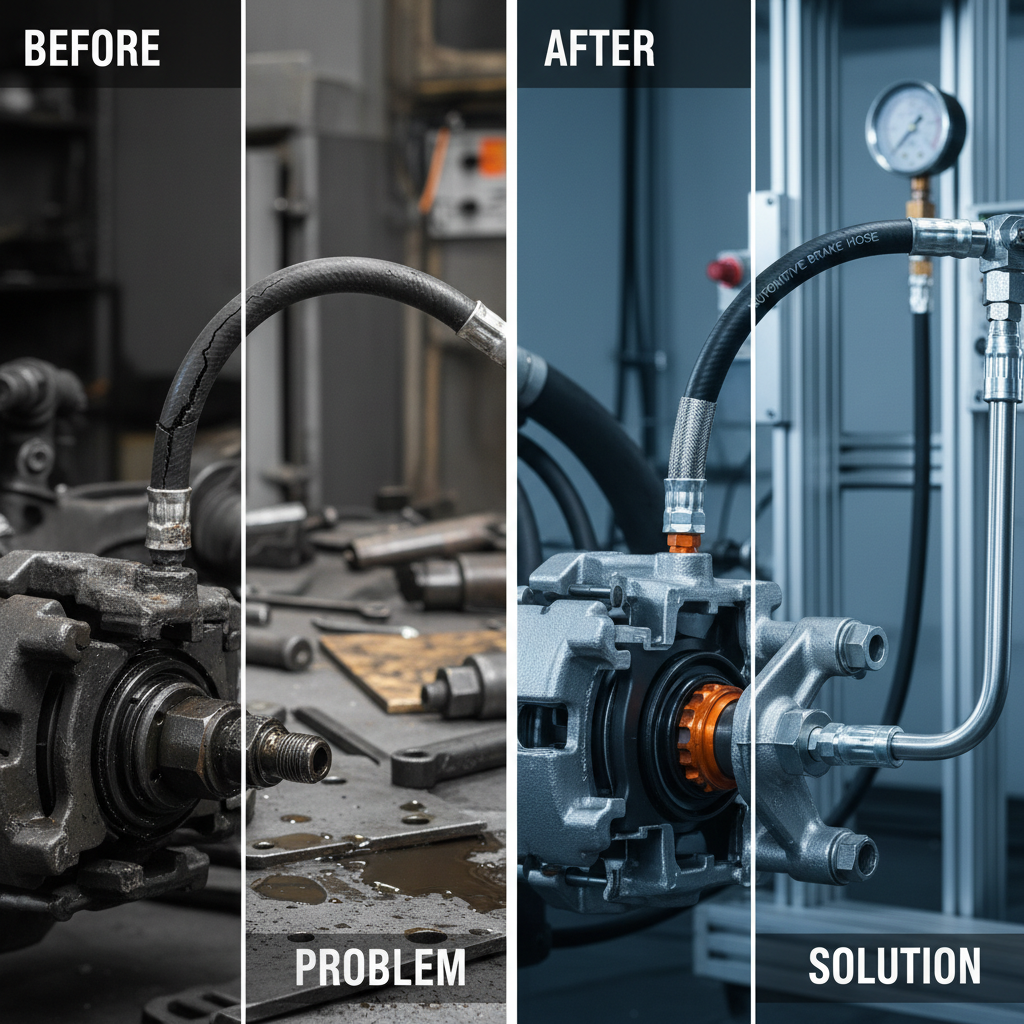
Common indicators include "sweating" (tiny beads of fluid on the outer cover), visible cracking (ozone cracking), bulging at the fittings, or a change in the hose's flexibility. Any of these signs indicate that the internal reinforcement or liner has failed, and the hose must be replaced immediately.
Conclusion
In summary, aviation hoses are far more than simple conduits; they are precision-engineered components that ensure the safety and reliability of global air travel. By integrating advanced material science, adhering to rigorous international standards, and embracing innovative reinforcement techniques, manufacturers provide the essential infrastructure that allows aircraft to operate under the most demanding conditions on Earth.
As the industry moves toward a greener future with sustainable fuels and electric aircraft, the evolution of hose technology will continue to be a cornerstone of aerospace innovation. We recommend that operators prioritize high-specification materials and predictive maintenance to maximize aircraft uptime and safety. For world-class fluid conveyance solutions, visit our website: www.pvcrubberhose.com