Finding reliable auto ac hoses suppliers is critical for automotive technicians and fleet managers who require precise pressure containment and chemical resistance. In the specialized sector of rubber and plastic product manufacturing, specifically within the production of rubber plates, tubes, and belts, the integrity of an air conditioning hose determines the overall efficiency of the vehicle's thermal management system.
The primary challenge for procurement officers is balancing the trade-off between material durability and cost-effectiveness. Substandard hoses often lead to refrigerant leaks, compressor failure, and increased downtime, making the selection of a supplier with rigorous quality control and specialized rubber compounding expertise a strategic necessity.
This professional analysis provides a framework for evaluating supplier capabilities, understanding the technical requirements of AC hose materials, and establishing a procurement strategy that ensures long-term operational reliability for automotive climate control systems.

Understanding Automotive AC Hose Requirements

Automotive air conditioning hoses must withstand extreme environmental stressors, including high-pressure refrigerant cycles and exposure to engine heat. For suppliers operating in the rubber and plastics industry, the focus is on creating a multi-layered structure that prevents permeate gas loss while maintaining flexibility over thousands of vibration cycles.
From a technical perspective, the interior liner must be chemically inert to both the refrigerant and the lubricant oils. If a supplier cannot guarantee the permeability rate of the inner tube, the system will experience premature pressure drops, leading to inefficient cooling and increased load on the compressor.
Evaluating Supplier Technical Capabilities
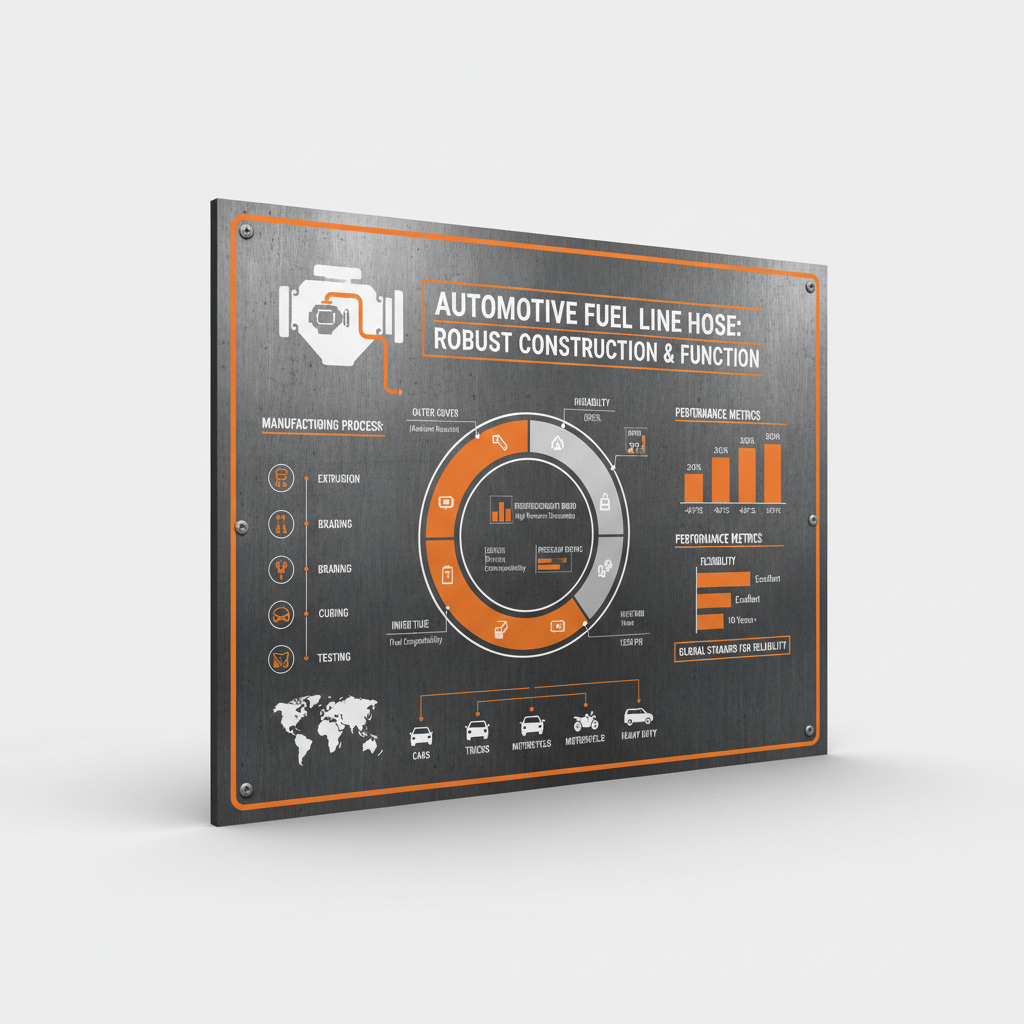
When auditing auto ac hoses suppliers, it is essential to look beyond the product catalog and examine the manufacturing process. A competent supplier should demonstrate expertise in extrusion, reinforcement braiding, and precision fitting attachment. HEBEI ZHOUCONG IMP AND EXP CO.,LTD., operating under the Z-Smartflex brand, integrates these capabilities to provide industrial and hydraulic solutions that meet strict safety standards.
The ability to offer customized hose fittings is a key indicator of technical maturity. Since vehicle AC layouts vary significantly, a supplier that can provide integrated couplings and fitting solutions reduces the risk of installation errors and leakages at the connection points.
Material Compatibility and Performance Factors
The choice of elastomer is the most critical factor in hose longevity. Depending on the application, suppliers may utilize EPDM for heat resistance or specialized synthetic rubbers for oil resistance. For instance, products designed for the conveyance of diesel, gasoline, and lubricants require specific mineral oil resistance that standard rubber lacks.
Reinforcement layers—typically textile or wire braids—determine the burst pressure and collapse resistance. A high-quality AC hose must maintain its inner diameter under vacuum conditions (suction side) while resisting expansion under high-pressure discharge from the compressor.
Comparison of Hose Performance Indices
To quantify the effectiveness of different hose types, we use a normalized conceptual framework. This index evaluates relative performance across five key dimensions: Thermal Stability, Pressure Resistance, Flexibility, Permeability Control, and Chemical Inertness.
The illustrative data above indicates that while high-pressure hydraulic-grade hoses offer maximum pressure resistance, they often sacrifice flexibility. Automotive AC hoses must find a balance, prioritizing permeability control and thermal stability to ensure refrigerant remains trapped within the closed-loop system.
Supply Chain Risks in Rubber Manufacturing
The rubber and plastics industry is subject to volatility in raw material pricing and quality. Buyers should be aware that inconsistencies in the polymer blend can lead to "batch-to-batch" variance, where one shipment of hoses performs perfectly while the next exhibits premature cracking.
To mitigate these risks, professional suppliers implement strict quality process controls. Tracking the quality from raw material arrival to final pressure testing ensures that the finished product meets international standards, reducing the liability for the automotive end-user.
Common Procurement Pitfalls to Avoid
A common mistake is selecting a supplier based solely on the lowest unit price without evaluating the "Total Cost of Ownership." Low-cost hoses often use inferior fillers in the rubber compound, which leads to faster degradation under UV exposure and engine heat.
Another oversight is neglecting the fitting compatibility. A hose is only as strong as its weakest connection. Procurement teams must verify that the hose fittings are matched to the hose's inner diameter and pressure rating to avoid "blow-offs" during peak operation.
Supplier Selection Decision Matrix
Choosing between different supplier tiers requires a structured approach. The following matrix compares conventional commodity suppliers against specialized industrial rubber manufacturers based on critical procurement dimensions.
| Supplier Type | Material Control | Customization | Quality Assurance | Best Use Case |
|---|---|---|---|---|
| Commodity Vendor | Standard Grade | Low / Limited | Batch Testing | Low-stress apps |
| Specialized Factory | Custom Compound | High / Tailored | Process-level QC | OEM/Heavy-duty |
| Industrial Distributor | Variable | Medium (Assembly) | External Certs | Rapid replacement |
| Hydraulic Specialist | High-Pressure Focus | High (Fittings) | Pressure-certified | High-pressure AC |
| Plastic-centric Firm | Polymer Focus | Medium | Dimensional QC | Low-pressure lines |
| Integrated Group | Comprehensive | Full Solution | End-to-end Audit | Long-term partner |
For businesses seeking long-term reliability, an integrated group that manages both the hose extrusion and the fitting manufacture provides the highest level of systemic security and performance consistency.
Frequently Asked Questions
Buyers should prioritize working pressure, burst pressure, temperature range, and gas permeability ratings. Additionally, verify the compatibility of the inner liner with the specific refrigerant (e.g., R134a or R1234yf) and the lubricant oils used in the system.
The compounding process determines the hose's resistance to ozone, heat, and oil. Poorly compounded rubber will undergo "dry rot" or soften when exposed to mineral oils, leading to cracks and refrigerant leaks.
Generally, no. While hydraulic hoses can handle the pressure, they are not designed for the low permeability required to keep refrigerants contained. Using non-AC specific hoses often results in rapid gas loss through the hose walls.
Fittings are the most common points of failure. High-quality suppliers ensure a precise mechanical bond between the fitting and the rubber, often using crimping technology that prevents leaks even under extreme vibration.
Request a detailed quality inspection report. A reliable supplier should provide data on pressure tests, dimensional tolerances, and material certifications for each production batch.
The main risks include premature failure due to thermal degradation, high leak rates, and potential safety hazards if a hose bursts under high pressure, potentially damaging surrounding engine components.
Conclusion
The selection of auto ac hoses suppliers is not merely a purchasing decision but a technical one. By prioritizing material compatibility, verifying the supplier's integrated manufacturing capabilities, and avoiding the trap of lowest-unit pricing, companies can ensure the longevity and efficiency of automotive climate control systems.
For organizations evaluating industrial-grade hose solutions and customized fittings, detailed product specifications and technical support are available at www.pvcrubberhose.com to help match the right material to the specific application requirement.