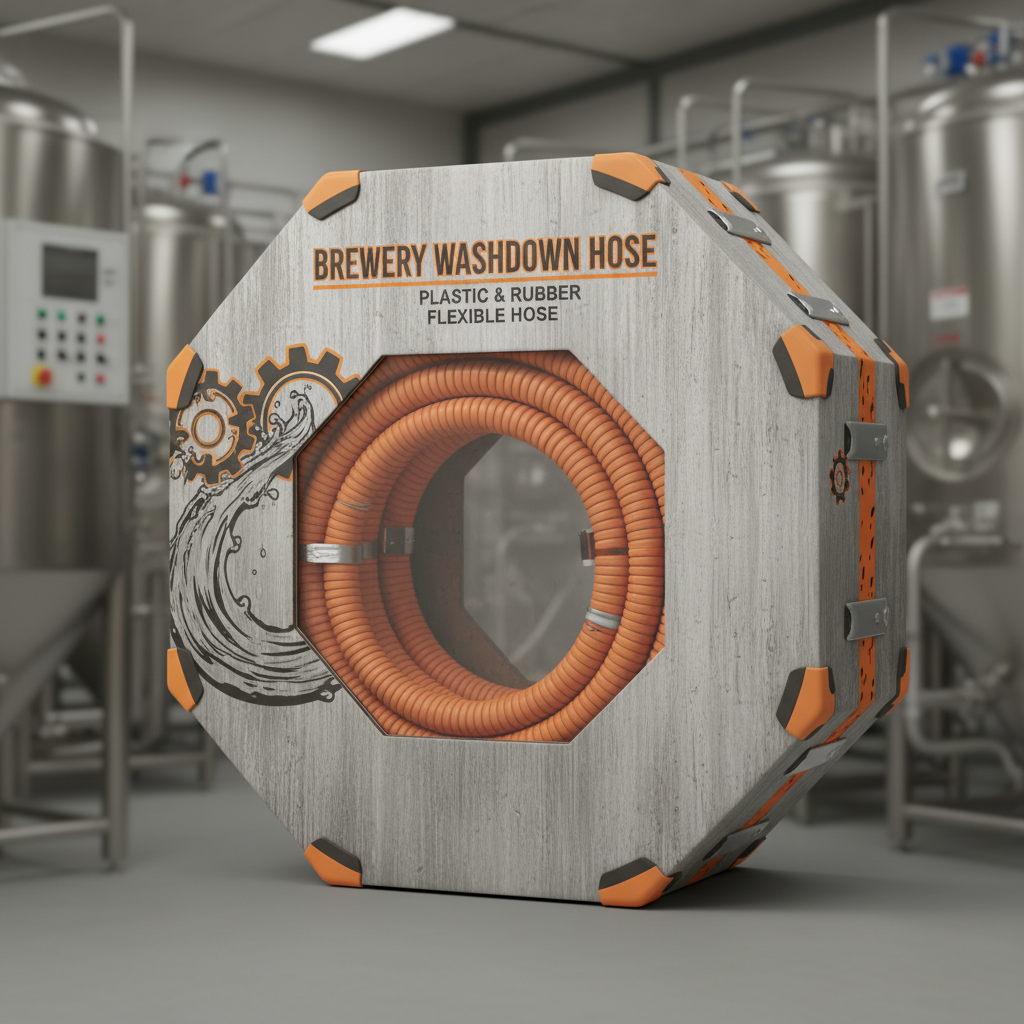
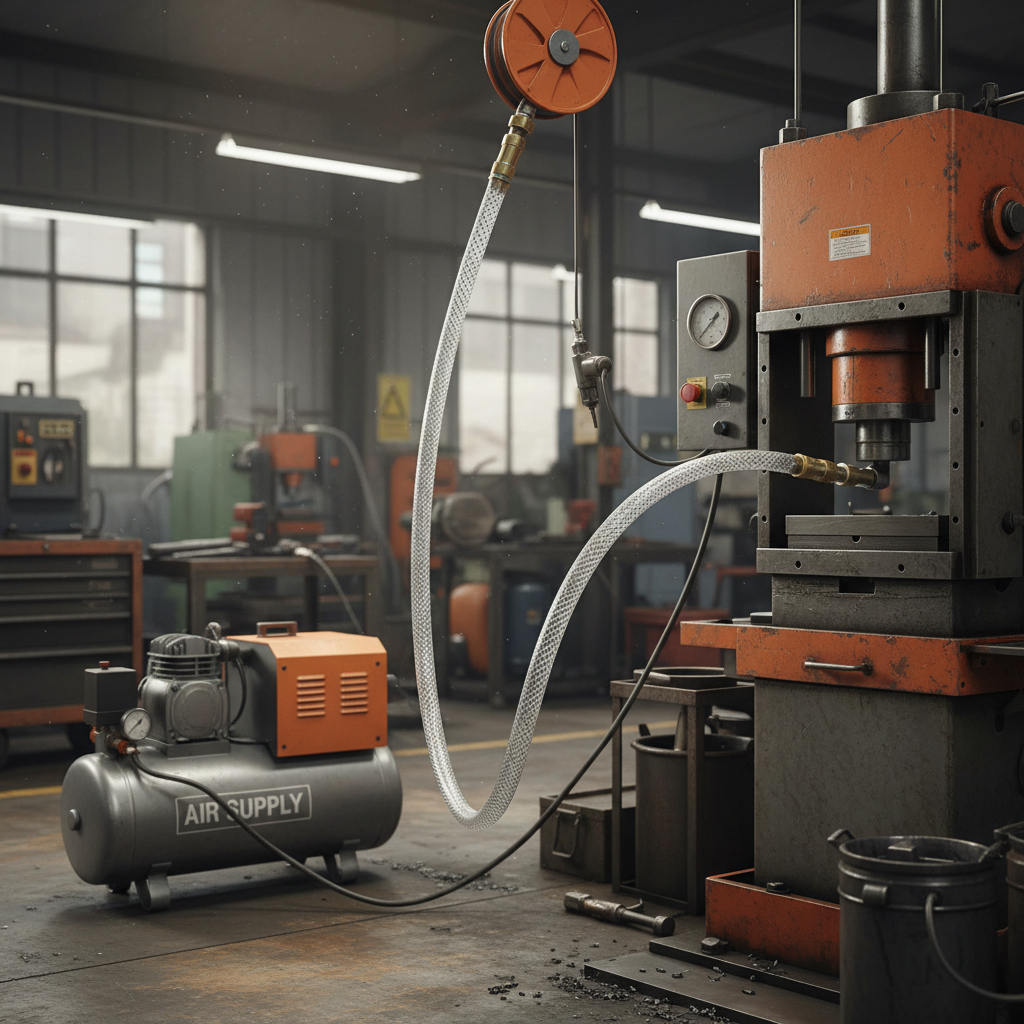
Selecting the wrong fluid transfer medium can lead to more than just operational downtime; it can result in critical safety failures and costly environmental cleanup. In heavy industrial environments, the demand for precision-engineered conduits is not merely about moving liquid or gas from point A to point B, but about maintaining pressure integrity under volatile conditions.
The shift toward specialized polymer blends and reinforced rubber compounds has redefined how engineers approach fluid dynamics in the field. Whether dealing with abrasive slurries or corrosive chemical agents, the material science behind the hose determines the lifecycle of the entire system.
To optimize these systems, it is essential to understand the intersection of material compatibility and mechanical fittings. Exploring the diverse range of industrial hose products reveals how strategic selection reduces operational risk and enhances overall efficiency.


The core of any industrial conduit is its wall construction. Typically composed of an inner tube for chemical resistance, a reinforcement layer for structural strength, and an outer cover for environmental protection, these components must work in harmony. PVC and PU hoses offer excellent flexibility and transparency for monitoring flow, while rubber remains the gold standard for extreme oil and air applications.
For instance, HEBEI ZHOUCONG utilizes advanced manufacturing processes to ensure that rubber air and water hoses maintain their elasticity even after prolonged exposure to ultraviolet radiation and abrasive surfaces, preventing the premature cracking often seen in lower-grade materials.
A hose is only as reliable as its connection point. The integration of hose fittings transforms a simple tube into a functional industrial tool. Whether utilizing permanent crimping or quick-connect systems, the goal is to eliminate leakage points that can cause pressure drops or hazardous spills.
Quick-coupling technology, particularly Aluminium Camlock systems, has significantly reduced the labor time required for hose swaps. These fittings are specifically designed for compatibility with PVC suction and layflat discharge hoses, enabling rapid deployment in low-pressure environments.
However, mechanical compatibility is not universal. It is a critical technical requirement that camlocks be avoided in high-pressure gas or compressed air applications, as their locking mechanism is not engineered to withstand the explosive force of a high-pressure rupture.
Pressure rating is the most vital metric in hose selection. Understanding the difference between working pressure, maximum pressure, and burst pressure prevents catastrophic failures. Hydraulic hoses, for example, are reinforced with high-tensile steel wire to handle immense force, whereas silicone hoses are optimized for thermal stability and flexibility.
The failure of an industrial hose is rarely a result of material fatigue alone, but rather a mismatch between the medium's chemical property and the hose's internal liner, compounded by exceeding the rated operating pressure.
To mitigate these risks, engineers must implement a safety factor—typically a 4:1 ratio between burst pressure and working pressure. This buffer accounts for pressure surges and the natural degradation of the material over time, ensuring that the system operates well within its safe elastic limit.
Different materials provide varying levels of performance across several key indices, including flexibility, chemical resistance, and pressure tolerance. While PVC is highly cost-effective for general water transport, rubber oil hoses are indispensable for fuel and lubricant transfer due to their non-reactive nature.
The following analysis illustrates the relative suitability of common materials based on a qualitative performance index. This framework helps in narrowing down the material choice before moving to specific dimensional specifications.
In a typical mining operation, the environment is characterized by abrasive dust and heavy machinery. Here, tailor-made rubber hoses are utilized for their extreme durability and resistance to external cuts. Z-Smartflex has provided such customized solutions, ensuring that the specifications meet strict safety standards for heavy-duty excavation and slurry transport.
Conversely, in agricultural settings, the priority shifts toward UV resistance and ease of movement. PVC and PU hoses are more prevalent here, often paired with quick couplings to allow farmers to relocate irrigation lines rapidly across varying terrains without needing permanent installations.
The industry is witnessing a transition toward thermoplastic elastomers (TPE), which combine the processing advantages of plastics with the performance properties of rubber. This evolution allows for more precise control over the hose's inner diameter and wall thickness, leading to more predictable flow rates and reduced turbulence.
Moreover, the integration of antimicrobial liners in silicone and PVC hoses is becoming standard for food and pharmaceutical applications. This prevents biofilm buildup, which is a critical requirement for maintaining sanitary standards in production lines.
As global supply chains demand higher efficiency, the focus is shifting from "generic" hoses to "application-specific" conduits. This means materials are now engineered for specific chemical cocktails, reducing the frequency of replacement and lowering the total cost of ownership.
When procuring industrial hose products, buyers often make the mistake of focusing solely on price. A lower-cost hose that fails in six months is significantly more expensive than a premium hose that lasts three years, especially when accounting for the cost of system downtime and potential labor for replacement.
A professional selection framework involves assessing the medium, the temperature, the pressure, and the environmental exposure. For example, selecting a rubber oil hose for a fuel line is non-negotiable, as a PVC alternative would degrade and leach chemicals into the fuel, damaging the engine.
The following table provides a decision-support matrix for matching the application to the most suitable hose and fitting combination based on standard industrial requirements.
| Application Scenario | Recommended Material | Fitting Type | Key Consideration |
|---|---|---|---|
| High-Pressure Hydraulic | Reinforced Rubber | Crimped Steel | Burst Pressure |
| Chemical Transfer | PVC / PTFE | Flanged / Camlock | Chemical Compatibility |
| Air Compressor Lines | Rubber Air Hose | Threaded Fittings | Ozone Resistance |
| Water Suction | Spiral PVC | Aluminium Camlock | Vacuum Collapse |
| Food Grade Fluid | Silicone / PU | Tri-Clamp | FDA Compliance |
| Fuel/Oil Delivery | Nitrile Rubber | Permanent Press | Permeation Rate |
The primary difference lies in chemical resistance and flexibility. PVC hoses are generally more lightweight, transparent, and resistant to certain acids, making them ideal for water and light chemical transfer. Rubber hoses, however, offer superior resistance to oils, fuels, and extreme temperatures, and are typically capable of handling much higher pressures due to their reinforced internal structures.
No, Aluminium Camlock couplings are specifically designed for low-pressure applications, such as PVC suction or layflat discharge hoses. They are strictly forbidden for use in compressed air, gas, or high-pressure systems because the locking mechanism is not engineered to withstand the force of high-pressure fluid or gas, which could lead to a dangerous disconnection.
In industrial standards, a common safety factor is 4:1. This means the burst pressure of the hose should be at least four times the maximum working pressure of the system. This ensures that temporary pressure spikes or material aging do not lead to immediate failure, providing a critical margin of safety for operators and equipment.
Heavy-duty reinforced rubber is the best choice for abrasive slurries. These hoses feature a thick, abrasion-resistant inner liner designed to withstand the constant friction of particles. Companies like Z-Smartflex often customize these hoses with additional reinforcement layers to prevent external punctures and internal wear in mining environments.
Lifespan is affected by chemical compatibility (whether the medium eats the liner), temperature fluctuations (which can make materials brittle), UV exposure (which degrades the outer cover), and mechanical stress (such as tight bending radii or external abrasion). Regular inspection for "checking" or cracking on the cover is essential for preventative maintenance.
Working pressure is the maximum pressure at which the hose can operate continuously and safely over its lifetime. Burst pressure is the absolute point at which the hose physically fails and ruptures. Designing a system based on burst pressure is extremely dangerous; all operational parameters must be based on the rated working pressure to ensure long-term integrity.
The efficiency of any industrial fluid system depends entirely on the synergy between the hose material and its mechanical couplings. By prioritizing material compatibility and adhering to strict pressure safety factors, enterprises can significantly reduce operational risks and maintenance costs.
As the industry moves toward more specialized thermoplastic and rubber solutions, the role of experienced manufacturers like HEBEI ZHOUCONG becomes crucial in helping users find the exact product for their specific environmental constraints. Investing in high-quality industrial hose products is not just a procurement decision, but a strategic move toward systemic reliability.