
Choosing the Right Air Compressor Rubber Hose: A Comprehensive Guide
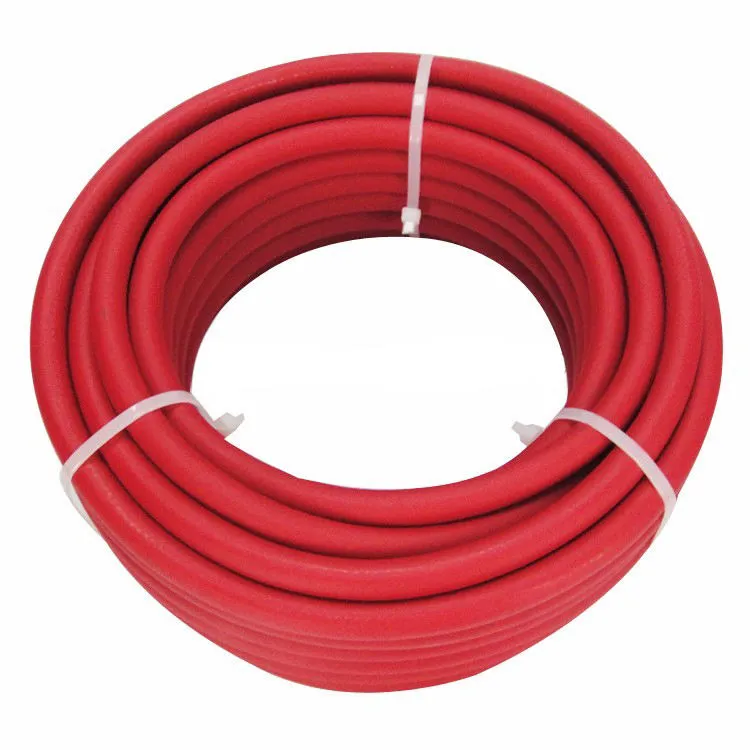
An air compressor rubber hose is a vital component for countless applications, from industrial manufacturing to DIY projects. Selecting the right hose ensures efficient operation, safety, and longevity. This article provides a detailed overview of air compressor rubber hoses, covering types, materials, applications, and essential considerations for making the best choice. Understanding the nuances of these hoses can save you time, money, and potential hazards. We'll explore how to choose a hose perfectly suited to your needs.
Types of Air Compressor Rubber Hoses
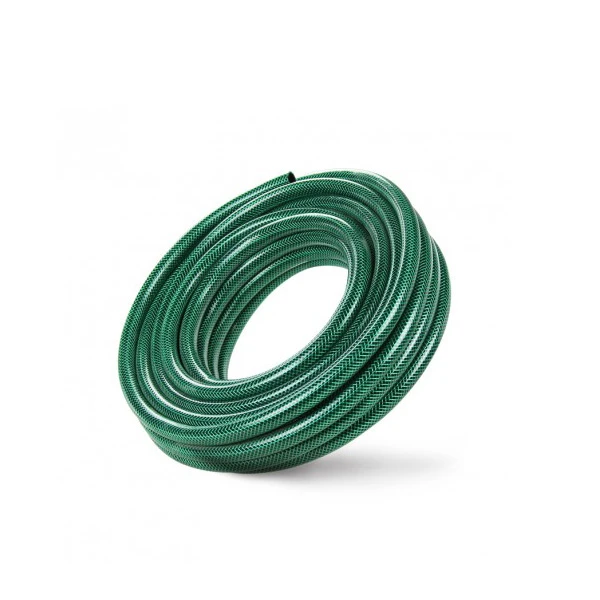
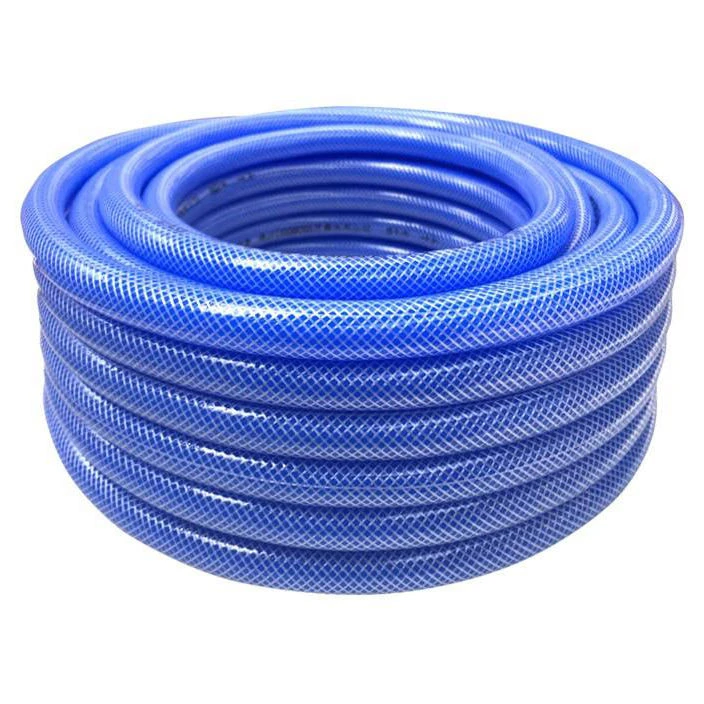
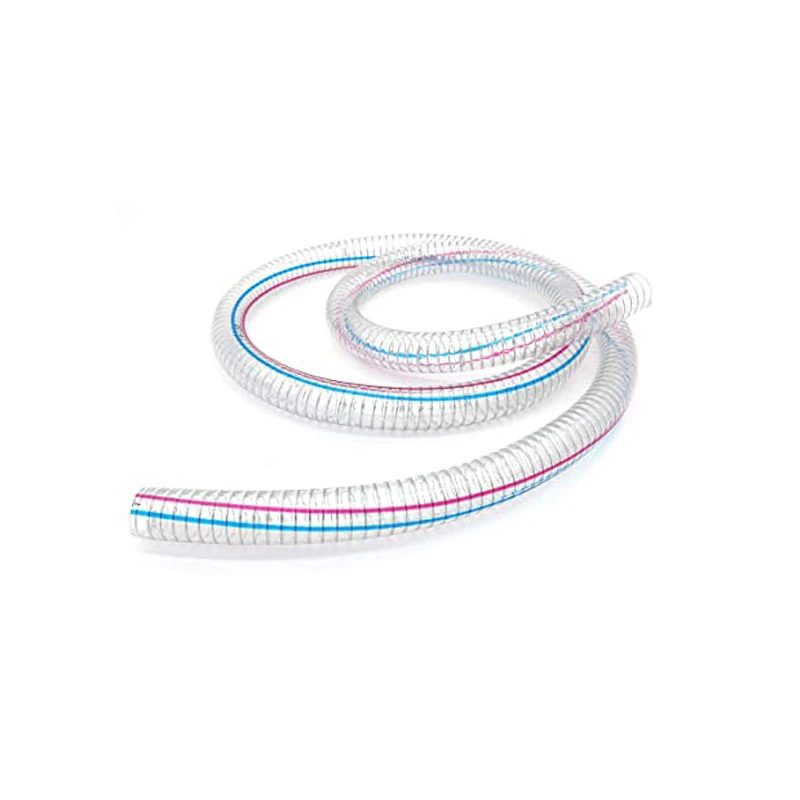
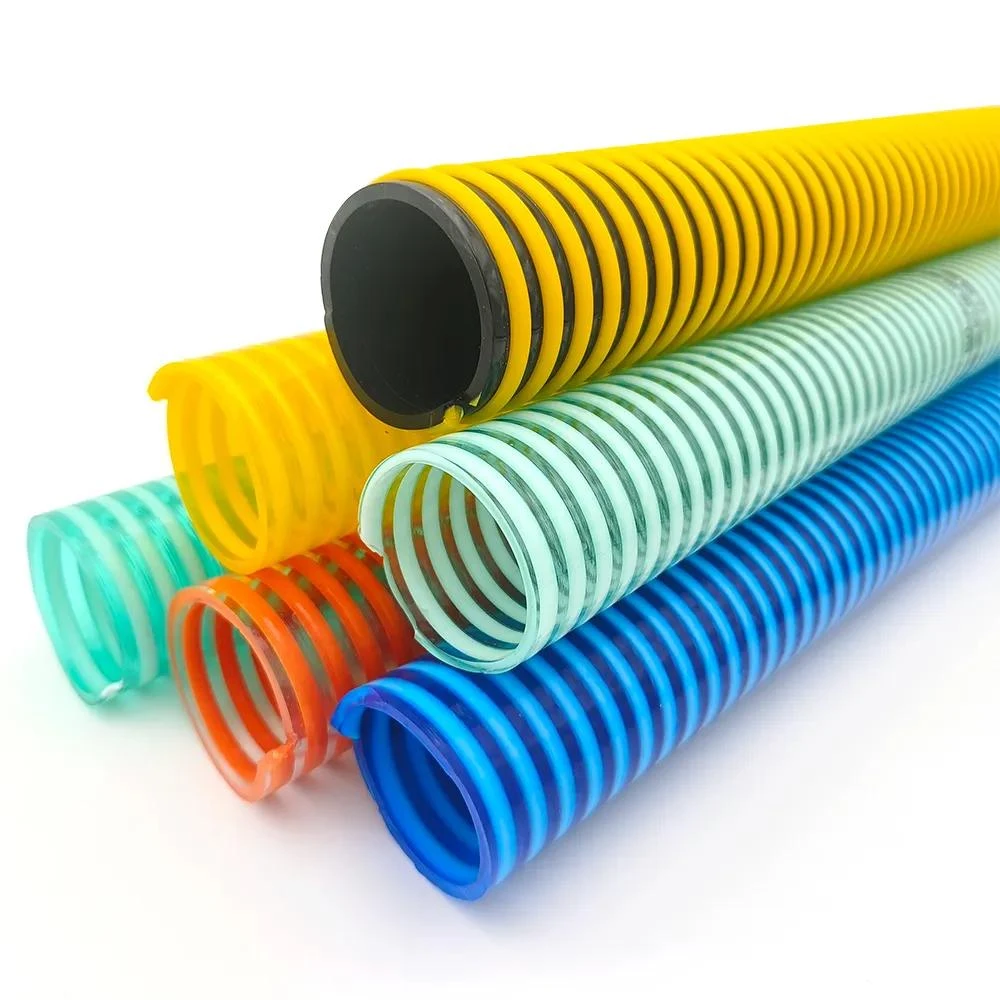
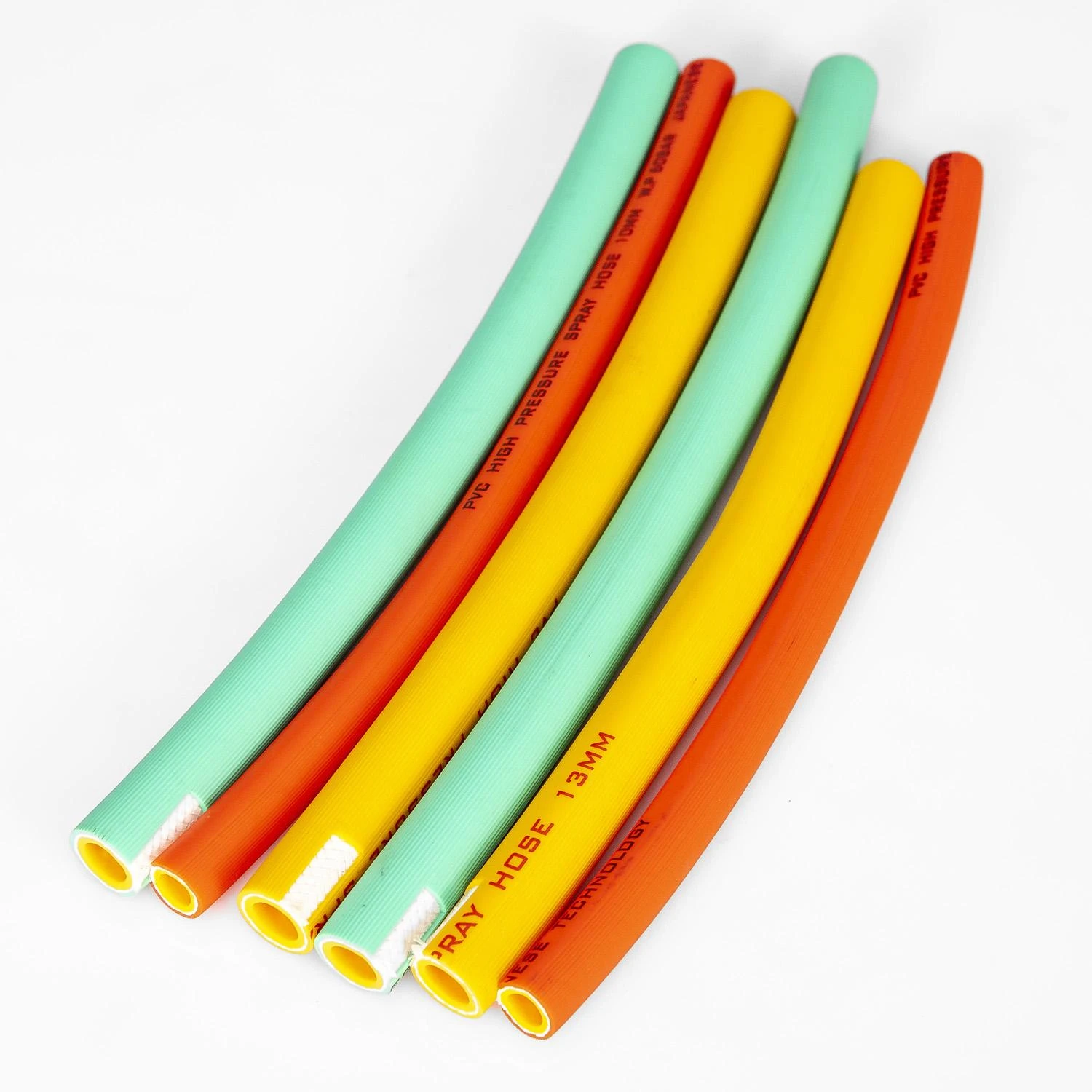
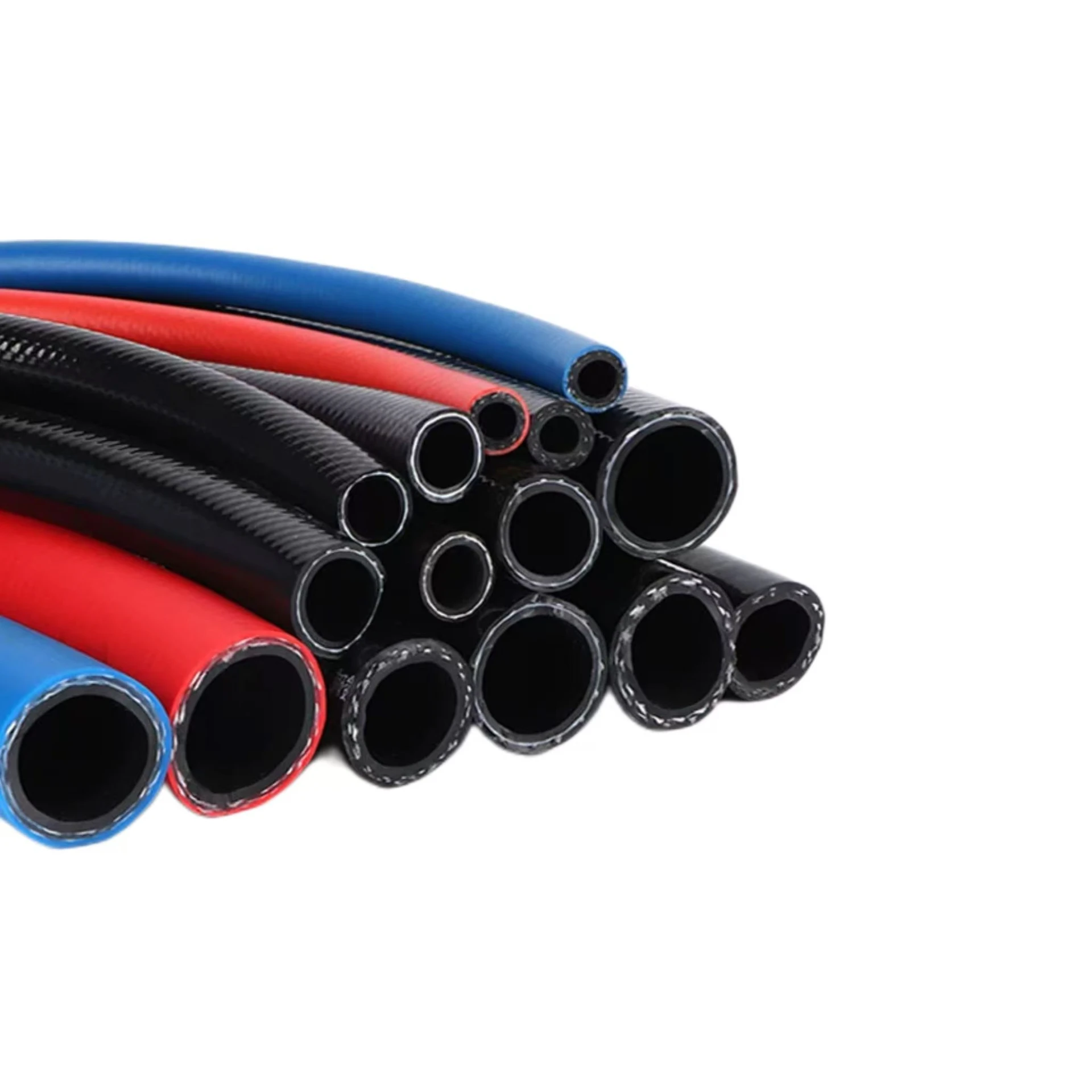
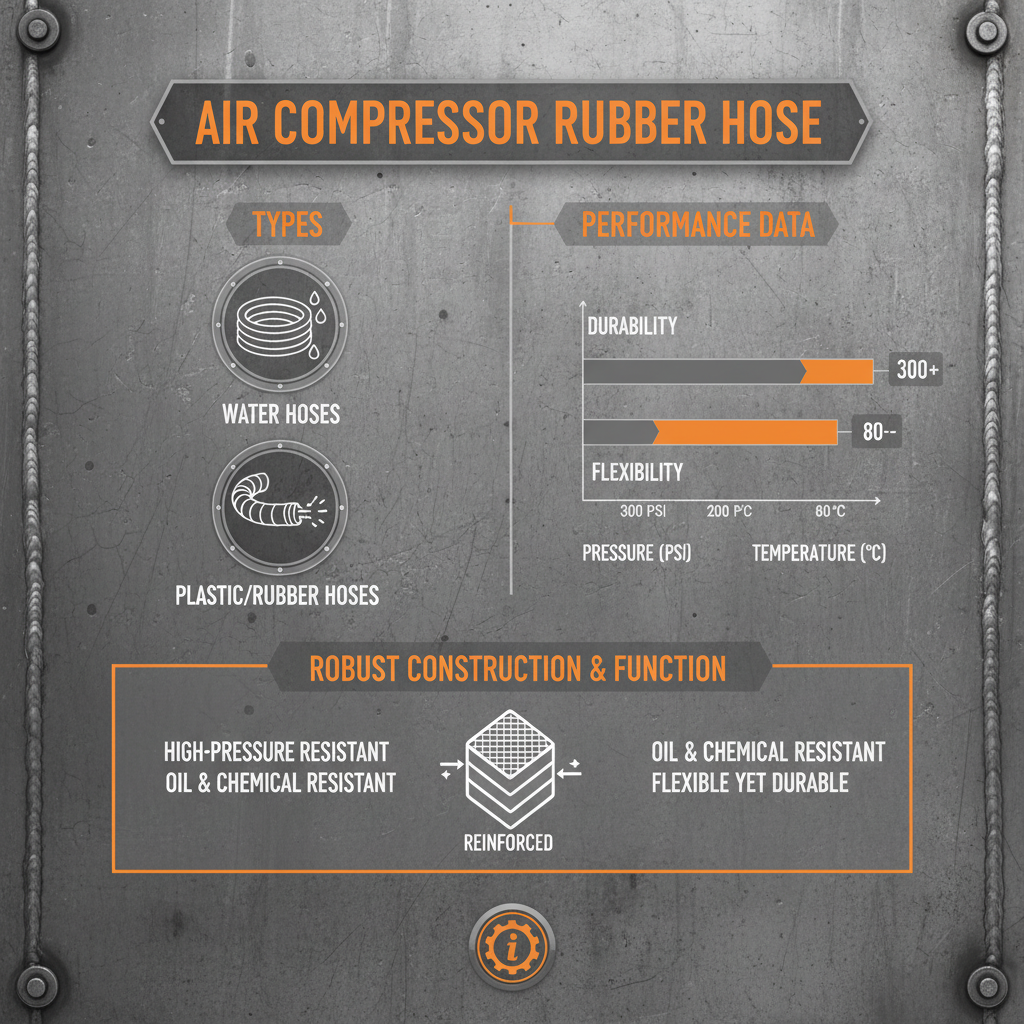
Air compressor hoses aren't one-size-fits-all. Several types cater to different requirements. Rubber hoses are prized for their flexibility and durability, making them suitable for a wide range of applications. PVC hoses are lighter and more affordable, often used for less demanding tasks. Hybrid hoses combine rubber and PVC for a balance of properties. Reinforced hoses feature braided reinforcement for higher pressure resistance. Choosing the correct type depends on the pressure, temperature, and environment the hose will be exposed to. Each type offers distinct advantages and limitations.
Key Takeaway: Understanding the different types of air compressor hoses is crucial for selecting one that can withstand the demands of your specific application.
Materials Used in Air Compressor Rubber Hoses
The material composition of an air compressor rubber hose significantly impacts its performance. Common materials include: EPDM rubber, known for its excellent resistance to heat, ozone, and weathering; nitrile rubber (NBR), ideal for oil resistance; and PVC, a cost-effective option suitable for general-purpose use. The reinforcement layer, often made of polyester or nylon braiding, enhances the hose's burst pressure and prevents kinking. When dealing with specific fluids or environments, selecting a hose with the appropriate material is essential to prevent degradation and failure. Consider compatibility with the air being used as well.
Material Properties:
• EPDM: Heat, Ozone, Weathering Resistance
• NBR: Oil Resistance
• PVC: Cost-Effective, General Purpose
Choosing the Right Air Compressor Rubber Hose for Your Application
Selecting the optimal hose involves considering several factors. The working pressure of your air compressor is paramount; the hose's burst pressure should significantly exceed this. The hose length must be sufficient for your workspace without creating excessive drag. The operating temperature and environment (e.g., exposure to oils, chemicals) will dictate the necessary material. Finally, consider the hose diameter – a larger diameter allows for greater airflow, while a smaller diameter may be more manageable. A well-chosen hose improves efficiency and safety.
Understanding Hose Fittings and Connections
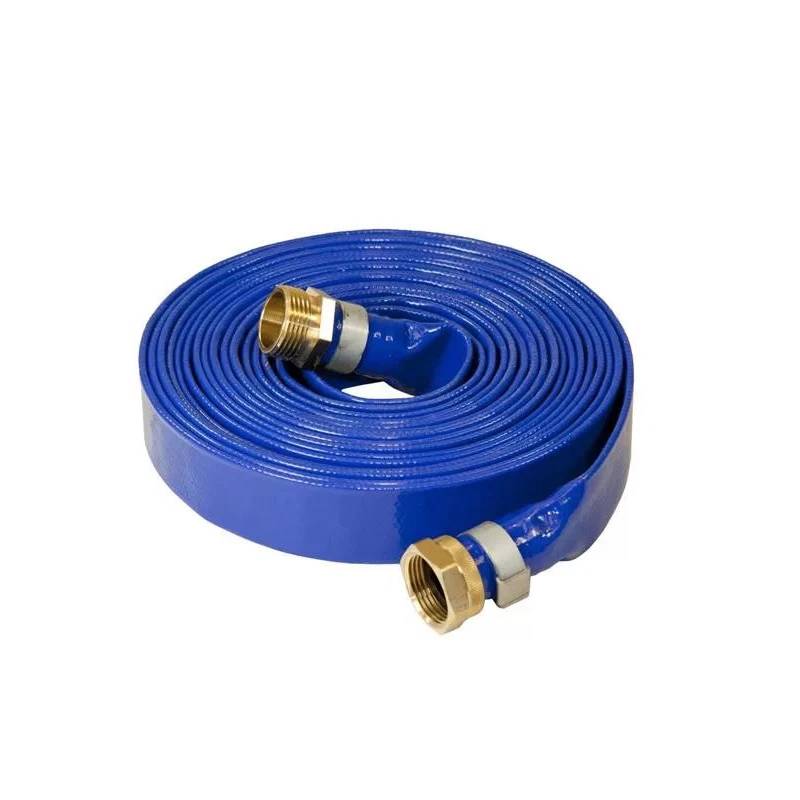
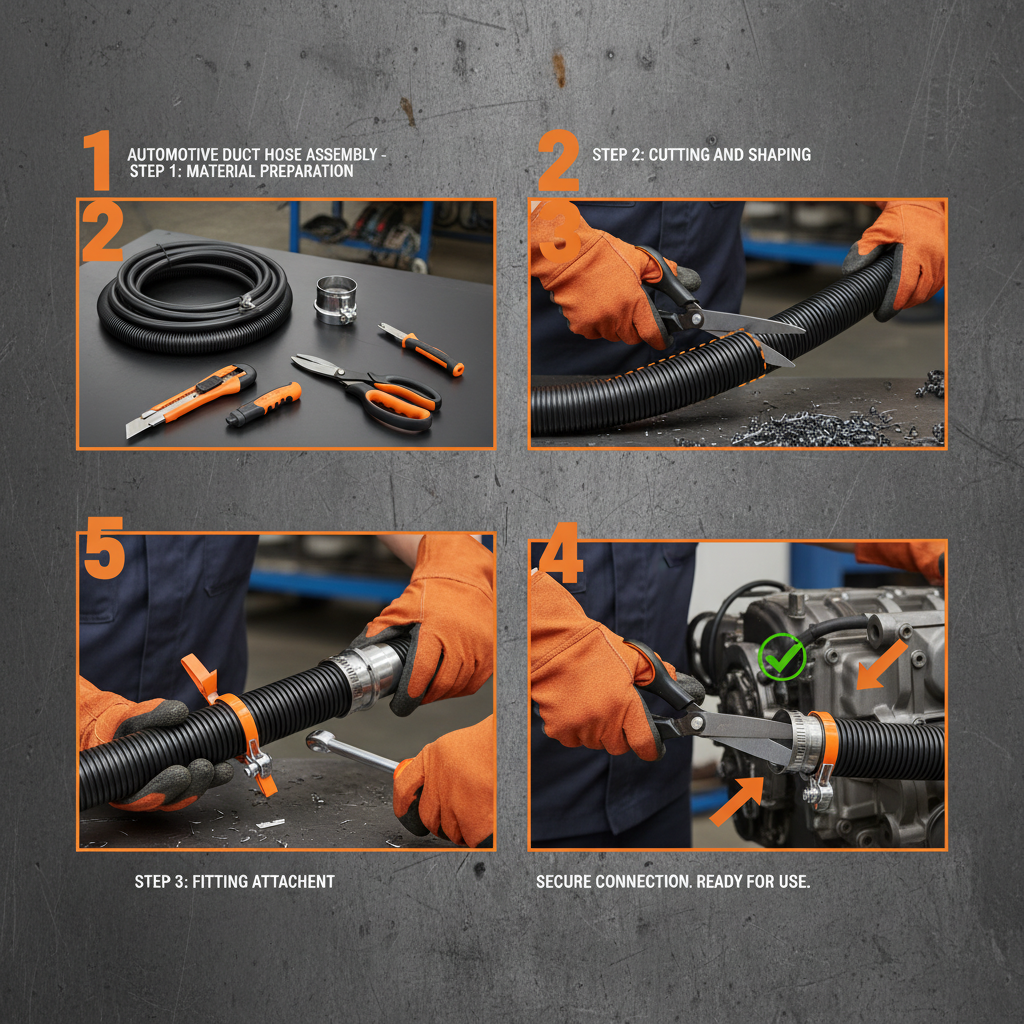
The fittings at the ends of the hose are just as important as the hose itself. Common fitting types include NPT (National Pipe Thread), quick-connect fittings, and universal fittings. Ensure compatibility between the hose fittings and your air compressor and tools. Secure connections prevent air leaks and ensure efficient operation. Regularly inspect fittings for damage or corrosion. Using the correct fittings and maintaining them properly is crucial for safe and reliable performance. Look for fittings made from durable materials like brass or stainless steel.
Maintenance and Safety Tips for Air Compressor Rubber Hoses
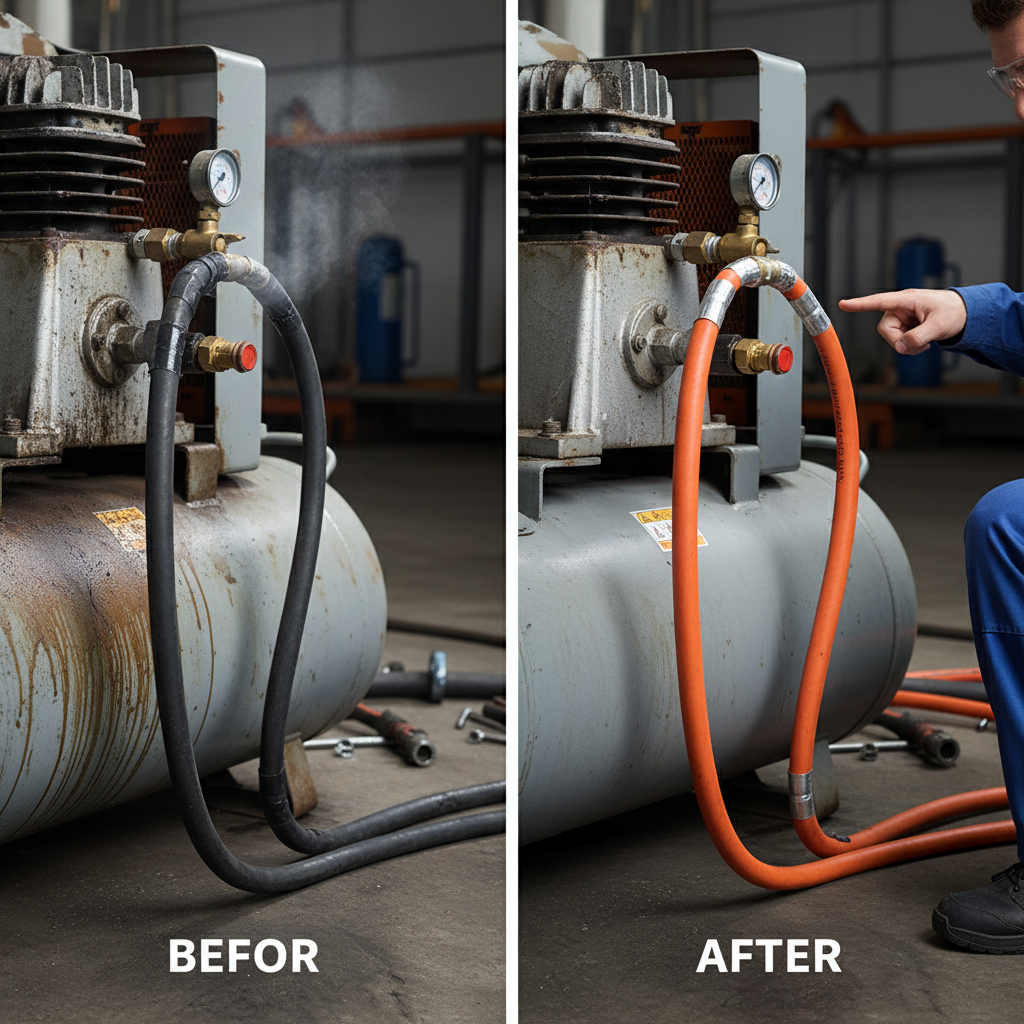
Proper maintenance extends the life of your air compressor rubber hose and ensures safety. Regularly inspect the hose for cracks, abrasions, and leaks. Avoid kinking or twisting the hose, as this can weaken the internal structure. Store the hose properly when not in use, away from direct sunlight and extreme temperatures. Never exceed the hose’s maximum working pressure. Replace damaged hoses immediately. Following these simple steps can prevent accidents and ensure reliable operation. Always disconnect the hose from the compressor before making any repairs or adjustments.
Conclusion: Investing in Quality and Safety
Choosing the right air compressor rubber hose is a critical decision that impacts efficiency, safety, and longevity. By carefully considering your application requirements, material properties, and maintenance practices, you can ensure optimal performance and prevent costly downtime. Don't compromise on quality – invest in a hose that meets your needs and provides reliable service for years to come.
Frequently Asked Questions (FAQs)
What is the maximum pressure rating for a typical air compressor rubber hose?
The maximum pressure rating varies depending on the hose’s construction and materials. Typically, air compressor rubber hoses are rated for pressures between 300 PSI and 500 PSI. However, it's crucial to always check the hose’s label or specifications to confirm its maximum working pressure. Exceeding this pressure can lead to hose failure, resulting in serious injury. Reinforced hoses generally have higher pressure ratings.
How do I properly store an air compressor hose?
Proper storage is essential to extend the life of your hose. Avoid storing it in direct sunlight, as UV rays can degrade the rubber. Also, avoid storing it near extreme temperatures or chemicals. Coil the hose loosely and hang it up or store it in a clean, dry location. Avoid kinking or bending the hose sharply during storage. A hose reel can be a convenient option for organized storage.
What should I do if I notice a leak in my air compressor hose?
If you detect a leak in your air compressor hose, immediately disconnect the hose from the compressor and tools. Do not attempt to repair the hose with tape or other temporary fixes. A leaking hose should be replaced immediately to prevent potential hazards. Inspect the fittings for damage or corrosion, and replace them if necessary. Prioritize safety and use a new, undamaged hose.
Z-Smartflex delivers superior-quality industrial hoses and fittings with global reliability, offering you durable solutions and exceptional service for all your fluid transfer needs.