Selecting the Right Automotive Exhaust Hose for Garage Use
Maintaining a safe and efficient garage environment relies on having the right equipment. One often overlooked but crucial component is the automotive exhaust hose. This hose safely extracts harmful exhaust fumes during vehicle maintenance and repairs. Choosing the correct hose ensures the health and safety of technicians, protects equipment, and complies with environmental regulations. This article will explore the key factors to consider when selecting an automotive exhaust hose, covering materials, sizes, features, and applications.
Understanding Automotive Exhaust Hose Materials
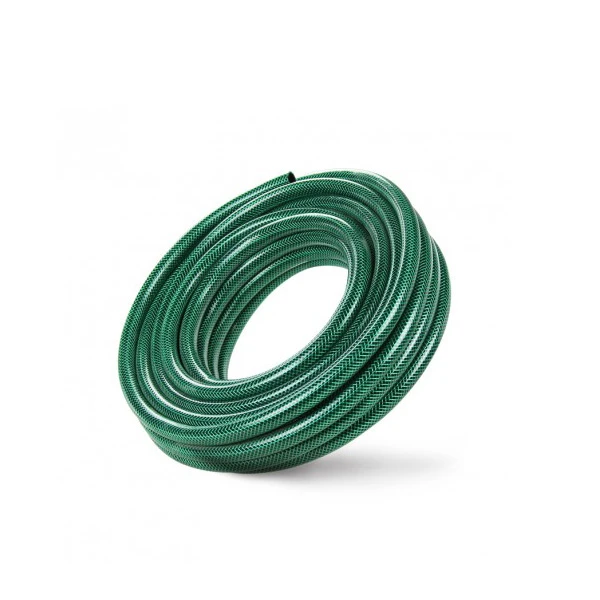
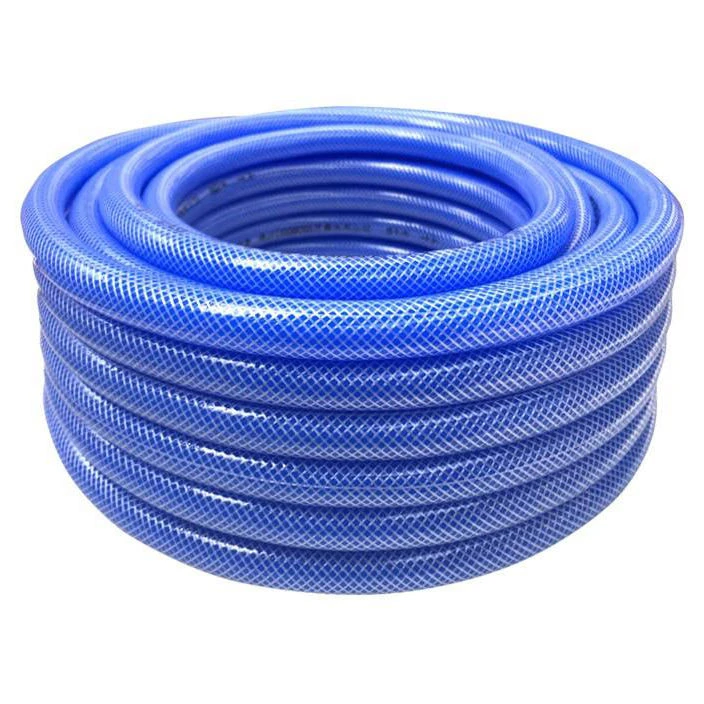
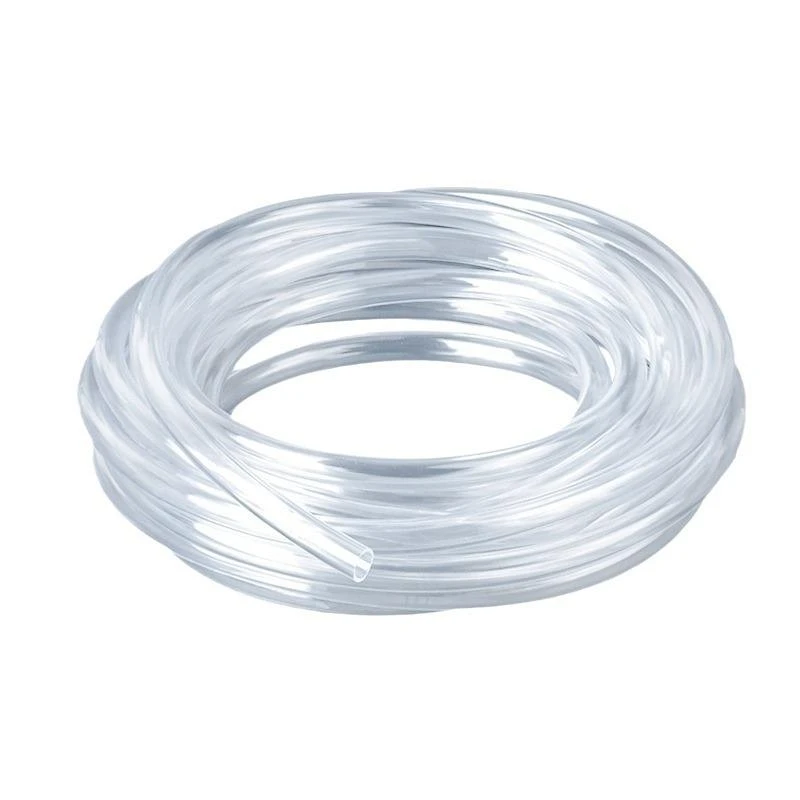
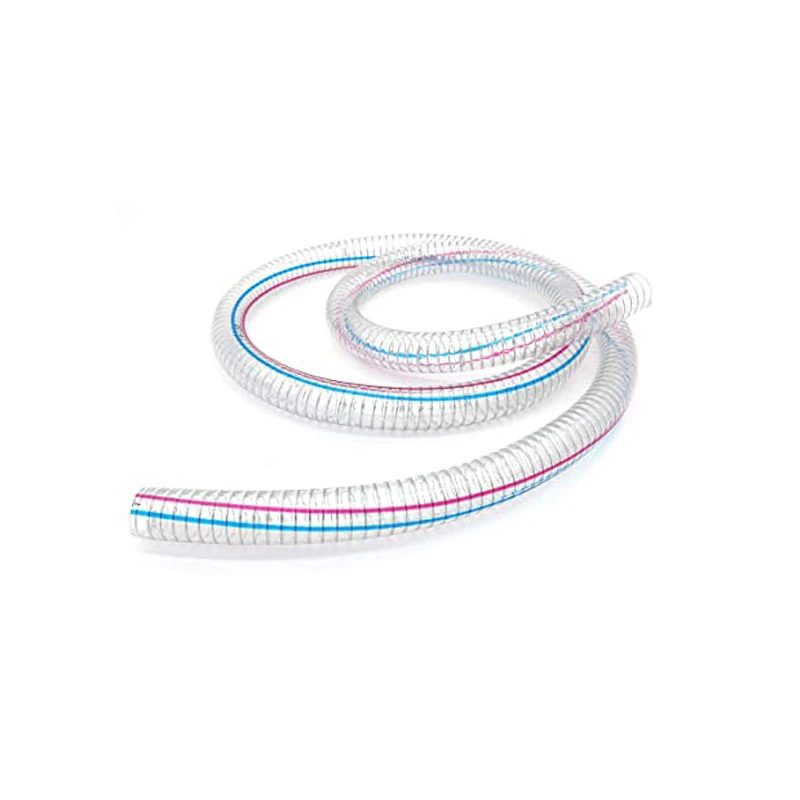
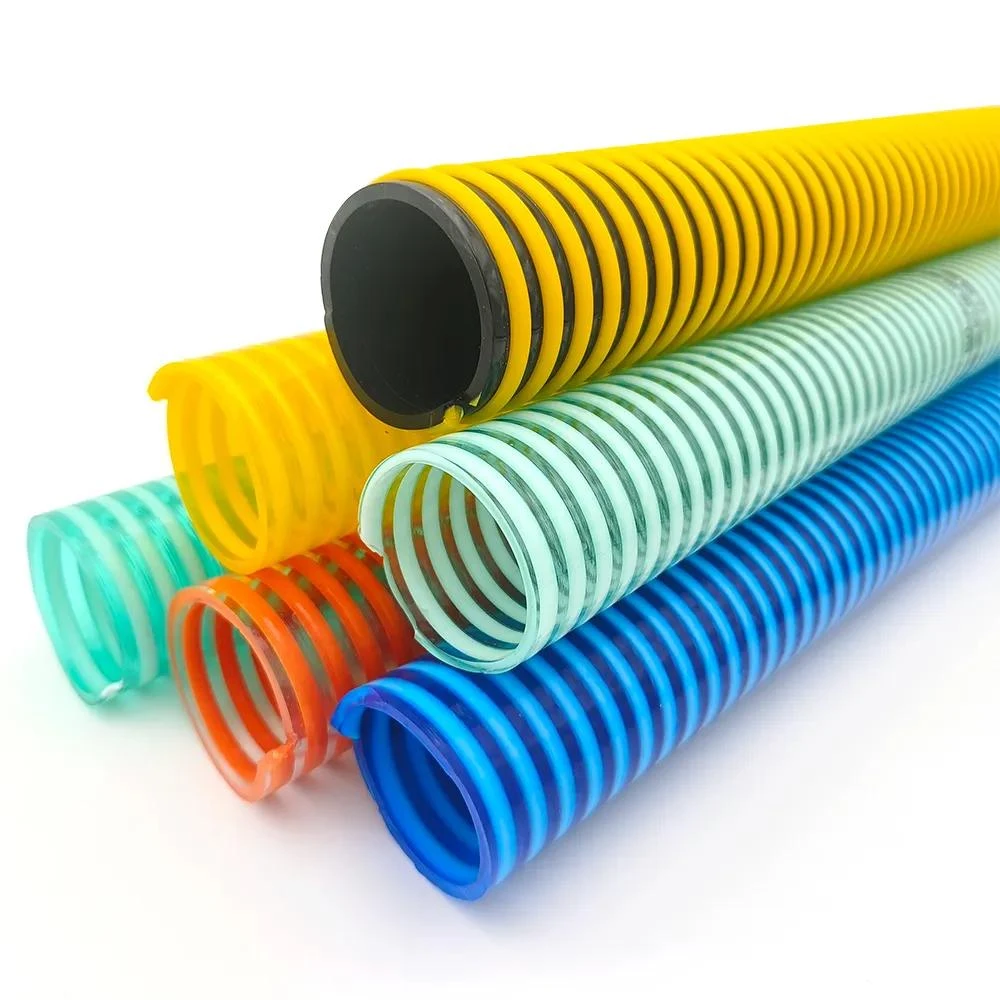
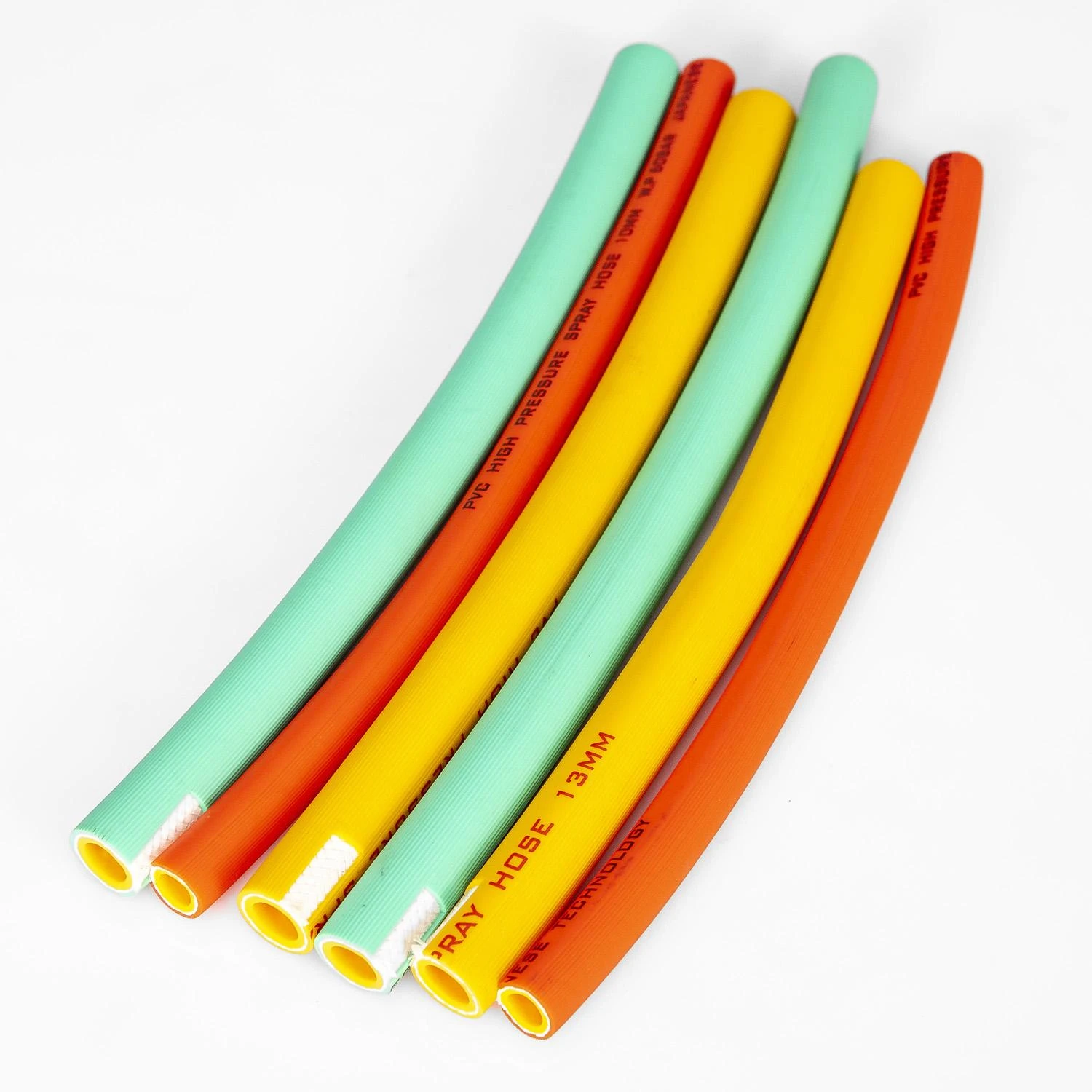
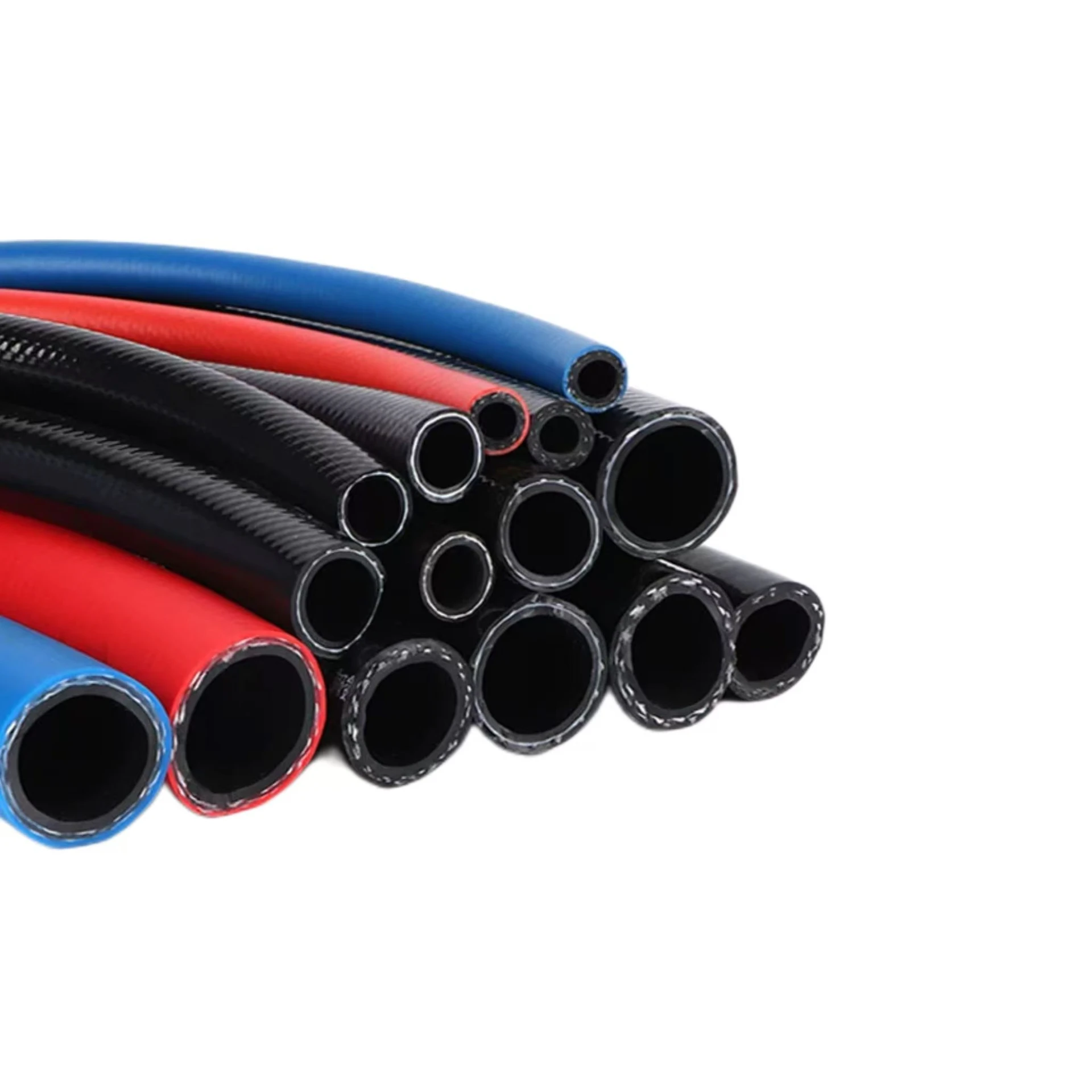
Automotive exhaust hoses are commonly made from several materials, each with its own advantages and disadvantages. PVC (Polyvinyl Chloride) is a popular choice due to its affordability and resistance to many chemicals. Rubber hoses offer superior flexibility and can withstand higher temperatures, making them ideal for heavier-duty applications. Polyurethane hoses combine the benefits of both PVC and rubber, offering excellent durability, flexibility, and chemical resistance. Choosing the right material depends on the specific exhaust gases being handled, the operating temperature, and the frequency of use. Consider the longevity and overall cost-effectiveness when making your decision. PVC Rubber Hose provides diverse material options to fit your specific needs.
Key Material Considerations: The ideal material balances durability, chemical resistance, temperature tolerance, and cost.
Factors to Consider When Choosing an Automotive Exhaust Hose
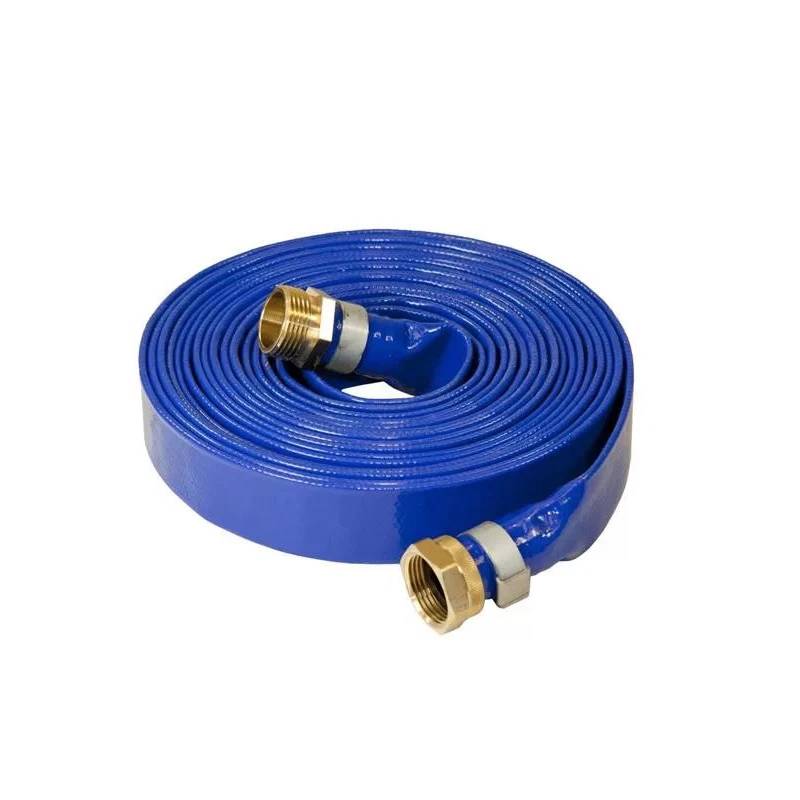
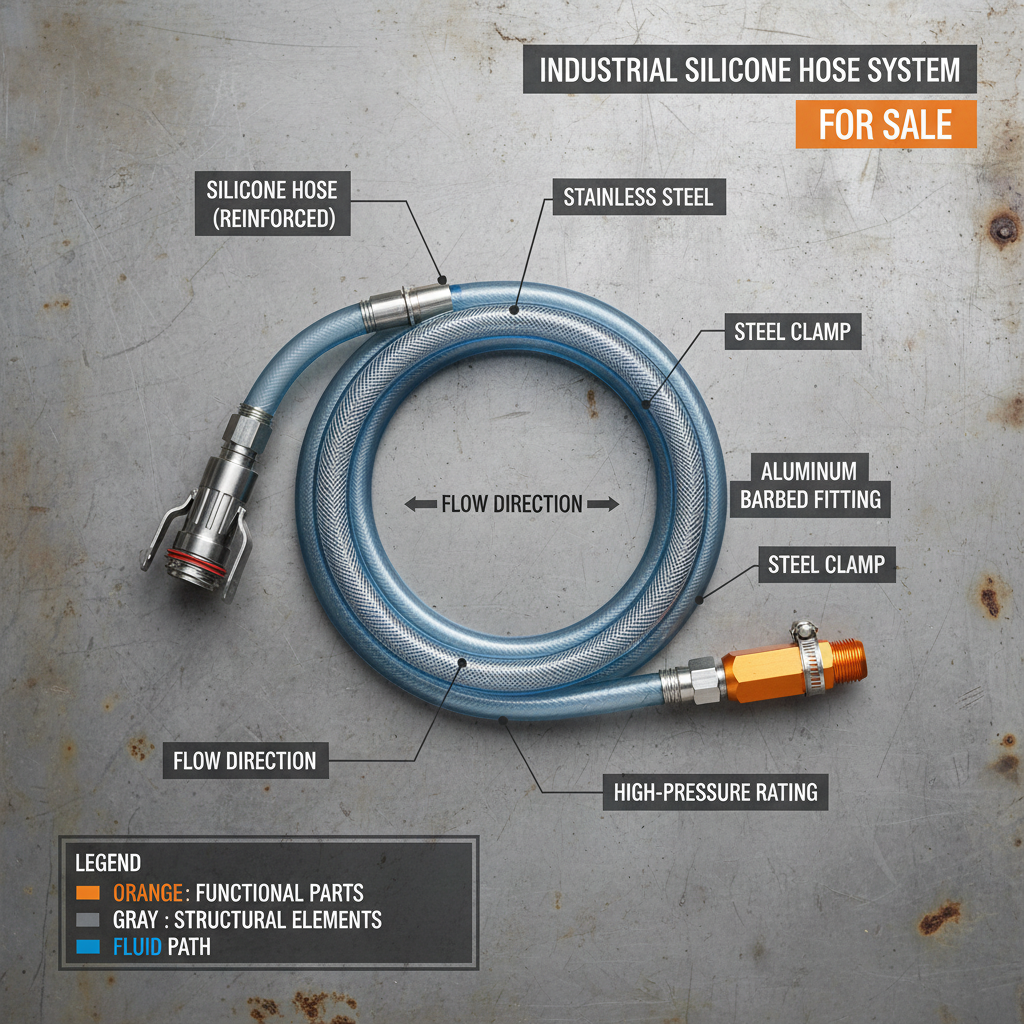
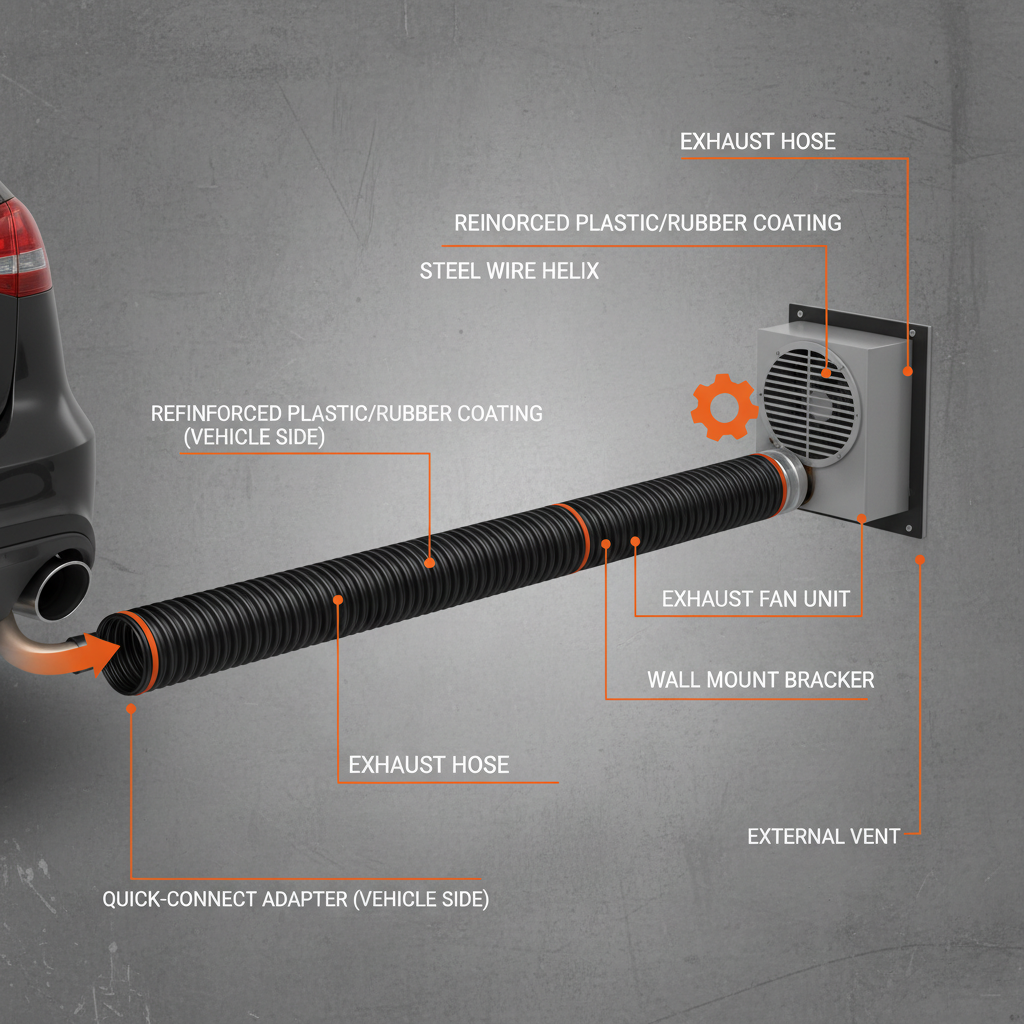
Several crucial factors impact the effectiveness and safety of an automotive exhaust hose. The hose’s diameter is critical; it must be appropriately sized for the exhaust system being used to ensure efficient fume removal. Length is another key consideration, providing sufficient reach without excessive coiling or kinking. Reinforcement is vital to prevent the hose from collapsing under suction. Look for hoses with reinforced walls, often utilizing a spring steel helix. Finally, consider the connectors and clamps – they must be secure and compatible with the exhaust system to prevent leaks. Always prioritize hoses designed specifically for automotive exhaust applications to ensure safety and performance.
Essential Features:
• Appropriate Diameter for Exhaust System
• Sufficient Length for Reach
• Reinforced Walls to Prevent Collapse
• Secure and Compatible Connectors
Automotive Exhaust Hose Comparison: PVC vs. Rubber vs. Polyurethane
Selecting the best material for your automotive exhaust hose depends on your specific needs. Here's a detailed comparison of the three most common materials:
Proper Installation and Maintenance for Extended Hose Life
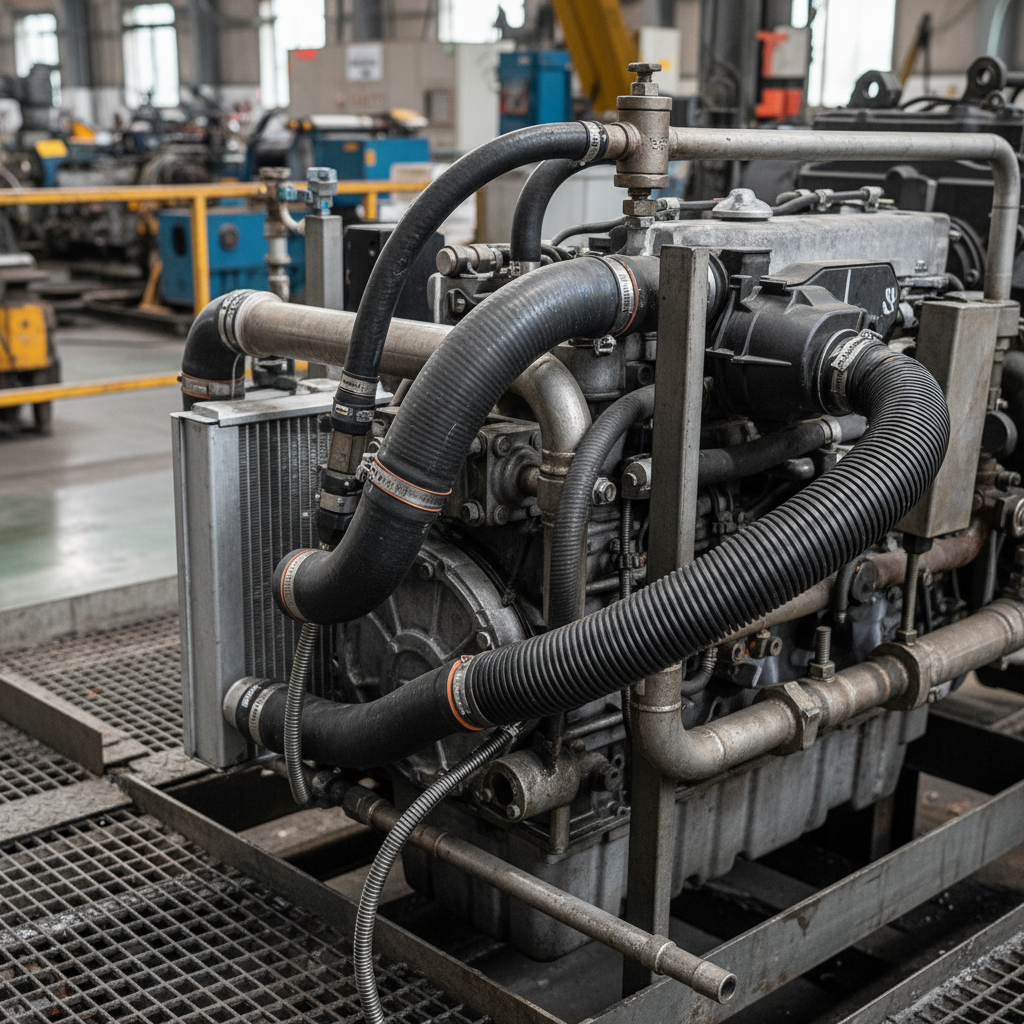
Correct installation and routine maintenance are vital for maximizing the lifespan and effectiveness of your automotive exhaust hose. Ensure the hose is securely connected to the exhaust system and the extraction unit. Avoid sharp bends or kinks that can restrict airflow and damage the hose. Regularly inspect the hose for cracks, wear, or deterioration. Clean the hose periodically to remove any accumulated debris. Store the hose properly when not in use, away from direct sunlight and extreme temperatures. A proactive approach to maintenance will save you money and ensure a safe working environment. PVC Rubber Hose provides comprehensive support and advice on proper installation and maintenance.
Product Specifications and Available Options
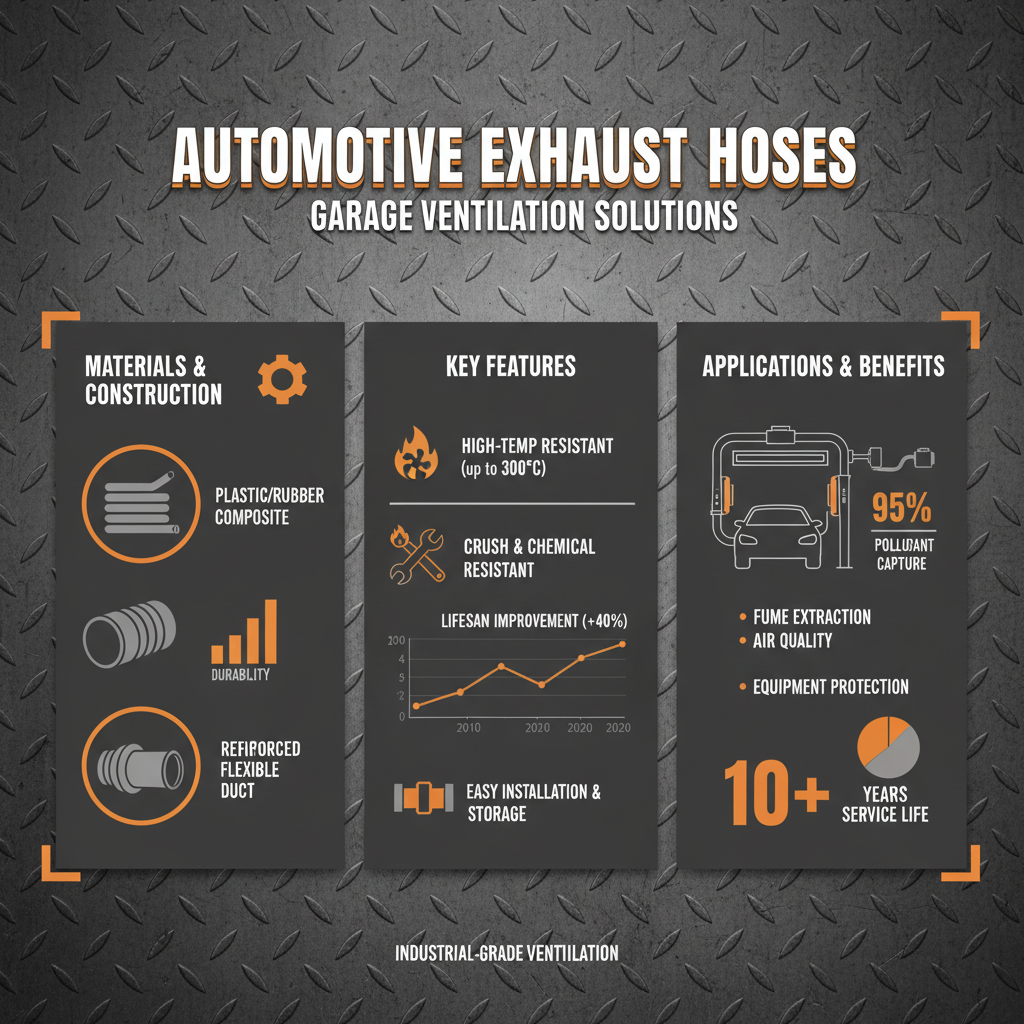
We offer a wide range of automotive exhaust hoses to meet diverse requirements. Here are some common specifications:
Conclusion: Prioritizing Safety with the Right Exhaust Hose
Selecting the appropriate automotive exhaust hose is a crucial investment in the safety and efficiency of your garage. By carefully considering material, size, features, and maintenance, you can ensure a clean and safe working environment.
Frequently Asked Questions (FAQs)
How often should I replace my automotive exhaust hose?
The replacement frequency depends on usage and environmental factors. Generally, inspect the hose every 6-12 months for signs of wear and tear, such as cracks, brittleness, or leaks. Replace the hose immediately if any damage is detected. Even without visible damage, it's advisable to replace the hose every 2-3 years to ensure continued safety and performance. The lifespan can be reduced by exposure to harsh chemicals or extreme temperatures.
What diameter exhaust hose do I need?
The correct diameter depends on the exhaust port size of the vehicle you are working on and the capacity of your exhaust extraction system. It is crucial to match the hose diameter to the existing connections to ensure a secure and efficient seal. Using a hose that is too small can restrict airflow and reduce extraction effectiveness. A hose that is too large may not provide a proper seal, leading to leaks. Consult your vehicle’s service manual or the specifications of your exhaust extraction system to determine the appropriate diameter.
Can I use a regular hose for automotive exhaust?
No, it is crucial to use a hose specifically designed for automotive exhaust. Regular hoses are not designed to withstand the high temperatures, corrosive gases, and potential hazards associated with exhaust fumes. Using an inappropriate hose can lead to failure, leaks, and potentially dangerous situations. Automotive exhaust hoses are manufactured with materials that are resistant to these conditions, ensuring safe and effective fume extraction.
How do I properly store my exhaust hose?
Store your exhaust hose in a cool, dry place away from direct sunlight and extreme temperatures. Avoid storing it in areas where it could be exposed to chemicals or solvents. Coil the hose loosely to prevent kinking or cracking. If possible, hang the hose to maintain its shape. Regularly inspect the hose for any signs of deterioration, even during storage.
Z-Smartflex delivers superior-quality industrial hoses and fittings with global reliability, offering you durable solutions and exceptional service for all your fluid transfer needs.