Automotive Flexible Hose: A Comprehensive Guide
When it comes to vehicle maintenance and repair, the right components are crucial for performance and safety. Automotive flexible hose plays a vital role in various systems, from coolant and fuel lines to air intake and brake systems. This article will delve into the types, applications, materials, and selection considerations of automotive flexible hoses, providing a thorough overview for mechanics, automotive enthusiasts, and anyone involved in the automotive industry. Choosing the right hose ensures optimal functionality and prevents costly repairs.
Understanding Automotive Flexible Hose Types
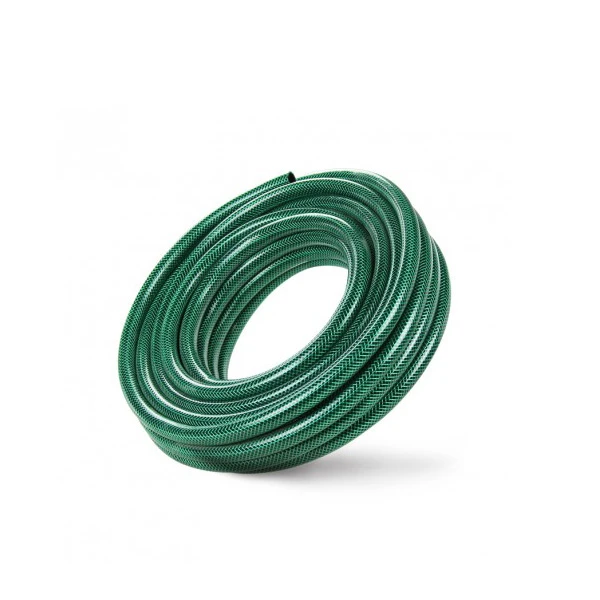
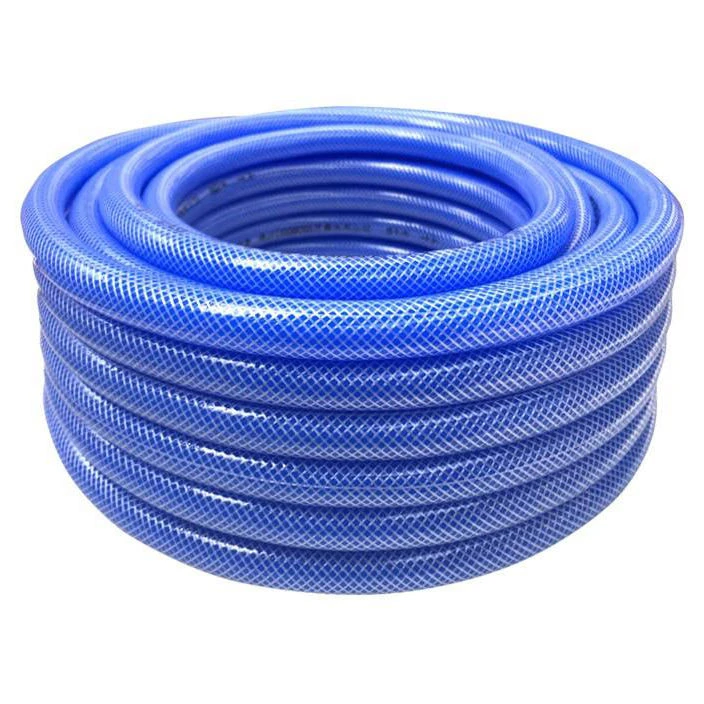
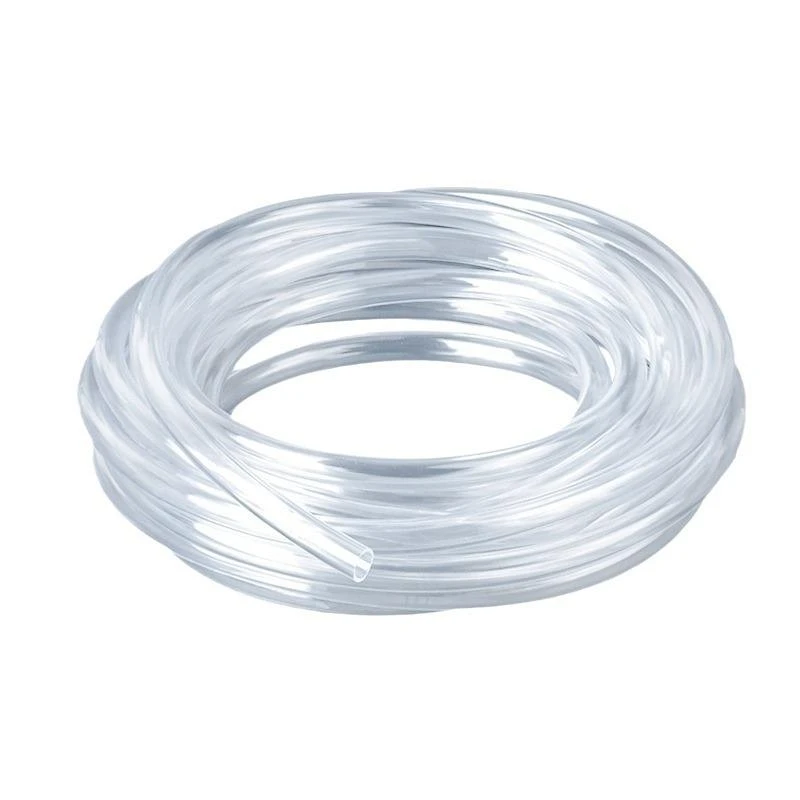
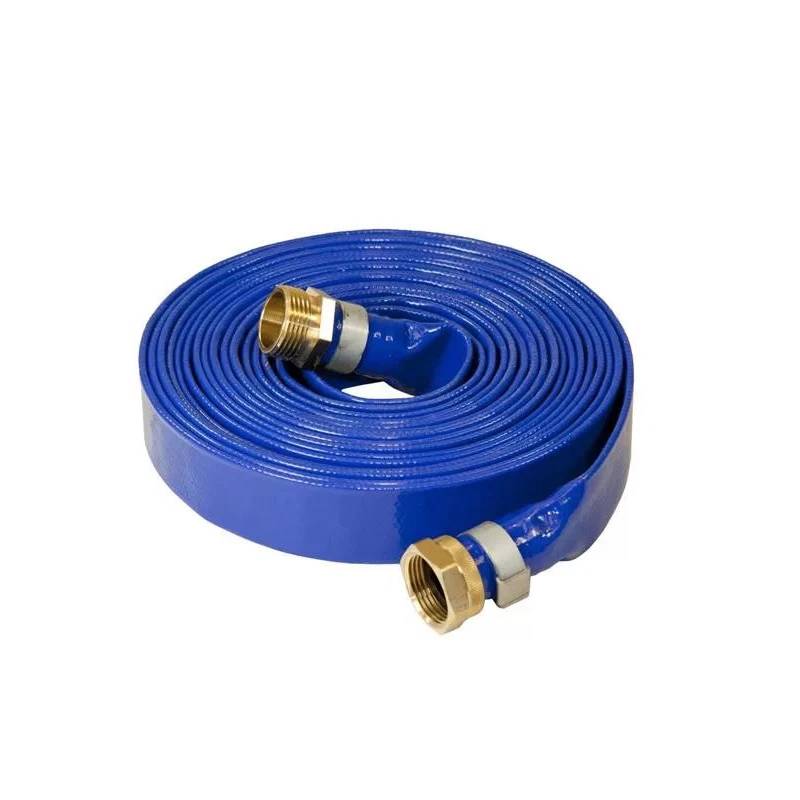
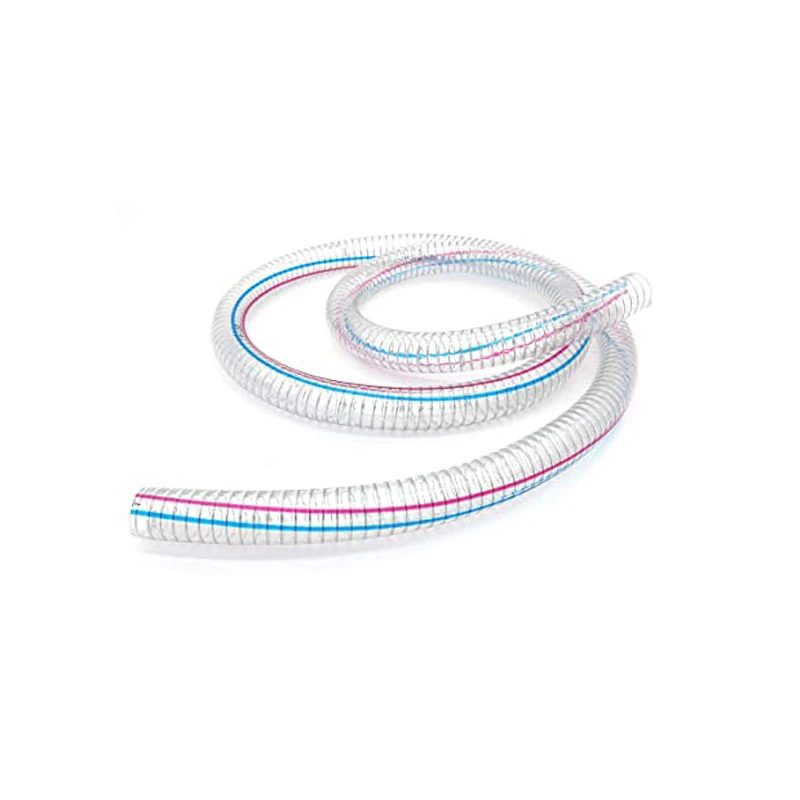
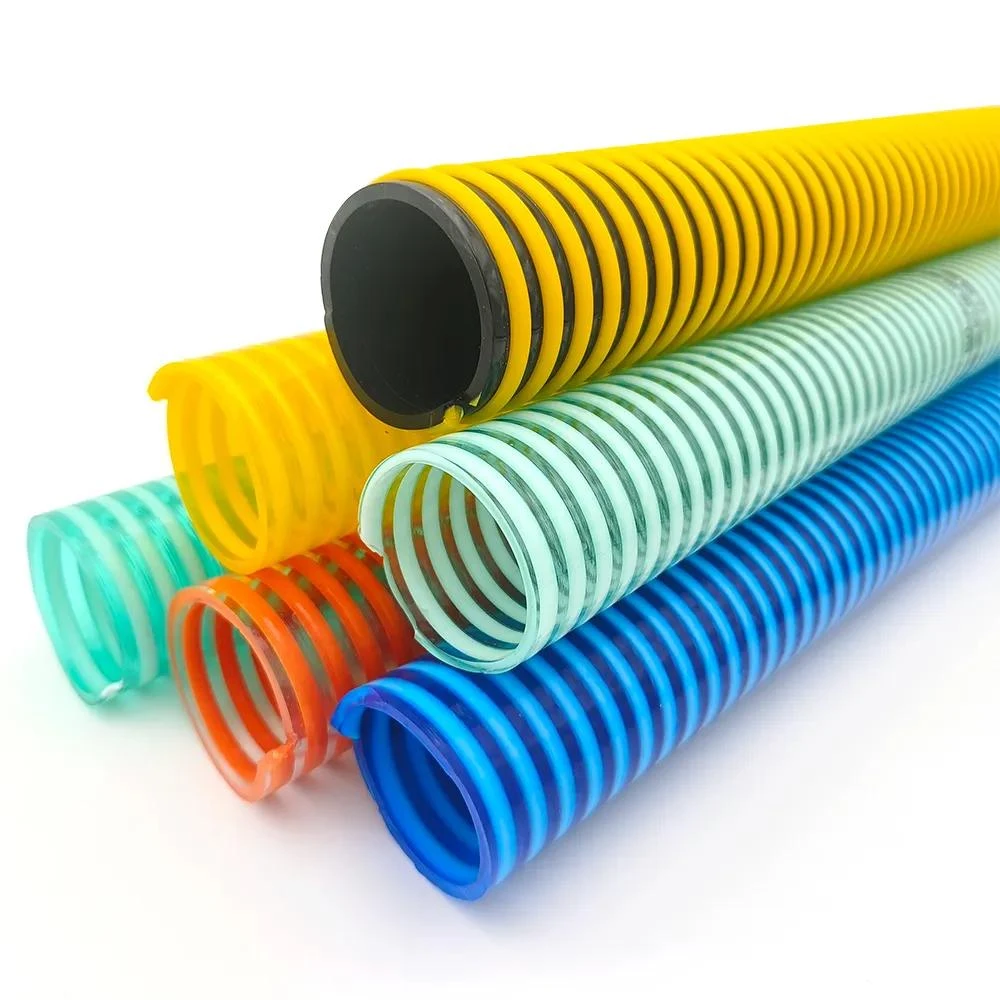
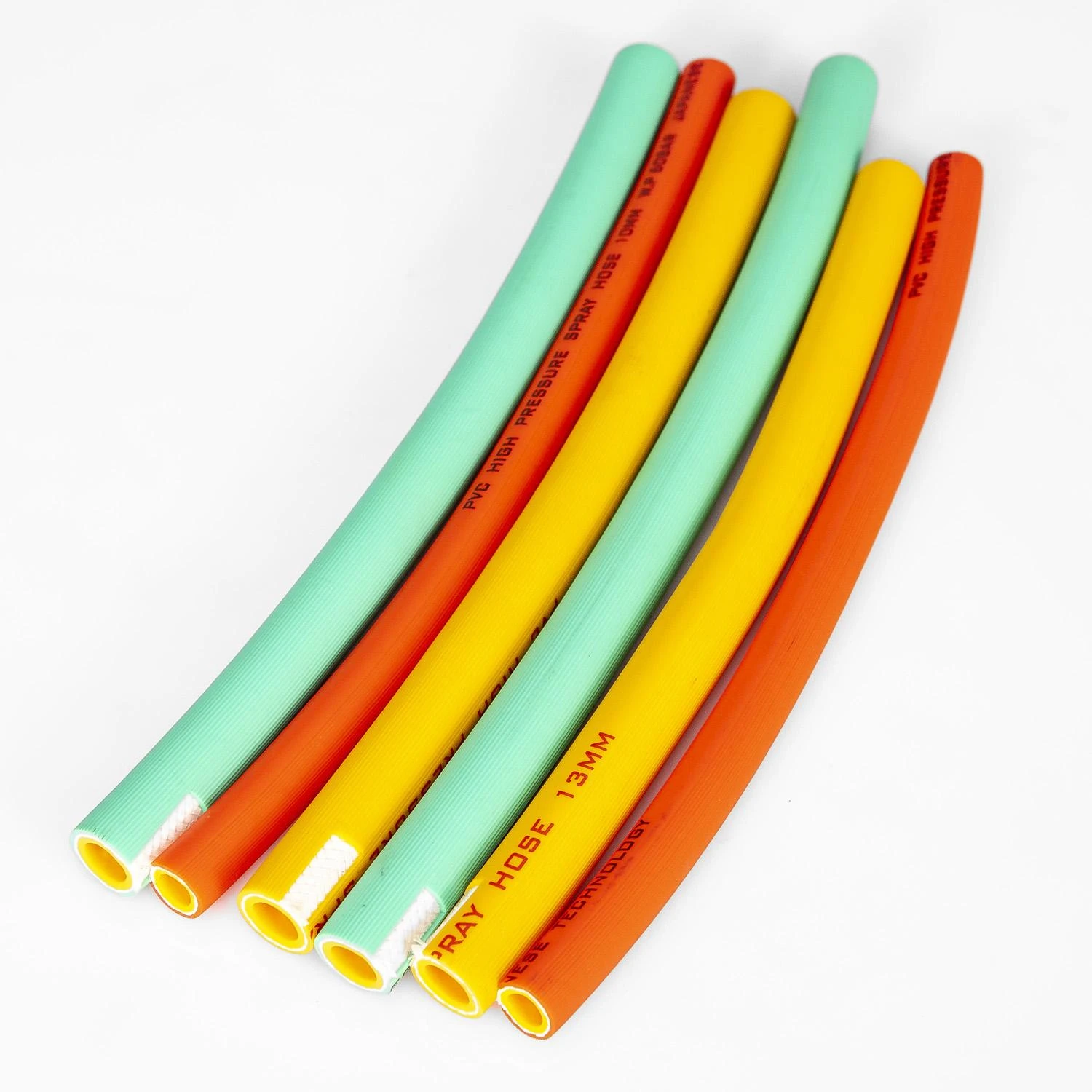
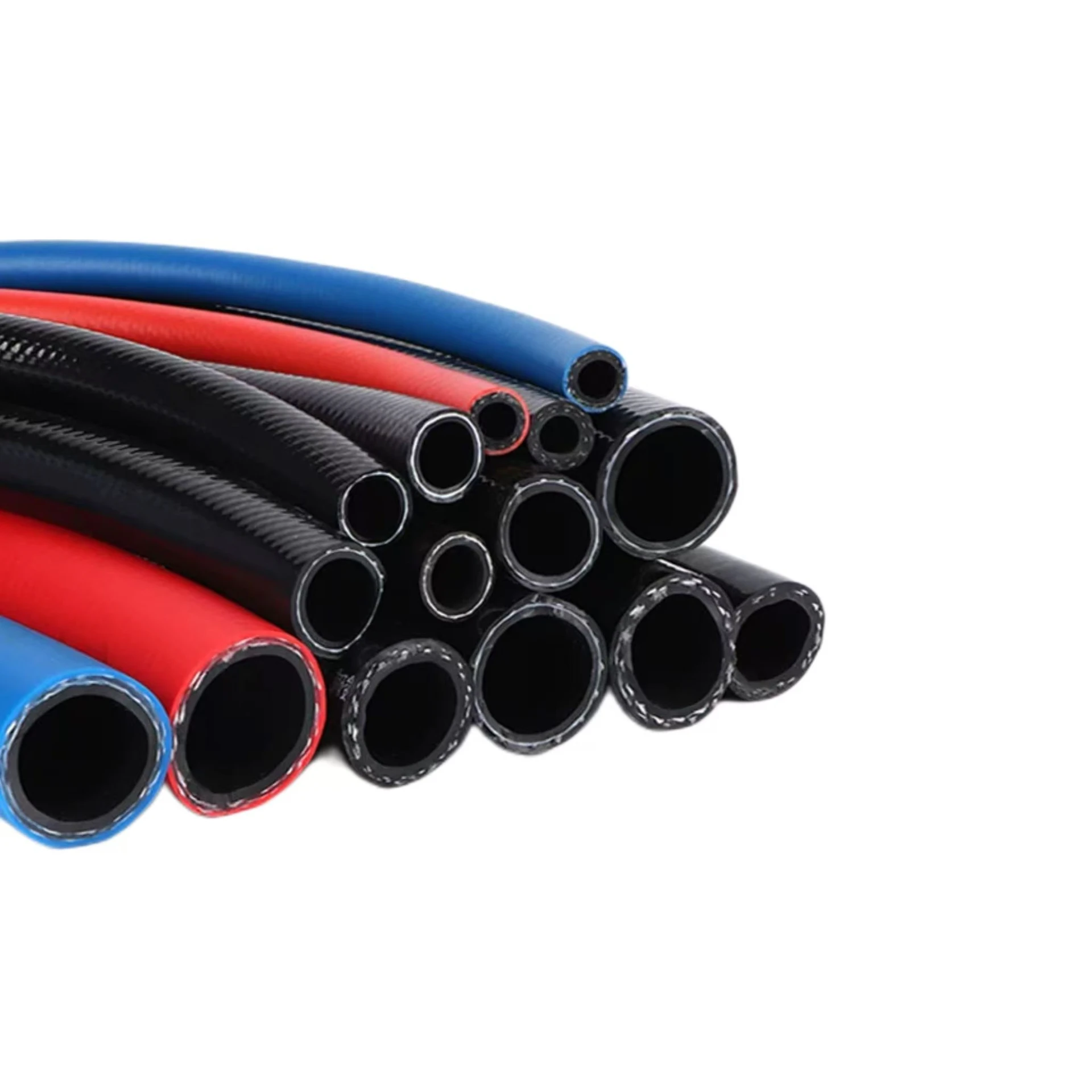
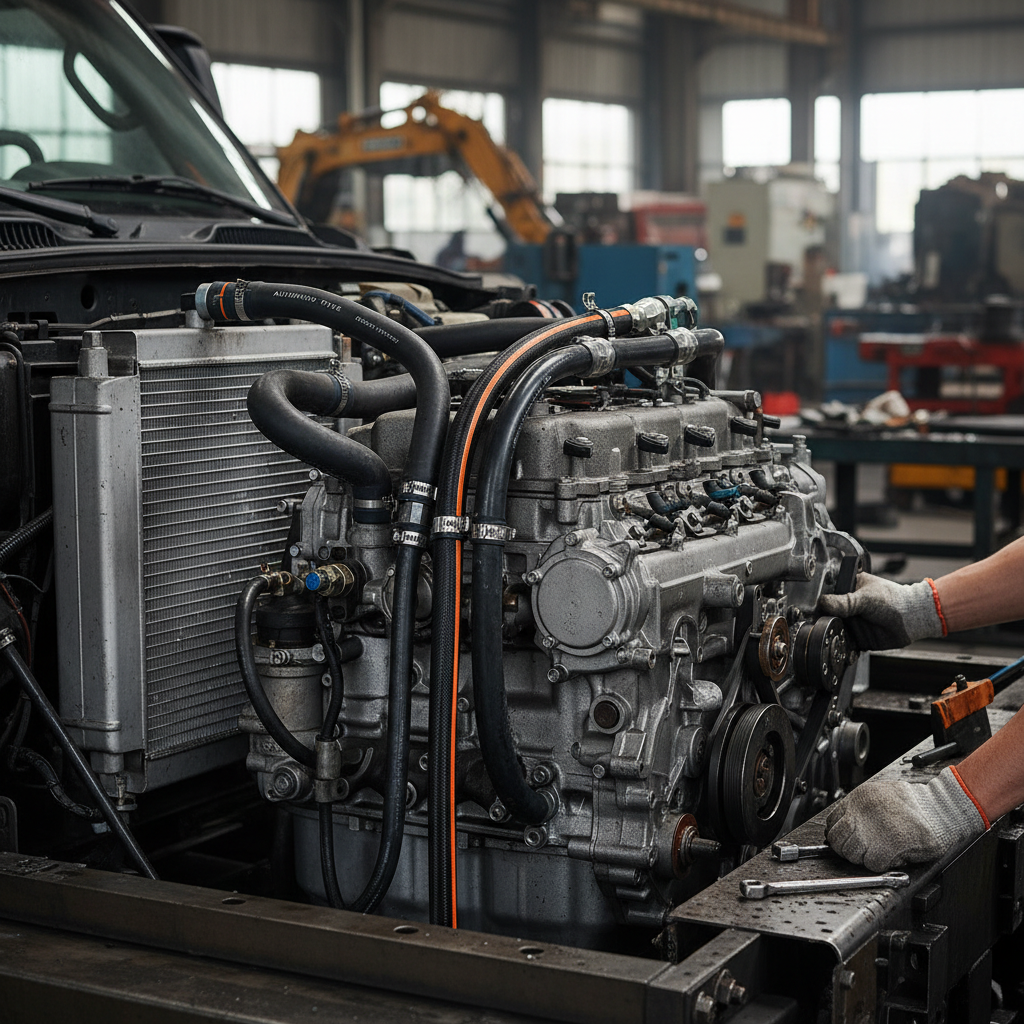
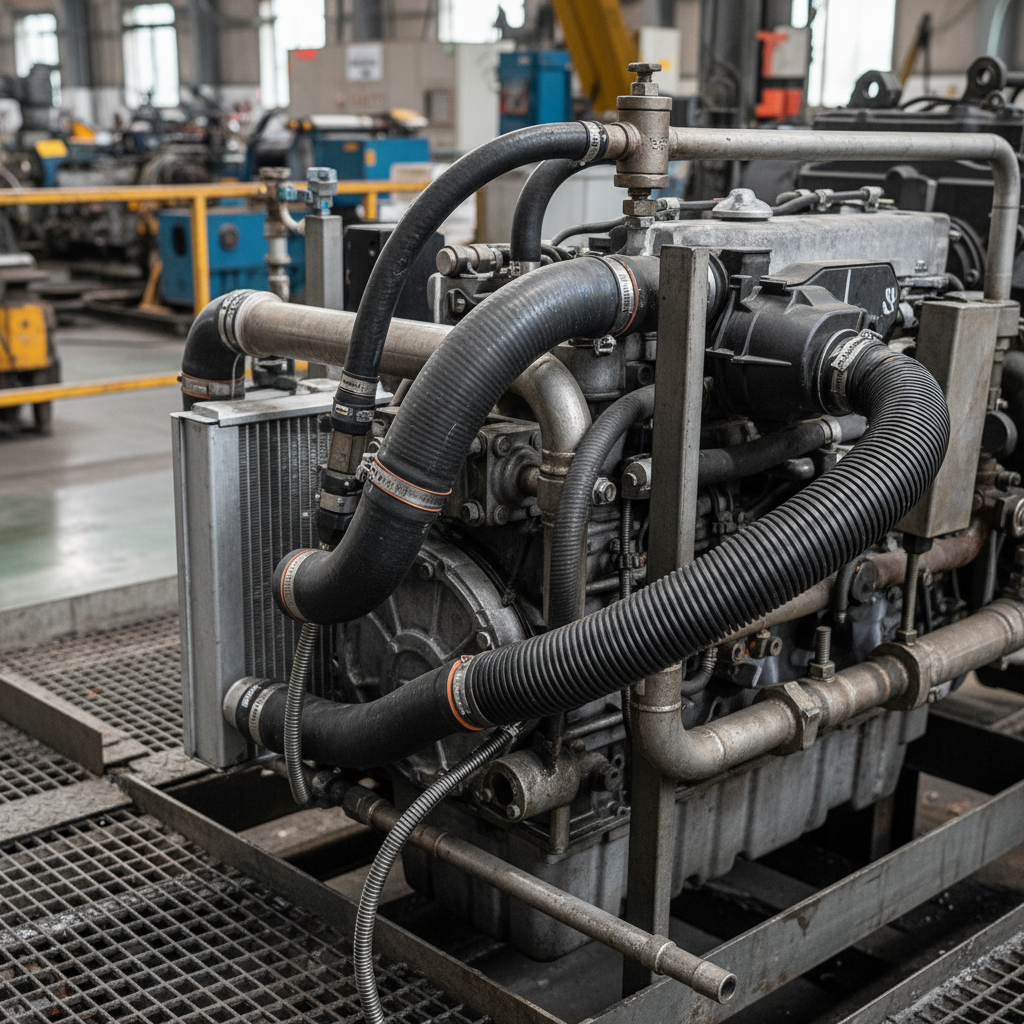
Automotive flexible hoses aren't one-size-fits-all. Different applications require hoses with specific properties. Some common types include: Coolant hoses, designed to withstand high temperatures and resist cracking; Fuel hoses, engineered to prevent fuel permeation and resist degradation from gasoline, diesel, or ethanol blends; Air intake hoses, designed to channel air to the engine while minimizing restriction; Brake hoses, critical for hydraulic brake systems and requiring exceptional burst strength and durability; and Heater hoses, responsible for circulating hot coolant to the heater core. Understanding these differences is key to selecting the appropriate hose for a given task. PVC Rubber Hose offers a wide range of these hose types for various automotive applications.
Key Highlights: Automotive flexible hoses come in different types, each designed for a specific application, ensuring optimal performance and safety.
Common Materials Used in Automotive Hoses
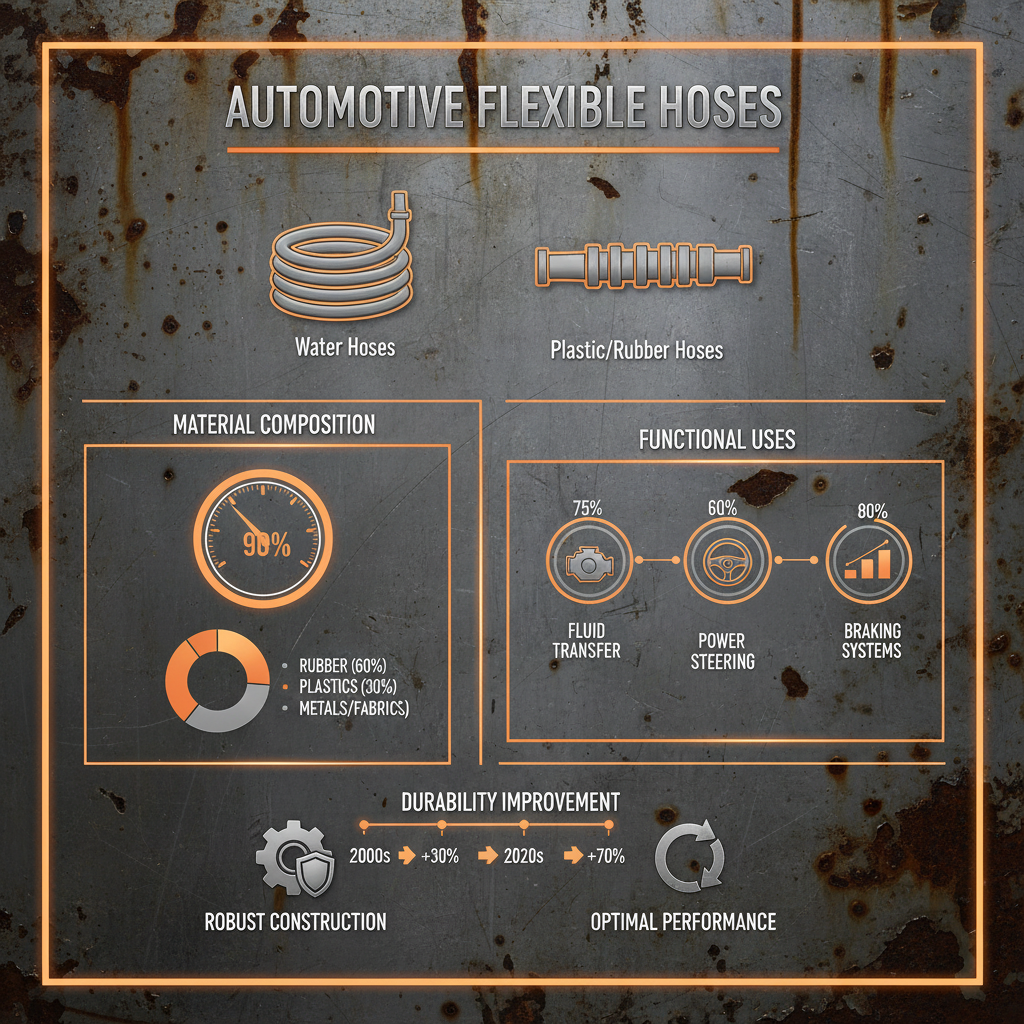
The materials used in automotive flexible hose construction significantly impact its performance and longevity. Rubber (EPDM, Neoprene) is commonly used for coolant and heater hoses due to its excellent heat resistance and flexibility. Nitrile Rubber is often employed in fuel hoses for its resistance to fuel degradation. PVC (Polyvinyl Chloride) is frequently used for various applications, offering cost-effectiveness and good all-around performance. Silicone is a premium material known for its exceptional heat resistance, durability, and flexibility, often used in high-performance applications. Selecting the right material is crucial for ensuring the hose can withstand the specific operating conditions and fluids it will be exposed to.
Material Properties at a Glance:
• EPDM Rubber: Excellent heat and weather resistance.
• Nitrile Rubber: Superior fuel resistance.
• PVC: Cost-effective and versatile.
• Silicone: Highest heat resistance and durability.
Automotive Flexible Hose: Performance and Safety Considerations
The performance and safety of automotive systems are directly linked to the quality and condition of their flexible hoses. A compromised hose can lead to leaks, pressure loss, overheating, and even system failure. Key considerations include: Burst pressure, the maximum pressure the hose can withstand before failing; Temperature range, the operating temperature limits of the hose material; Fluid compatibility, ensuring the hose material is resistant to the fluids it will be exposed to; and Reinforcement layers, which provide additional strength and prevent collapse. Regular inspection and replacement of hoses are essential for maintaining vehicle reliability and safety.
Selecting the Right Automotive Flexible Hose
Choosing the correct automotive flexible hose requires careful consideration of several factors. First, identify the specific application and the fluid it will be carrying. Second, check the vehicle's specifications for recommended hose types and materials. Third, ensure the hose meets or exceeds the required burst pressure and temperature range. Finally, consider the quality of construction and the reputation of the manufacturer. PVCRubberHose.com provides detailed product specifications and expert guidance to help you make the right choice.
Maintaining and Inspecting Automotive Flexible Hoses
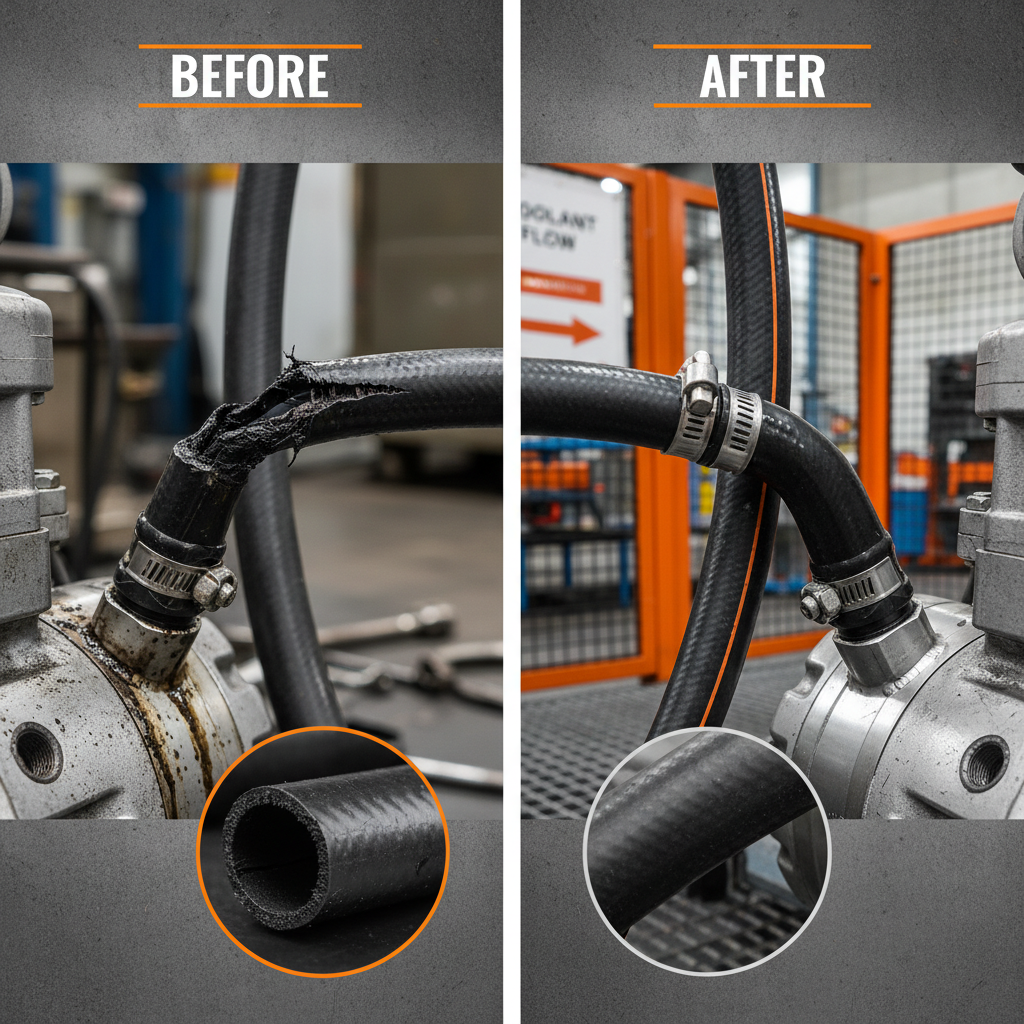
Regular maintenance and inspection are crucial for preventing hose failures. Visually inspect hoses for cracks, swelling, leaks, or chafing. Check hose connections for tightness and corrosion. Replace hoses that show any signs of damage or deterioration. Avoid using harsh chemicals or solvents that can degrade the hose material. Proper maintenance extends the life of your hoses and ensures the reliable operation of your vehicle's systems.
Conclusion: Ensuring Automotive System Reliability
Choosing the right automotive flexible hose is paramount for the safety, efficiency, and longevity of any vehicle. Understanding the different types, materials, and performance characteristics allows you to make informed decisions and ensure optimal system performance. Regular inspection and maintenance are equally important for identifying and addressing potential issues before they lead to costly repairs. Investing in high-quality hoses from a reputable supplier like PVCRubberHose.com is a smart investment in your vehicle's reliability.
Frequently Asked Questions (FAQs)
What is the typical lifespan of an automotive flexible hose?
The lifespan of an automotive flexible hose varies depending on the material, operating conditions, and exposure to environmental factors. Generally, coolant hoses should be replaced every 4-5 years or 60,000 miles, while fuel hoses may require replacement more frequently, around every 3-4 years. Regularly inspecting hoses for signs of wear, such as cracks, swelling, or leaks, is crucial. It's always best to err on the side of caution and replace hoses proactively to prevent unexpected failures.
How do I determine the correct hose size for my vehicle?
Determining the correct hose size involves measuring the inner diameter (ID) and outer diameter (OD) of the existing hose. Ensure that the new hose matches these dimensions precisely to ensure a proper fit and prevent leaks. You can also consult your vehicle's repair manual or a parts catalog for specific hose size recommendations. If you are unsure, it’s always best to consult with a qualified mechanic.
Can I use a universal hose for any automotive application?
While universal hoses may seem convenient, they are generally not recommended for critical applications like fuel or brake lines. Universal hoses often lack the specific material properties and reinforcement required to withstand the unique demands of different systems. Using the correct hose specified for the application is essential for ensuring safety and reliability. For example, using a standard coolant hose for a fuel line could lead to a dangerous fuel leak.
Z-Smartflex delivers superior-quality industrial hoses and fittings with global reliability, offering you durable solutions and exceptional service for all your fluid transfer needs.