
Automotive Coolant Hoses: A Comprehensive Guide
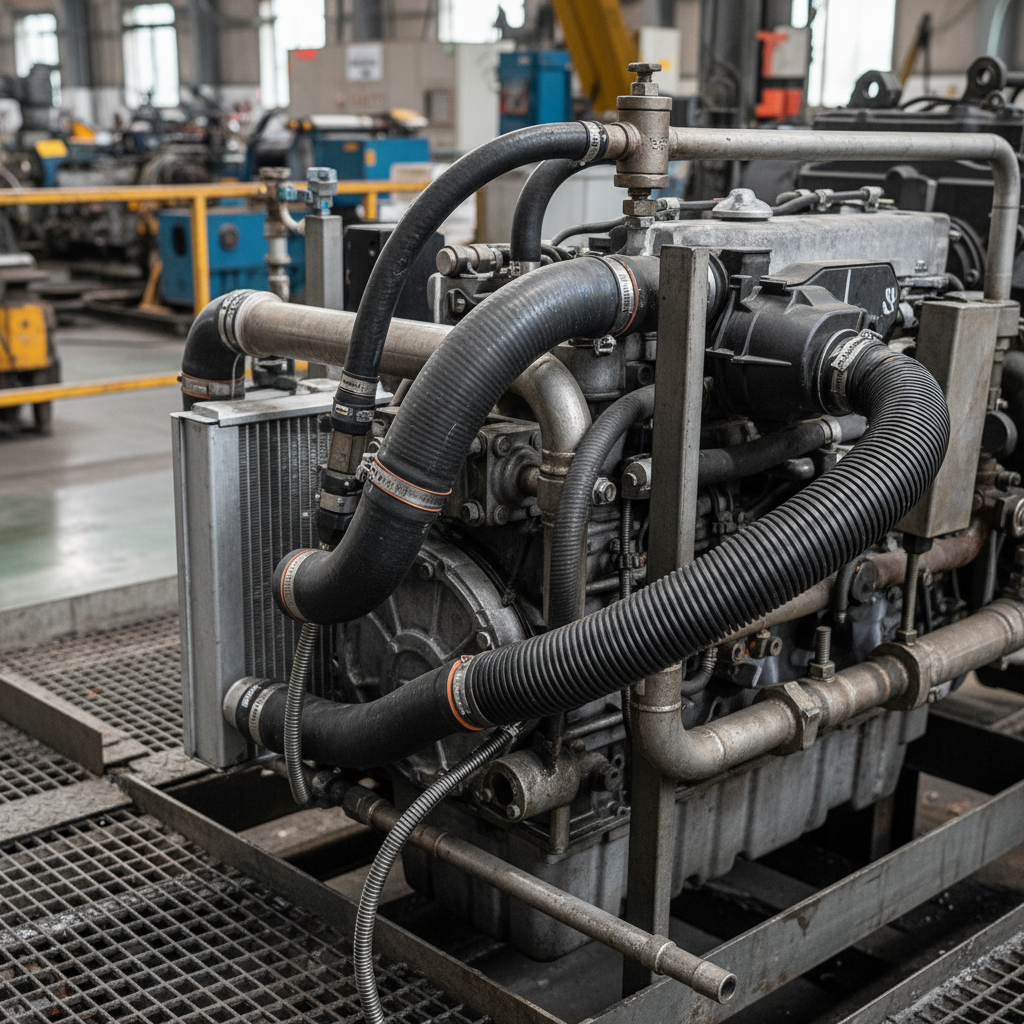
Automotive coolant hoses are vital components of your vehicle's cooling system, responsible for circulating coolant between the engine and radiator. Maintaining these hoses is crucial to prevent overheating and potential engine damage. This article will delve into the types, materials, maintenance, and selection of automotive coolant hoses, offering valuable insights for both DIY enthusiasts and professional mechanics. Understanding these components can save you costly repairs in the long run.
Types of Automotive Coolant Hoses
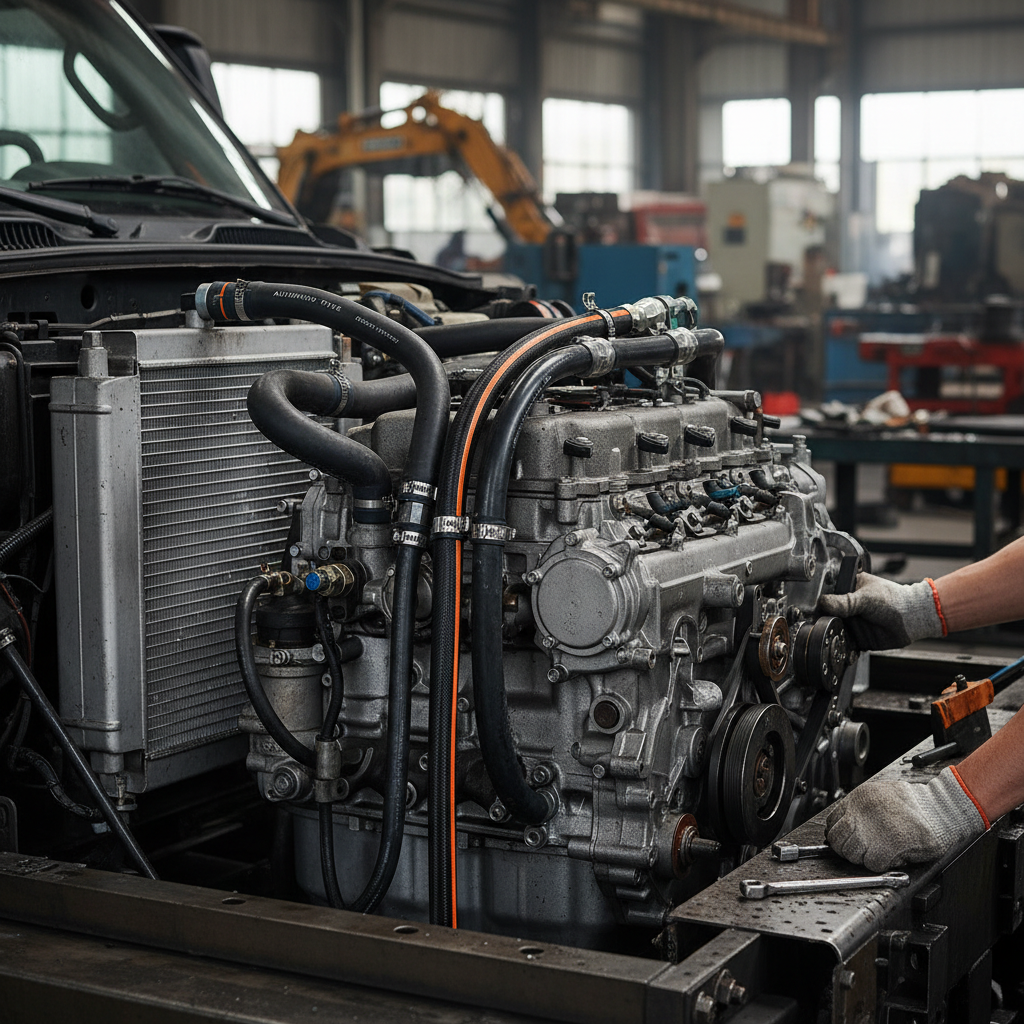
Automotive coolant hoses come in various types, each designed for specific applications within the cooling system. Common types include: Radiator Hoses (upper and lower), which connect the radiator to the engine; Heater Hoses, which circulate coolant to the heater core for cabin heating; Bypass Hoses, which allow coolant to circulate when the thermostat is closed; and Expansion Tank Hoses, connecting the expansion tank to the radiator or engine. Identifying the correct hose for replacement is crucial. Each hose experiences different pressures and temperatures, requiring the appropriate material and construction.
Key Takeaway: Proper hose identification is the first step in a successful cooling system repair.
Material Composition and Durability
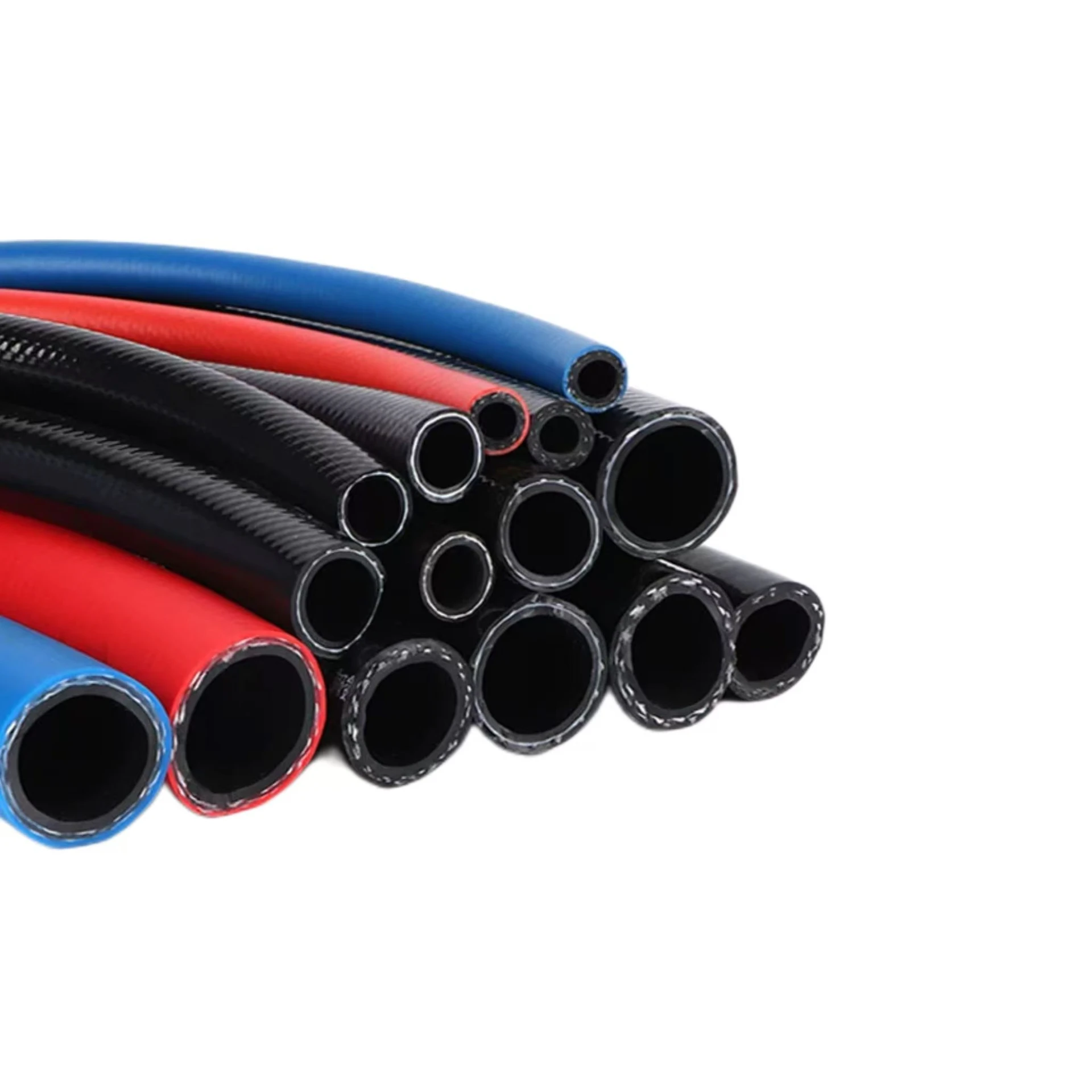
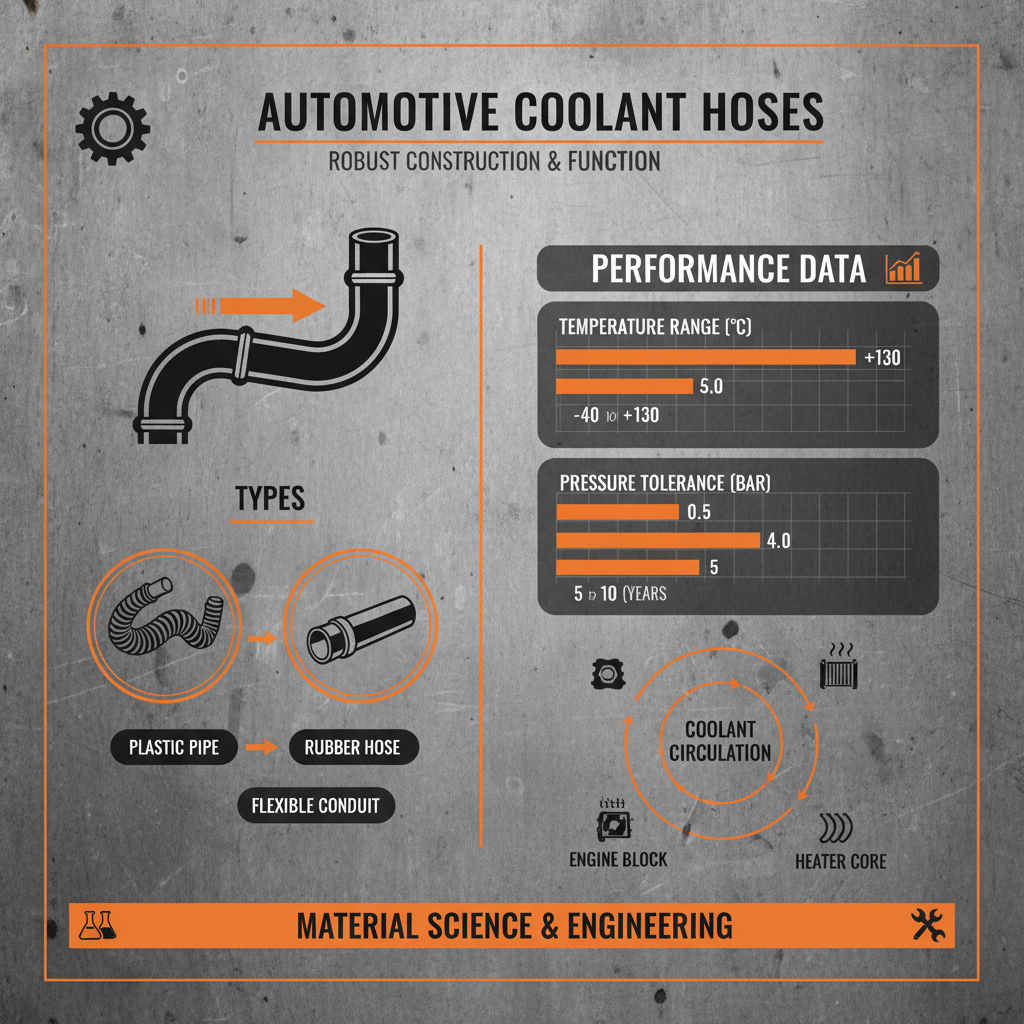
The materials used in automotive coolant hoses significantly impact their durability and resistance to heat, chemicals, and pressure. Traditionally, hoses were made from rubber, but modern hoses increasingly utilize materials like Ethylene Propylene Diene Monomer (EPDM) rubber, Silicone, and reinforced polymers. EPDM offers excellent resistance to heat and antifreeze, while Silicone provides superior temperature resistance. Reinforced construction, often with layers of fabric or wire, adds strength and prevents hose collapse under vacuum. Choosing a hose with appropriate material composition is crucial for longevity.
Material Comparison:
• Rubber: Cost-effective, but less heat and chemical resistant.
• EPDM: Excellent heat and antifreeze resistance.
• Silicone: Superior temperature resistance, but more expensive.
• Reinforced Polymer: High strength, prevents collapse.
Selecting the Right Automotive Coolant Hoses
Choosing the correct coolant hoses requires considering several factors. First, verify the hose's compatibility with your vehicle's make and model. Refer to your vehicle's service manual or a reliable parts catalog. Second, select a hose made from a material suitable for your operating conditions. If you live in an area with extreme temperatures, Silicone hoses may be preferable. Third, ensure the hose is adequately reinforced to withstand the system's pressure. Finally, consider the quality of the hose – opting for reputable brands like the ones offered at PVC Rubber Hose can guarantee reliability and longevity.
Maintenance and Inspection of Coolant Hoses
Regular inspection of your coolant hoses is vital for preventing unexpected failures. Look for signs of cracking, swelling, softness, or leaks. Squeeze the hoses to check for weak spots. It's recommended to replace coolant hoses every 4-5 years, or sooner if any signs of deterioration are observed. Flushing the cooling system according to your vehicle's maintenance schedule will also help prolong the life of your hoses. Proper maintenance is a proactive measure against costly engine repairs.
The Importance of Quality Coolant Hoses
Investing in high-quality automotive coolant hoses is a smart decision. Substandard hoses can fail prematurely, leading to overheating, engine damage, and costly repairs. Quality hoses are manufactured with durable materials, precise dimensions, and rigorous quality control measures. They offer superior performance, reliability, and longevity. By choosing the right hoses, you're protecting your vehicle's engine and ensuring its long-term health.
Conclusion: Protecting Your Engine with Reliable Coolant Hoses
Choosing the right automotive coolant hoses is an investment in your vehicle's longevity. By understanding the different types, materials, and maintenance requirements, you can ensure your cooling system operates efficiently and reliably. Explore the comprehensive range of high-quality hoses available at PVC Rubber Hose and keep your engine running smoothly for years to come.
Frequently Asked Questions (FAQs)
How often should I replace my coolant hoses?
Generally, coolant hoses should be replaced every 4-5 years, regardless of their appearance. However, regular inspection is crucial. If you notice any signs of cracking, swelling, softness, or leaks, replace the hose immediately. Also, it's wise to replace all hoses simultaneously during a major cooling system service. Ignoring worn hoses can lead to catastrophic engine failure. Consider factors like climate and driving conditions – harsh environments may necessitate more frequent replacements.
What are the signs of a failing coolant hose?
Several signs indicate a failing coolant hose. These include visible cracks or bulges, a spongy or soft feel when squeezed, coolant leaks around the hose connections, and a sweet, antifreeze-like smell. Overheating is also a strong indicator of a coolant system problem, potentially caused by a compromised hose. Pay attention to these warning signs and address them promptly to prevent engine damage.
Can I temporarily repair a leaking coolant hose?
While temporary repair solutions like hose clamps or sealant may provide a short-term fix, they are not recommended as a permanent solution. These repairs are often unreliable and can fail unexpectedly, leading to further leaks and potential engine damage. The best course of action is to replace the leaking hose with a new one as soon as possible. A temporary fix should only be used in an emergency to get you to a repair shop.
What type of coolant should I use with my new hoses?
Using the correct type of coolant is just as important as using the correct hoses. Consult your vehicle's owner's manual or a reliable parts catalog to determine the recommended coolant type. Using the wrong coolant can lead to corrosion, scaling, and reduced cooling efficiency. Modern vehicles often require specific types of coolant, such as HOAT, OAT, or P-OAT. Always mix the coolant with distilled water in the correct ratio, as specified in your vehicle's manual.
Z-Smartflex delivers superior-quality industrial hoses and fittings with global reliability, offering you durable solutions and exceptional service for all your fluid transfer needs.