Understanding Automotive Brake Hose: A Comprehensive Guide
The automotive brake hose is a critical component of your vehicle’s braking system, responsible for safely transmitting brake fluid from the master cylinder to the brake calipers at each wheel. Maintaining the integrity of these hoses is paramount for ensuring reliable and safe braking performance. This article provides a detailed overview of automotive brake hoses, covering types, materials, common issues, and how to choose the right hose for your vehicle. We’ll explore the importance of regular inspection and replacement, and why choosing a quality supplier like PVC Rubber Hose is crucial for optimal brake system safety.
Types of Automotive Brake Hose
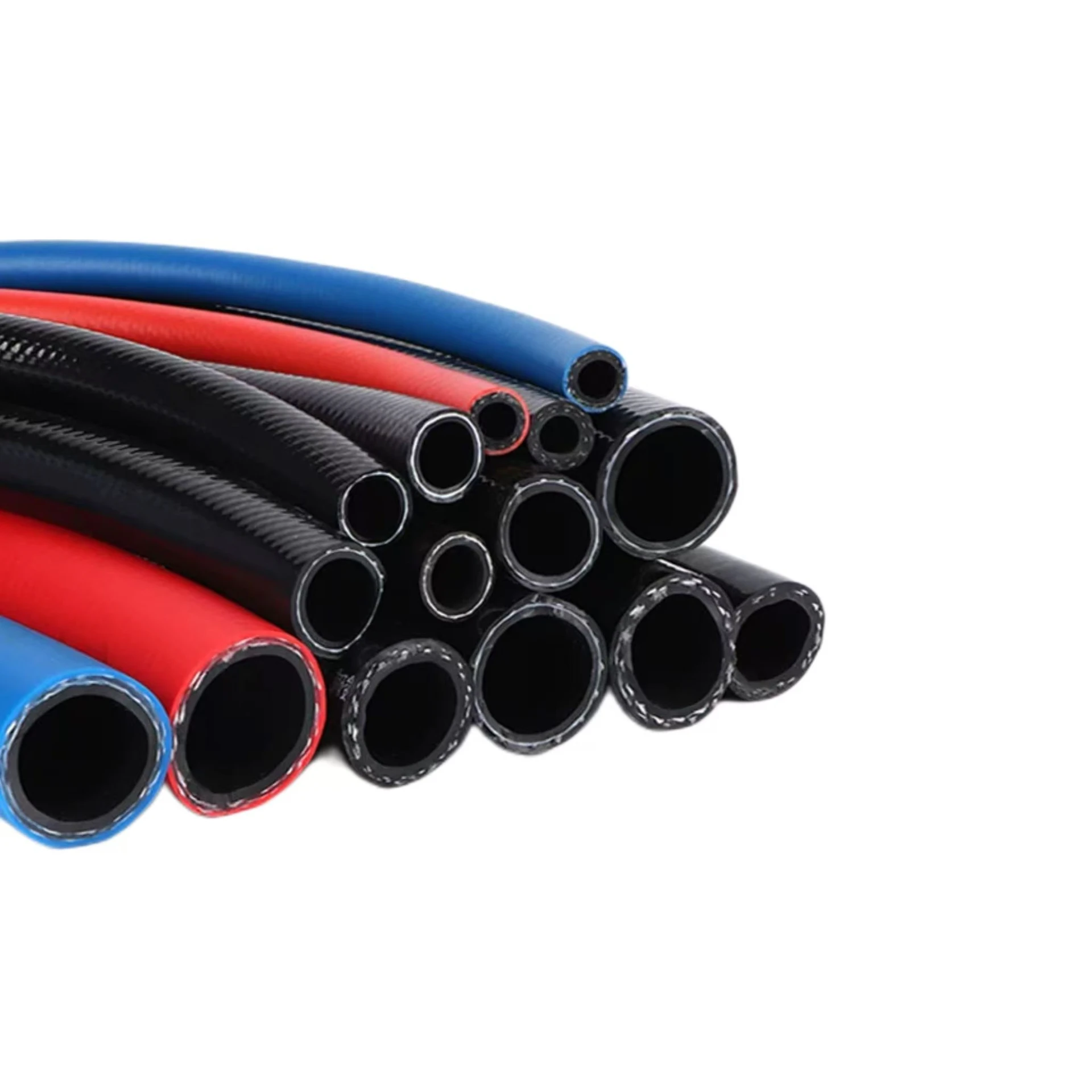
Automotive brake hoses come in several types, each designed with specific characteristics to suit different vehicle applications and performance requirements. The most common types include rubber hoses, braided stainless steel hoses, and PTFE (Teflon) hoses. Rubber hoses are the traditional choice, offering a cost-effective solution. Braided stainless steel hoses provide enhanced strength and durability, minimizing expansion under pressure, which improves brake pedal feel. PTFE hoses offer superior chemical resistance and low permeability, making them ideal for high-performance applications and vehicles exposed to harsh environments. Choosing the right type depends on factors like vehicle usage, budget, and desired performance level.
Key Takeaway: Different brake hose materials offer varying levels of durability, performance, and cost. Understanding these differences is essential for making an informed decision.
Materials Used in Automotive Brake Hose Construction
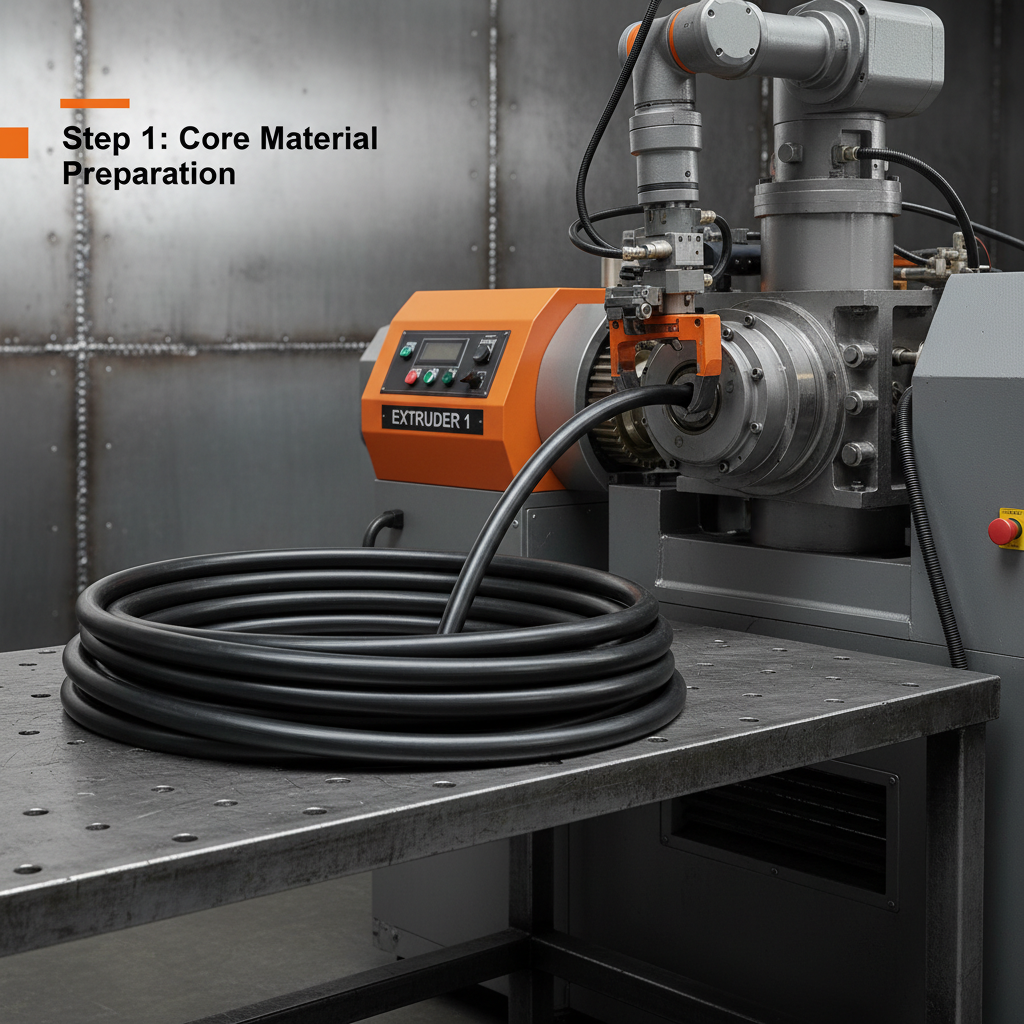
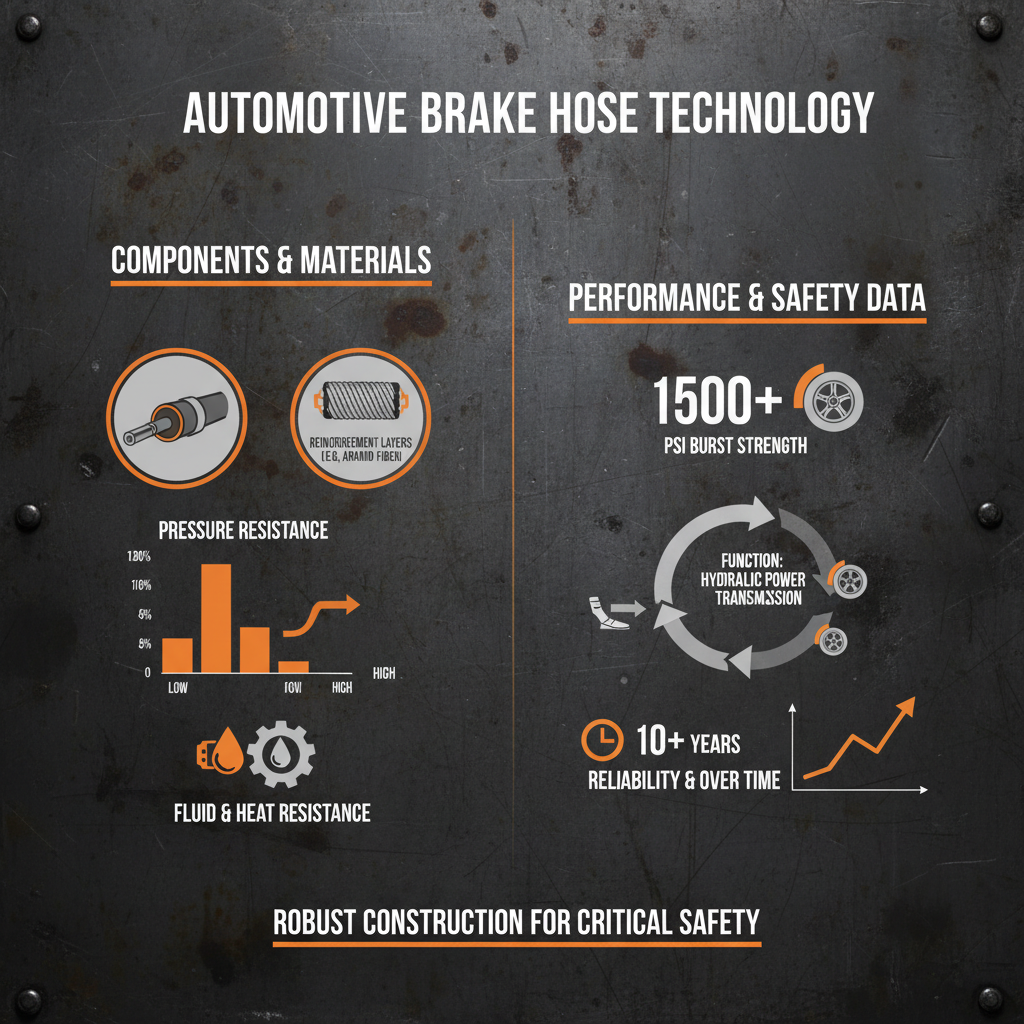
The materials used in brake hose construction significantly impact their performance and longevity. Inner tubes are typically made of synthetic rubber compounds, such as EPDM (ethylene propylene diene monomer) which provides excellent resistance to brake fluid and heat. Reinforcement layers often consist of textile braids or steel wire for added strength. Outer coverings are designed to protect the hose from abrasion, chemicals, and environmental factors. Modern high-performance hoses increasingly utilize PTFE inner linings and stainless steel braiding, offering superior durability and resistance to swelling and degradation. At PVC Rubber Hose, we specialize in high-quality materials and construction techniques to ensure optimal performance and safety.
Material Benefits:
• EPDM Rubber: Excellent resistance to brake fluid and heat.
• Stainless Steel: Superior strength and durability.
• PTFE: Exceptional chemical resistance and low permeability.
Automotive Brake Hose Comparison: Rubber vs. Stainless Steel
Choosing between rubber and stainless steel brake hoses is a common dilemma. Rubber hoses are more affordable and offer good performance for everyday driving. However, they are prone to expansion under pressure, leading to a spongy brake pedal feel. Stainless steel hoses, while more expensive, minimize expansion, providing a firmer, more responsive brake pedal. They also offer increased durability and resistance to corrosion. Here’s a detailed comparison:
Common Issues with Automotive Brake Hoses
Brake hoses are susceptible to wear and tear over time. Common issues include cracking, swelling, chafing, and leaks. Cracking occurs due to age and exposure to the elements. Swelling is often caused by brake fluid absorption. Chafing can result from contact with other vehicle components. Leaks are a serious safety hazard and require immediate attention. Regular inspection of brake hoses is crucial for identifying these issues before they compromise braking performance. Replace hoses promptly if any signs of damage are detected. At PVC Rubber Hose, we provide durable and reliable brake hoses to minimize these risks.
Choosing the Right Automotive Brake Hose
Selecting the correct brake hose is crucial for safety and performance. Consider your vehicle's application, driving style, and budget. For standard vehicles and everyday driving, rubber hoses may suffice. However, for performance vehicles, racing applications, or vehicles operating in harsh conditions, stainless steel or PTFE hoses are recommended. Ensure the hose is compatible with your vehicle's brake fluid type. Always purchase hoses from a reputable supplier like PVC Rubber Hose, who can guarantee quality and reliability.
Conclusion: Ensuring Brake System Safety
Investing in high-quality automotive brake hoses is a critical aspect of vehicle maintenance. By understanding the different types of hoses, materials, and potential issues, you can make an informed decision that prioritizes safety and performance. Regular inspection and timely replacement are key to maintaining a reliable braking system. Don't compromise on safety – choose a trusted supplier and ensure your brakes are always in top condition.
Frequently Asked Questions (FAQs)
How often should I inspect my brake hoses?
It's recommended to inspect your brake hoses at least twice a year, or with every oil change. During inspection, visually check for cracks, bulges, abrasions, and leaks. Flex the hoses gently to check for stiffness or brittleness. Any signs of damage warrant immediate attention and potential replacement. Regular inspections are a proactive measure to prevent brake failures and ensure your safety.
What type of brake fluid is compatible with different hose materials?
Most brake hoses are compatible with DOT 3, DOT 4, and DOT 5.1 brake fluids. However, DOT 5 (silicone-based) fluid is not recommended for rubber hoses as it can cause them to swell and degrade. PTFE hoses are generally compatible with all types of brake fluid, offering superior resistance. Always check the hose manufacturer's specifications to ensure compatibility with your chosen brake fluid.
Can I repair a damaged brake hose, or should I replace it?
Repairing a damaged brake hose is generally not recommended. Brake hoses are critical safety components, and any compromise in their integrity can lead to brake failure. Even a seemingly minor repair can weaken the hose and create a potential hazard. It’s always best to replace a damaged brake hose with a new, high-quality component from a reputable supplier like PVC Rubber Hose.
Z-Smartflex delivers superior-quality industrial hoses and fittings with global reliability, offering you durable solutions and exceptional service for all your fluid transfer needs.