
Understanding Automotive Heater Duct Hose: A Comprehensive Guide
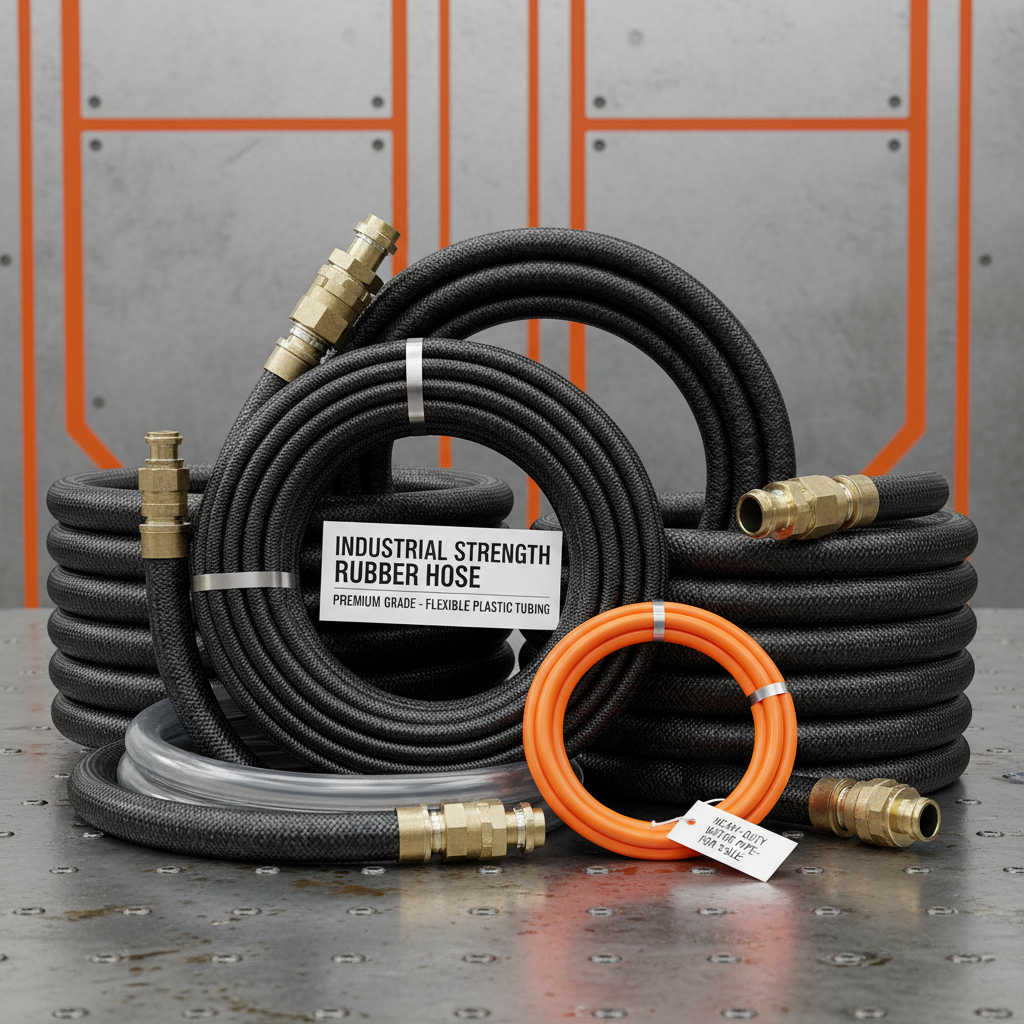
The automotive heater duct hose plays a critical role in your vehicle’s climate control system. It directs warm air from the heater core to the vehicle's vents, providing essential heat during colder months. Choosing the right hose is vital for maintaining a comfortable ride and ensuring the efficiency of your heating system. At PVC Rubber Hose, we specialize in high-quality, durable hoses designed to withstand the demanding conditions of the automotive environment. This article will delve into the different types, materials, applications, and benefits of automotive heater duct hoses, helping you make an informed decision.
What Exactly is an Automotive Heater Duct Hose?
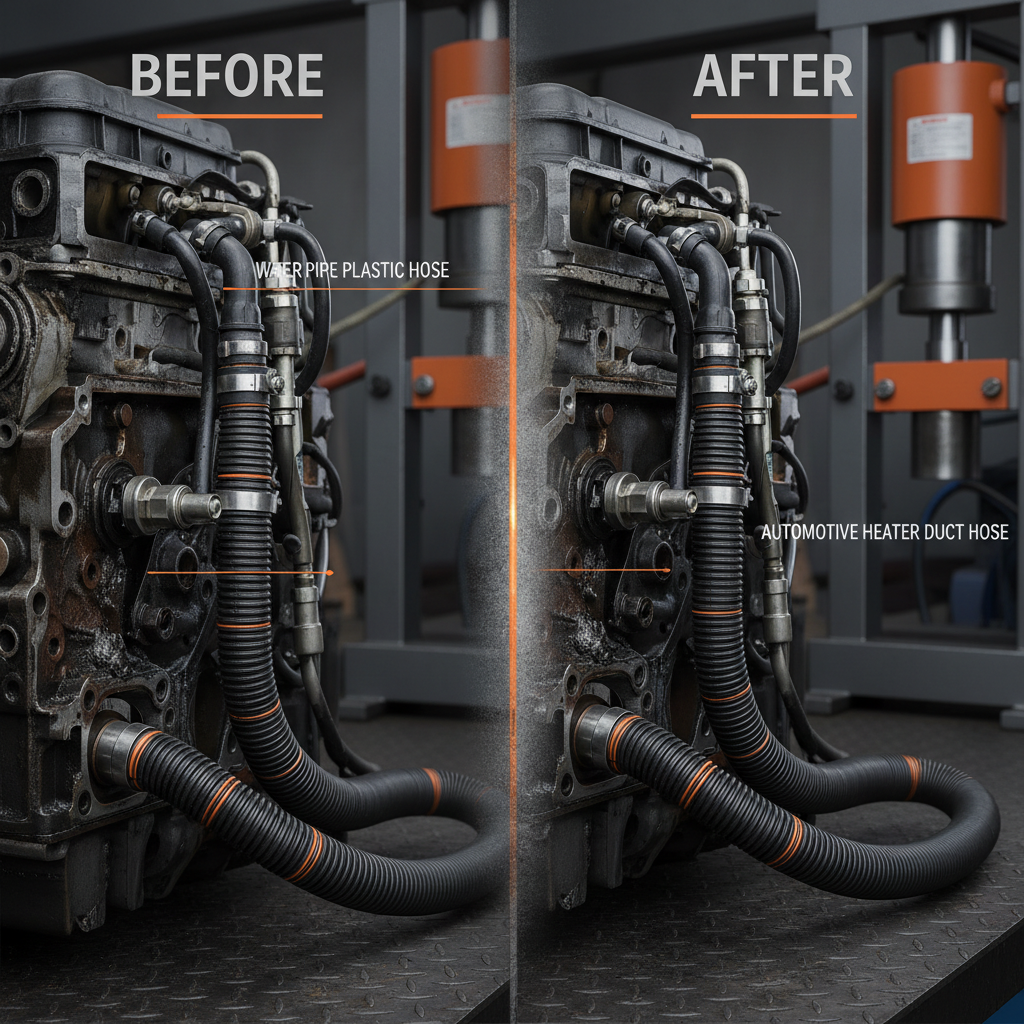
Essentially, an automotive heater duct hose is a flexible conduit designed to channel heated air. It connects the heater core – a small radiator-like component – to the vehicle’s dashboard vents. The hose must be resistant to cracking, splitting, and collapsing under varying temperatures and pressures. Poorly maintained or damaged hoses can lead to reduced heating efficiency, unpleasant odors, and even leaks of coolant. Regular inspection and replacement are key to a functioning heating system. PVC Rubber Hose offers a wide selection of heater duct hoses suitable for diverse vehicle makes and models.
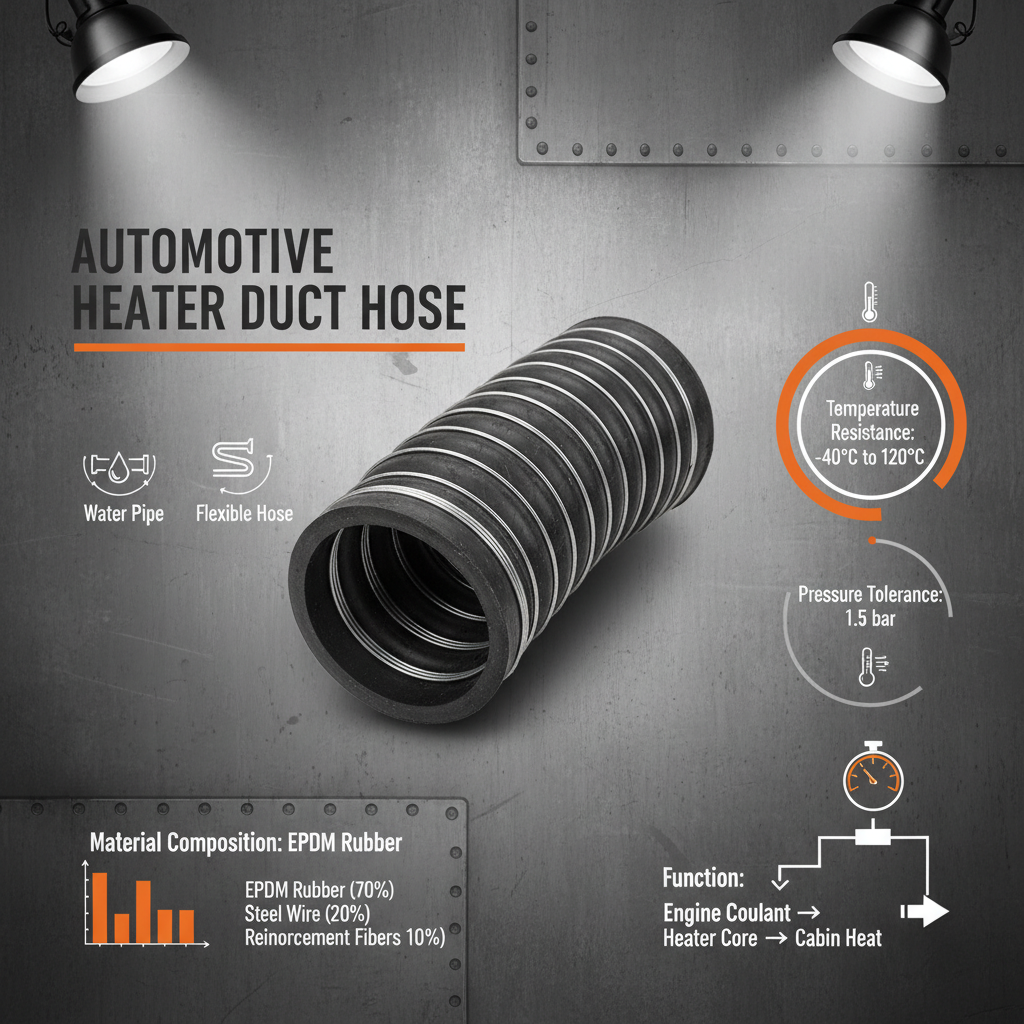
Key Function: Delivering warm air from the heater core to the vehicle's vents, ensuring passenger comfort during cold weather.
Materials Used in Automotive Heater Duct Hoses
Several materials are commonly used in the manufacturing of automotive heater duct hoses, each offering unique advantages. These include:
- Rubber (EPDM): Ethylene Propylene Diene Monomer (EPDM) is a synthetic rubber known for its excellent resistance to heat, ozone, and weathering. It's a popular choice for heater hoses due to its durability.
- PVC: Polyvinyl Chloride (PVC) offers good flexibility and is relatively inexpensive. However, it's generally less heat-resistant than EPDM.
- Silicone: Silicone hoses provide superior heat resistance and flexibility, making them ideal for high-performance applications. They are, however, more expensive.
The material selection often depends on the vehicle’s specifications and the operating temperatures involved. PVC Rubber Hose uses only the highest quality materials to ensure the longevity and performance of our products.
Automotive Heater Duct Hose vs. Radiator Hose: Key Differences
It's important to distinguish between a heater duct hose and a radiator hose. While both are crucial for your vehicle’s cooling and heating systems, they serve different purposes. Radiator hoses carry coolant between the engine and the radiator, managing engine temperature. Heater duct hoses, as discussed, transport heated air to the cabin. Radiator hoses generally operate under higher pressure and temperature, requiring more robust construction. Using the wrong hose for the application can lead to system failure.
Key Differences:
• Function: Radiator hose cools the engine; heater duct hose provides cabin heat.
• Pressure: Radiator hoses withstand higher pressure.
• Temperature: Radiator hoses handle higher temperatures.
Choosing the Right Automotive Heater Duct Hose: A Comparison
Selecting the correct automotive heater duct hose depends on several factors, including vehicle make, model, engine type, and operating conditions. Here's a comparison of common hose types:
Signs of a Failing Automotive Heater Duct Hose
Recognizing the signs of a failing heater duct hose can prevent more significant problems. Look out for these indicators:
- Cool Air from Vents: The most obvious sign – the heater isn't producing warm air.
- Sweet Coolant Smell: A leak in the hose can release coolant into the cabin, creating a distinct sweet odor.
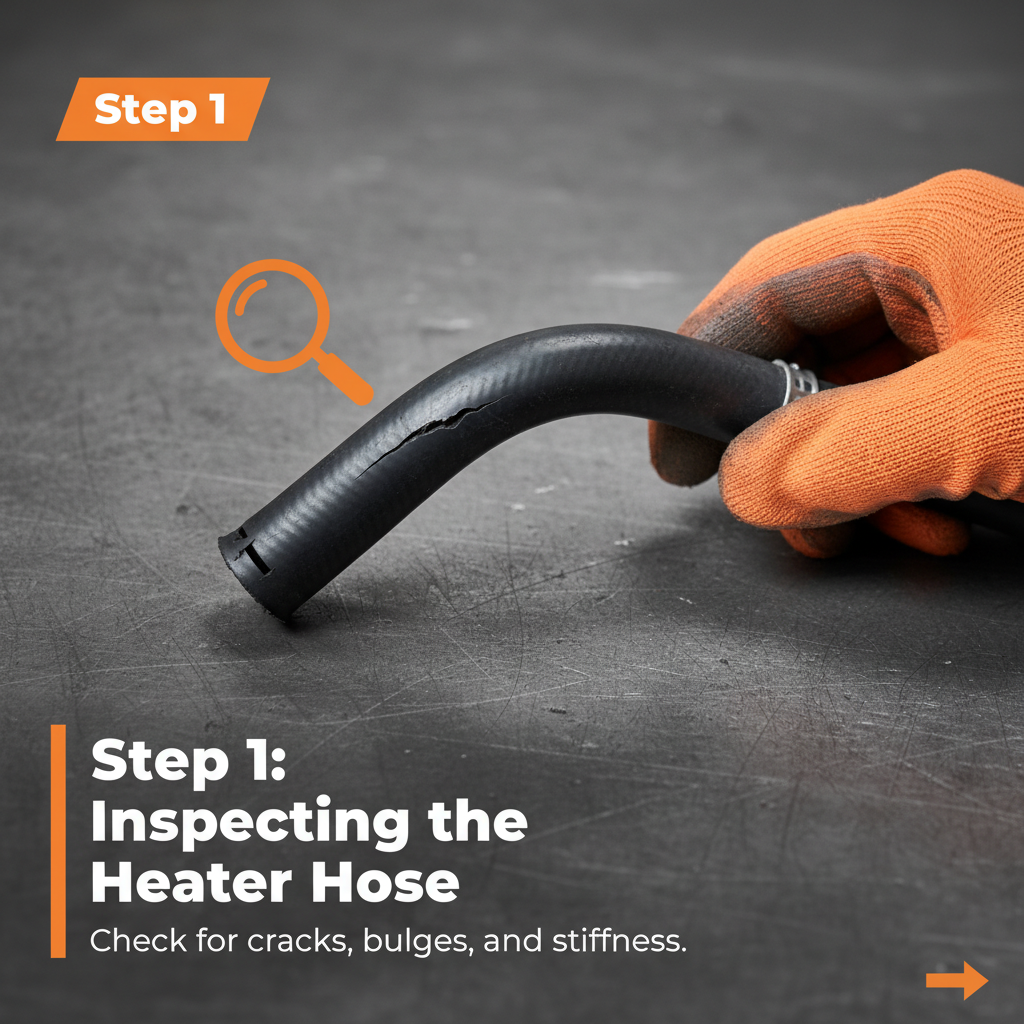
- Visible Cracks or Bulges: Inspect the hose for any physical damage.
- Collapsed Hose: A weakened hose can collapse internally, restricting airflow.
If you notice any of these symptoms, it's recommended to have your vehicle inspected by a qualified mechanic. PVC Rubber Hose offers a wide variety of replacement hoses to get your heating system back up and running quickly.
Conclusion: Ensuring Comfort and Safety with Quality Heater Duct Hoses
Investing in a high-quality automotive heater duct hose is an essential part of vehicle maintenance. It ensures passenger comfort, efficient heating system operation, and prevents potential coolant leaks. At PVC Rubber Hose, we are committed to providing durable, reliable hoses that meet the highest industry standards. Don't compromise on quality – choose PVC Rubber Hose for your automotive hose needs.
Frequently Asked Questions (FAQs)
How often should I replace my automotive heater duct hose?
Typically, a heater duct hose should be inspected annually and replaced every 3-5 years, or sooner if signs of damage are present. Factors like extreme temperatures, exposure to chemicals, and driving conditions can influence the lifespan of the hose. Regular inspection is key to preventing leaks and maintaining optimal heating performance. Consider replacing it proactively during routine maintenance checks to avoid unexpected breakdowns.
Can I repair a leaking heater duct hose?
While temporary patches might seem like a quick fix, they are generally not recommended for automotive heater duct hoses. These hoses operate under pressure and temperature fluctuations, making a patch unreliable and potentially hazardous. A leaking hose should be replaced entirely to ensure the integrity of the heating system and prevent coolant leaks. PVC Rubber Hose provides a wide range of replacement hoses to ensure a secure and lasting solution.
What are the benefits of using silicone heater duct hoses?
Silicone heater duct hoses offer superior heat resistance, flexibility, and longevity compared to rubber or PVC options. They are ideal for high-performance vehicles or those operating in extreme temperatures. While they are more expensive, their durability and resistance to degradation can result in long-term cost savings. Silicone hoses are also less prone to cracking and swelling, ensuring a reliable seal and consistent performance.
Where can I find the right heater duct hose for my vehicle?
Finding the correct hose requires knowing your vehicle's make, model, and year. PVC Rubber Hose offers a comprehensive catalog of heater duct hoses with detailed specifications and compatibility information. You can also contact our expert team for assistance in selecting the right hose for your specific needs. We pride ourselves on providing accurate information and excellent customer support.
Z-Smartflex delivers superior-quality industrial hoses and fittings with global reliability, offering you durable solutions and exceptional service for all your fluid transfer needs.