
The Ultimate Guide to Automotive Heater Hoses: Ensuring Vehicle Warmth and Safety
When winter hits or the temperature drops, the cabin heating system becomes the most critical comfort feature of any vehicle. At the heart of this system are the automotive heater hoses, which transport hot coolant from the engine to the heater core. While often overlooked, these components are subject to extreme thermal stress and pressure. Understanding how to choose, maintain, and replace these hoses is essential for avoiding engine overheating and ensuring a cozy interior. In this comprehensive guide, we will explore the technical nuances of these hoses and how to identify high-quality replacements for your fleet or personal vehicle.
The Critical Role of Automotive Heater Hoses in Engine Cooling
The primary function of automotive heater hoses is to create a closed-loop system that diverts heat away from the engine block to warm the passenger compartment. As the engine operates, coolant absorbs heat; this hot liquid is then pumped through the heater hoses into a small radiator known as the heater core. A blower fan pushes air across the core, transferring the heat into the cabin. If these hoses fail, you don't just lose your heat—you risk a total loss of coolant, which can lead to catastrophic engine failure within minutes. Therefore, the integrity of the hose material is non-negotiable for vehicle longevity.
Pro Tip: Always inspect your hoses for "sponginess" or visible cracks during your oil change. A hose that feels soft or looks glazed is a ticking time bomb for a leak.
Material Science: What Makes Premium Automotive Heater Hoses?
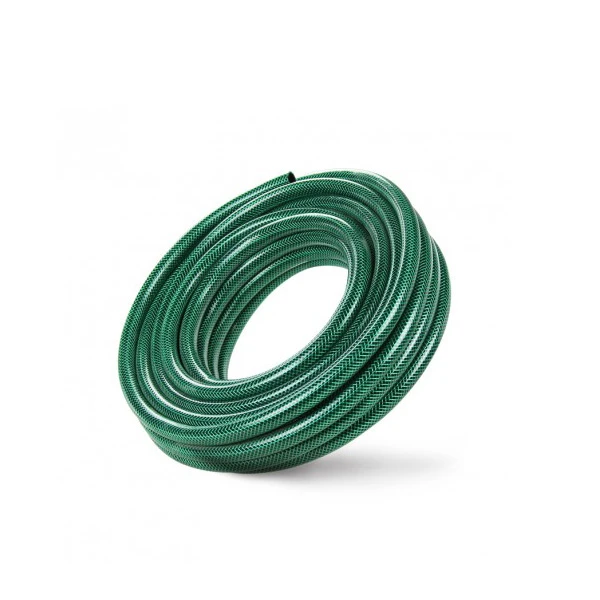
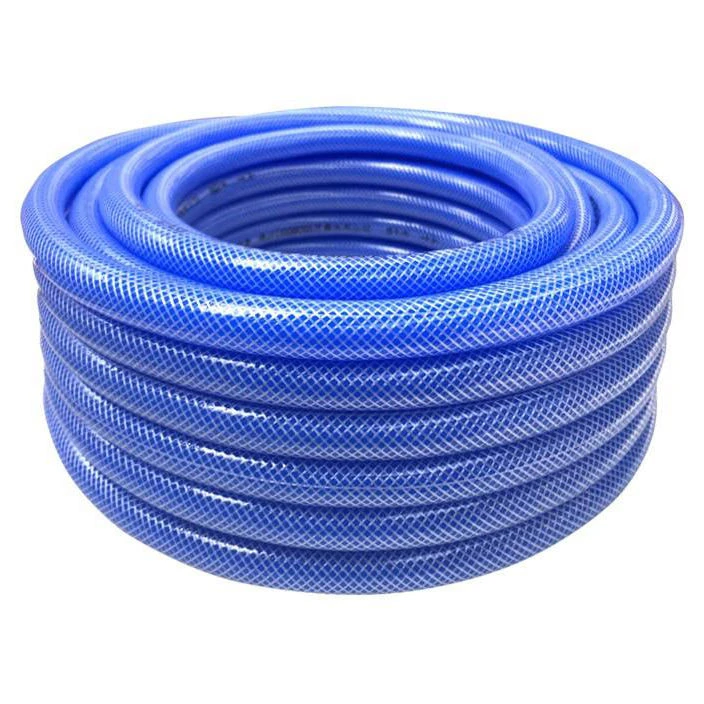
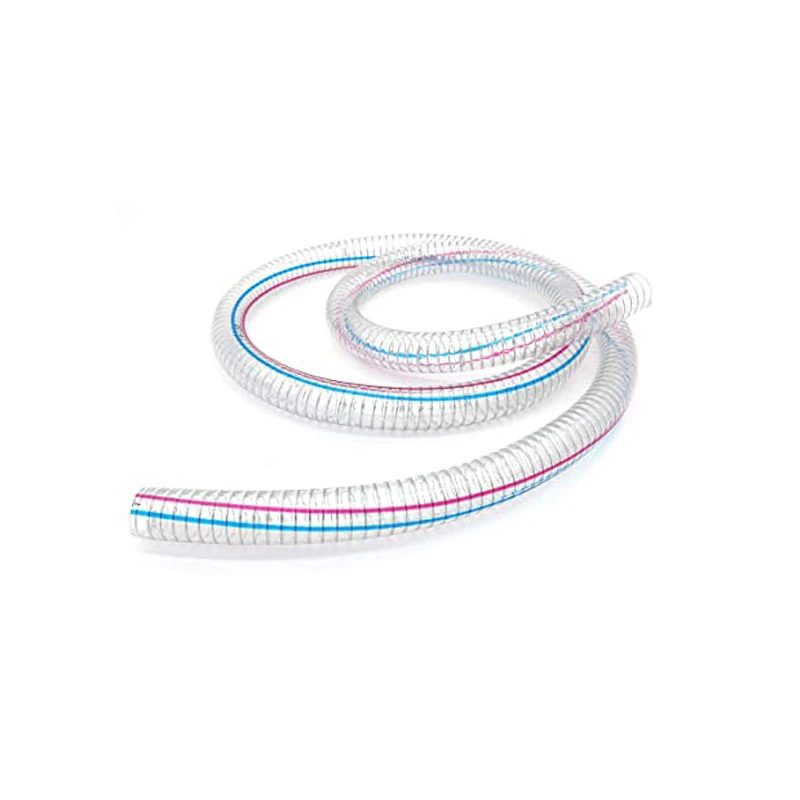
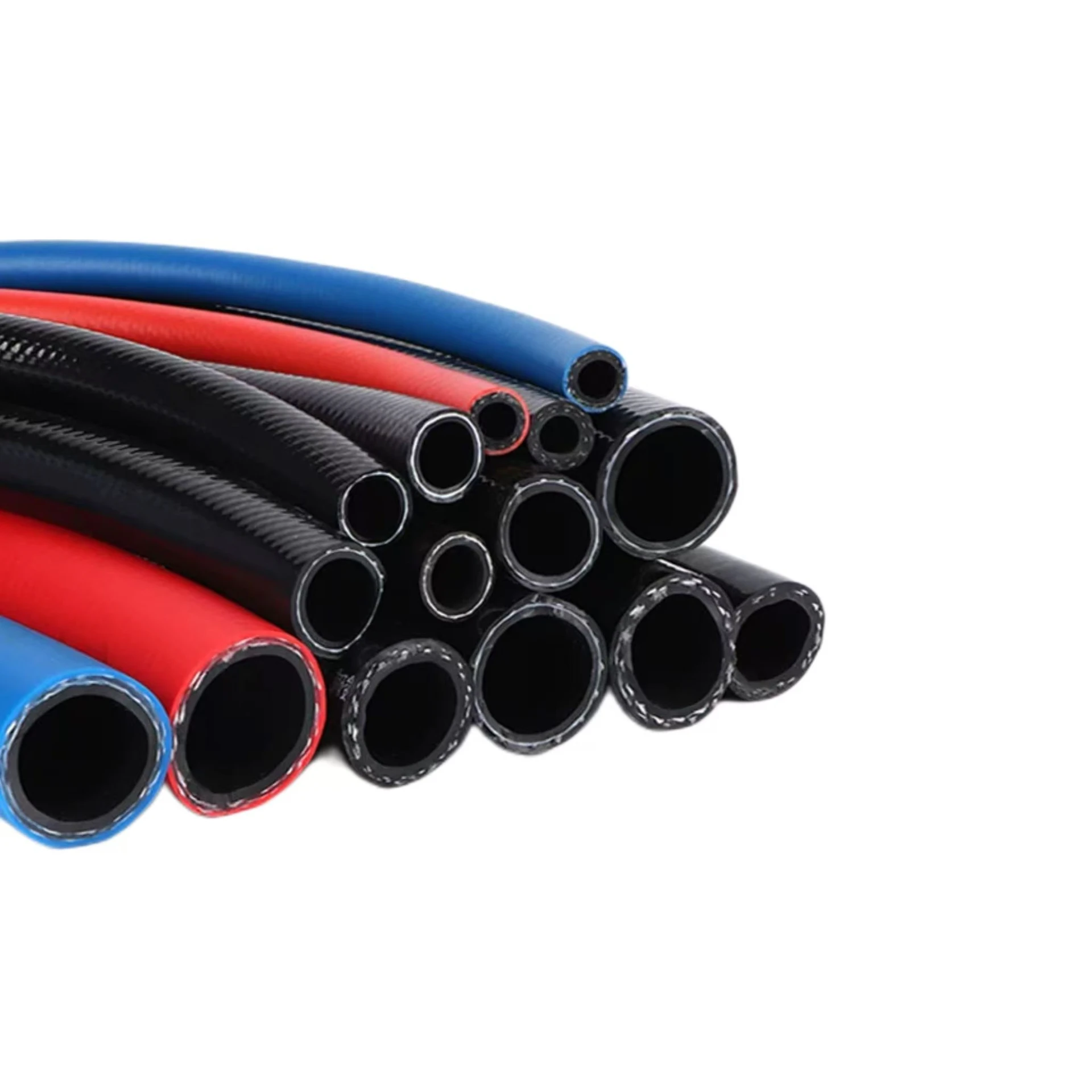
Not all rubber hoses are created equal. High-performance automotive heater hoses are typically engineered from EPDM (Ethylene Propylene Diene Monomer) or reinforced PVC. EPDM is favored for its exceptional resistance to heat, ozone, and coolant chemicals. These materials are often reinforced with a polyester braid to handle the pressure spikes that occur during cold starts or high-RPM driving. Selecting the right material ensures that the hose does not degrade under the constant cycle of heating and cooling, which is the primary cause of "dry rot" in lower-quality components.
Material Comparison Highlights:
• EPDM: Superior heat resistance and longevity in cooling systems.
• Reinforced PVC: Excellent chemical resistance and higher rigidity.
• Silicone: Extreme temperature tolerance, often used in racing applications.
Comparing Standard vs. High-Performance Automotive Heater Hoses
When sourcing components, buyers often debate between OEM standard hoses and upgraded high-performance options. While standard automotive heater hoses are sufficient for daily commuting, heavy-duty vehicles or those operating in extreme climates (like the Arctic or Sahara) benefit from reinforced walls and advanced polymer blends. High-performance hoses offer better burst pressure ratings and are less likely to collapse under vacuum, ensuring a steady flow of coolant regardless of the external environment.
Identifying Wear and Tear in Automotive Heater Hoses
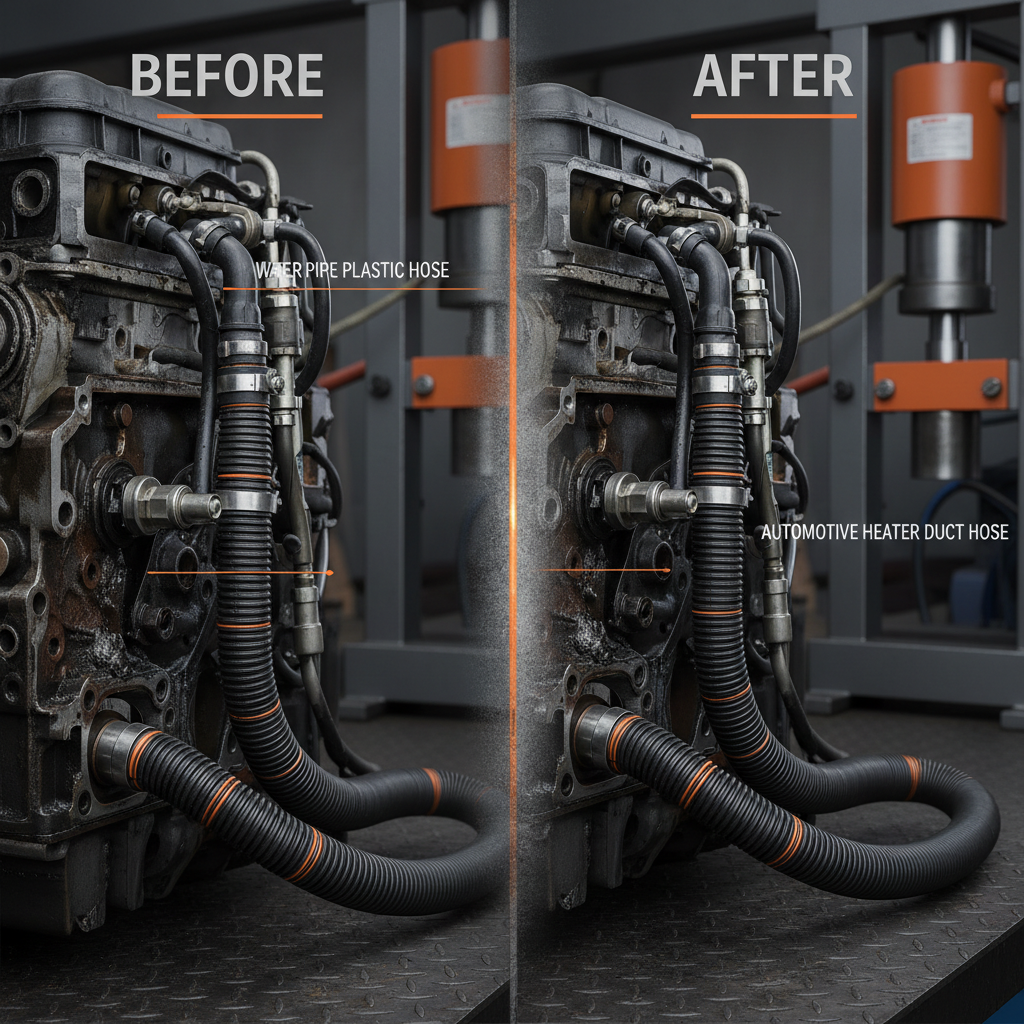
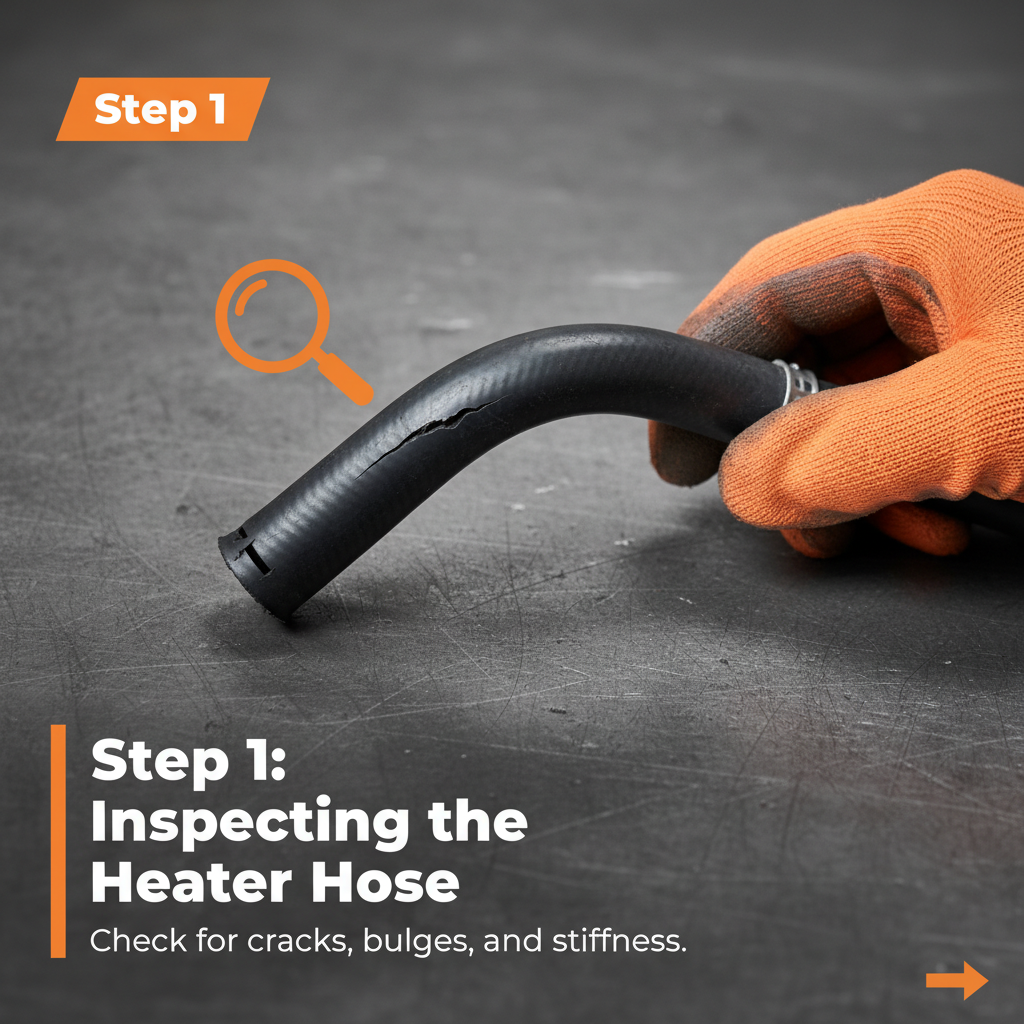
Early detection of hose failure can save you thousands of dollars in engine repairs. When inspecting your automotive heater hoses, look for "bulging" areas, which indicate that the internal reinforcement has failed. Another red flag is "cracking" or a brittle texture, often caused by extreme heat cycling. Additionally, if you notice a sweet-smelling scent (similar to maple syrup) inside the cabin or under the hood, it is a clear sign of a coolant leak. Replacing a hose at the first sign of wear is far more economical than dealing with a roadside breakdown.
Technical Specifications for Industrial-Grade Heater Hoses
For procurement managers and automotive engineers, choosing the right automotive heater hoses requires a deep dive into technical specifications. Factors such as inner diameter (ID), wall thickness, and working pressure are paramount. A hose that is too loose will leak at the clamps, while one that is too tight can stress the heater core fittings. Below is a typical specification table for high-grade automotive coolant hoses used in modern passenger vehicles.
Installation Best Practices for Long-Term Reliability
Even the best automotive heater hoses can fail if installed incorrectly. First, ensure that the hose is not twisted during installation, as this creates weak points in the reinforcement layer. Second, use high-quality worm-gear or constant-tension clamps, but avoid over-tightening, which can "cut" into the rubber. Finally, ensure the hose is routed away from moving parts (like fans) and extreme heat sources (like the exhaust manifold) to prevent premature melting or abrasion.
Conclusion: Prioritizing Quality in Your Cooling System
The humble automotive heater hose is a vital link in your vehicle's thermal management system. By choosing hoses made from high-grade EPDM or reinforced PVC, following strict installation protocols, and performing regular inspections, you can ensure both driver comfort and engine safety. Investing in premium materials today prevents costly repairs tomorrow. Trust in professional-grade hoses to keep your journey warm and your engine cool.
Frequently Asked Questions (FAQs)
How often should I replace my automotive heater hoses?
Generally, it is recommended to inspect your hoses every year and consider replacement every 3 to 5 years. However, this varies based on the environment; vehicles in extremely hot or cold climates may require more frequent changes. If you notice the rubber becoming brittle, cracking, or feeling excessively soft, replace them immediately regardless of age to avoid a sudden coolant leak.
Can I use a generic rubber hose instead of a specific heater hose?
It is highly discouraged. Generic rubber hoses may not be rated for the temperature and chemical composition of engine coolant. Heater-specific hoses are engineered to resist the corrosive nature of ethylene glycol and the intense heat of the engine. Using a non-rated hose can lead to rapid degradation and premature bursting, putting your engine at risk of overheating.
What is the difference between EPDM and standard rubber for heater hoses?
EPDM (Ethylene Propylene Diene Monomer) is a synthetic rubber specifically designed for weather and heat resistance. Unlike standard rubber, EPDM does not crack as easily when exposed to ozone and UV rays and maintains its flexibility across a much wider temperature range. This makes EPDM the gold standard for automotive heater hoses, ensuring they last significantly longer under the hood.
Why is my heater hose bulging?
Bulging usually occurs when the internal reinforcement layer (the fabric or mesh) of the hose fails, allowing the rubber to expand under pressure. This can be caused by age, excessive system pressure (due to a faulty radiator cap), or low-quality manufacturing. A bulging hose is a critical warning sign that a burst is imminent and should be replaced immediately to prevent engine failure.
Z-Smartflex delivers superior-quality industrial hoses and fittings with global reliability, offering you durable solutions and exceptional service for all your fluid transfer needs.