
The Ultimate Guide to Automotive Flex Hose: Performance and Reliability
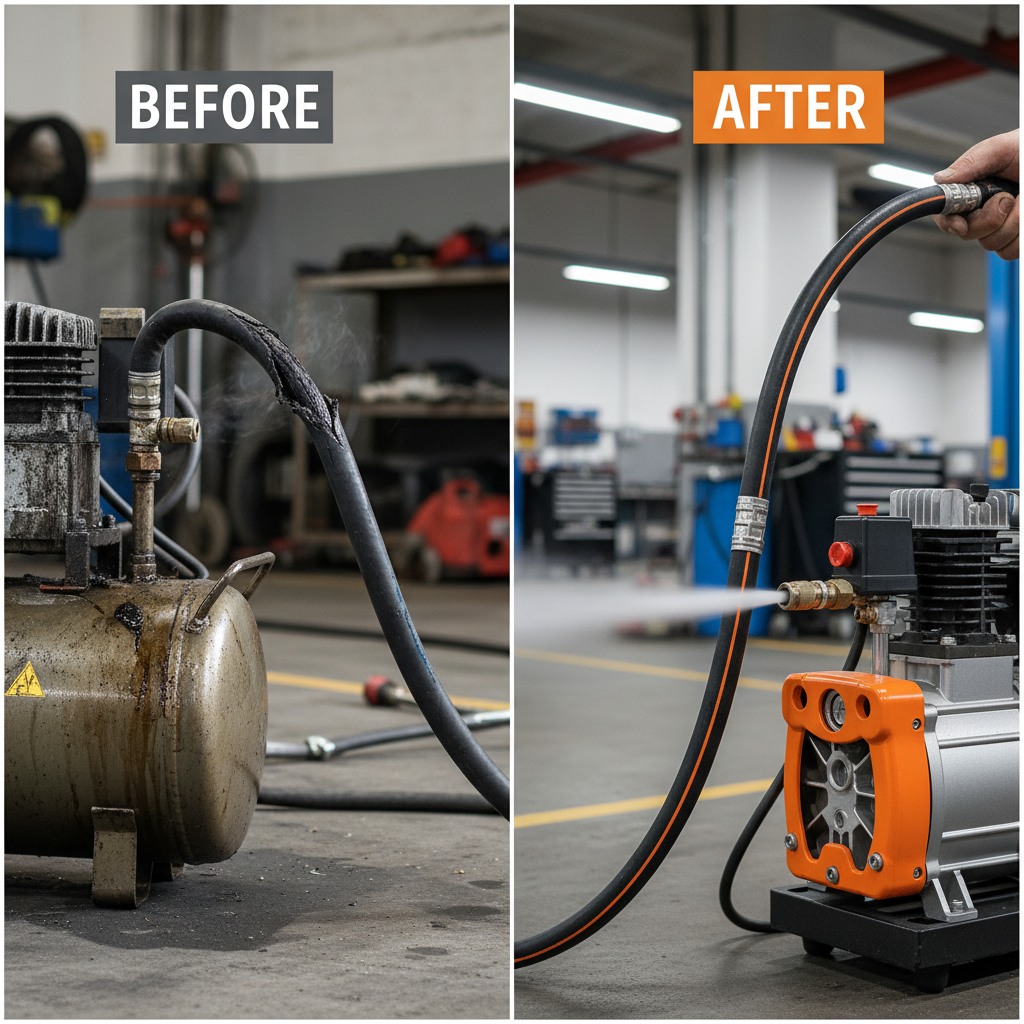
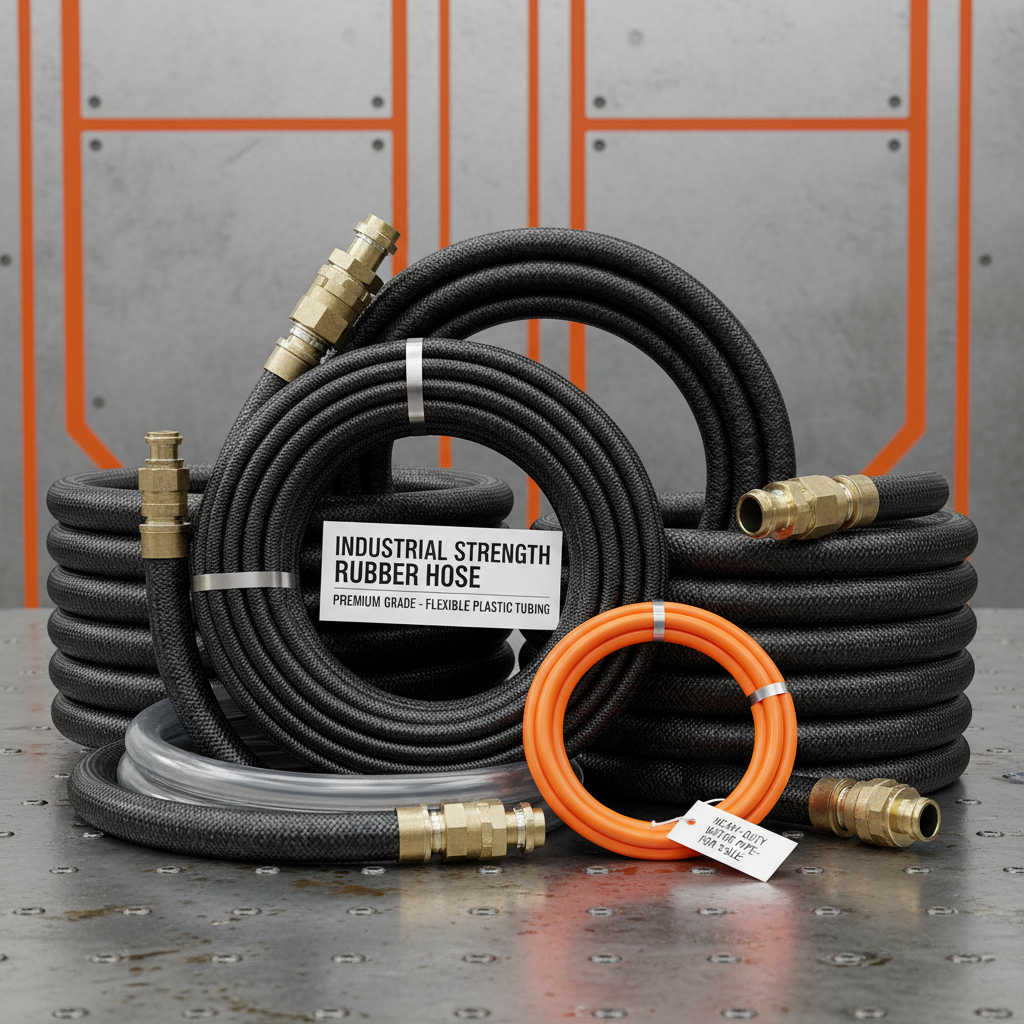
In the complex ecosystem of a vehicle's engine and chassis, the transfer of fluids and gases requires precision and resilience. An automotive flex hose is a critical component designed to handle vibrations, thermal expansion, and high-pressure environments without failing. Whether it is for coolant, fuel, or brake systems, the quality of the hose directly impacts the vehicle's safety and longevity. This guide provides a professional deep dive into the materials, technical specifications, and selection criteria for high-performance flexible hoses used in the automotive industry.
Essential Functions of an Automotive Flex Hose
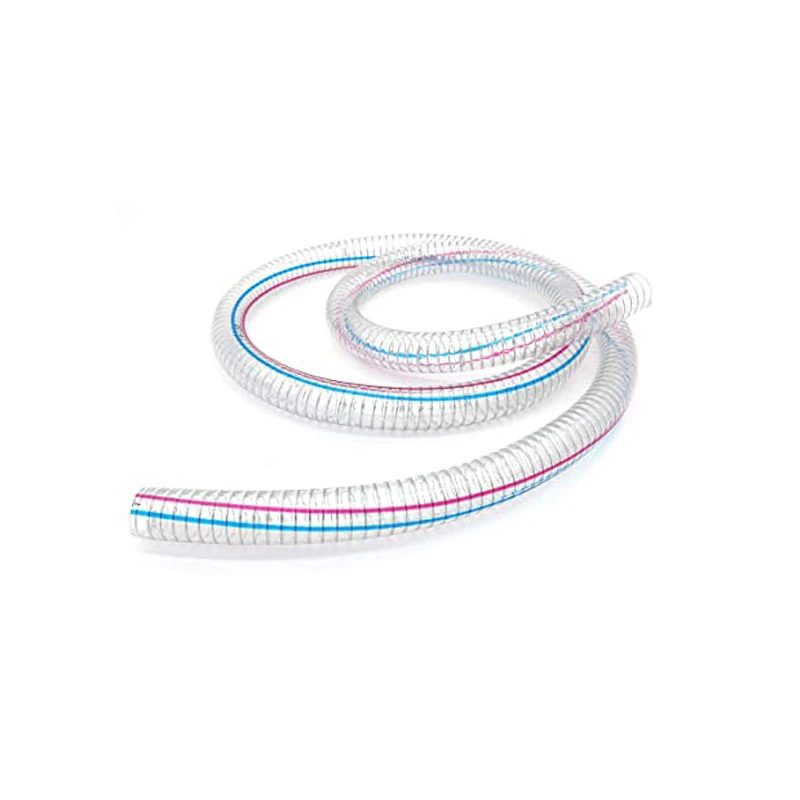
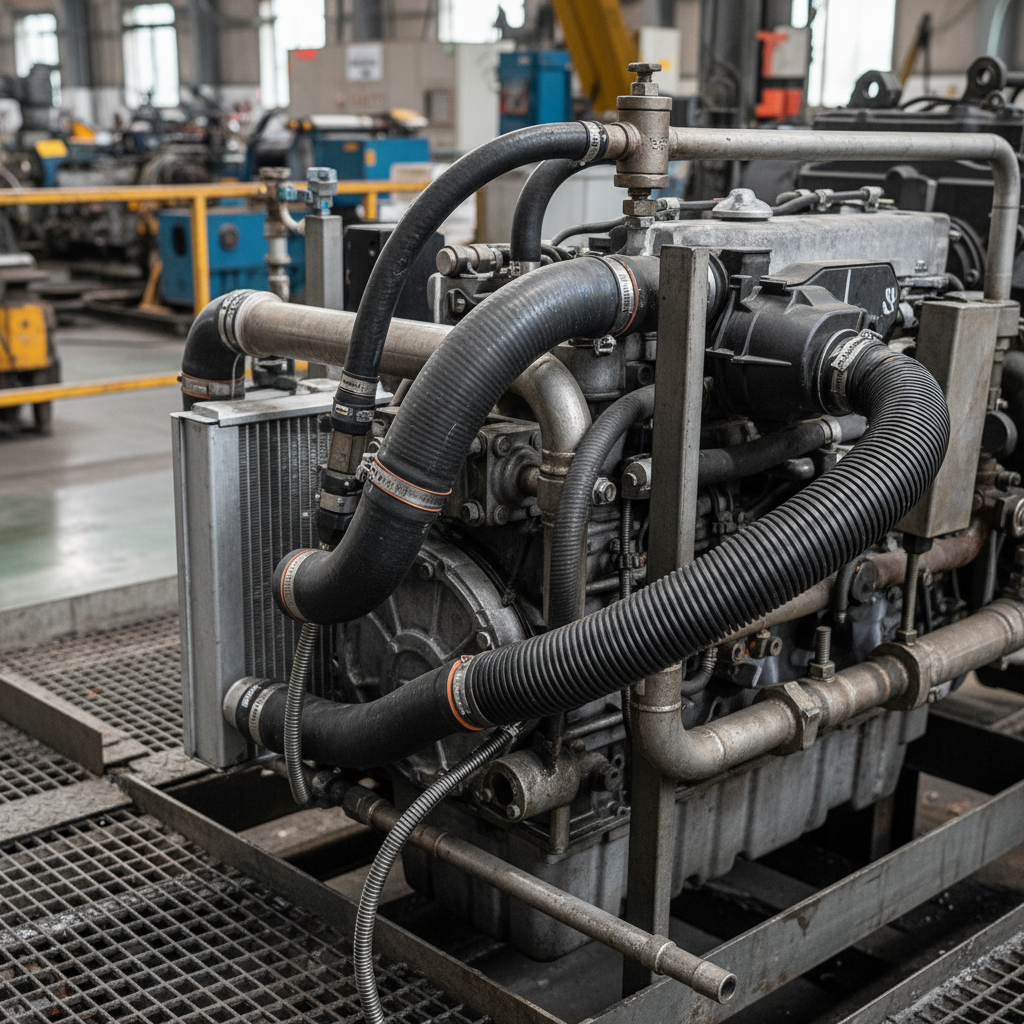
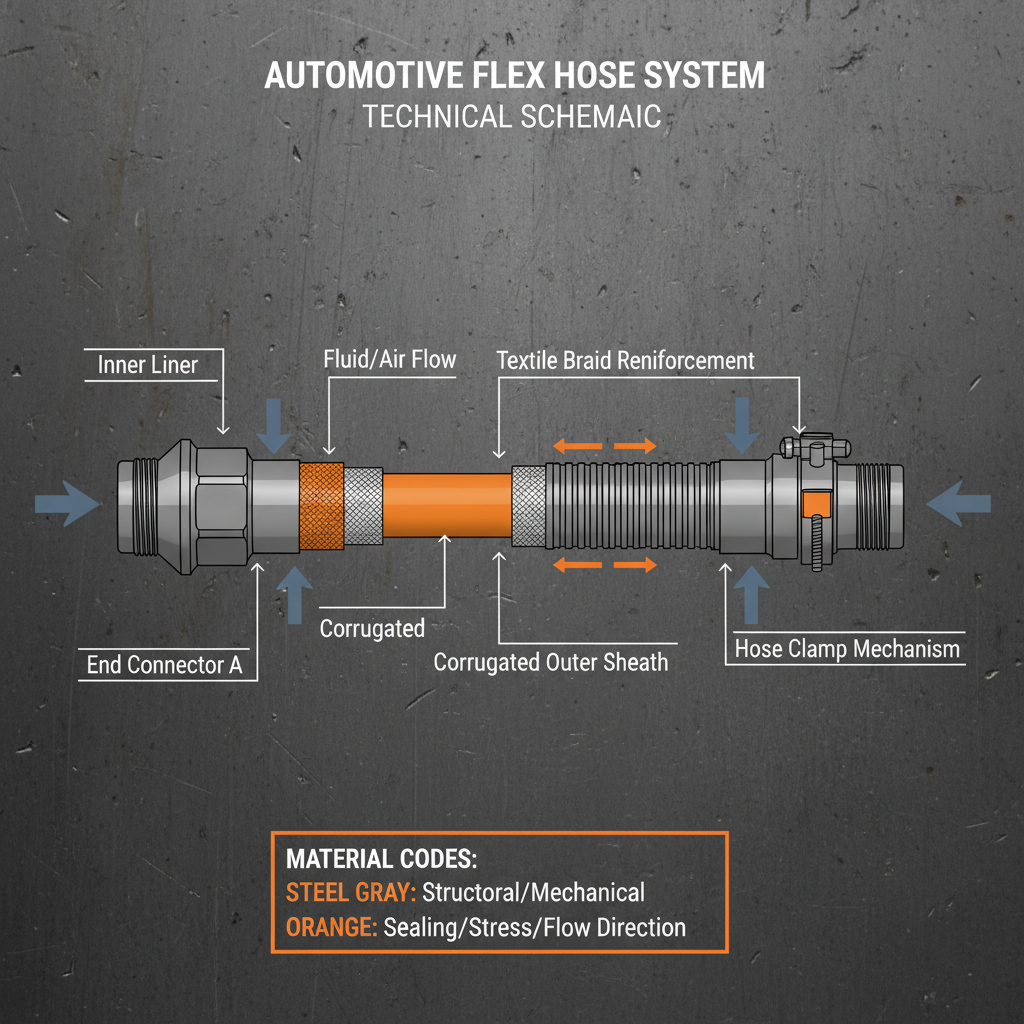
The primary role of an automotive flex hose is to provide a flexible connection between two points that are subject to relative movement. Unlike rigid piping, flex hoses absorb the constant vibrations of the internal combustion engine, preventing stress fractures in the rest of the plumbing system. They are engineered to withstand extreme temperature fluctuations, from freezing winter mornings to the intense heat of a turbocharged engine bay. By utilizing advanced polymers and reinforced layers, these hoses ensure that critical fluids reach their destination without leakage, maintaining the optimal operating temperature and pressure of the vehicle.
Key Impact: High-quality flexible hoses reduce the risk of catastrophic engine failure by eliminating rigid stress points and preventing fluid leaks under high-pressure conditions.
Material Science in Automotive Flex Hose Manufacturing
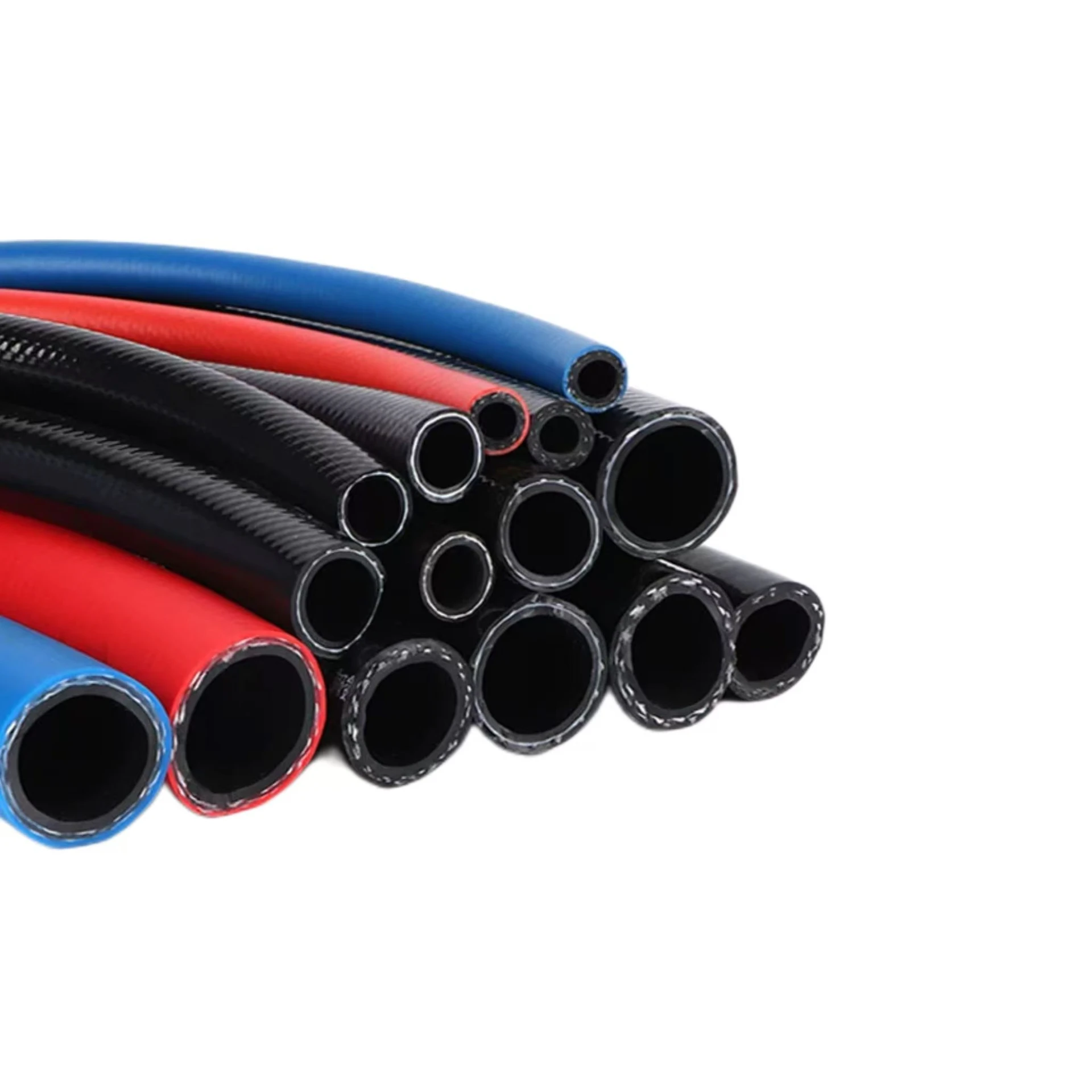
The selection of materials for an automotive flex hose is dictated by the medium it carries. EPDM (Ethylene Propylene Diene Monomer) is widely used for radiator and coolant hoses due to its exceptional heat and weather resistance. For fuel lines, Nitrile (NBR) or Fluoropolymers are preferred because of their resistance to hydrocarbons. Many high-performance hoses also feature a braided reinforcement layer made of polyester, nylon, or stainless steel, which prevents the hose from expanding or bursting under high pressure. This multi-layered approach ensures that the hose remains flexible while maintaining a high burst pressure rating.
Comparing Automotive Flex Hose Types and Specifications
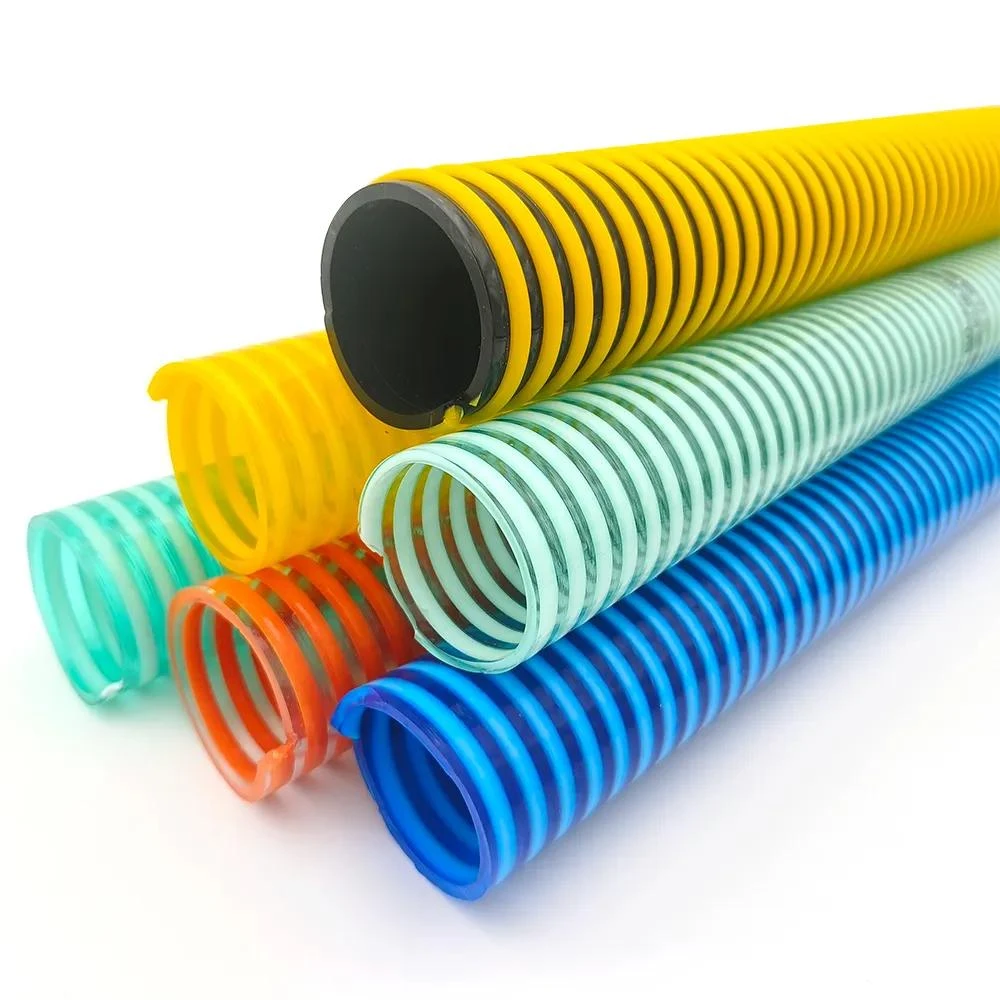
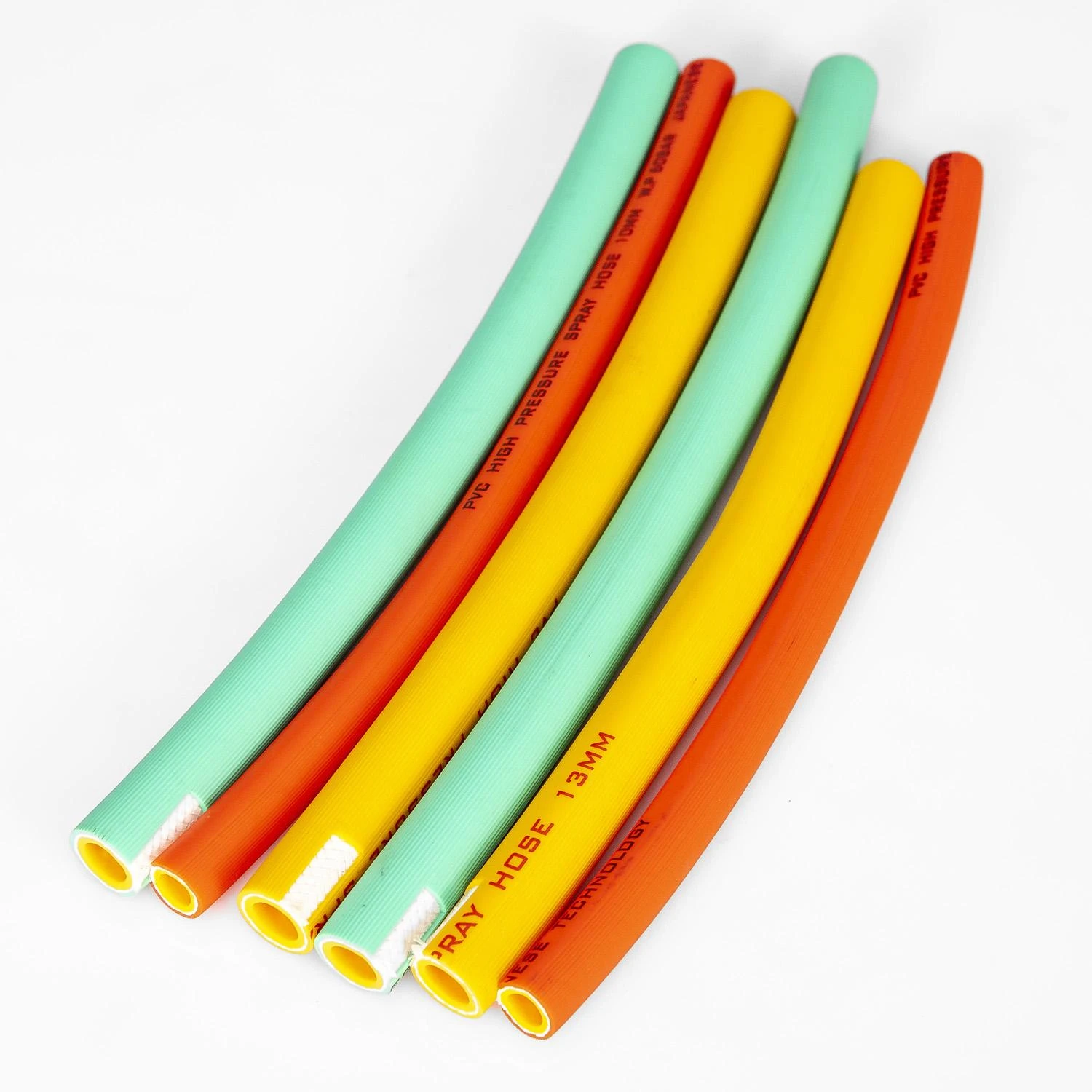
Not all hoses are created equal. Depending on the application—whether it's a turbocharger oil line or a windshield washer hose—the specifications vary wildly. Understanding these differences is key for engineers and procurement specialists to ensure vehicle safety. Below is a detailed comparison of common automotive flex hose types based on their technical properties.
Installation and Maintenance of the Automotive Flex Hose
Proper installation is just as important as the quality of the automotive flex hose itself. A common mistake is over-tightening clamps, which can crush the hose wall and lead to premature failure. Additionally, hoses should never be installed with excessive bends or "kinks," as this restricts flow and creates localized stress points. Regular maintenance involves inspecting the hose for "glazing" (hardening of the rubber), cracks, or bulging. If a hose feels brittle or shows signs of swelling, it should be replaced immediately to avoid unexpected breakdowns on the road.
Quality Standards for Automotive Flex Hose Procurement
When sourcing an automotive flex hose for OEM or aftermarket use, adhering to international standards is non-negotiable. SAE (Society of Automotive Engineers) standards provide the benchmark for performance, ensuring that hoses can handle the rated pressure and temperature. Quality manufacturers employ rigorous testing, including burst tests, ozone aging tests, and permeability tests. Choosing a supplier that provides full material certifications and traceability ensures that the components will perform reliably under the most demanding driving conditions.
Procurement Checklist:
• Verify SAE or ISO certification compliance
• Confirm chemical compatibility with the fluid being transported
• Check the burst pressure vs. working pressure ratio
• Ensure UV and ozone resistance for engine bay exposure
Conclusion: Ensuring Vehicle Longevity with the Right Hoses
The automotive flex hose may seem like a simple component, but it is a vital link in a vehicle's operational chain. From managing extreme heat in the radiator to transporting high-pressure fuel, the right hose ensures efficiency and safety. By focusing on high-quality materials and adhering to strict installation standards, vehicle owners and manufacturers can significantly reduce maintenance costs and prevent dangerous failures. Invest in quality flexible hosing to keep your automotive systems running smoothly.
Frequently Asked Questions (FAQs)
How often should I replace my automotive flex hoses?
While there is no universal timeline, most automotive flexible hoses should be inspected every 20,000 to 30,000 miles. Rubber naturally degrades over time due to heat cycles and exposure to oil and ozone. Generally, if a hose shows visible cracks, becomes excessively soft (spongy), or feels rock-hard (brittle), it is time for a replacement. In high-performance or racing vehicles, hoses are often replaced more frequently—sometimes annually—to prevent failure during high-stress operation.
Can I use a silicone hose instead of a rubber one?
Silicone hoses offer superior temperature resistance and a longer lifespan compared to standard EPDM rubber. They are excellent for turbocharger and radiator applications. However, silicone is generally more permeable to certain gases and can be less resistant to some oils and fuels. Therefore, while silicone is a great upgrade for cooling systems, you should never use it for fuel lines or brake lines unless specifically rated for those chemicals. Always check the material compatibility guide on the PVC Rubber Hose website.
What causes an automotive flex hose to burst?
The most common cause of a burst is "pressure spikes" that exceed the hose's maximum burst rating, often caused by a malfunctioning pressure regulator or a clogged system. Other factors include thermal degradation, where constant overheating makes the rubber brittle, and chemical attack, where the wrong fluid is used, causing the inner liner to dissolve. Finally, mechanical wear—such as the hose rubbing against a sharp metal edge—can thin the wall of the hose until it can no longer contain the internal pressure.
How do I choose the right size for a replacement hose?
To choose the correct size, you must measure the Inner Diameter (ID) of the hose, not the outer diameter. The ID must match the outer diameter of the fitting or pipe it will slide over. Using a hose that is too large will lead to leaks, while one that is too small may be impossible to install or may restrict fluid flow. It is also important to consider the wall thickness (sleeve thickness) to ensure the hose can handle the required working pressure for your specific automotive application.
Z-Smartflex delivers superior-quality industrial hoses and fittings with global reliability, offering you durable solutions and exceptional service for all your fluid transfer needs.