
Understanding Auto Rubber Hose: A Comprehensive Guide
When it comes to automotive fluid transfer and system integrity, the quality of your auto rubber hose is paramount. Choosing the right hose impacts everything from engine performance to safety. This article delves into the world of auto rubber hoses, exploring their types, applications, materials, and crucial considerations when making a purchase. Whether you’re a mechanic, automotive enthusiast, or involved in parts distribution, understanding these components is essential. Explore the full range of high-quality rubber hoses at PVC Rubber Hose today!
Types of Auto Rubber Hose
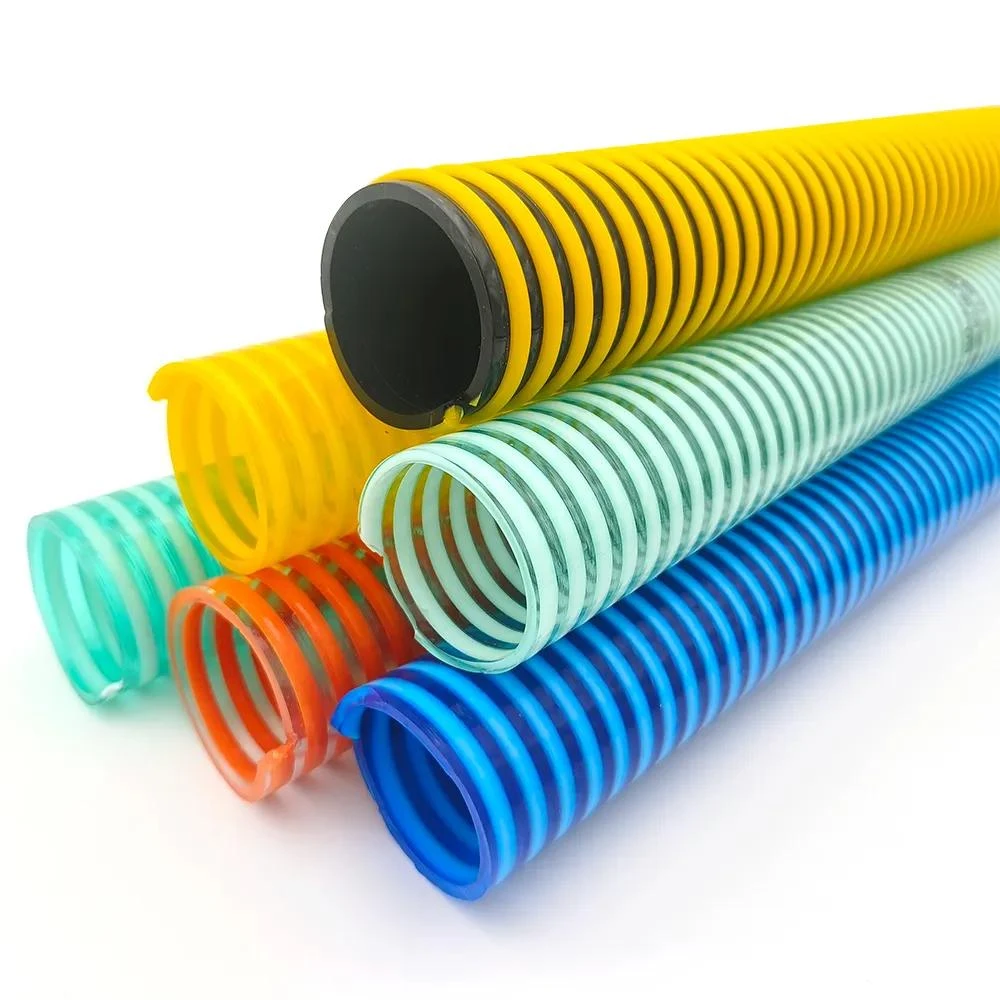
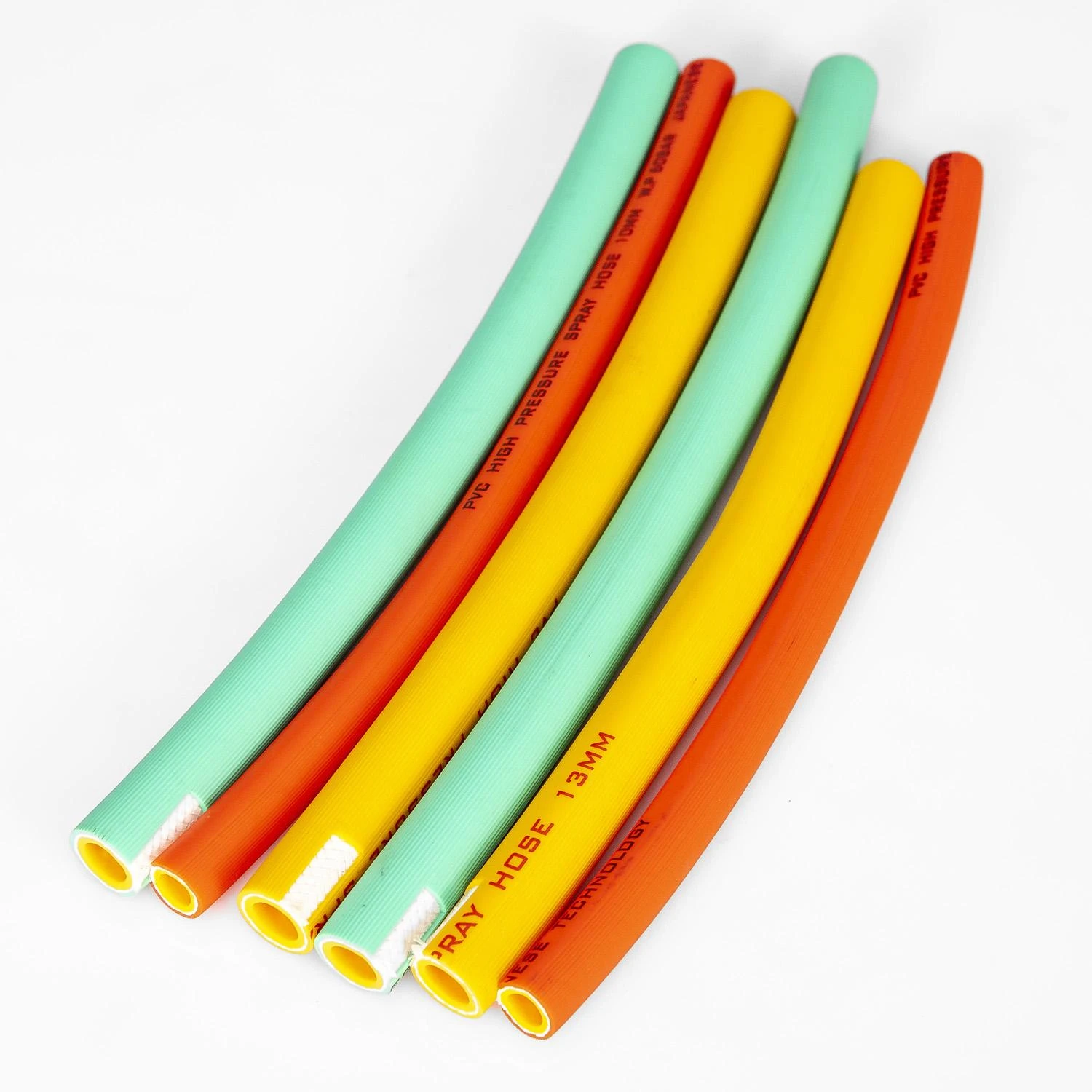
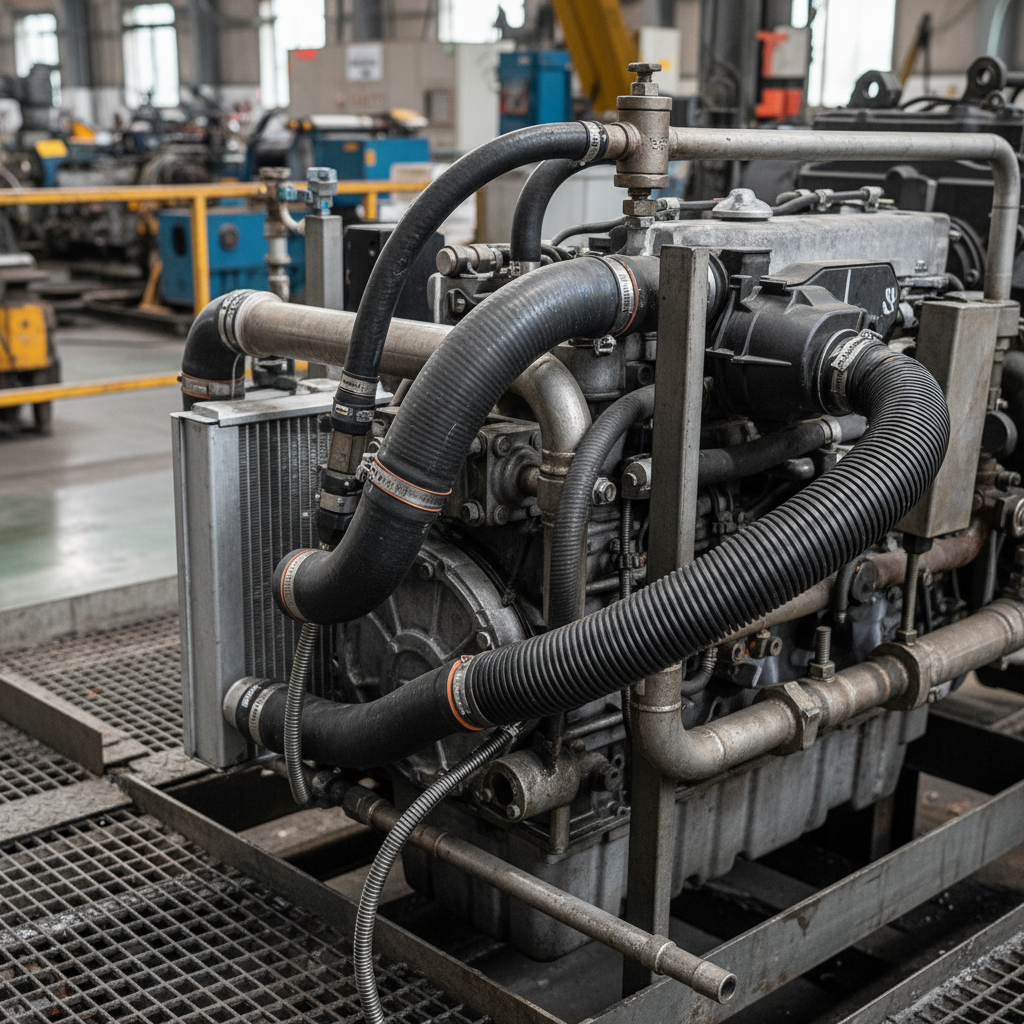
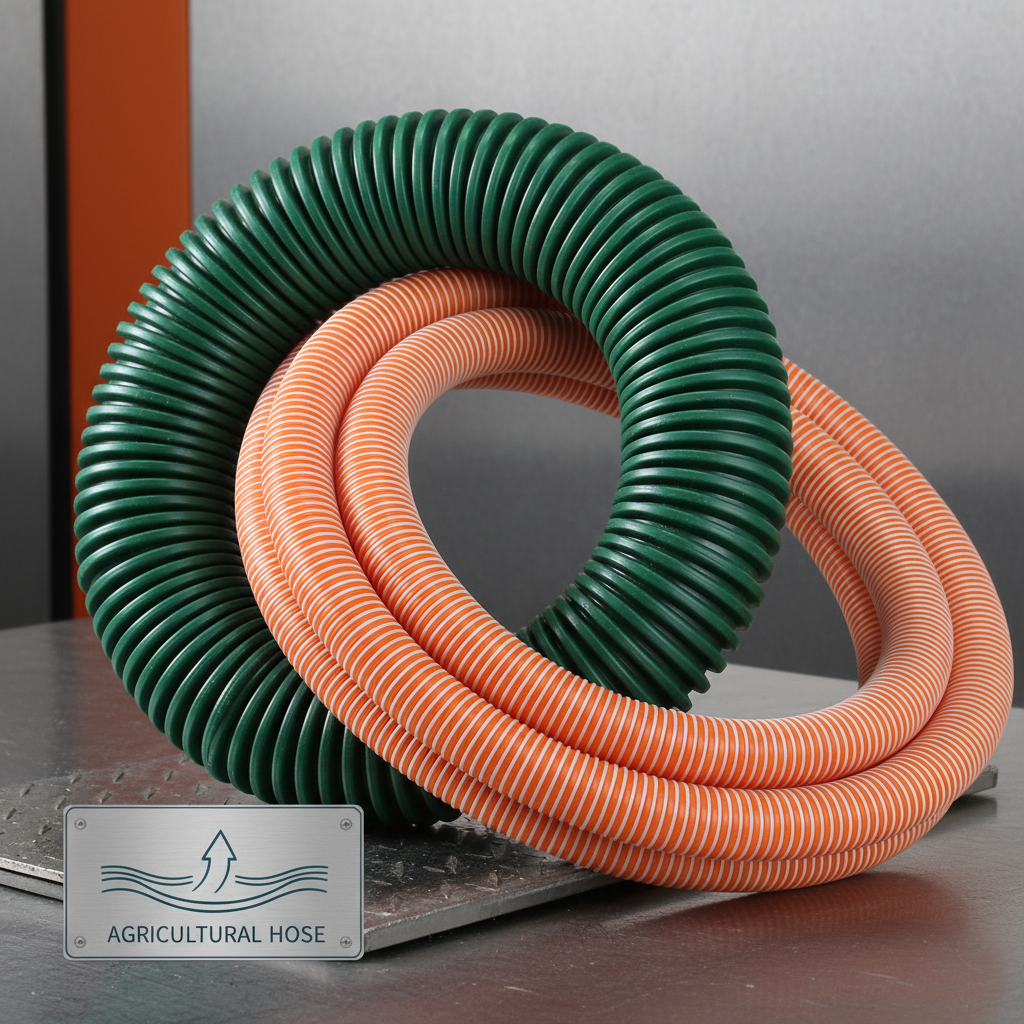
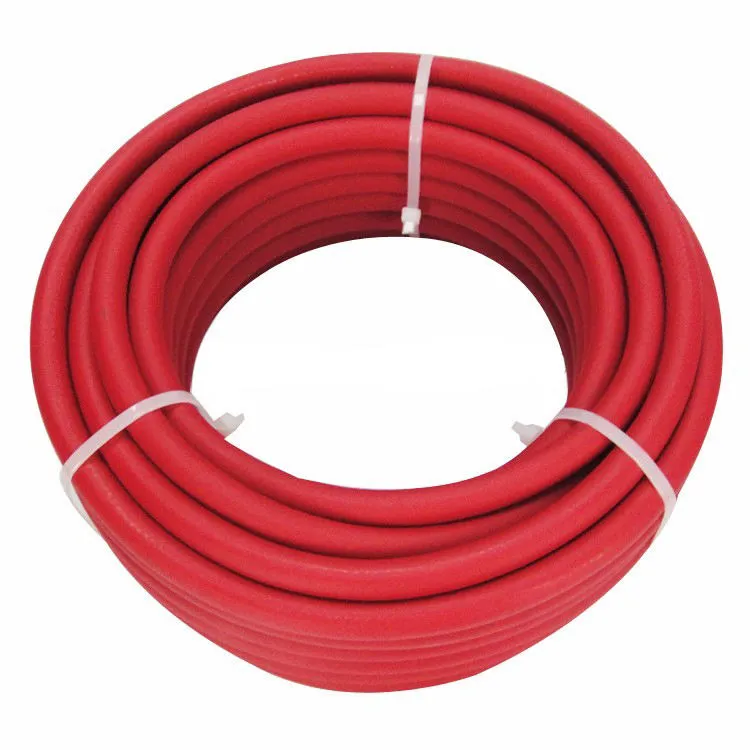
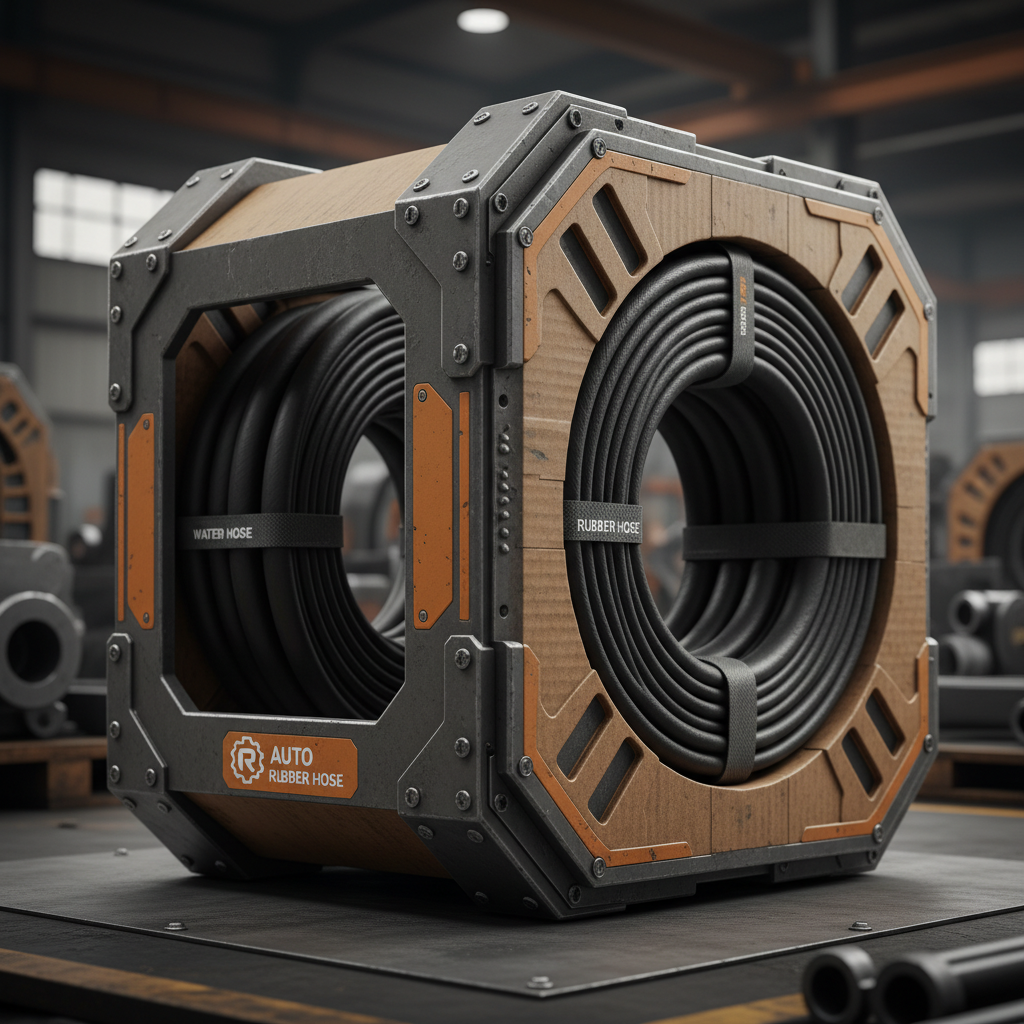
Auto rubber hoses aren’t a one-size-fits-all product. They're categorized based on their application and the fluids they’re designed to handle. Common types include: Radiator hoses (cooling system), Heater hoses (heating system), Fuel lines (fuel delivery), Vacuum hoses (engine control systems), and Power steering hoses (power steering fluid). Each type is engineered with specific materials and construction to withstand the pressures, temperatures, and chemical properties of the fluid it conveys. Selecting the correct hose for its intended application is critical for optimal performance and longevity. The PVC Rubber Hose website offers a detailed guide to each hose type.
Key Takeaway: Accurate hose identification is the first step in ensuring proper replacement and maintaining vehicle functionality.
Materials Used in Auto Rubber Hose Production
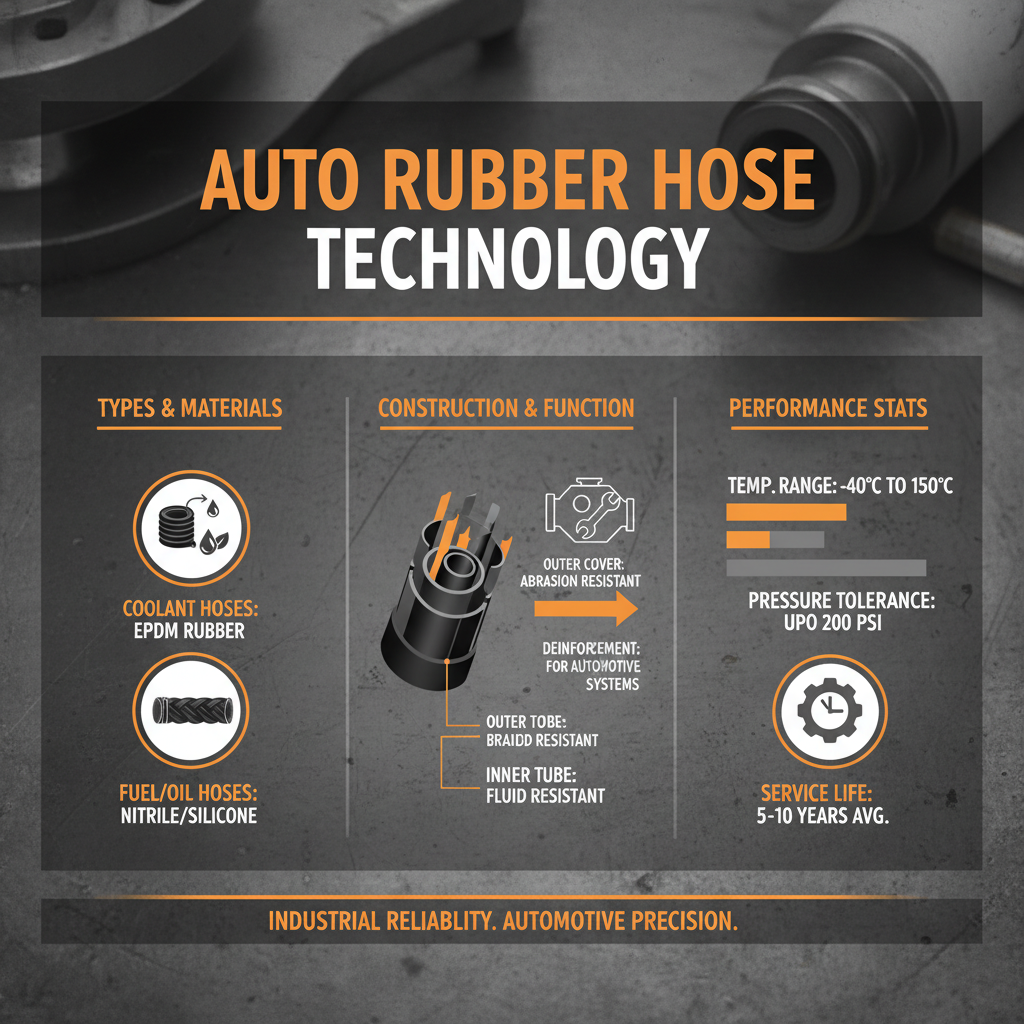
The material composition of an auto rubber hose directly influences its durability, flexibility, and resistance to various fluids and temperatures. Common materials include: Natural Rubber (excellent flexibility, good for general-purpose applications), Ethylene Propylene Diene Monomer (EPDM) rubber (superior heat, ozone, and weather resistance, ideal for radiator and heater hoses), Nitrile Rubber (NBR) (exceptional resistance to oils, fuels, and chemicals, used for fuel lines), and Silicone Rubber (highest temperature resistance and flexibility, often used in performance applications). The selection of material is determined by the specific application and the characteristics of the fluid it will transport.
Material Properties at a Glance:
• Natural Rubber: High flexibility, general purpose.
• EPDM: Heat, ozone, and weather resistant.
• NBR: Oil, fuel, and chemical resistant.
• Silicone: Highest temperature resistance and flexibility.
Choosing the Right Auto Rubber Hose: Key Considerations
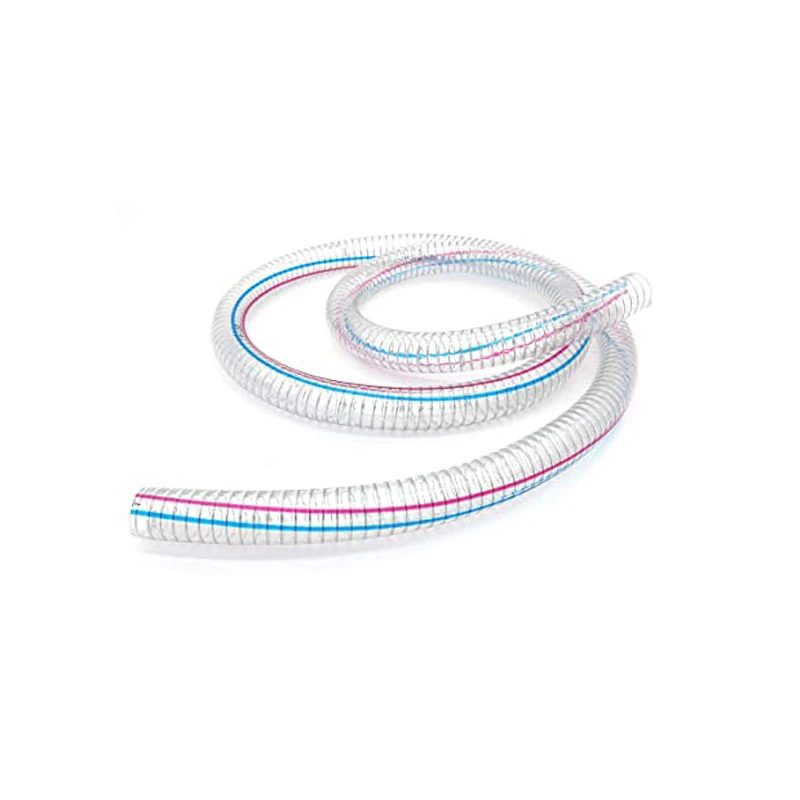
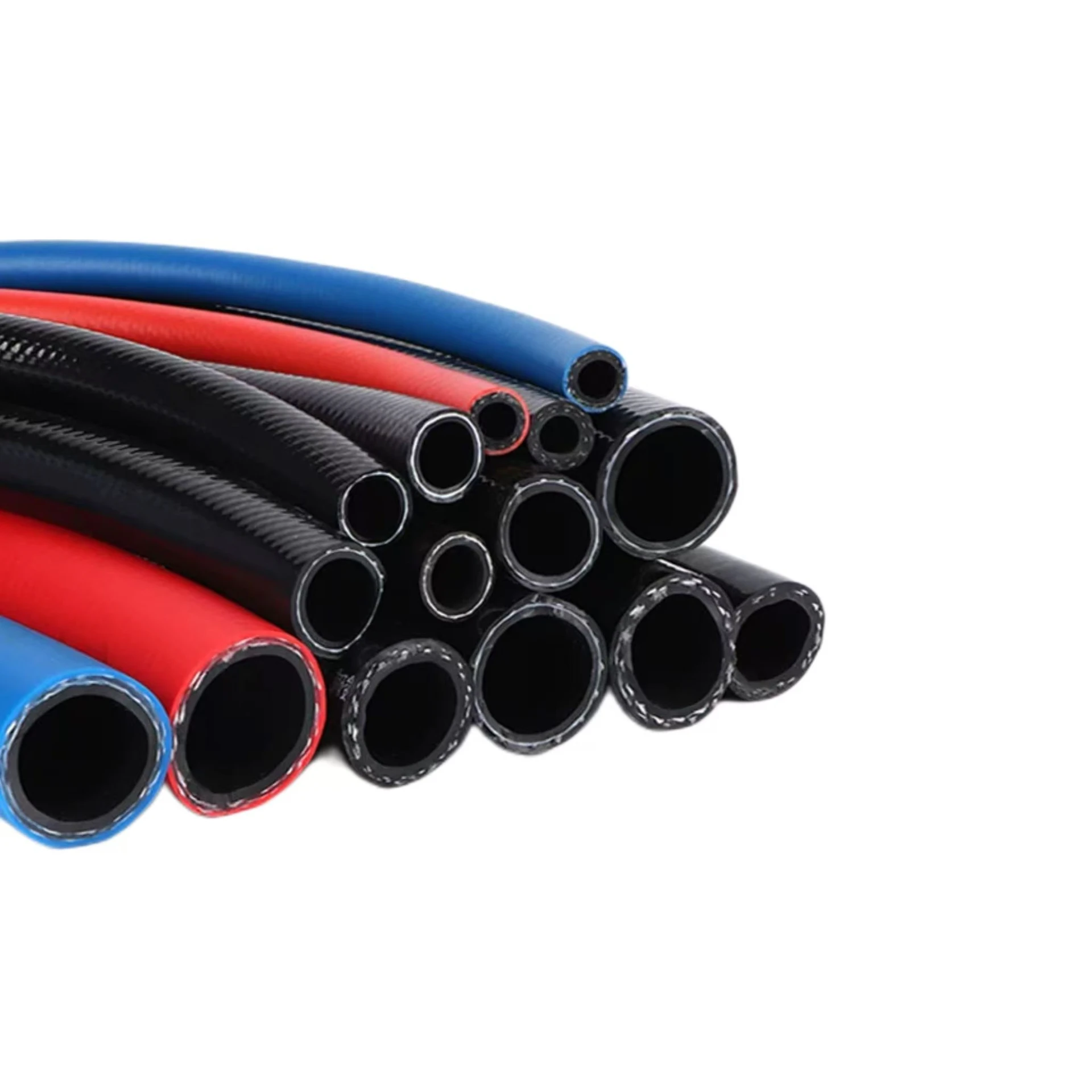
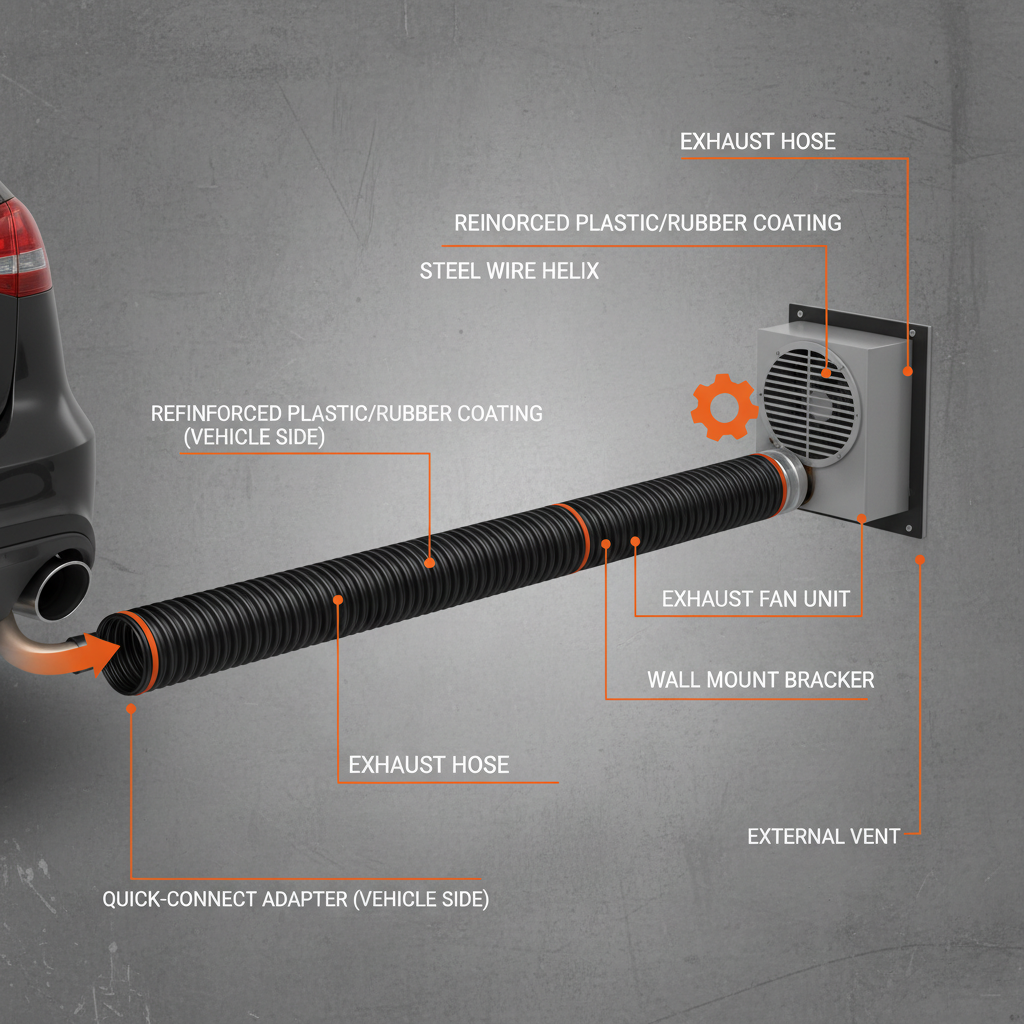
Selecting the correct auto rubber hose isn’t merely about matching the size. Factors like fluid compatibility, operating temperature, pressure requirements, and reinforcement needs must all be considered. For fuel lines, NBR or specialized fuel-resistant materials are essential. Radiator hoses demand EPDM due to the high heat. Reinforcement layers (such as textile braiding or wire helix) increase burst strength and prevent collapse under vacuum conditions. Always consult vehicle specifications and choose hoses that meet or exceed OEM standards.
Inspecting and Replacing Auto Rubber Hoses
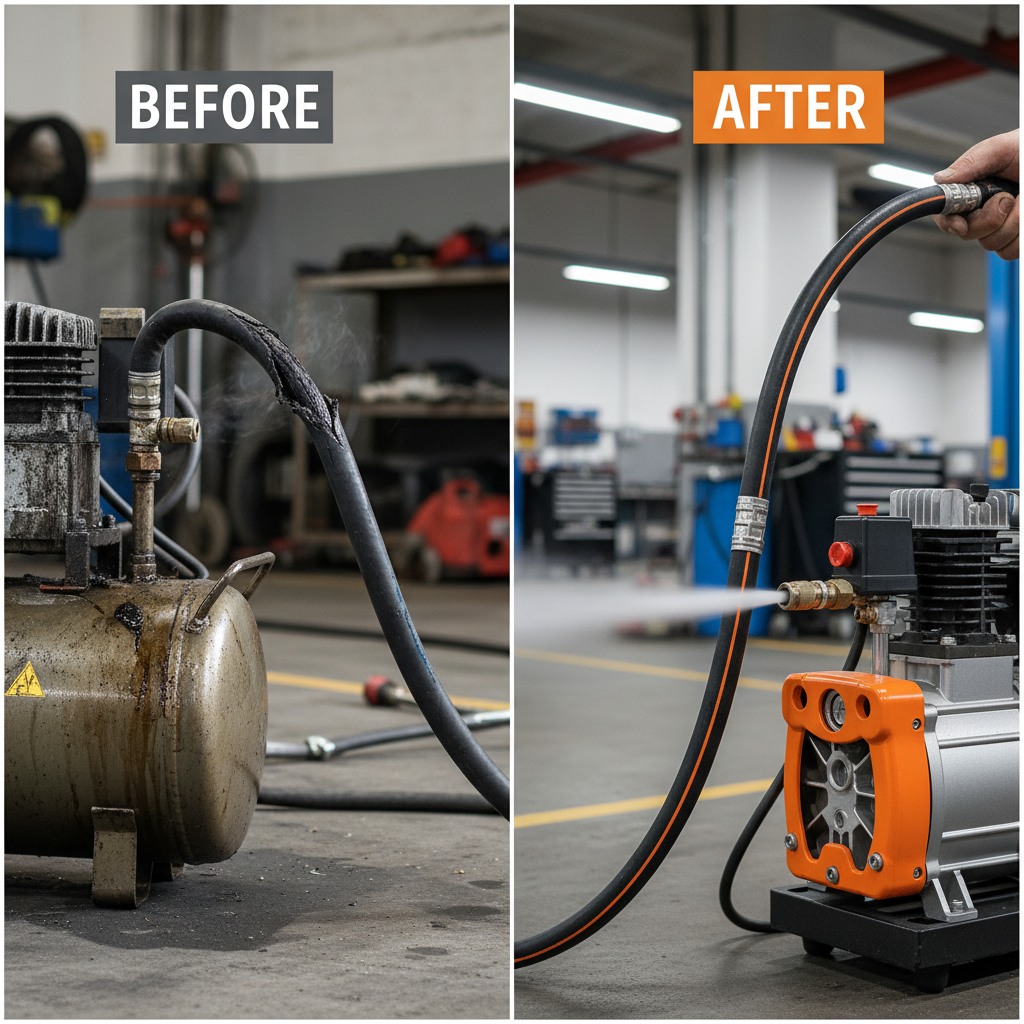
Regular inspection of auto rubber hose is crucial for preventative maintenance. Look for cracks, bulges, leaks, or signs of deterioration. A collapsed hose can restrict fluid flow, leading to engine overheating or other performance issues. Replace hoses proactively, especially if they show any signs of wear. Proper installation is also vital; ensure hoses are securely clamped and routed correctly to avoid chafing or kinking. For quality replacements, check out the selection at PVC Rubber Hose.
The Future of Auto Rubber Hose Technology
The automotive industry is constantly evolving, and so is rubber hose technology. New materials and manufacturing processes are being developed to create hoses that are lighter, more durable, and more resistant to extreme conditions. Multi-layer construction with advanced polymers is becoming increasingly common. Smart hoses, incorporating sensors to monitor fluid flow and pressure, are also on the horizon. Staying informed about these advancements is key to providing optimal performance and reliability.
Conclusion: Ensuring Automotive System Health with Quality Rubber Hoses
Investing in high-quality auto rubber hoses from a reputable supplier like PVC Rubber Hose is a crucial aspect of vehicle maintenance. By understanding the different types, materials, and inspection procedures, you can ensure optimal performance, prevent costly repairs, and extend the lifespan of your vehicle. Don't compromise on quality – choose the right hose for the job.
Frequently Asked Questions (FAQs)
What is the difference between EPDM and Silicone rubber hoses?
While both EPDM and Silicone are excellent choices for automotive applications, they differ in their performance characteristics. EPDM offers superior resistance to weathering, ozone, and aging, making it ideal for external cooling system hoses. Silicone, on the other hand, boasts higher temperature resistance and remains flexible even in extreme conditions. It’s often used in performance applications where high heat is a concern. Silicone hoses are generally more expensive than EPDM. Choosing between the two depends on the specific application and operating environment.
How often should I replace my auto rubber hoses?
A general guideline is to replace auto rubber hoses every 4-5 years or 60,000 miles, even if they appear to be in good condition. However, this can vary depending on factors like climate, driving conditions, and the quality of the hoses. Regular visual inspections are crucial. If you notice any cracks, swelling, leaks, or softness, replace the hose immediately. Proactive replacement is always a safer option than waiting for a failure.
What causes auto rubber hoses to fail?
Several factors contribute to hose failure. Heat, ozone exposure, and contact with oil or chemicals can degrade the rubber over time. Constant pressure fluctuations and vibrations also stress the hoses. Improper installation, such as over-tightening clamps or routing the hose against sharp edges, can lead to premature failure. Regular inspections and preventative maintenance can help identify and address these issues before they cause problems.
Can I use universal fit rubber hoses?
While universal fit hoses may seem convenient, it’s generally not recommended. They may not meet the specific pressure, temperature, or fluid compatibility requirements of your vehicle's original equipment. Using the wrong hose can lead to leaks, failures, and potential damage to other components. Always opt for hoses specifically designed for your vehicle’s make and model, available at a trusted supplier like PVC Rubber Hose.
Z-Smartflex delivers superior-quality industrial hoses and fittings with global reliability, offering you durable solutions and exceptional service for all your fluid transfer needs.