Choosing the Right Agricultural Hose: A Comprehensive Guide
When it comes to efficient irrigation and fluid transfer on the farm, the right agricultural hose is crucial. Selecting a hose that is durable, flexible, and suited to your specific needs can significantly impact productivity and reduce operational costs. This article will explore the different types of agricultural hoses, their applications, and key considerations for making the best choice for your agricultural operations. A reliable hose ensures smooth operations and minimizes downtime. We’ll explore factors like material, pressure resistance, and size to help you make an informed decision.
Understanding Different Types of Agricultural Hoses
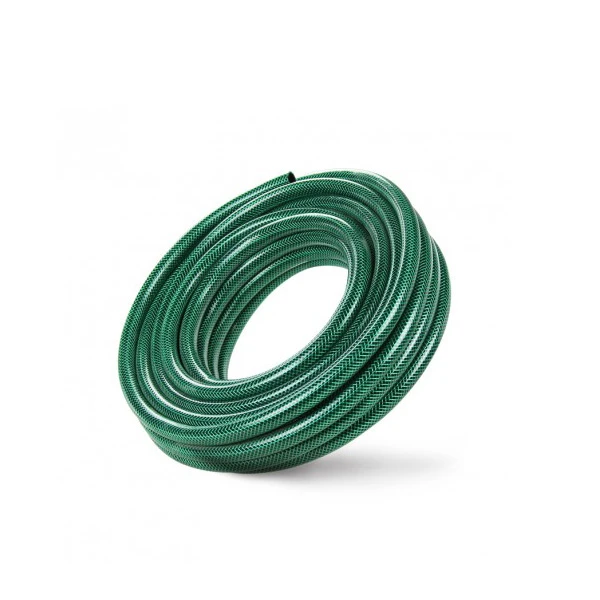
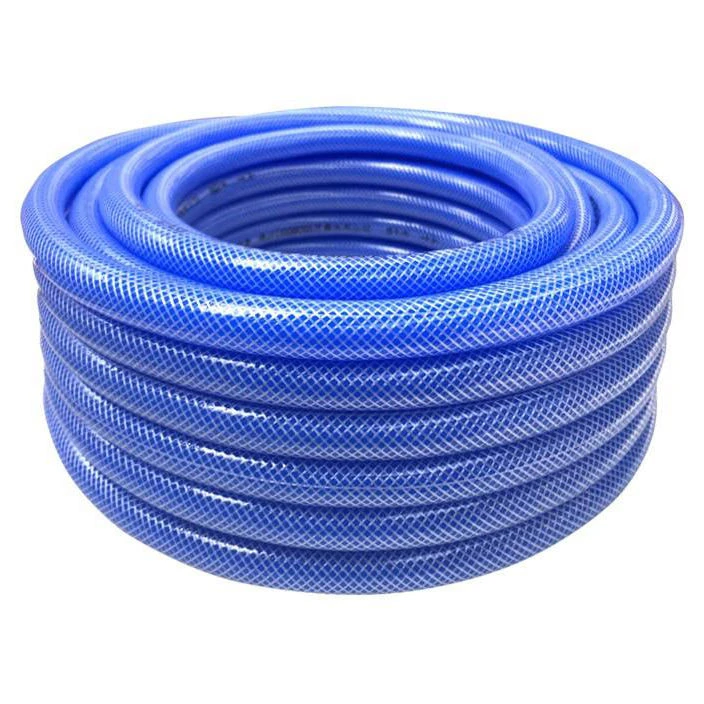
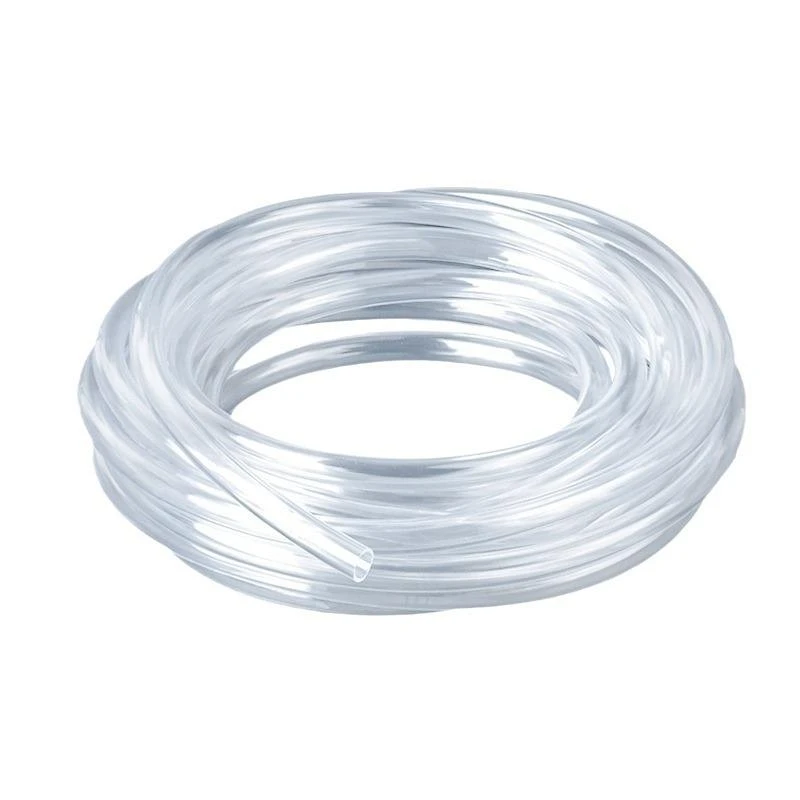
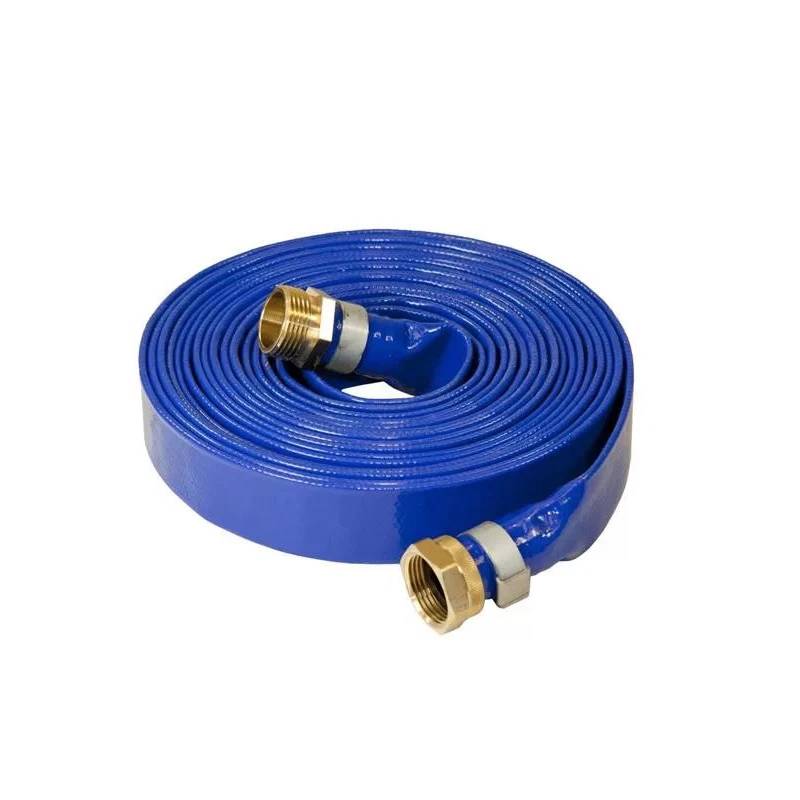
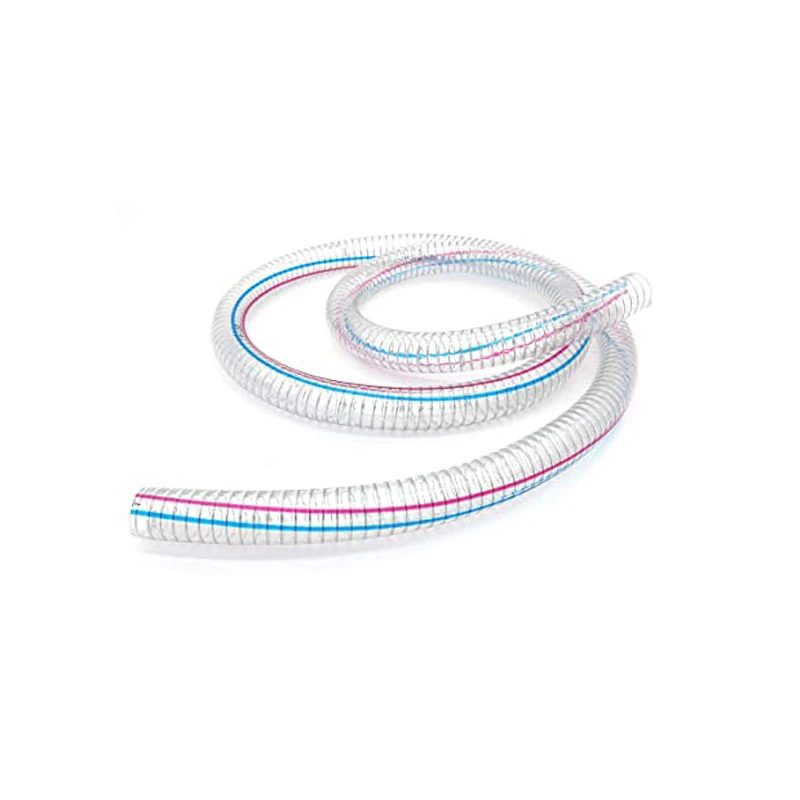
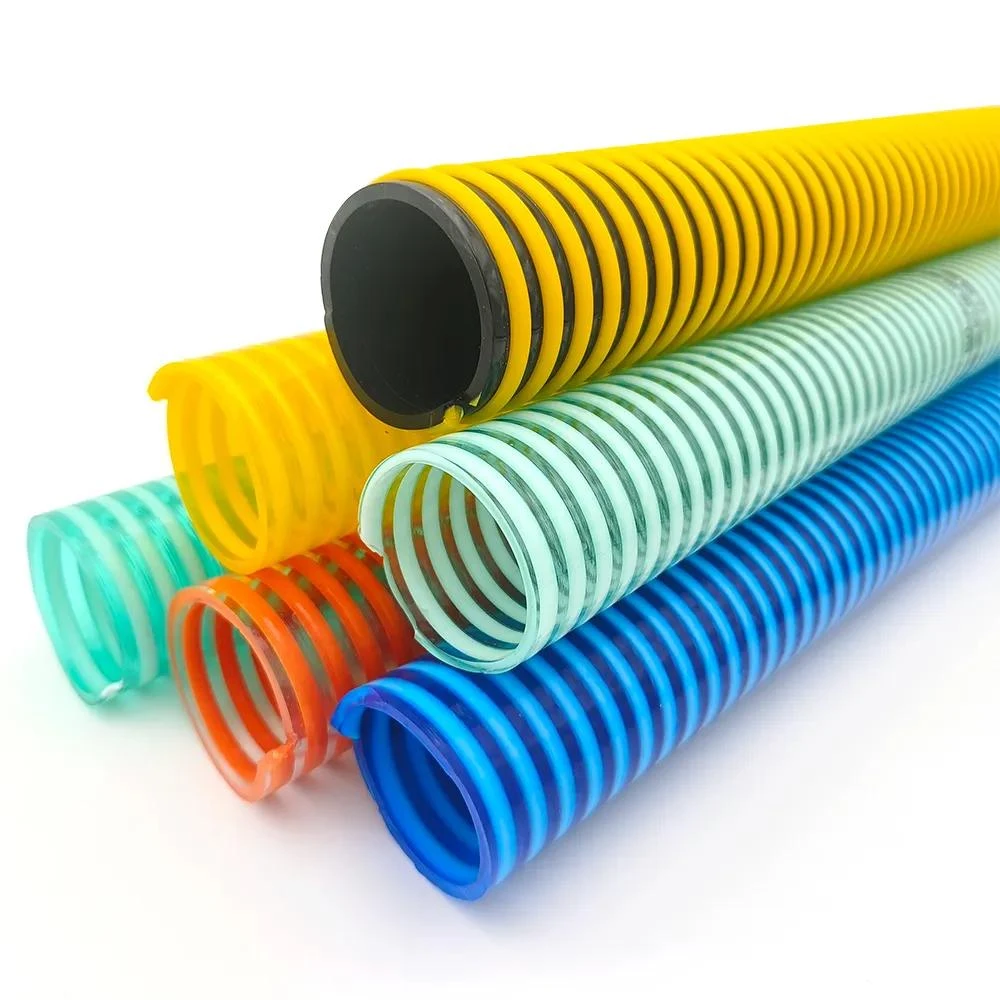
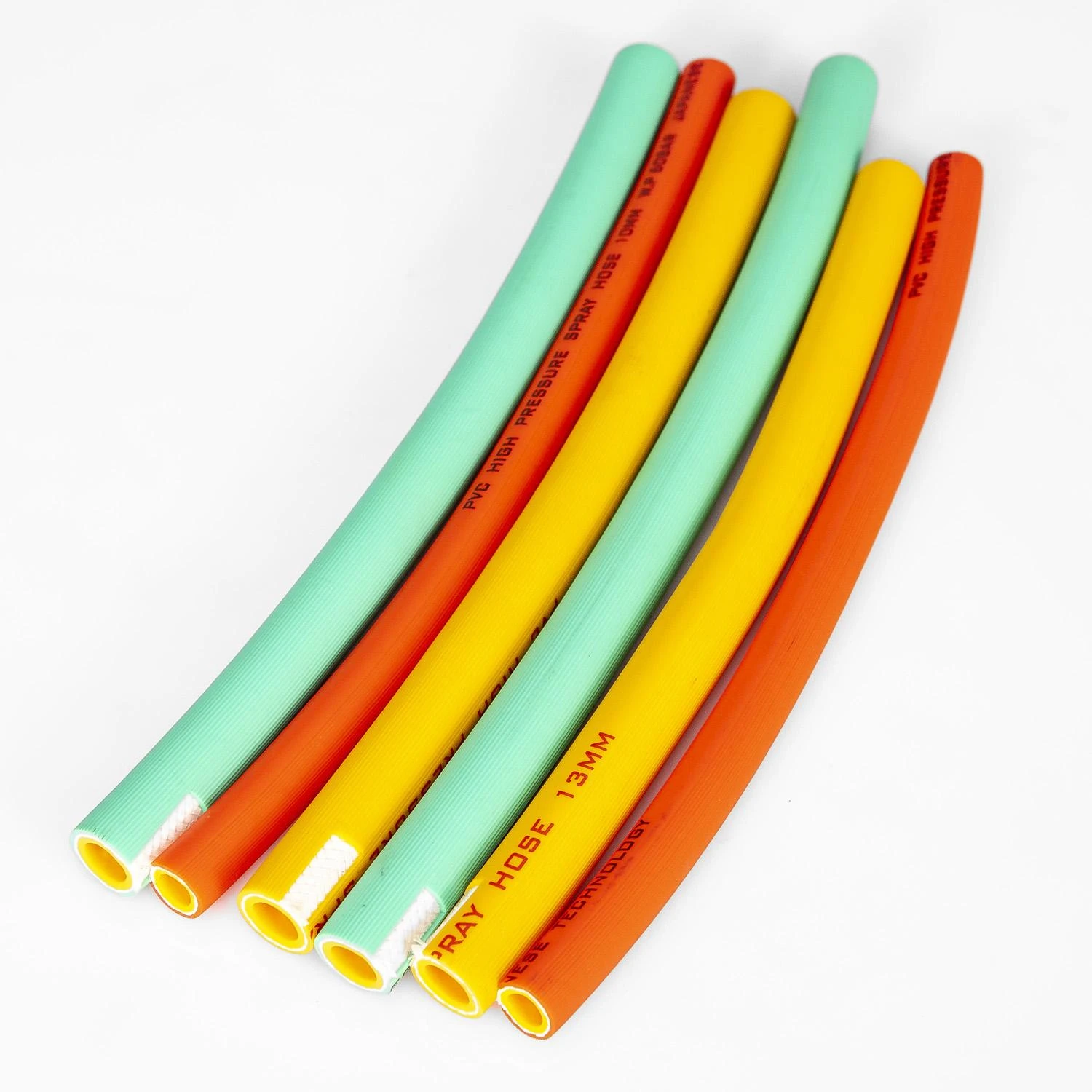
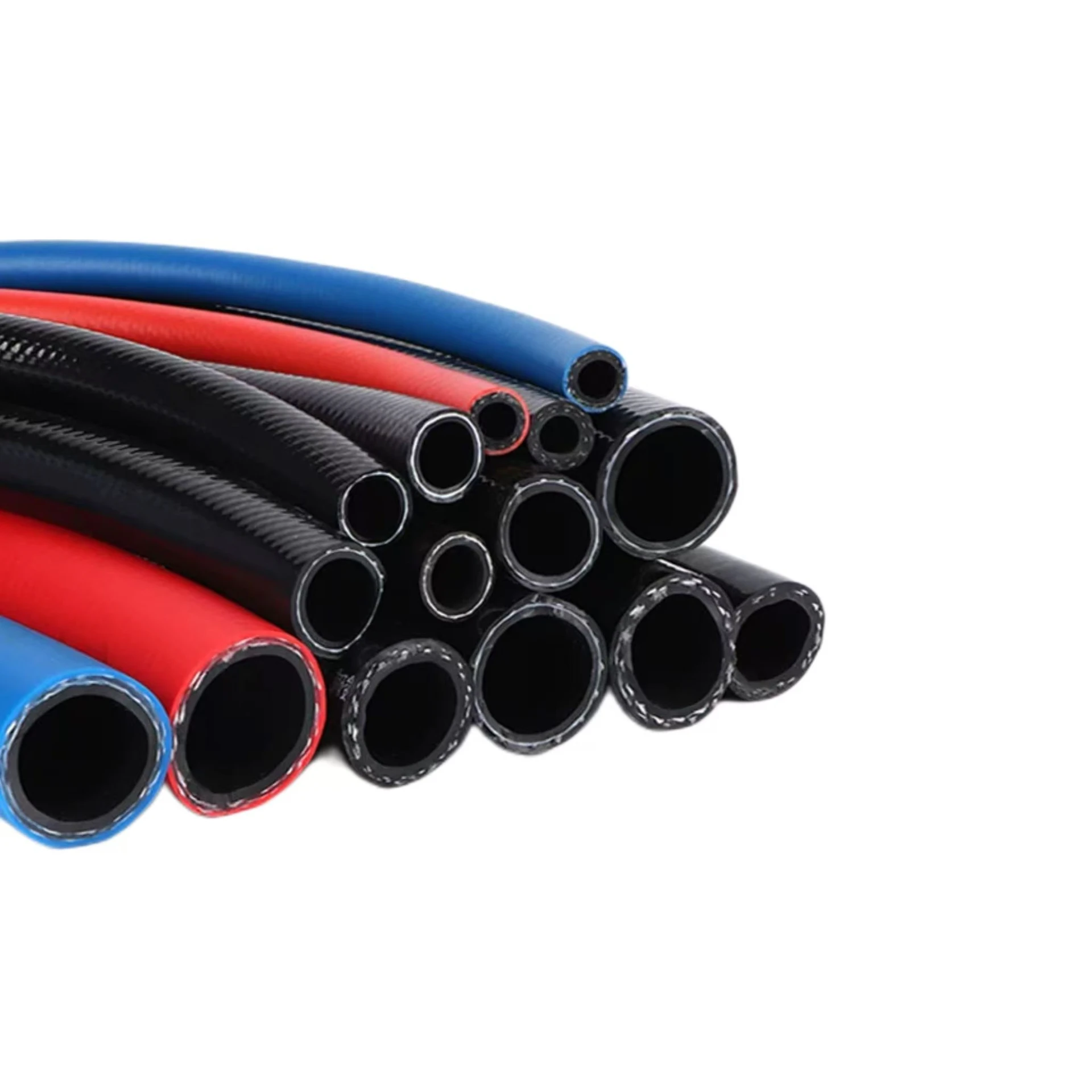
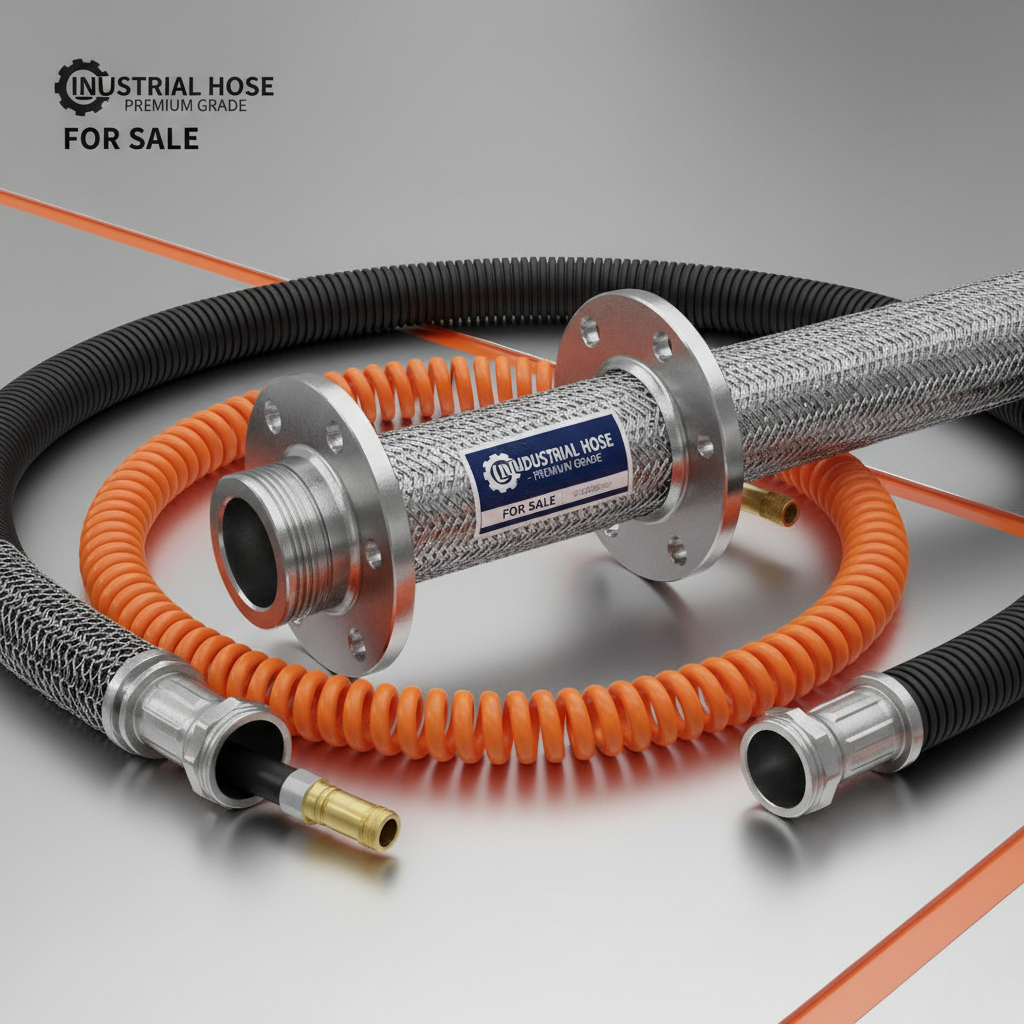
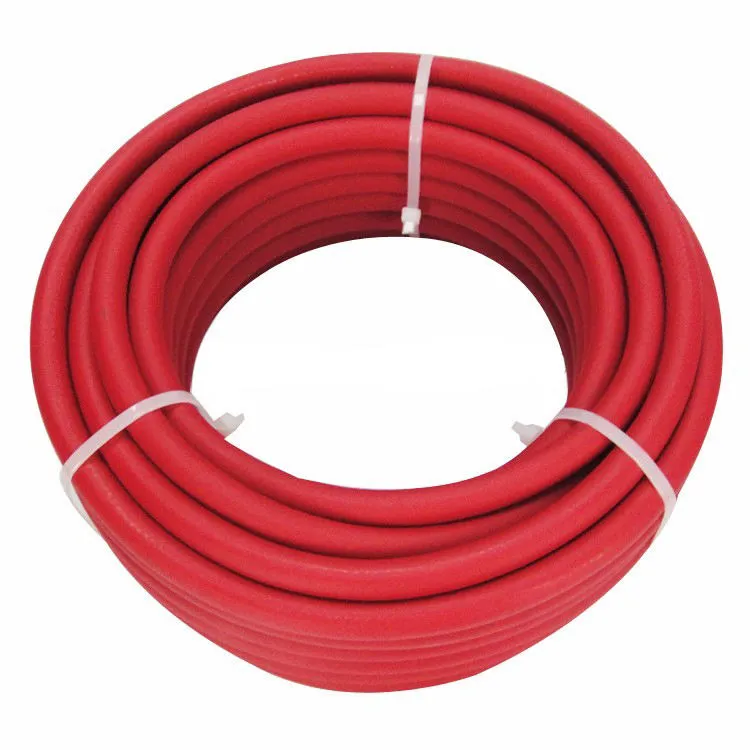
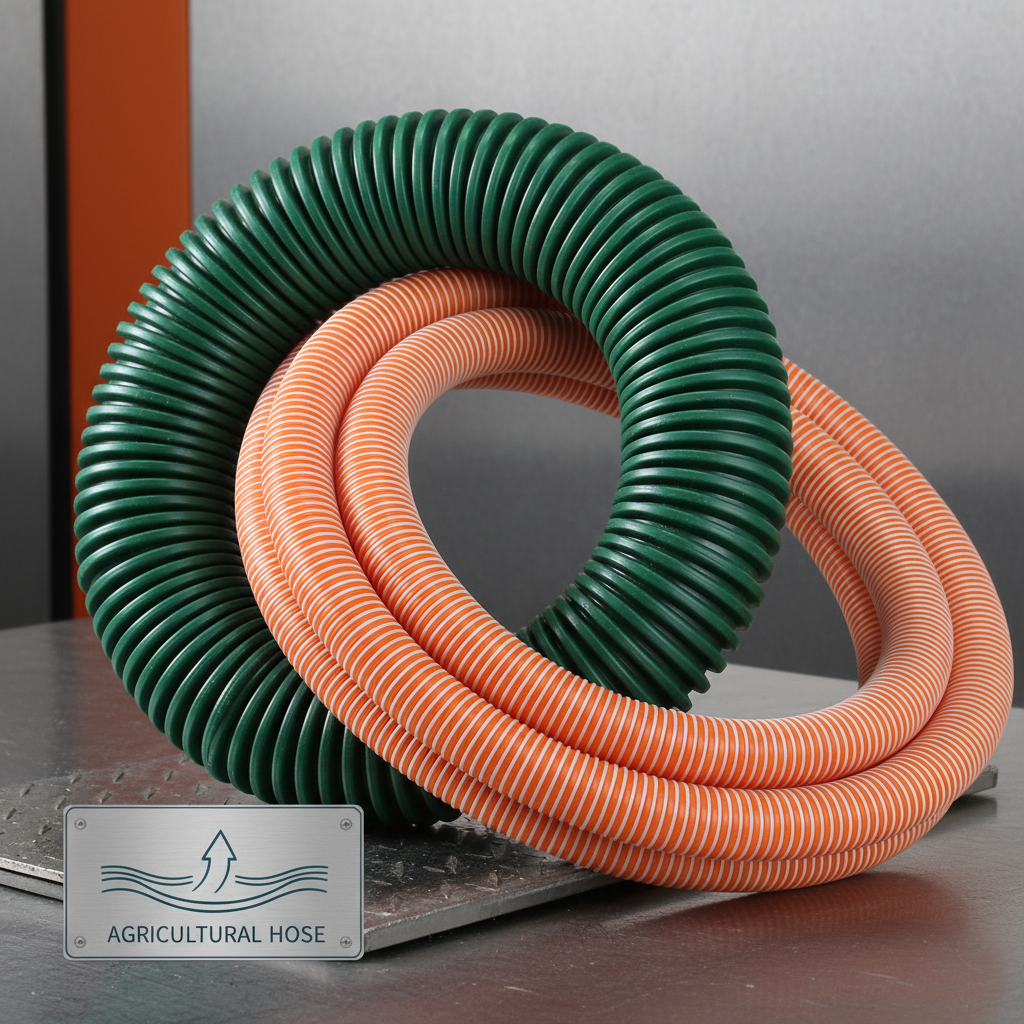
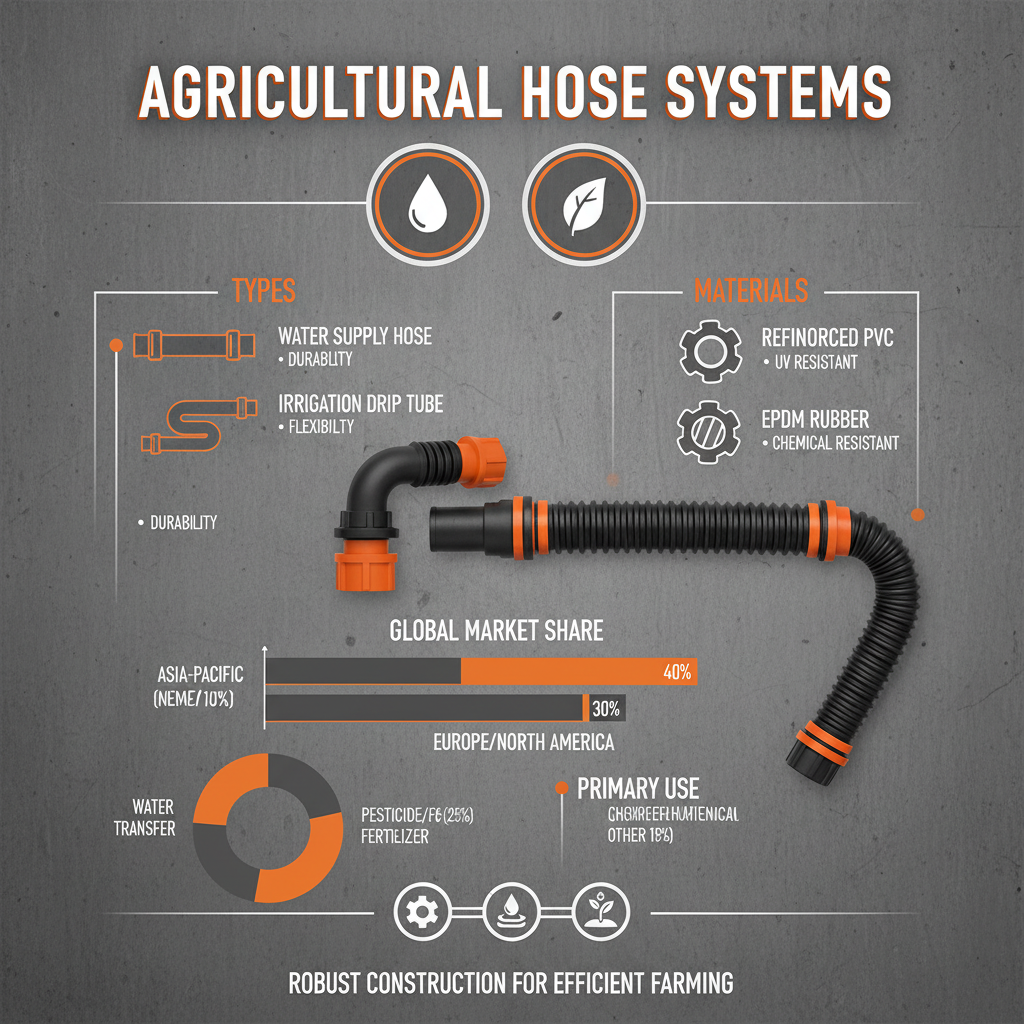
Agricultural hoses come in various materials and constructions, each designed for specific applications. PVC hoses are popular for general irrigation due to their affordability and flexibility. Rubber hoses are known for their durability and resistance to abrasion, making them ideal for heavy-duty applications like transferring fertilizers and pesticides. Polyurethane hoses offer excellent chemical resistance and are often used in specialized applications. Layflat hoses, also known as irrigation hoses, are lightweight and easy to deploy over long distances, making them perfect for field irrigation. Choosing the right type depends on the fluid being transferred, the operating pressure, and the environmental conditions.
Key Takeaway: The best agricultural hose is one that balances durability, flexibility, and cost-effectiveness for your specific operational needs.
Agricultural Hose Materials: PVC vs. Rubber vs. Polyurethane
The material of your agricultural hose significantly impacts its performance and longevity. PVC hoses are cost-effective and suitable for non-abrasive fluids like water. Rubber hoses offer superior abrasion resistance and are ideal for chemicals and fertilizers. Polyurethane hoses provide the highest level of chemical resistance and are often used for transferring harsh substances. Consider the types of fluids you'll be handling and the potential for abrasion when choosing a material.
Material Comparison:
• PVC: Cost-effective, flexible, suitable for water.
• Rubber: Durable, abrasion-resistant, ideal for chemicals.
• Polyurethane: Highest chemical resistance, for harsh substances.
Choosing the Right Pressure Rating for Your Agricultural Hose
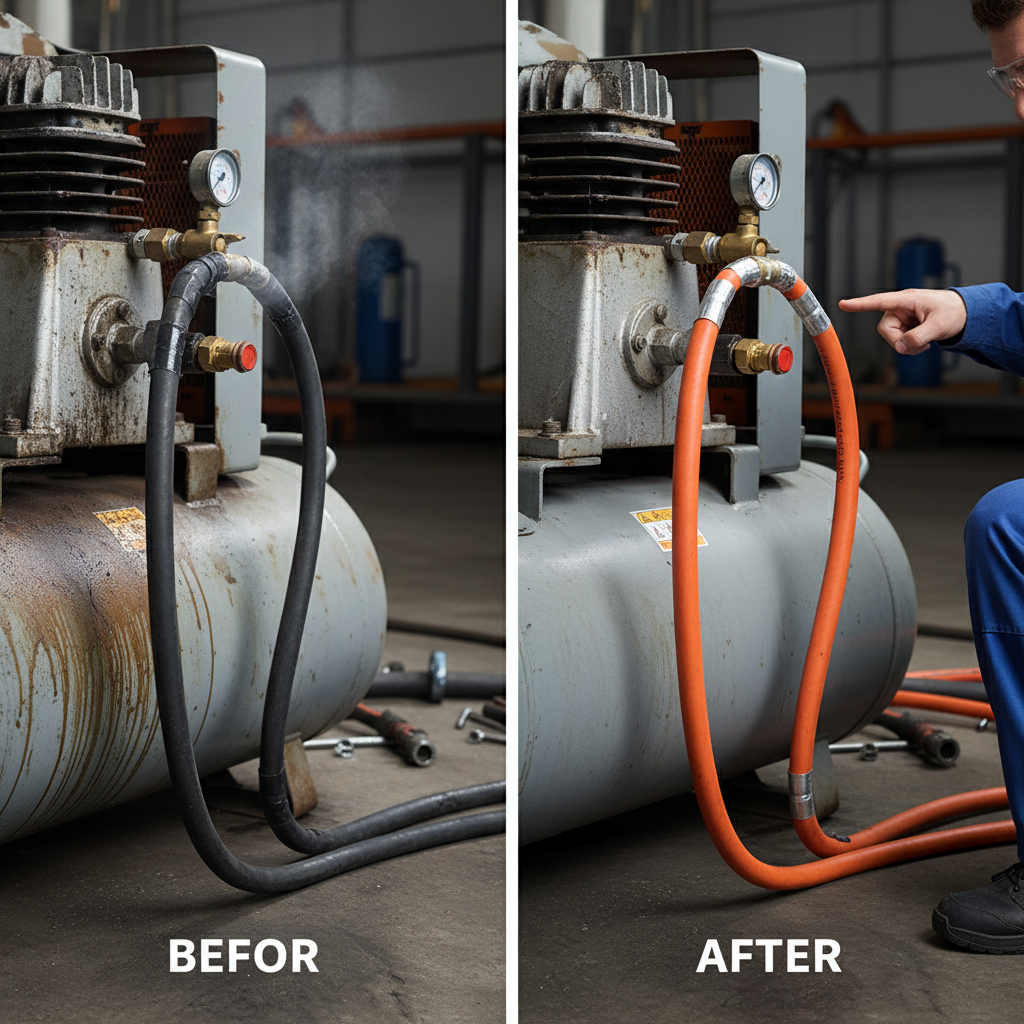
Pressure rating is a critical factor to consider when selecting an agricultural hose. The hose must be able to withstand the maximum pressure of the system it will be used in. Using a hose with an inadequate pressure rating can lead to bursts and leaks, causing damage and disrupting operations. Always check the pressure rating of both the hose and the system, and choose a hose with a rating that exceeds the system’s maximum pressure.
Diameter and Length Considerations for Agricultural Hoses
The diameter and length of your agricultural hose impact flow rate and pressure. A larger diameter hose will deliver a higher flow rate, while a longer hose will result in a pressure drop. Calculate your flow rate requirements and account for the hose length to ensure optimal performance. Consider using multiple shorter hoses instead of a single long hose to minimize pressure loss. Also, ensure that the hose diameter is compatible with your irrigation system’s fittings and nozzles.
Proper Storage and Maintenance of Agricultural Hoses
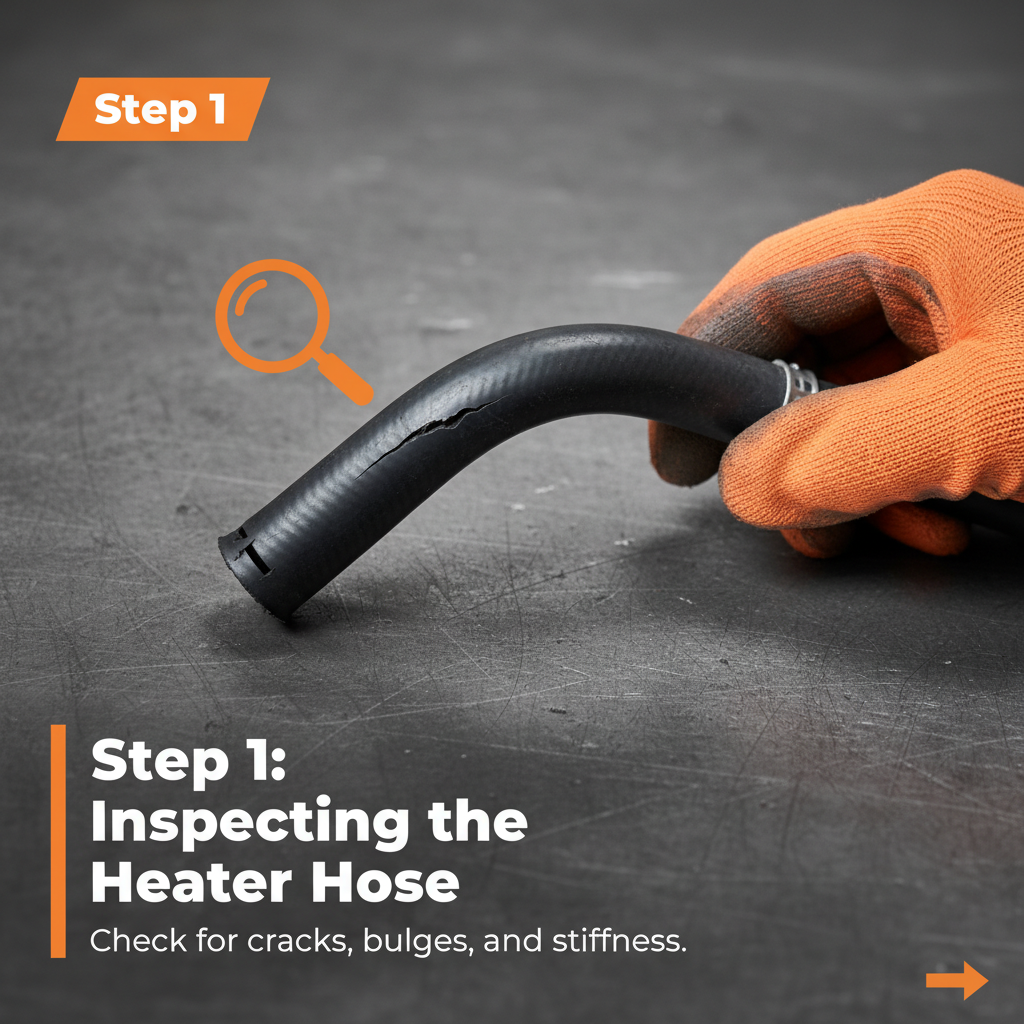
To extend the life of your agricultural hoses, proper storage and maintenance are essential. After each use, drain the hose completely and coil it loosely to avoid kinks and damage. Store the hose in a cool, dry place away from direct sunlight and extreme temperatures. Regularly inspect the hose for cracks, leaks, or other signs of wear. Replace damaged hoses immediately to prevent costly failures and disruptions to your operations. Cleaning the hose periodically with mild soap and water will also help maintain its integrity.
Conclusion: Investing in Quality Agricultural Hoses
Choosing the right agricultural hose is a vital investment for any farming operation. By carefully considering the factors outlined in this guide – material, pressure rating, diameter, length, and proper maintenance – you can ensure reliable performance, minimize downtime, and maximize your agricultural productivity. Don't compromise on quality – choose a hose that meets your specific needs and provides long-lasting value.
Frequently Asked Questions (FAQs)
What is the best way to prevent kinks in an agricultural hose?
To prevent kinks, always coil the hose loosely after use, avoiding tight bends. Store the hose on a reel or hanger designed for hose storage. Avoid stepping on or driving over the hose. When connecting the hose to irrigation systems or pumps, ensure there's enough slack to allow for movement without creating tension. Using a hose protector or guide can also help prevent kinks at sharp turns.
How often should I replace my agricultural hose?
The replacement frequency depends on the hose’s material, usage, and exposure to environmental factors. Generally, PVC hoses should be replaced every 3-5 years, while rubber and polyurethane hoses may last longer with proper care. Regularly inspect the hose for cracks, bulges, or leaks. If any damage is detected, replace the hose immediately to avoid failures and potential hazards.
What is the difference between layflat and standard agricultural hoses?
Layflat hoses are lightweight and easily rolled up for transport and storage, making them ideal for large-scale irrigation. They are typically made of PVC or rubber and are suitable for low to medium pressure applications. Standard agricultural hoses are generally heavier and more durable, offering higher pressure ratings and better abrasion resistance. They are typically used for more demanding applications like transferring fertilizers or pesticides.
Can I use a standard garden hose for agricultural purposes?
While it might seem tempting, using a standard garden hose for agricultural purposes is generally not recommended. Garden hoses are typically not designed to withstand the pressures and chemicals commonly used in agricultural applications. They are more prone to bursting, leaking, and degrading when exposed to fertilizers, pesticides, or harsh weather conditions. Investing in a dedicated agricultural hose is essential for safety, reliability, and long-term cost savings.
Z-Smartflex delivers superior-quality industrial hoses and fittings with global reliability, offering you durable solutions and exceptional service for all your fluid transfer needs.