Automotive Duct Hose: A Comprehensive Guide
In the automotive industry, the efficiency and reliability of ventilation and air conditioning systems are paramount. Automotive duct hose plays a crucial role in these systems, ensuring optimal airflow and temperature control. This article will provide an in-depth look at automotive duct hose, covering its types, applications, materials, and key considerations for selecting the right hose for specific needs. Understanding the nuances of these hoses can significantly enhance vehicle performance and passenger comfort.
What is Automotive Duct Hose?
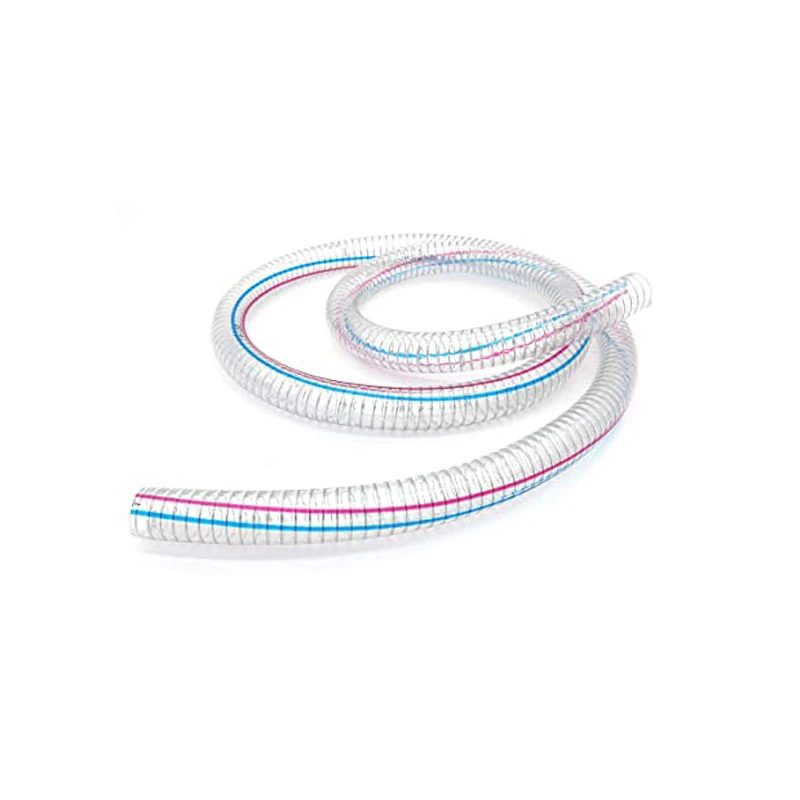
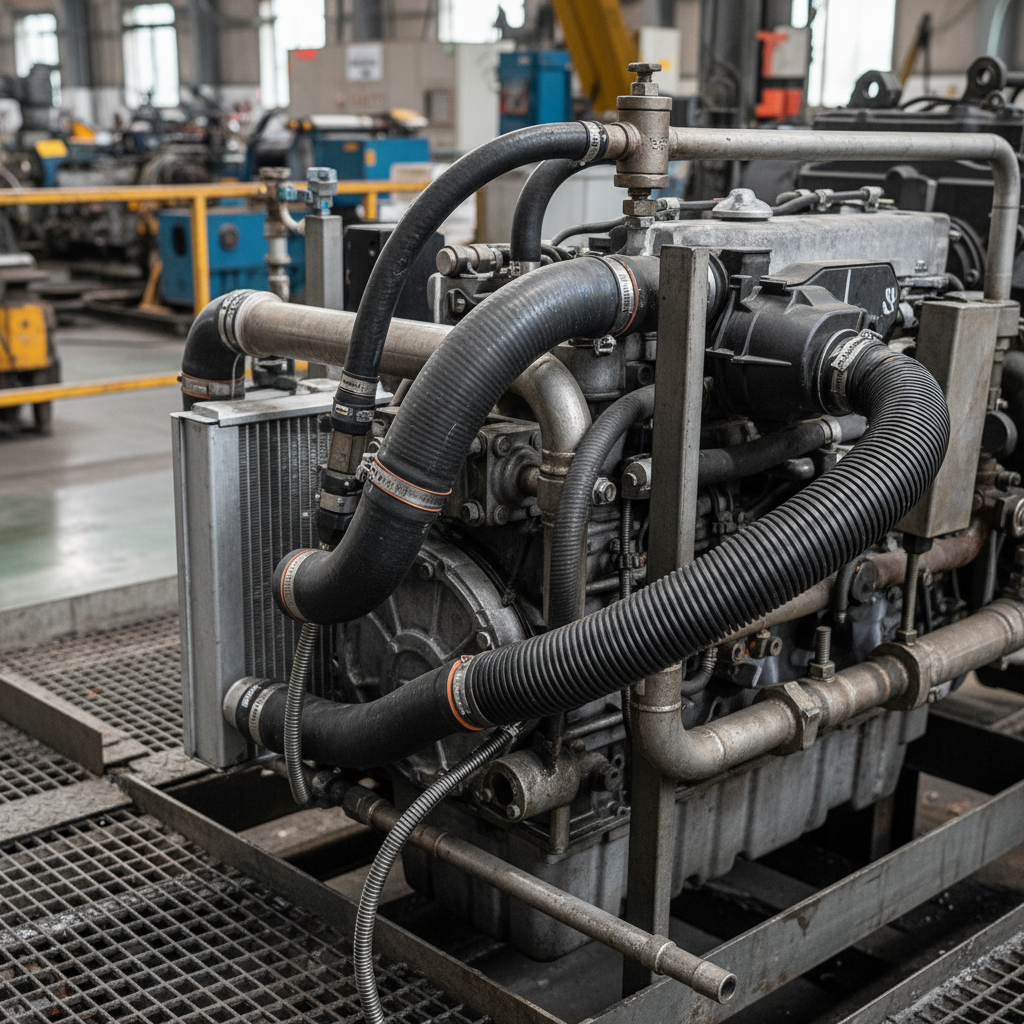
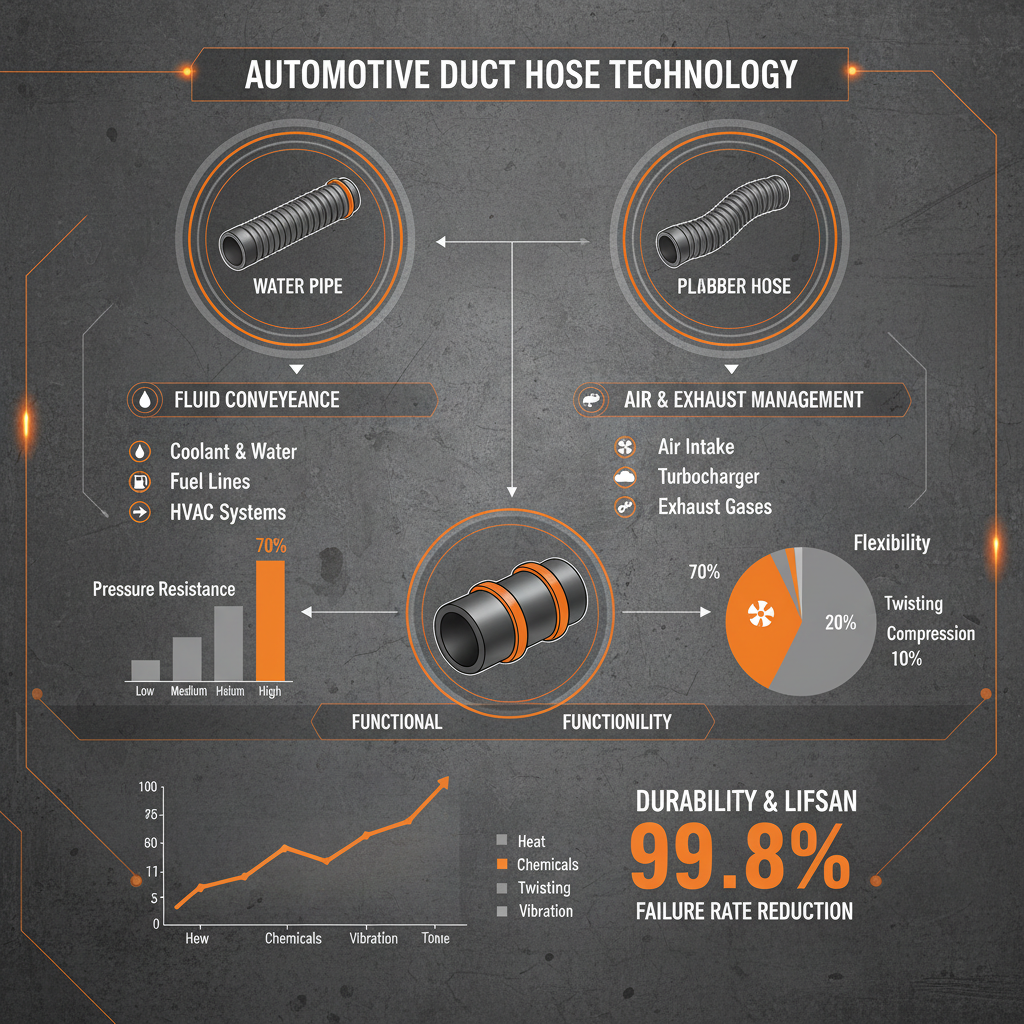
Automotive duct hose is a flexible conduit designed to transport air within a vehicle’s ventilation, heating, and air conditioning (HVAC) systems. It connects various components, including the blower motor, heater core, evaporator, and air vents, ensuring a consistent and efficient flow of air. These hoses need to withstand varying temperatures, pressures, and exposure to automotive fluids. They must also maintain flexibility to navigate the complex layout of a vehicle's interior. The choice of material and construction directly affects the hose's performance and longevity.
Key Characteristics: High flexibility, temperature resistance, resistance to cracking and kinking, and compatibility with automotive fluids.
Types of Automotive Duct Hose
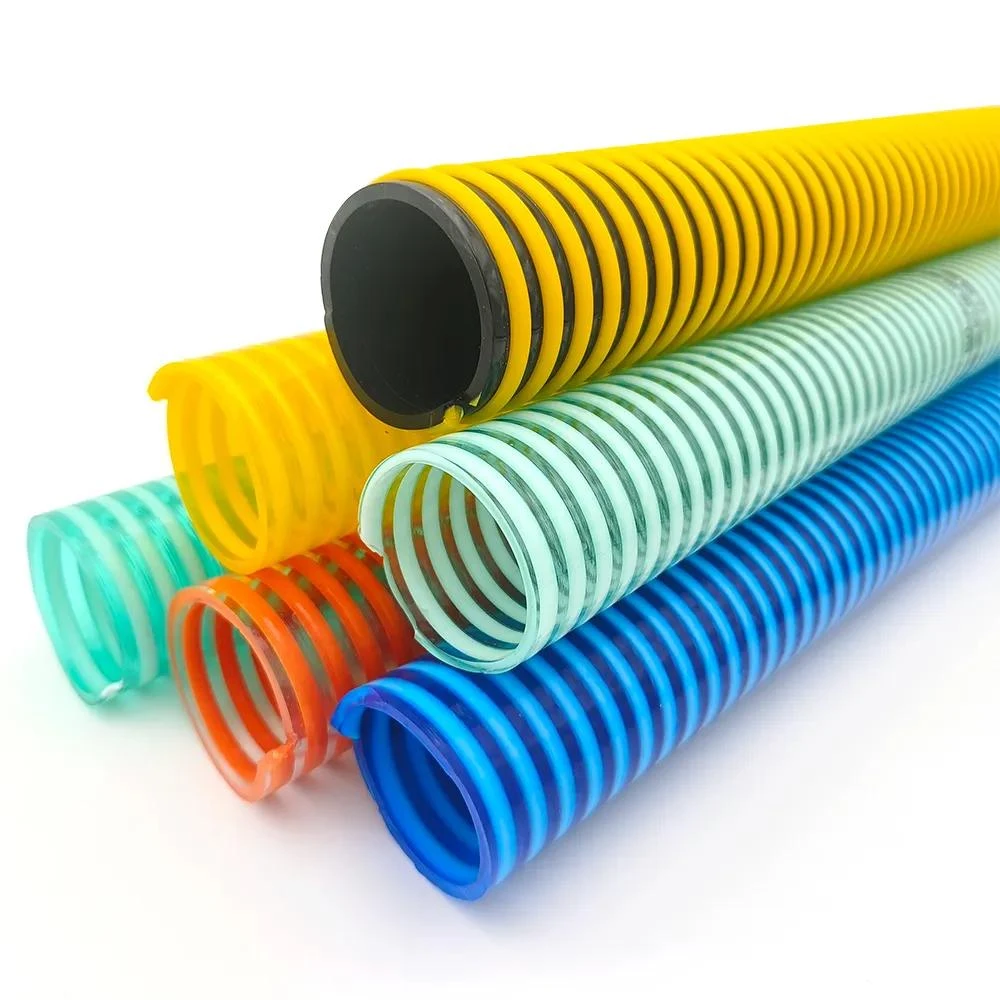
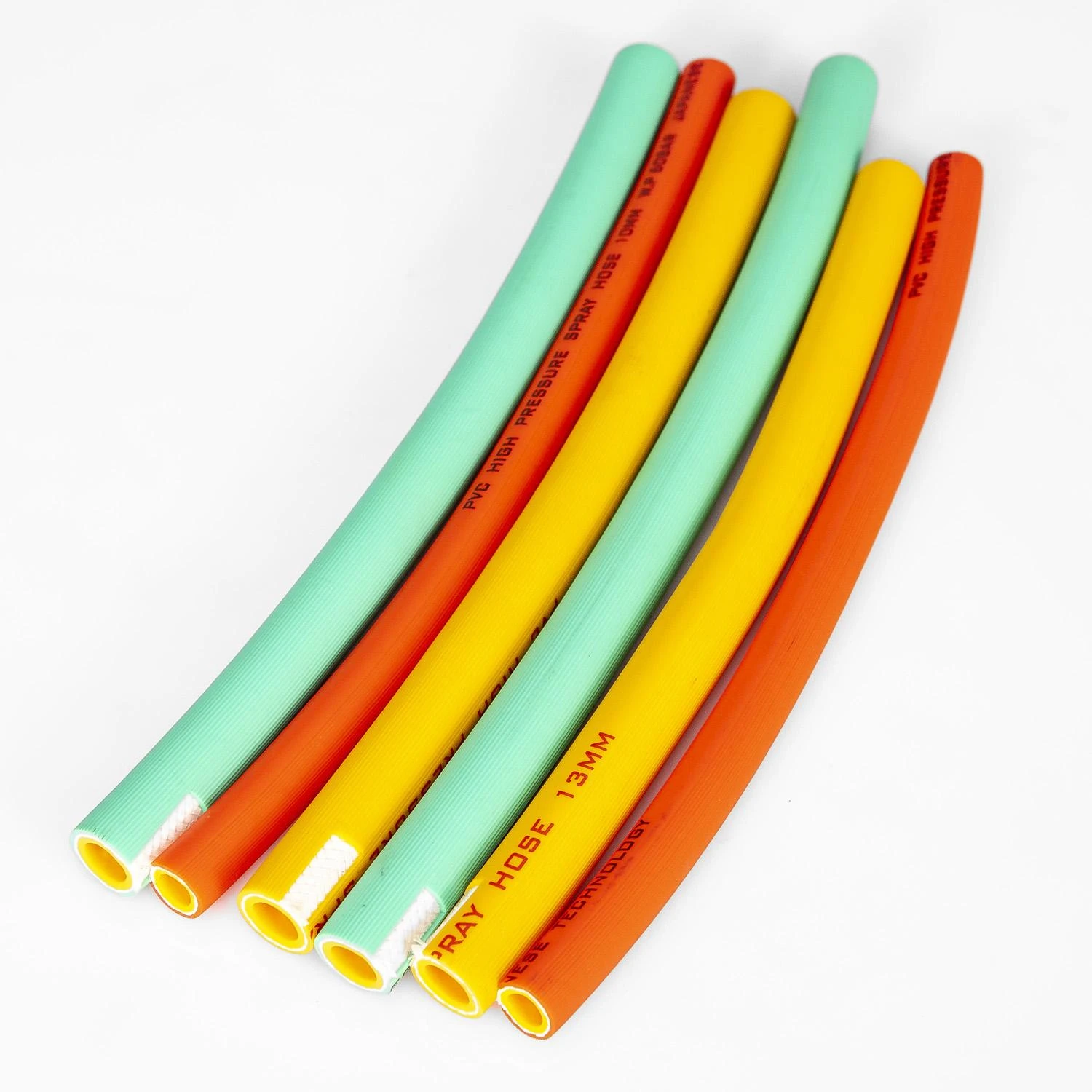
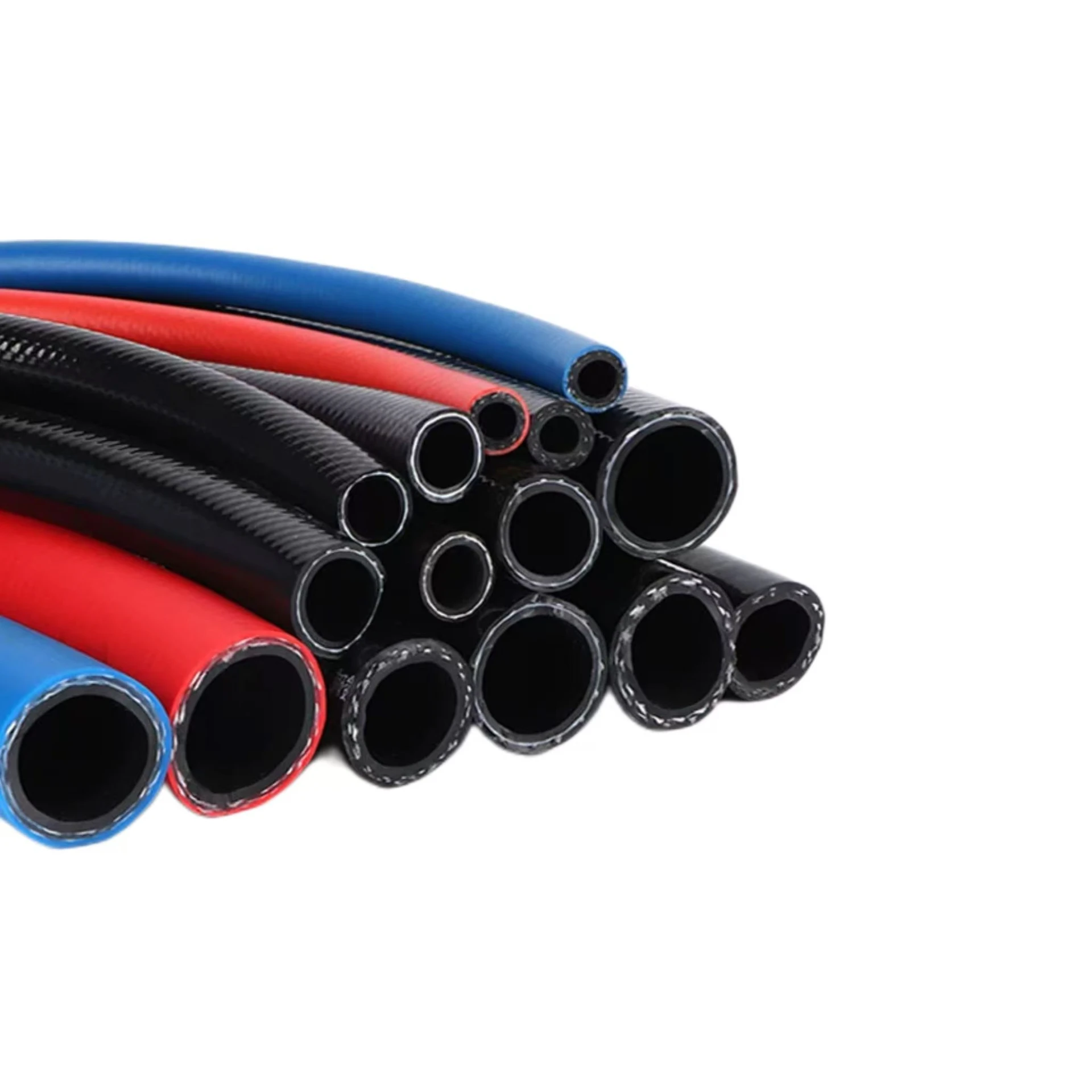
There are several types of automotive duct hose available, each with its specific properties and applications. Common types include:
- Rubber Duct Hose: Offers excellent flexibility and resistance to cracking. Suitable for general-purpose applications.
- PVC Duct Hose: Provides good chemical resistance and is more cost-effective than rubber.
- EPDM Duct Hose: Offers superior heat and weather resistance, making it ideal for high-temperature applications.
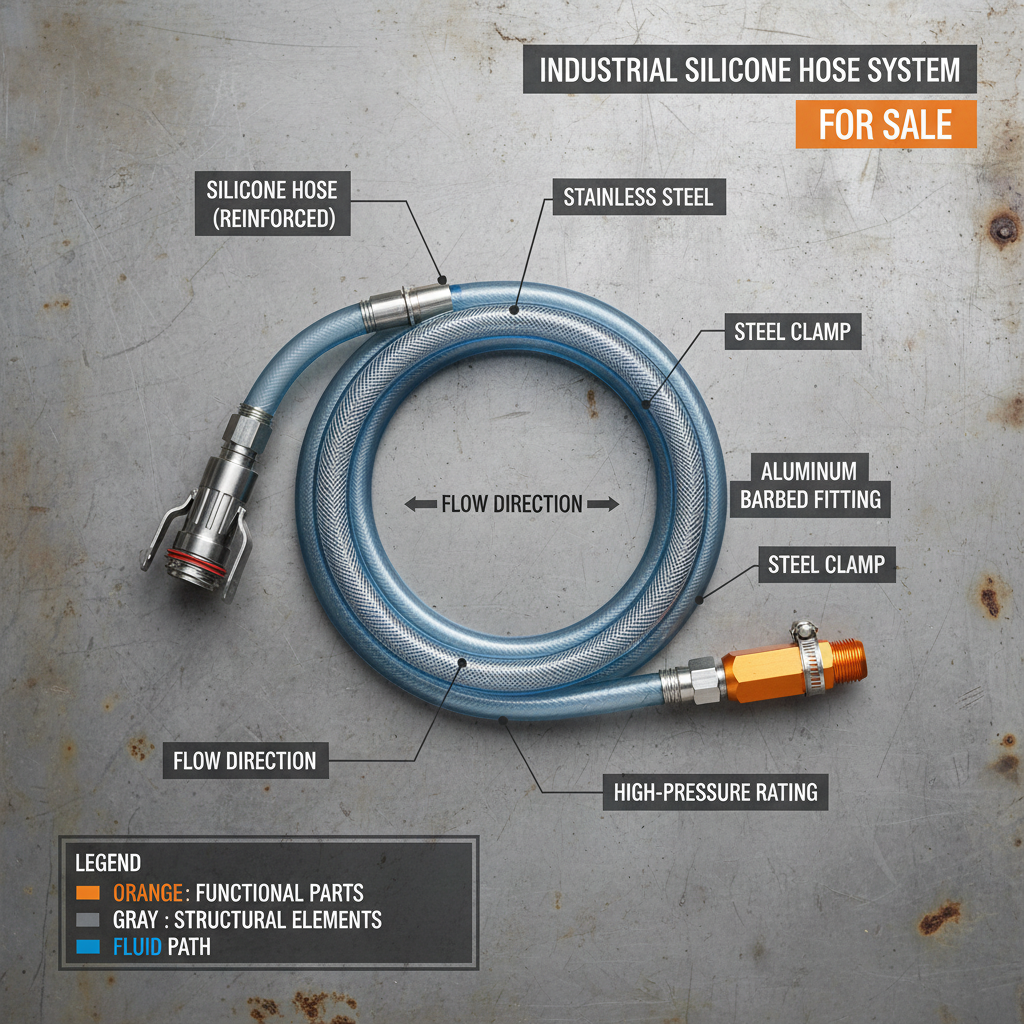
- Reinforced Duct Hose: Incorporates a reinforcing layer (e.g., steel wire or fabric mesh) to enhance strength and prevent collapse under vacuum or pressure.
Material Comparison:
• Rubber: Excellent flexibility, moderate temperature resistance.
• PVC: Good chemical resistance, cost-effective.
• EPDM: Superior heat and weather resistance.
• Reinforced: High strength, prevents collapse.
Selecting the Right Automotive Duct Hose
Choosing the correct automotive duct hose is crucial for maintaining the performance and longevity of a vehicle’s HVAC system. Factors to consider include:
- Temperature Range: Select a hose that can withstand the operating temperatures of the specific application.
- Pressure Requirements: Ensure the hose can handle the pressures generated by the blower motor and system components.
- Fluid Compatibility: Choose a material that is resistant to automotive fluids such as coolant, oil, and refrigerant.
- Flexibility: Consider the routing complexity and select a hose with adequate flexibility.
- Reinforcement: If the application requires high strength or resistance to collapse, opt for a reinforced hose.
Benefits of Using High-Quality Automotive Duct Hose
Investing in high-quality automotive duct hose from a reputable supplier like PVC Rubber Hose Co., Ltd. offers several benefits, including increased system efficiency, improved passenger comfort, and reduced maintenance costs. Durable hoses are less prone to leaks and failures, minimizing the need for frequent replacements. Properly functioning HVAC systems also contribute to better fuel economy by reducing the strain on the engine. Choosing the right hose ensures a long-lasting and reliable solution for automotive ventilation needs.
Maintenance and Inspection
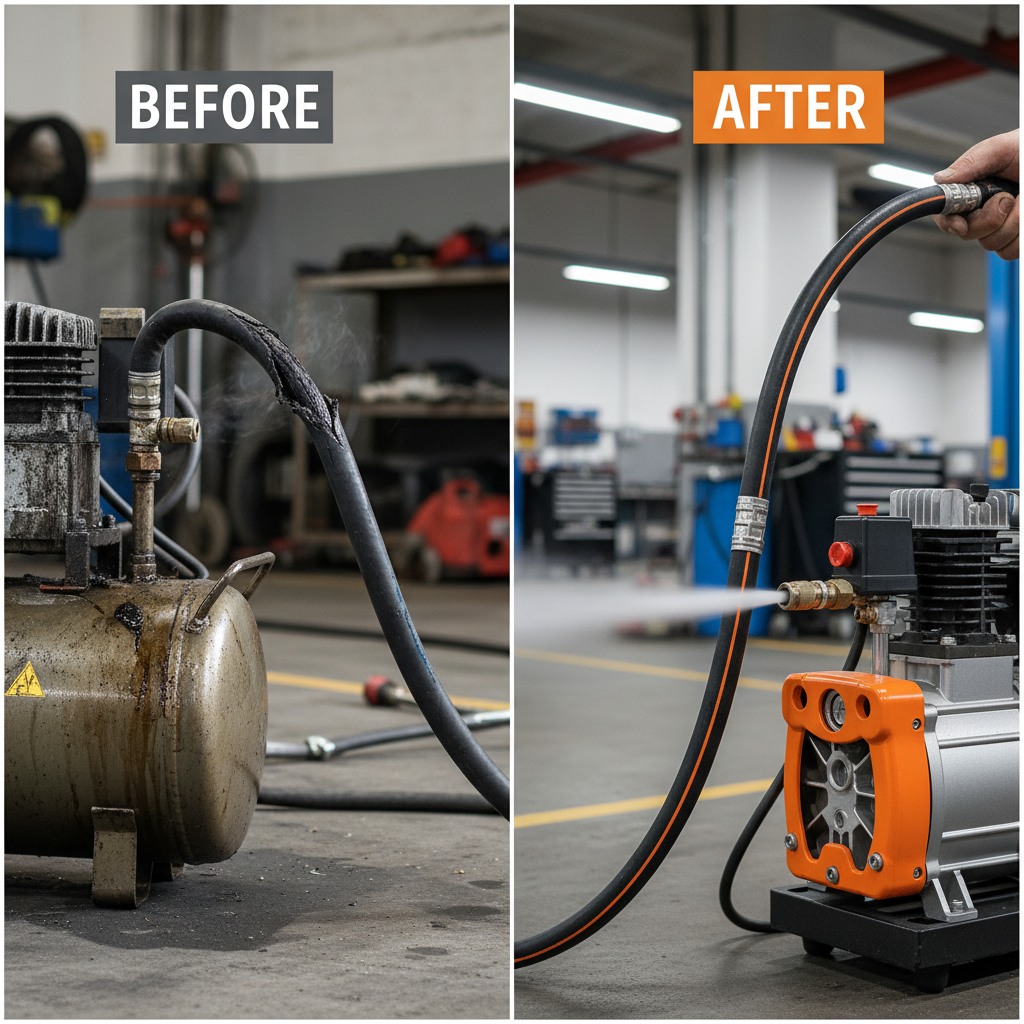
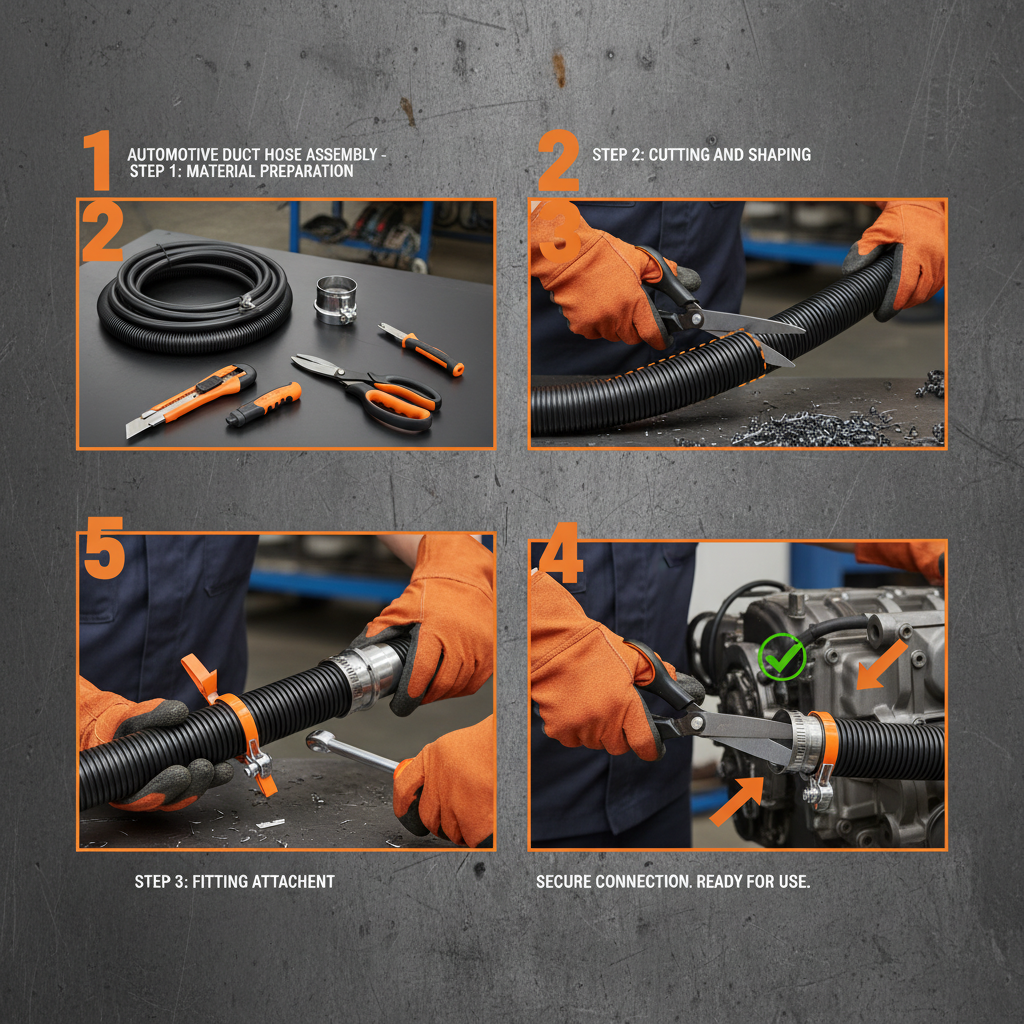
Regular inspection of automotive duct hoses is vital to prevent potential issues. Check for cracks, leaks, kinks, or signs of deterioration. Replace any damaged hoses immediately to avoid compromising system performance. When replacing hoses, ensure they are properly secured with clamps and that connections are airtight. Preventive maintenance extends the life of the HVAC system and ensures optimal comfort and safety.
Conclusion: Maintaining Optimal Performance with Quality Duct Hose
Choosing the right automotive duct hose is a critical component of a well-maintained vehicle. By understanding the different types, considering the specific application requirements, and investing in quality products, you can ensure efficient HVAC performance, passenger comfort, and long-term reliability. Regular inspection and prompt replacement of damaged hoses are also essential for maintaining a safe and comfortable driving experience.
Frequently Asked Questions (FAQs)
What is the expected lifespan of automotive duct hose?
The lifespan of automotive duct hose typically ranges from 5 to 7 years, depending on factors like exposure to extreme temperatures, automotive fluids, and overall driving conditions. Regular inspection for cracks, leaks, and deterioration is crucial. Environmental factors such as ozone and UV radiation can also accelerate the degradation of the hose material. It's generally recommended to replace hoses proactively during routine maintenance to prevent unexpected failures.
Can I repair a leaking automotive duct hose?
While temporary repairs using duct tape might seem like a quick fix, they are not recommended for automotive duct hoses. These repairs are often unreliable and can lead to further issues, such as air leaks and reduced system efficiency. The best course of action is to replace the leaking hose with a new one to ensure optimal performance and safety. Using quality replacement parts is vital for long-term reliability.
What are the signs that an automotive duct hose needs replacing?
Common signs indicating the need for replacement include visible cracks or splits in the hose, leaks of air or coolant, a musty odor coming from the vents (indicating mold growth due to moisture trapped in damaged hoses), reduced airflow, and unusual noises from the HVAC system. If you notice any of these signs, it’s best to have the hose inspected and replaced by a qualified mechanic.
Z-Smartflex delivers superior-quality industrial hoses and fittings with global reliability, offering you durable solutions and exceptional service for all your fluid transfer needs.