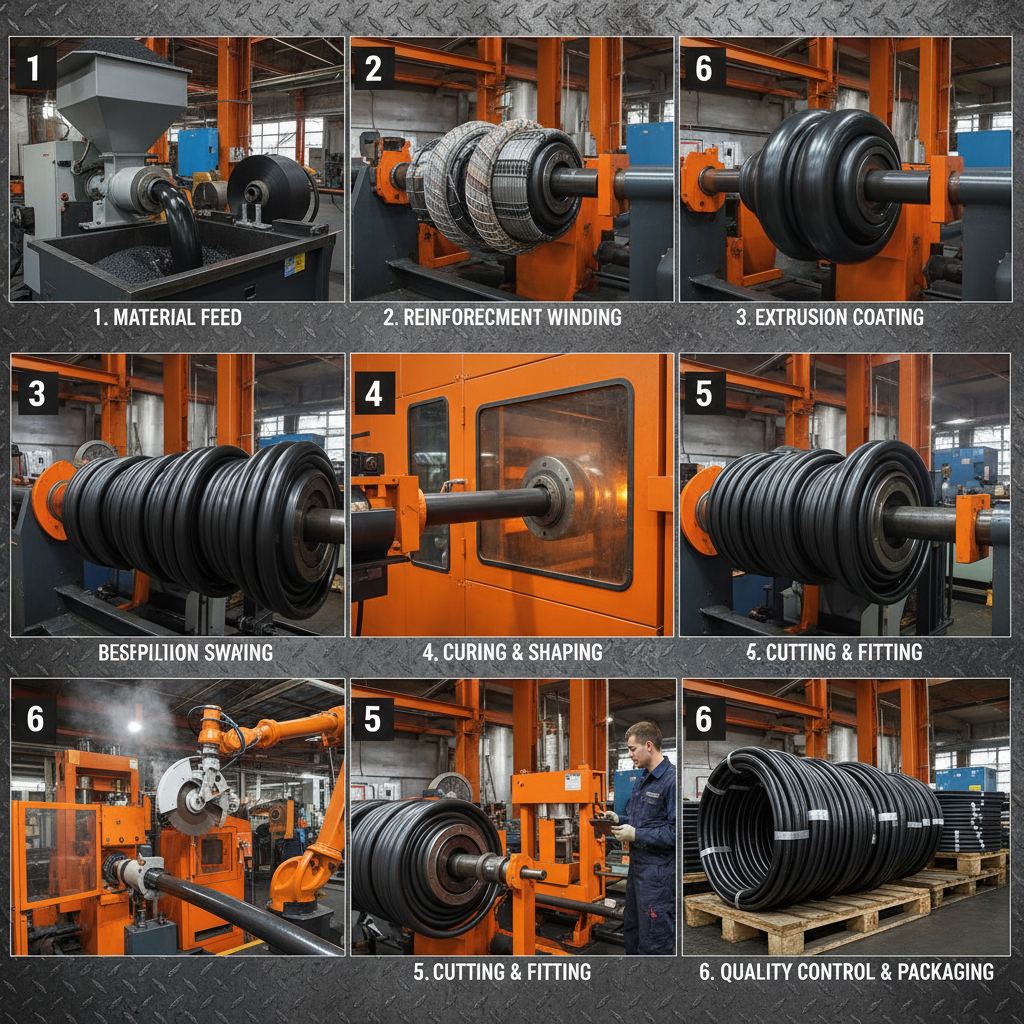
In the demanding landscape of modern construction and industrial mixing, the efficiency of material transport is paramount. The cement feeding rubber hose serves as a critical artery in this process, ensuring that abrasive cement slurries and dry powders are moved from storage silos to mixing units without leakage or premature wear. Understanding the nuances of these hoses is not just about procurement; it is about optimizing the entire production lifecycle of concrete and mortar.
Globally, the push toward rapid urbanization and massive infrastructure projects has placed unprecedented pressure on the reliability of delivery systems. When a feeding line fails, the resulting downtime can cost thousands of dollars per hour in lost productivity and labor. Consequently, selecting a high-performance cement feeding rubber hose that balances flexibility with extreme abrasion resistance has become a strategic priority for site managers and engineers worldwide.
This guide explores the technical specifications, global applications, and the long-term value proposition of utilizing advanced rubber compounds in cement transport. By focusing on the intersection of material science and industrial utility, we aim to provide a comprehensive overview of how the right hose selection can enhance safety, reduce maintenance overhead, and contribute to more sustainable building practices.
Global Industry Context of Cement Feeding Hoses
The global construction market is experiencing a surge, with reports from the World Bank indicating an increased demand for resilient infrastructure in developing economies. Central to this growth is the mass movement of cement, a process that relies heavily on the integrity of the cement feeding rubber hose. In regions like Southeast Asia and Sub-Saharan Africa, where infrastructure is being built from the ground up, the ability to transport abrasive materials efficiently determines the pace of development.
However, the industry faces a recurring challenge: the highly abrasive nature of cement. Traditional piping often suffers from rapid erosion, leading to frequent bursts and environmental contamination. By integrating specialized rubber composites, the industry has shifted toward more flexible and durable solutions that can withstand high-pressure feeding cycles while resisting the "sandpaper effect" of cement particles.
Defining the Cement Feeding Rubber Hose
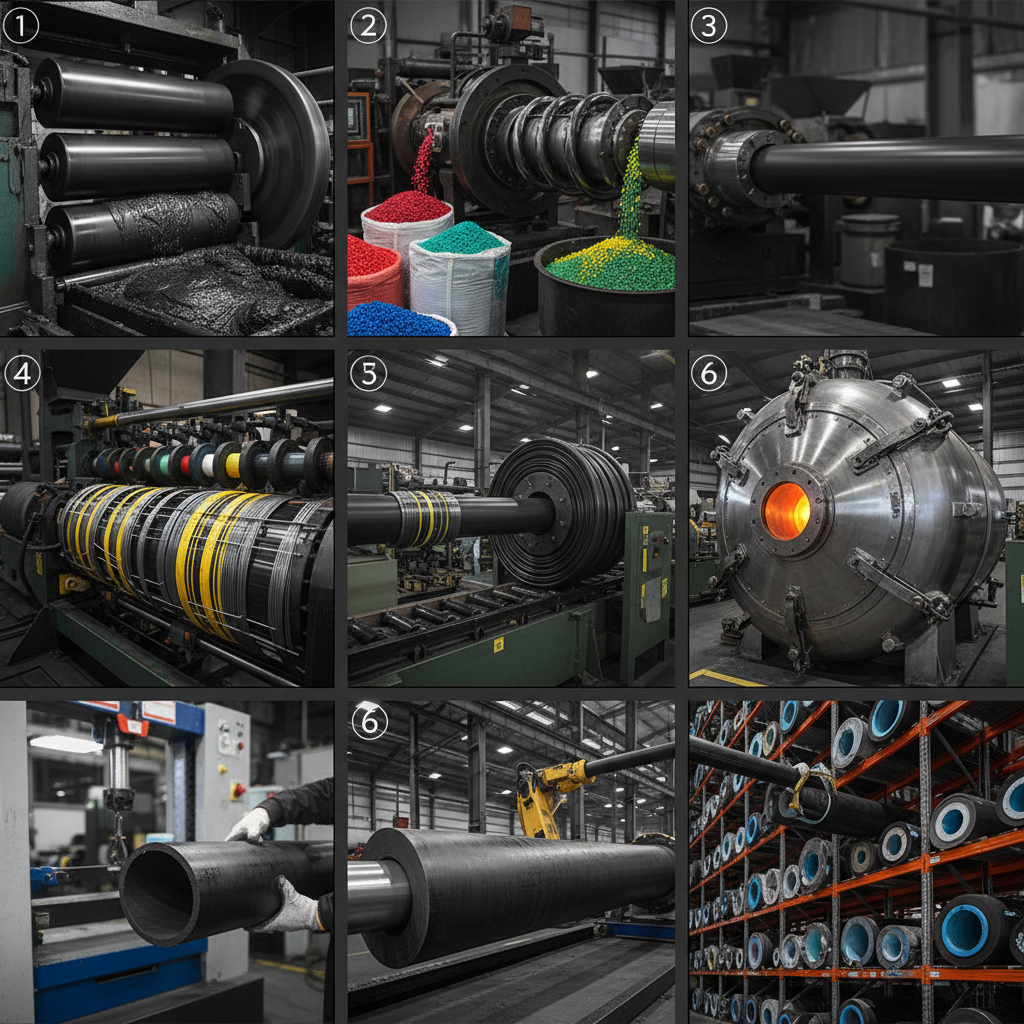
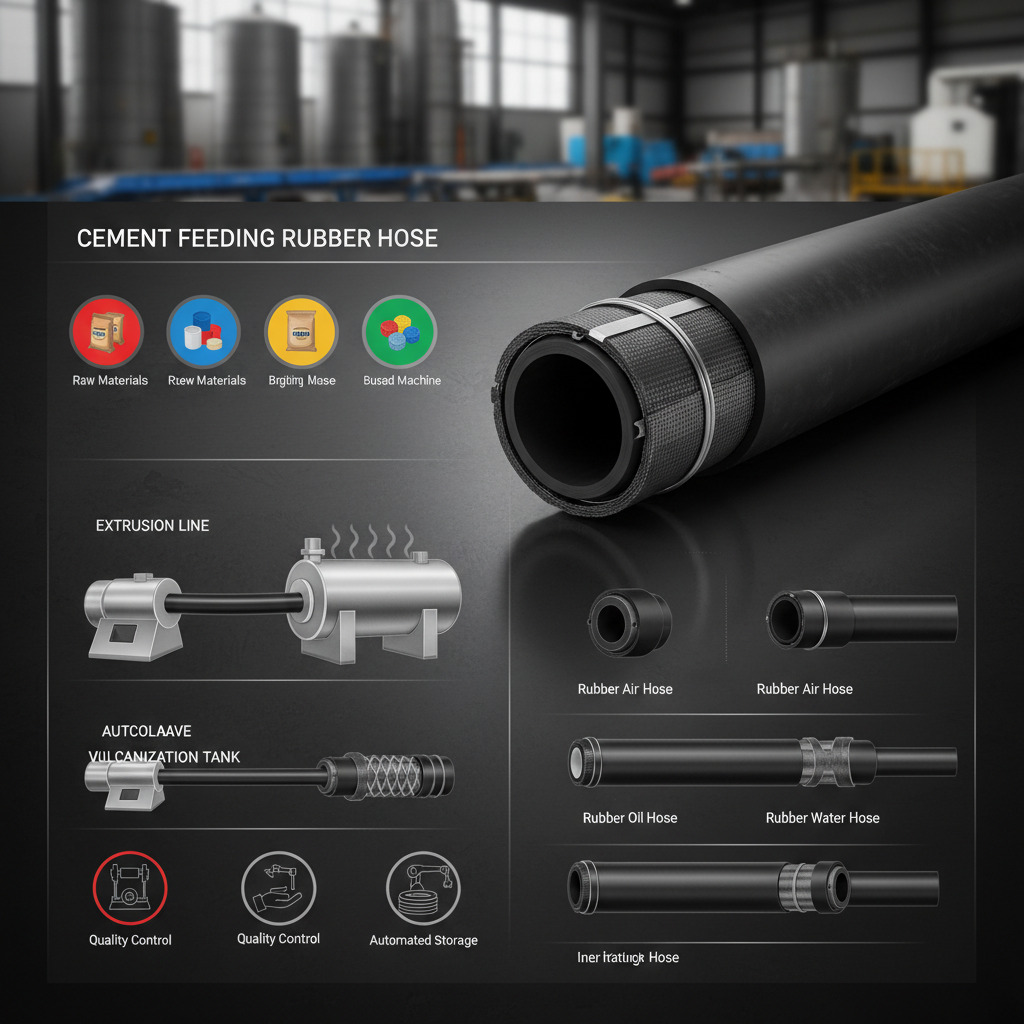
A cement feeding rubber hose is a heavy-duty, reinforced conduit specifically engineered to transport cement in various forms—whether as a dry powder, a wet slurry, or a semi-fluid paste. Unlike standard industrial hoses, these are constructed with an inner liner made of high-abrasion-resistant rubber (often SBR or Natural Rubber blends) and reinforced with high-tensile textile or steel wire braids to prevent deformation under pressure.
In the context of modern industrialization, these hoses are more than just tubes; they are essential components of the "last mile" delivery in cement plants and construction sites. They provide the necessary flexibility to connect rigid silos to mobile mixing trucks, allowing for a seamless transition of materials that would be impossible with rigid steel piping.
Furthermore, these hoses play a vital role in humanitarian and emergency reconstruction efforts. In post-disaster zones, where permanent infrastructure is destroyed, the deployment of mobile cement feeding systems allows NGOs and governments to rapidly rebuild shelters and roads, proving that the technical quality of the cement feeding rubber hose has a direct impact on the speed of human recovery.
Key Factors for High-Performance Delivery
Durability is the cornerstone of any cement feeding rubber hose. The interior must resist extreme abrasion, while the exterior must withstand UV exposure, oil splashes, and mechanical crushing on busy construction sites. A hose that fails prematurely not only disrupts the timeline but poses a significant safety risk to operators.
Pressure handling and structural integrity are equally critical. Because cement slurries are dense, the cement feeding rubber hose must maintain its circular cross-section without collapsing or bursting. This is achieved through precision-engineered reinforcement layers that distribute the internal pressure evenly across the hose walls.
Finally, chemical compatibility and flexibility ensure long-term viability. The rubber compounds used in a professional-grade cement feeding rubber hose are designed to be inert to the alkaline nature of cement, preventing chemical degradation that could lead to wall thinning and eventual leakage.
Comparative Efficiency in Material Transport
When evaluating the performance of different transport methods, the impact of the cement feeding rubber hose becomes evident. Compared to rigid piping or low-grade PVC alternatives, high-quality rubber hoses offer a superior balance of flow rate and lifespan. The reduced friction coefficient of specialized rubber liners ensures that the material moves with less resistance, reducing the energy load on pumping systems.
Operational efficiency is often measured by the "mean time between failures" (MTBF). In high-volume plants, the transition to premium rubber feeding solutions has shown a marked increase in uptime, allowing for continuous pours in large-scale projects like dam construction or skyscraper foundations.
Performance Rating of Cement Feeding Rubber Hose Variants
Global Applications and Use Cases
In the realm of heavy industrialization, the cement feeding rubber hose is indispensable. For instance, in the mining sectors of Australia and Canada, these hoses are used to transport cement for the stabilization of mine shafts and tailings dams. The extreme temperature fluctuations in these regions require rubber compounds that remain flexible in freezing conditions while resisting heat during high-friction transport.
Moreover, in dense urban centers like Tokyo or New York, where space is at a premium, the flexibility of the cement feeding rubber hose allows for precise placement of material in tight quarters. Whether it is for foundation piling or architectural concrete casting, the ability to maneuver the hose without kinking ensures a consistent flow of material, preventing cold joints and structural weaknesses in the finished concrete.
Long-Term Value and Operational Advantages
Investing in a high-grade cement feeding rubber hose provides tangible economic benefits over the lifecycle of a project. While the initial cost may be higher than generic alternatives, the reduction in replacement frequency and the elimination of unplanned downtime result in a lower total cost of ownership (TCO). For a large-scale contractor, this reliability translates directly into higher profit margins.
Beyond the financial aspect, there is a significant safety and environmental advantage. A burst hose can lead to hazardous spills and worker injuries. By using hoses that meet ISO and ASTM standards, companies can ensure a safer working environment, reducing the risk of workplace accidents and ensuring compliance with strict occupational health and safety regulations.
Furthermore, the reliability of the cement feeding rubber hose fosters trust between contractors and clients. When a project is delivered on time without quality compromises caused by equipment failure, it enhances the reputation of the engineering firm, creating long-term business value that far exceeds the cost of the hardware.
Future Trends in Rubber Hose Technology
The future of the cement feeding rubber hose is being shaped by the intersection of nanotechnology and sustainable chemistry. We are seeing the emergence of "smart hoses" embedded with sensors that can detect wall thinning in real-time, alerting operators to potential failures before they happen. This transition toward predictive maintenance is a key part of the digital transformation in construction.
Sustainability is also driving innovation. The industry is moving toward the use of bio-based elastomers and recyclable reinforcement materials to reduce the carbon footprint of hose production. As green building certifications like LEED become standard, the demand for eco-friendly cement feeding rubber hose solutions will continue to grow.
Additionally, automation and robotics are redefining how these hoses are deployed. Self-adjusting hose arms and automated coupling systems are reducing the manual labor required for setup, further increasing the precision of cement delivery.
Analysis of Rubber Hose Material performance and Lifecycle
| Material Grade |
Abrasion Resistance (1-10) |
Flexibility Score (1-10) |
Estimated Lifespan (Months) |
| Standard SBR Rubber |
6 |
7 |
6-8 |
| Reinforced Nitrile |
8 |
6 |
10-12 |
| High-Grade Natural Rubber |
9 |
9 |
14-18 |
| Polyurethane Composite |
10 |
5 |
20-24 |
| Eco-Polymer Blend |
7 |
8 |
8-10 |
| Industrial Grade PVC |
4 |
4 |
3-5 |
FAQS
The primary difference lies in the internal liner and reinforcement. A cement feeding rubber hose is specifically engineered with high-abrasion-resistant compounds (like natural rubber or specialized polymers) to handle the grit of cement. Standard hoses lack this internal protection and would wear through rapidly, leading to failure.
The diameter should be matched to the flow rate of your pump and the viscosity of the cement slurry. Generally, a larger diameter reduces friction and pressure drop but may lead to material settling if the velocity is too low. Consulting the pump manufacturer's specifications and the hose's pressure rating is essential for optimal performance.
Yes, due to their high abrasion resistance, these hoses are often excellent for transporting sand, gravel slurries, and other mineral powders. However, you must check the chemical compatibility of the rubber compound with the specific material being transported to avoid chemical degradation of the inner liner.
Keep an eye out for exterior bulging, which indicates a failure of the reinforcement layer. Other signs include "thin spots" on the inner liner (detected during inspection), frequent leaks at the couplings, or a significant drop in flow pressure, which may suggest internal buildup or structural deformation.
Proper maintenance is key. Ensure that hoses are cleaned after use to prevent cement from hardening inside. Avoid sharp bends that exceed the minimum bend radius, and store hoses away from direct sunlight and extreme heat when not in use to prevent rubber oxidation and cracking.
Depending on the reinforcement (textile vs. steel wire), many cement feeding rubber hoses are designed for pneumatic conveying. However, always verify the Maximum Working Pressure (MWP) and the Burst Pressure rating to ensure the hose can safely handle the pneumatic load of your specific system.
Conclusion
The selection of a high-quality cement feeding rubber hose is a fundamental decision that impacts the efficiency, safety, and profitability of any construction or industrial project. By prioritizing abrasion resistance, structural integrity, and chemical compatibility, operators can significantly reduce downtime and maintenance costs. As we have seen, the transition from generic piping to specialized rubber solutions not only optimizes material flow but also ensures a safer working environment.
Looking forward, the integration of smart monitoring and sustainable materials will further elevate the role of the cement feeding rubber hose in the industry. We recommend that project managers conduct a thorough audit of their current transport lines and upgrade to reinforced, high-grade rubber solutions to future-proof their operations. For premium industrial hose solutions, visit our website: www.pvcrubberhose.com.