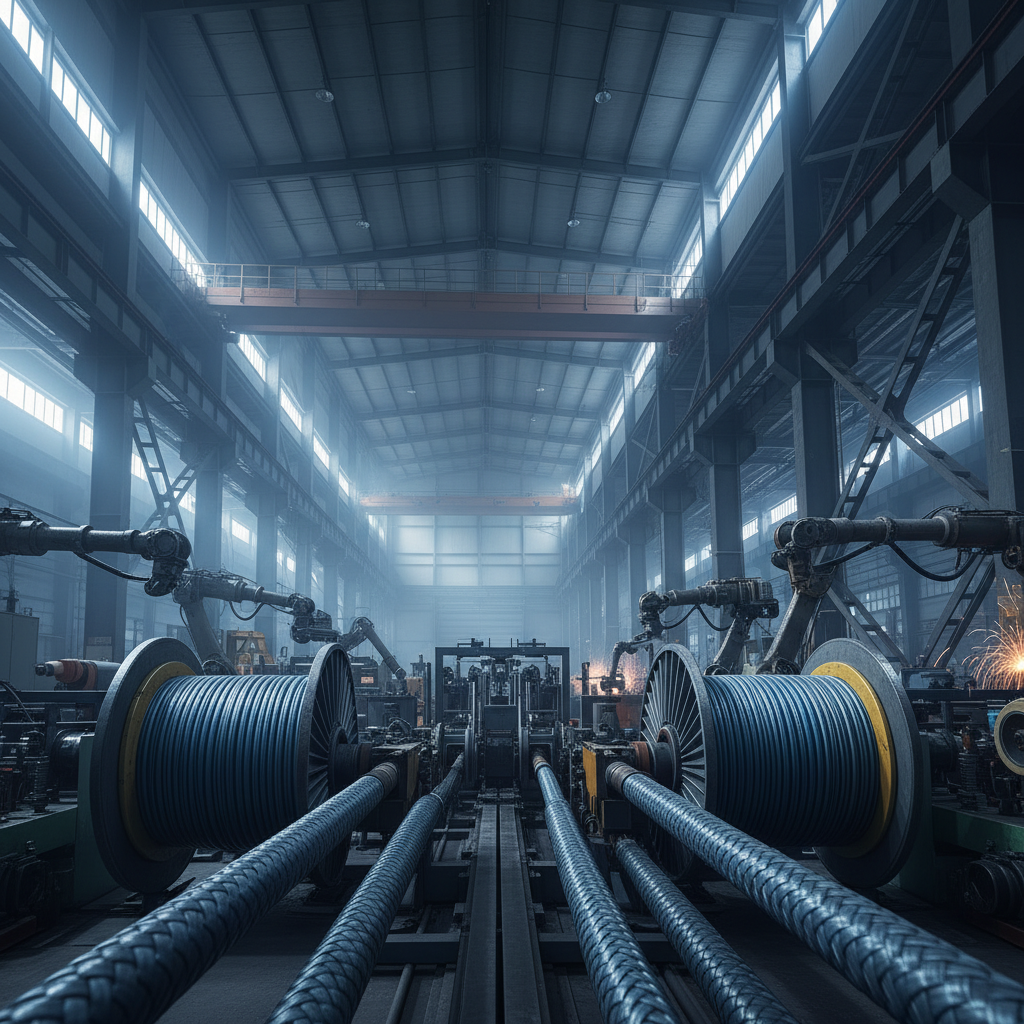
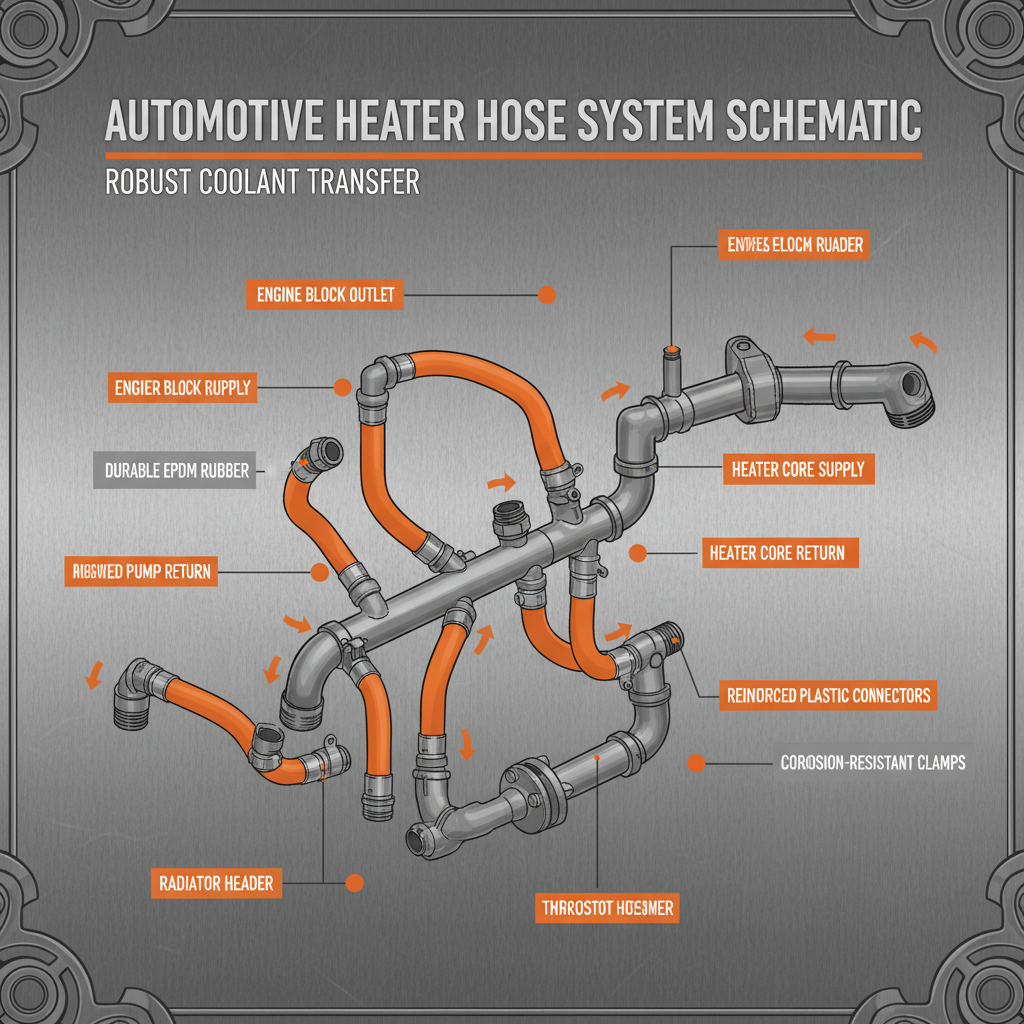
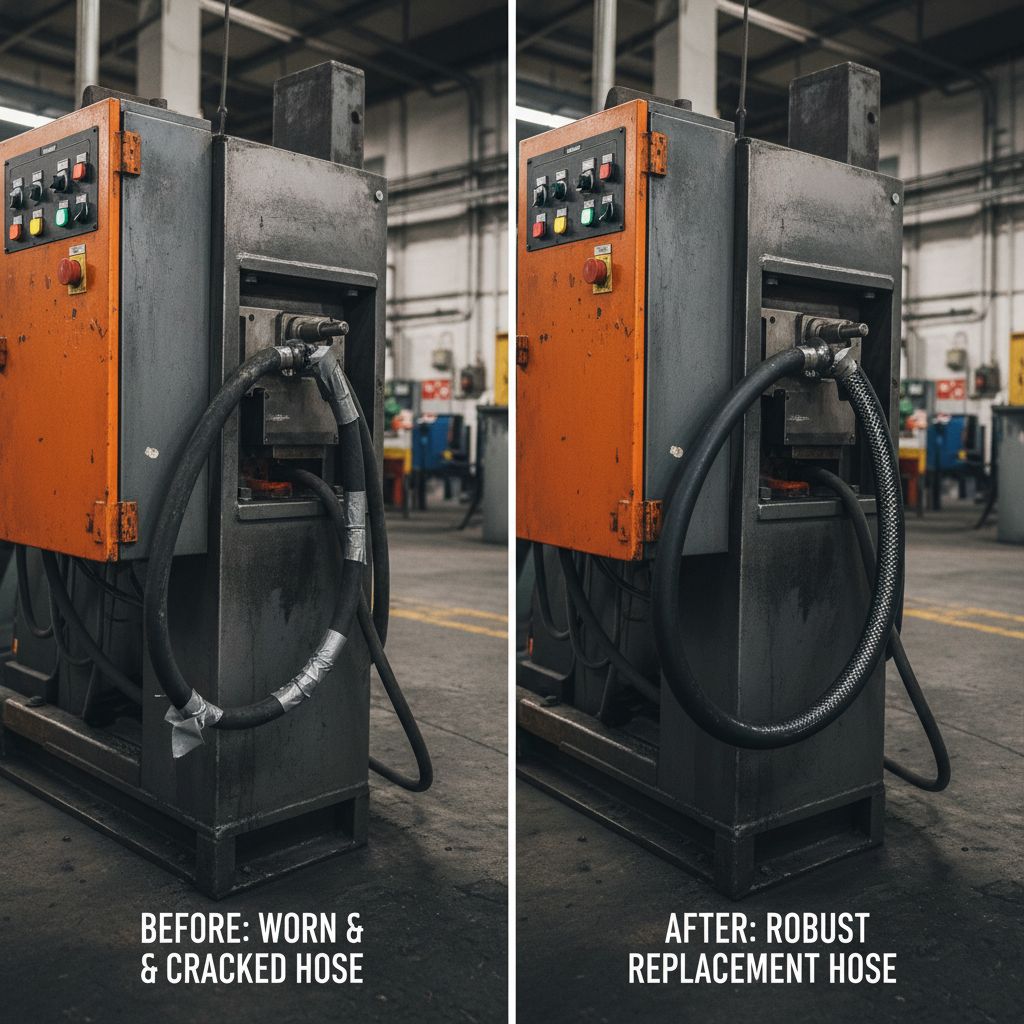
The industrial landscape relies heavily on the efficient transfer of fluids and gases, where the braided rubber hose pipe serves as a critical artery in countless mechanical systems. By combining the flexibility of high-grade elastomers with the structural reinforcement of braided fibers, these components ensure that high-pressure systems remain stable and leak-free, preventing costly downtime and hazardous accidents in heavy-duty environments.
Understanding the nuances of reinforcement materials—whether they be synthetic textiles or stainless steel—is essential for engineers and procurement managers aiming to optimize operational safety. The global demand for specialized hosing has surged as industries transition toward higher pressure thresholds and more corrosive chemical transport, making the selection of the right braided rubber hose pipe a strategic decision rather than a simple purchase.
From hydraulic machinery in mining to precision fuel lines in automotive engineering, the versatility of these pipes allows for a perfect balance between bend radius and burst pressure. This guide provides a comprehensive deep dive into the technical specifications, global applications, and future innovations surrounding the braided rubber hose pipe to help you make an informed engineering choice.
Global Industrial Context of Braided Rubber Hose Pipe
On a global scale, the reliance on robust fluid conveyance systems is underscored by the growth of the hydraulic and pneumatic markets. According to ISO standards and international industrial benchmarks, the failure of a single high-pressure line can lead to catastrophic system failures, emphasizing why the braided rubber hose pipe is indispensable. In regions with rapid industrialization, such as Southeast Asia and Latin America, the adoption of reinforced rubber piping has become a cornerstone for infrastructure development.
The primary challenge addressed by braided reinforcement is the "ballooning" effect that occurs in unreinforced rubber when subjected to internal pressure. By integrating a braided layer, manufacturers can ensure that the pipe maintains its diameter and structural integrity under extreme stress. This technical evolution has allowed for the miniaturization of machinery while simultaneously increasing the power density of hydraulic systems worldwide.
Defining the Braided Rubber Hose Pipe Architecture
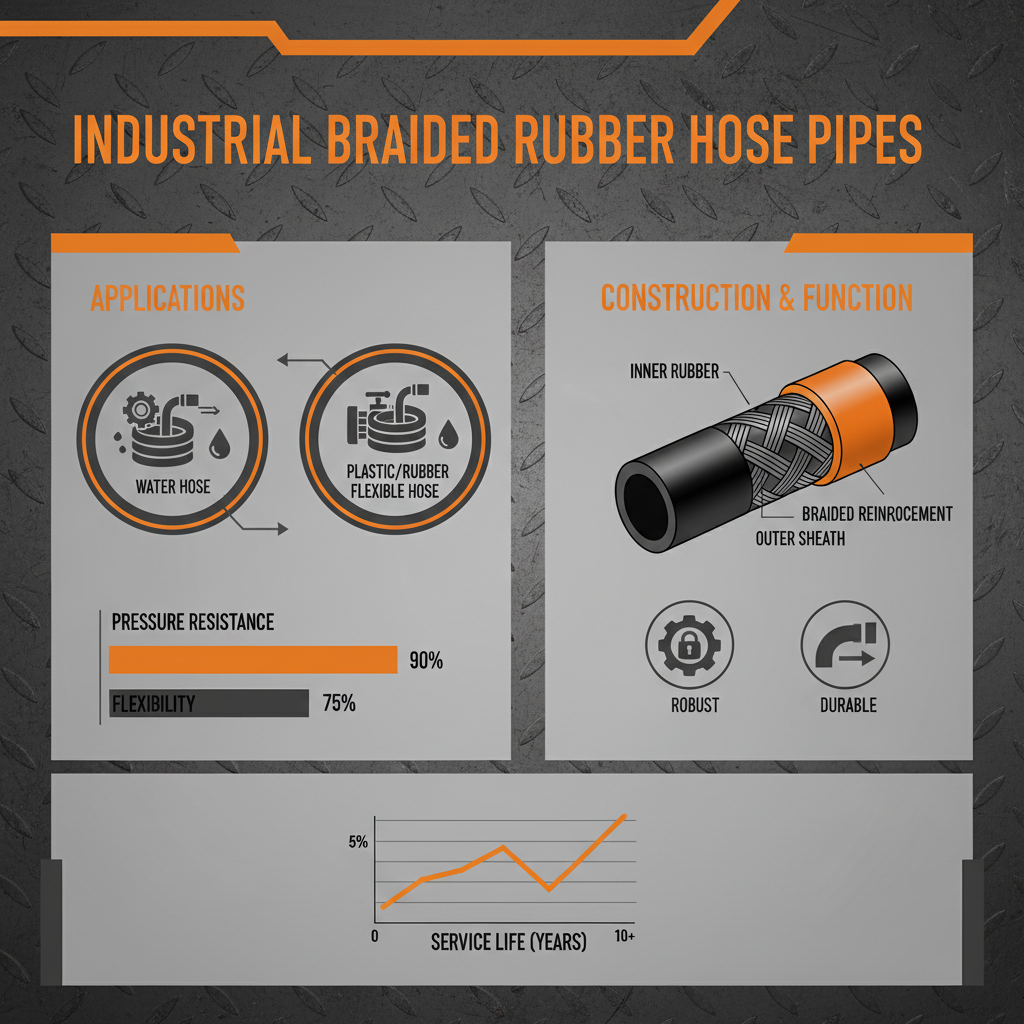
At its core, a braided rubber hose pipe is a composite structure consisting of three primary layers: the inner tube, the reinforcement layer, and the outer cover. The inner tube is engineered from materials like Nitrile (NBR), EPDM, or Viton to resist the specific chemicals being transported. The reinforcement—the "braid"—is where the strength lies, typically consisting of interwoven yarns of polyester, nylon, or high-tensile steel wire that wrap around the inner core.
This braided architecture is specifically designed to handle hoop stress. When fluid is pumped through the pipe, the internal pressure pushes outward; the braided layer acts as a structural cage that counteracts this force. This allows the hose to handle significantly higher pressures than a standard rubber tube while maintaining the flexibility required for routing through tight engine bays or complex factory layouts.
In the context of modern humanitarian and industrial needs, such as rapid-deployment water filtration or emergency fuel transport in disaster zones, the durability of the braided rubber hose pipe ensures that life-saving resources reach their destination without leakage. The ability to combine chemical resistance with mechanical strength makes it a versatile tool for both profit-driven industry and global aid efforts.
Core Engineering Factors for Durability
One of the most critical factors in the longevity of a braided rubber hose pipe is the material compatibility between the inner tube and the medium. If a hose is used to transport aggressive solvents but is made from a non-resistant elastomer, the inner layer will degrade, leading to the "wetting" of the braided reinforcement, which eventually causes the hose to burst from the inside out.
Pressure scalability is another pillar of design. The angle of the braid—the cross-over angle of the fibers—determines how much of the internal pressure is absorbed by the reinforcement. A tighter braid generally results in a higher working pressure rating, allowing the braided rubber hose pipe to operate safely in high-load hydraulic systems without risking deformation or rupture.
Finally, the external cover must be engineered for environmental resilience. Whether it is resistance to UV radiation for outdoor agricultural use or abrasion resistance for mining equipment, the outer layer protects the braided core from external mechanical damage. Without a high-quality cover, the internal braids can be severed by friction, leading to an immediate loss of pressure capacity.
Performance Metrics Across Different Braiding Methods
Different braiding techniques result in vastly different performance outcomes. Textile braiding offers lightweight flexibility and is ideal for medium-pressure applications, whereas steel wire braiding provides the maximum possible burst pressure and heat resistance. Selecting the correct braided rubber hose pipe requires a balance between the required flexibility (bend radius) and the necessary pressure rating.
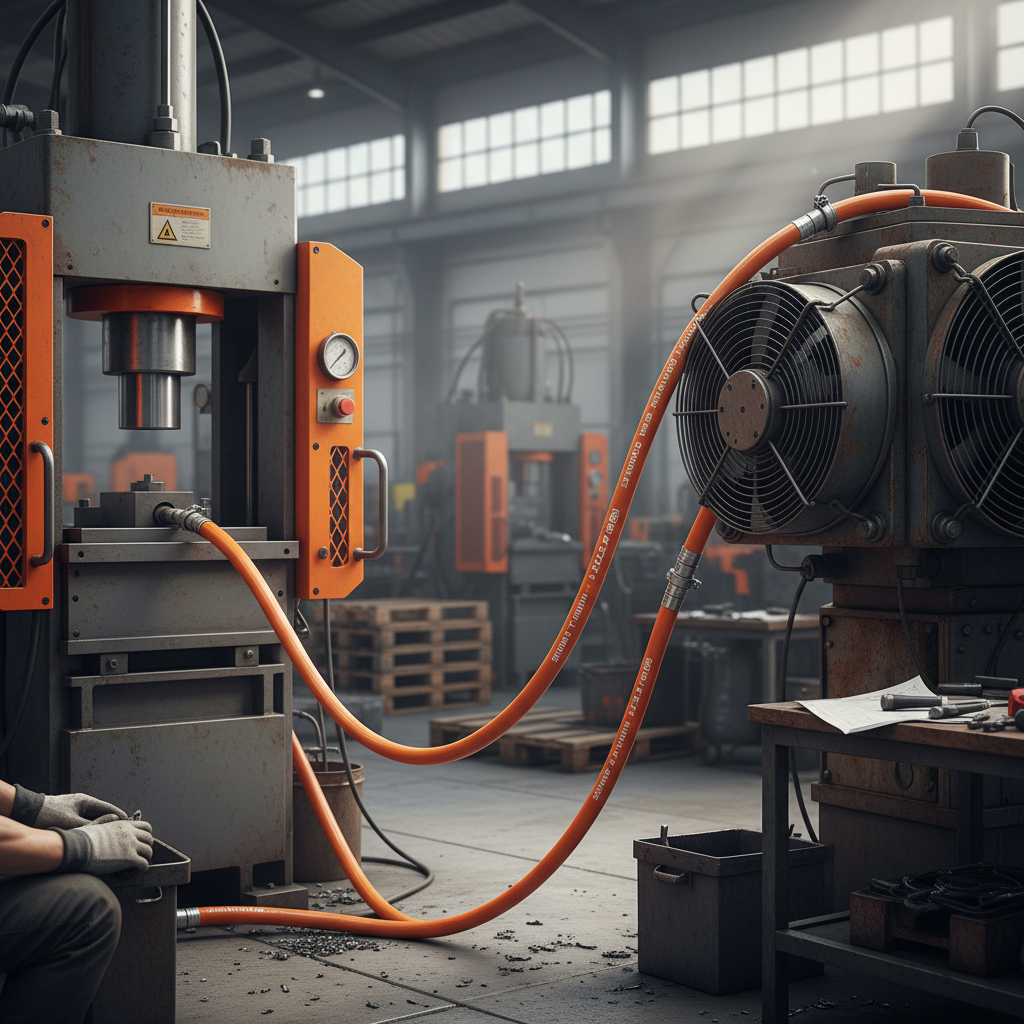
For instance, in automotive turbocharger lines, a combination of synthetic fiber and rubber is often used to reduce weight, whereas in heavy-duty industrial hydraulic presses, multiple layers of steel braiding are the gold standard to ensure zero-failure operation.
Pressure Performance of Braided Rubber Hose Pipe Variants
Global Applications and Use Cases
The application of the braided rubber hose pipe spans across diverse sectors. In the oil and gas industry, these pipes are used for fuel transfer and lubrication systems where leakage is not just a financial loss but an environmental catastrophe. In remote industrial zones, such as offshore oil rigs, the resistance to saltwater corrosion and extreme pressure makes braided hoses the only viable option for fluid transport.
Furthermore, in the medical and food processing industries, specialized braided hoses made from silicone or food-grade rubber ensure that sterile fluids are transported under pressure without contamination. This versatility allows the same basic technology—rubber combined with a braid—to serve both a heavy-duty excavator and a high-precision pharmaceutical plant.
Long-Term Value and Sustainability
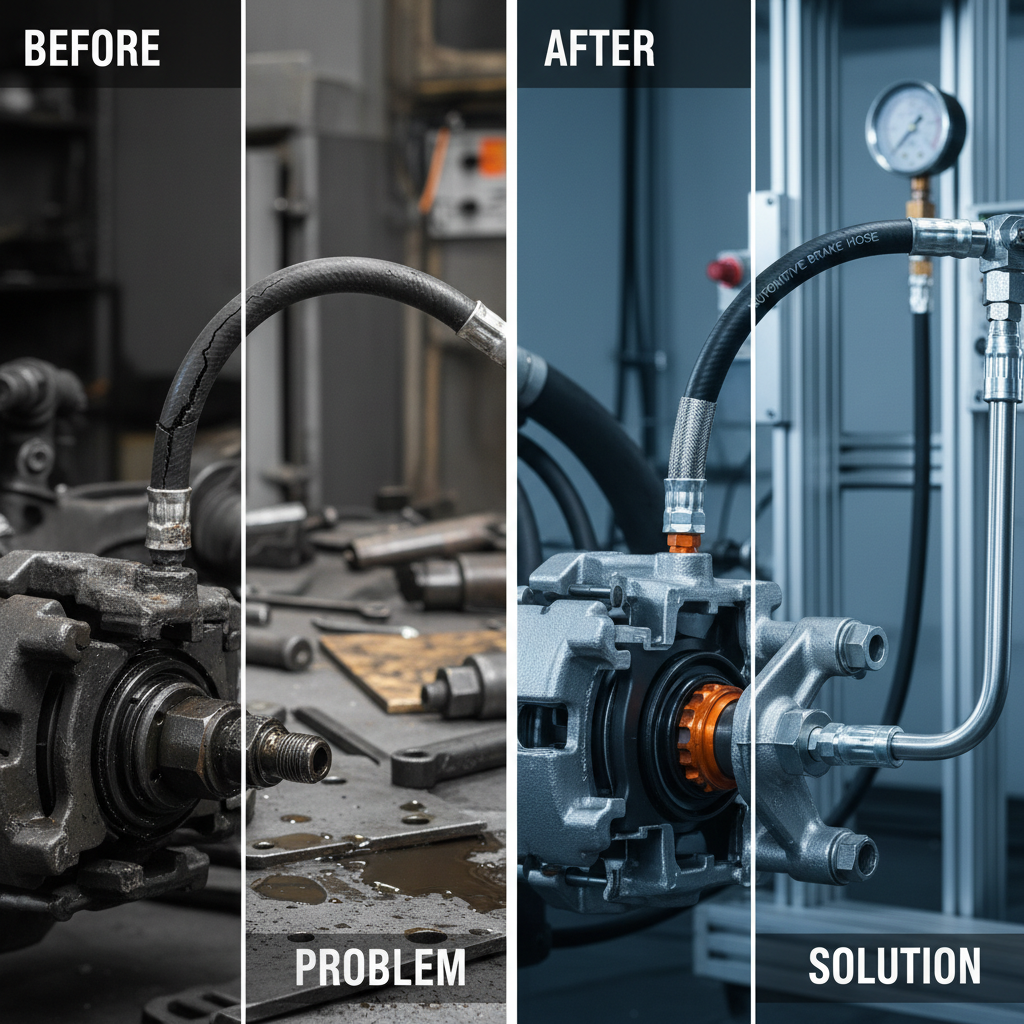
Investing in a high-quality braided rubber hose pipe provides tangible long-term value through reduced maintenance cycles. While lower-grade hoses may be cheaper upfront, their tendency to fatigue and crack leads to frequent replacements and unplanned downtime. A properly engineered braided hose offers a significantly longer service life, which reduces the total cost of ownership for the operator.
From a sustainability perspective, the move toward high-durability materials reduces the amount of rubber waste ending up in landfills. Moreover, by preventing leaks in hydraulic systems, braided hoses play a direct role in protecting soil and groundwater from hydrocarbon contamination, aligning industrial operations with global environmental goals.
Beyond the logical financial gains, there is an element of trust and safety. In high-pressure environments, the reliability of a braided hose provides peace of mind to operators, ensuring that the equipment they rely on will not fail under load, thereby upholding the dignity and safety of the workforce.
Future Trends in Hose Technology
The future of the braided rubber hose pipe is being shaped by the integration of "smart" materials and green chemistry. We are seeing the emergence of bio-based elastomers that offer similar performance to petroleum-based rubber but with a significantly lower carbon footprint. Additionally, the integration of conductive braiding is becoming more common to prevent static build-up in volatile chemical transfers.
Automation in the braiding process is also increasing precision, allowing for "variable pitch" braiding where the reinforcement is denser in high-stress areas of the hose. This optimization reduces material waste while increasing the overall safety factor of the product.
As industries move toward hydrogen energy, the demand for braided hoses capable of handling extremely small molecules at ultra-high pressures is growing. This will likely lead to the development of new hybrid braids combining carbon fiber with advanced polymers to prevent hydrogen permeation.
Comparative Analysis of Braided Rubber Hose Pipe Material Performance
| Material Type |
Pressure Rating |
Chemical Resistance |
Service Life (Years) |
| Nitrile + Nylon Braid |
Medium |
Excellent (Oil) |
3-5 |
| EPDM + Polyester Braid |
Low-Medium |
Excellent (Weather) |
5-8 |
| Viton + Steel Braid |
Ultra High |
Superior (Chemical) |
10+ |
| Silicone + Fiber Braid |
Low |
Food Grade |
4-6 |
| Neoprene + Steel Braid |
High |
Good (General) |
7-10 |
| Polyurethane + Nylon Braid |
Medium |
High (Abrasion) |
3-6 |
FAQS
The choice depends primarily on your pressure requirements and flexibility needs. For low-to-medium pressure and high flexibility, nylon or polyester braiding is ideal. For high-pressure hydraulic systems or environments with extreme heat, steel wire braiding is necessary to prevent hose expansion and rupture. Always check the Working Pressure (WP) and Burst Pressure (BP) ratings before selecting.
No, the braid provides strength, but the inner tube provides chemical resistance. You must match the rubber compound (e.g., Nitrile for oils, EPDM for steam, Viton for aggressive chemicals) to the medium being transported. Using the wrong inner tube will lead to degradation, which can eventually compromise the braided reinforcement layer.
Look for "bubbling" or bulging on the outer cover, which indicates the internal braid has failed. Other signs include visible fraying of the reinforcement wires or fabric, cracks in the rubber cover due to UV exposure, and any weeping or leaking at the coupling points. Immediate replacement is required if the braid is exposed.
Yes, generally, as you increase the number of reinforcement layers (e.g., moving from a single braid to a double or quadruple braid), the hose becomes stiffer. This increases the minimum bend radius, meaning the hose cannot be bent as sharply without kinking or stressing the reinforcement. Always consult the manufacturer's bend radius chart for your specific hose size.
In terms of pressure resistance and heat tolerance, yes. Steel braiding offers superior protection against bursting and external crushing. However, textile braiding is more resistant to corrosion in salty environments and is significantly lighter, making it more durable for applications where the hose is frequently moved or manipulated.
Avoid exceeding the maximum working pressure and avoid bending the hose beyond its rated minimum bend radius. Protect the hose from extreme abrasion using sleeves and ensure it is stored away from direct sunlight if the outer cover is not UV-stabilized. Regular inspections for cover wear can prevent costly failures.
Conclusion
The braided rubber hose pipe is far more than a simple conduit; it is a precision-engineered component that balances the contradictory needs of flexibility and strength. By understanding the synergy between the inner elastomer, the braided reinforcement, and the protective cover, industries can significantly reduce operational risks and enhance system efficiency. From managing the high-pressure demands of heavy machinery to ensuring the purity of pharmaceutical transfers, the right braided solution is fundamental to industrial stability.
Looking forward, the integration of sustainable materials and smart monitoring will redefine how we maintain fluid systems. We encourage engineers and procurement specialists to prioritize quality and material compatibility over initial cost to ensure long-term safety and environmental compliance. For high-performance solutions tailored to your specific industrial needs, visit our website: www.pvcrubberhose.com.